Judgment at Nuremberg
"When the law becomes the crime."
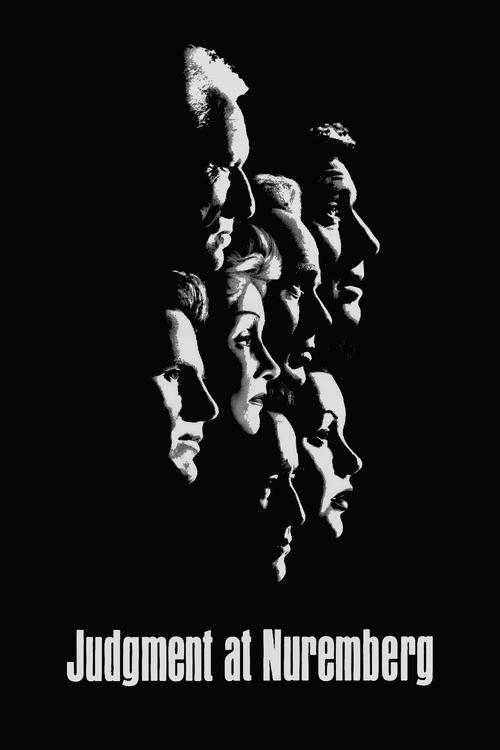
I watched this movie for the first time on a humid Tuesday afternoon while my neighbor was leaf-blowing his driveway for what felt like three consecutive hours. Usually, that kind of rhythmic buzzing would drive me up the wall, but about forty minutes into Judgment at Nuremberg, the outside world simply ceased to exist. My coffee went cold, the neighbor's yard-work became white noise, and I found myself leaning so far toward the screen I nearly tipped my chair. You don't just "watch" a movie like this; you endure it, in the best possible way.
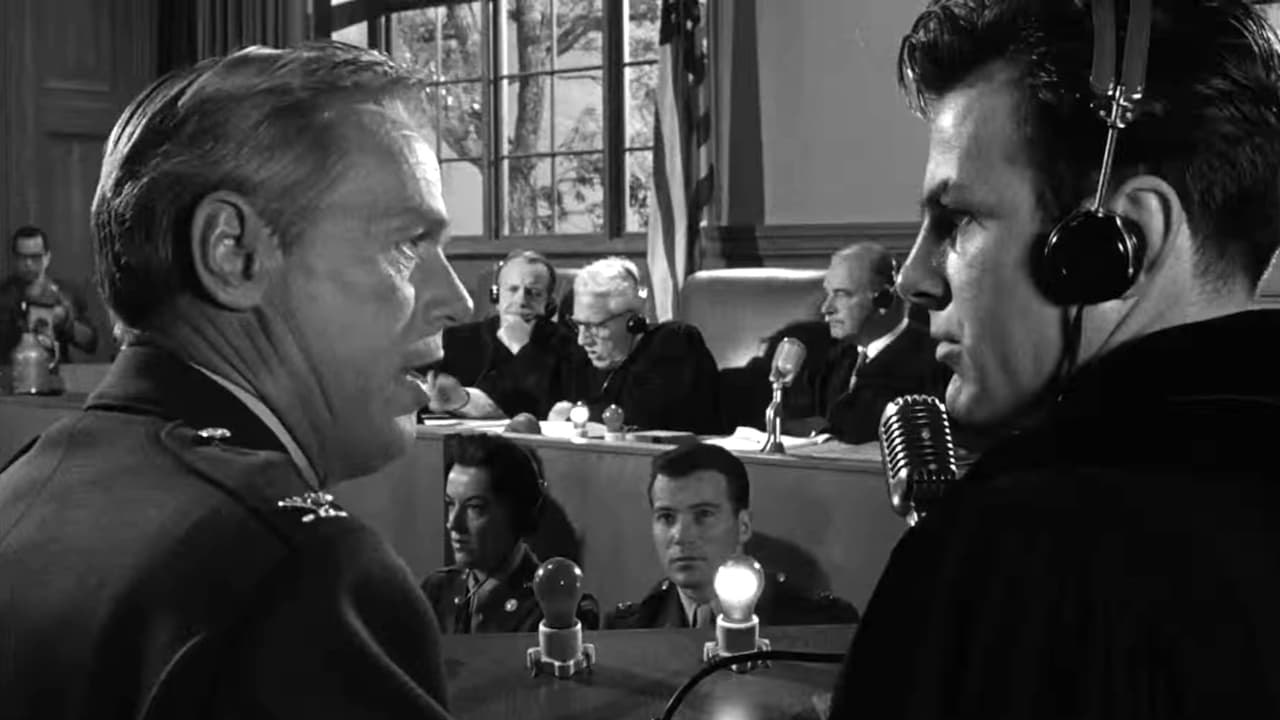
At 191 minutes, it’s a massive commitment, especially for a film that takes place almost entirely within the confines of a courtroom. But director Stanley Kramer (who gave us the equally tense High Noon) understood something vital: there is nothing more cinematic than the human face under pressure. This isn't a "whodunnit" or a legal thriller filled with surprise DNA evidence. It’s a philosophical cage match about the soul of a nation and the responsibility of the individual.
The Anatomy of Guilt
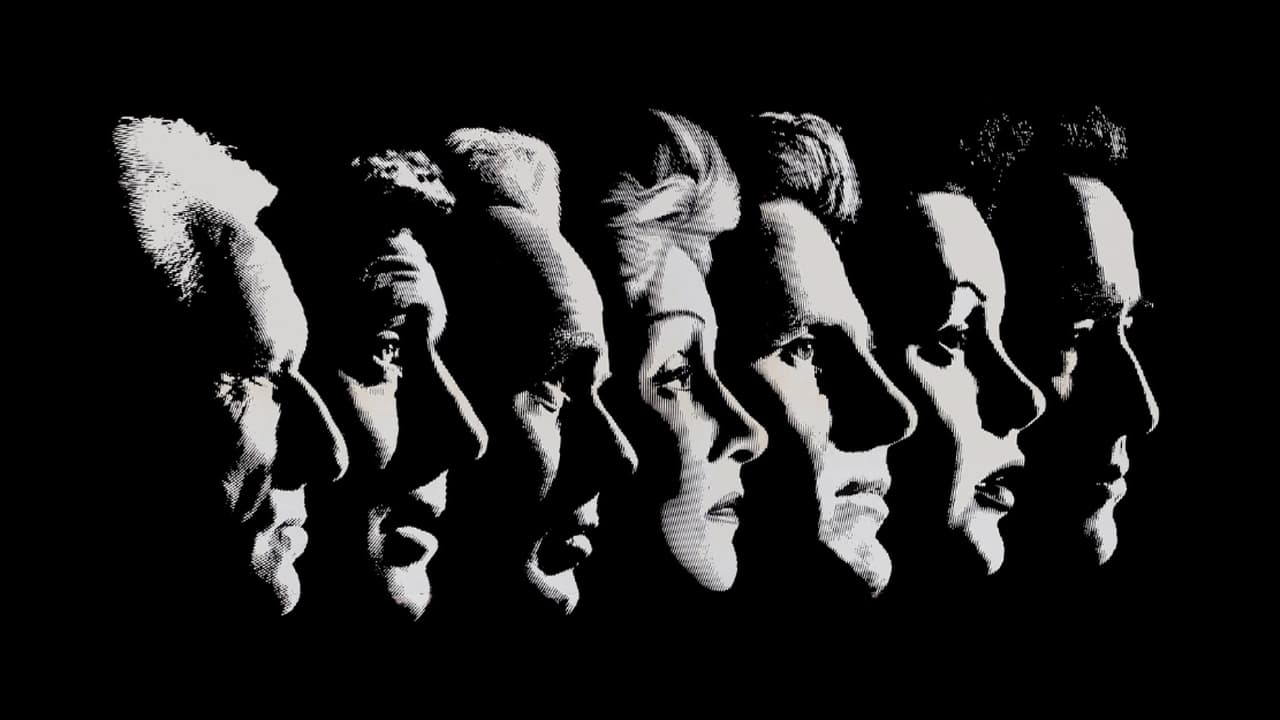
The film drops us into 1947 Nuremberg. The "big" Nazis—Goring, Hess, and the like—are already gone. Now, the tribunal is looking at the "small" cogs: four German judges accused of using their benches to legalize atrocities. Spencer Tracy plays Dan Haywood, the American judge tasked with presiding over the mess. Tracy was the king of the "everyman" performance, and here he uses that weariness to perfection. He’s not a crusader; he’s a guy trying to figure out how civilized men convinced themselves that the unthinkable was necessary.
Then you have Maximilian Schell as Hans Rolfe, the defense attorney. Schell won an Oscar for this, and frankly, he earned it in the first twenty minutes. He is a lightning bolt. He doesn't defend the Nazis' actions; he defends Germany’s right to survive, throwing the world’s hypocrisy back in its face. It’s a dangerous, electric performance because he makes points that are uncomfortably hard to argue with. If you aren't shouting at your TV during his cross-examinations, you aren't paying attention.
A Masterclass in Restraint and Rupture
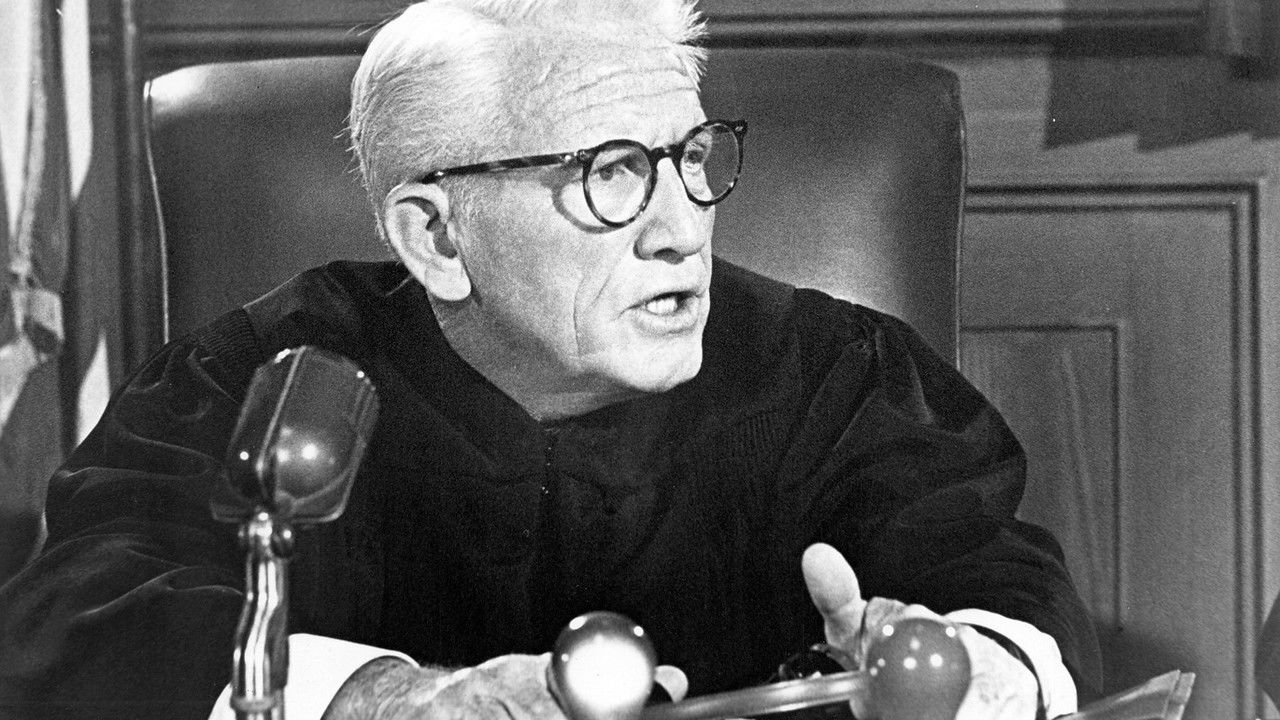
What really strikes me about this production—which was a massive risk for Stanley Kramer's independent production company—is the casting. This was a "message movie" made with the resources of a blockbuster but the heart of an indie darling. Kramer managed to pull in a staggering ensemble, many of whom took massive pay cuts just to be part of the conversation.
Take Burt Lancaster as Ernst Janning. He spends the majority of the film in stony, aristocratic silence. Lancaster was a physical actor, a former circus performer known for his grin and his athletic builds, but here he’s a statue of regret. When he finally speaks, the air leaves the room. Then there’s Judy Garland. We usually think of her with a song and a ruby slipper, but here, as Irene Hoffman, she is raw, trembling, and utterly broken. It’s a performance that feels less like acting and more like a public exorcism of her own real-life demons.
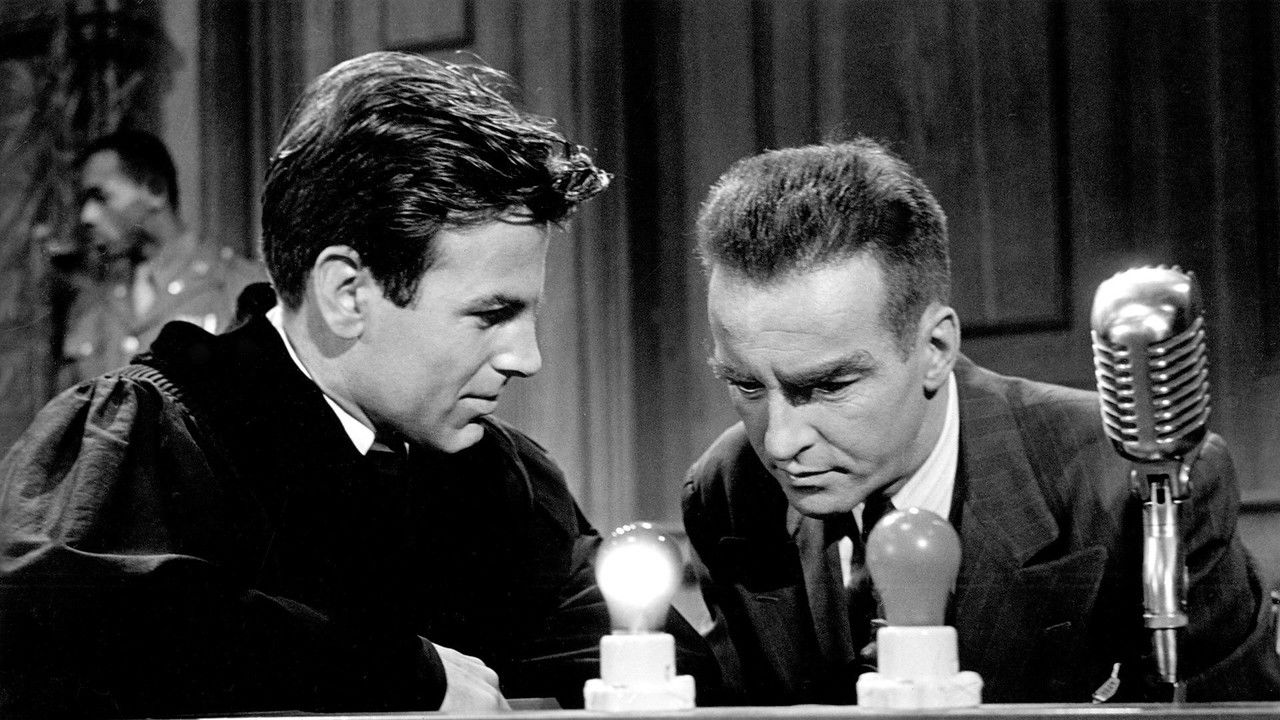
The film also features a brief, shattering appearance by Montgomery Clift. Apparently, Clift was struggling so hard with his lines during filming that Tracy told him to just look into his eyes and play the emotion. The result is a scene of such jagged, nervous energy that it makes the hair on your arms stand up. Watching Clift shake on that witness stand is more intense than any modern action sequence.
The Weight of the Image
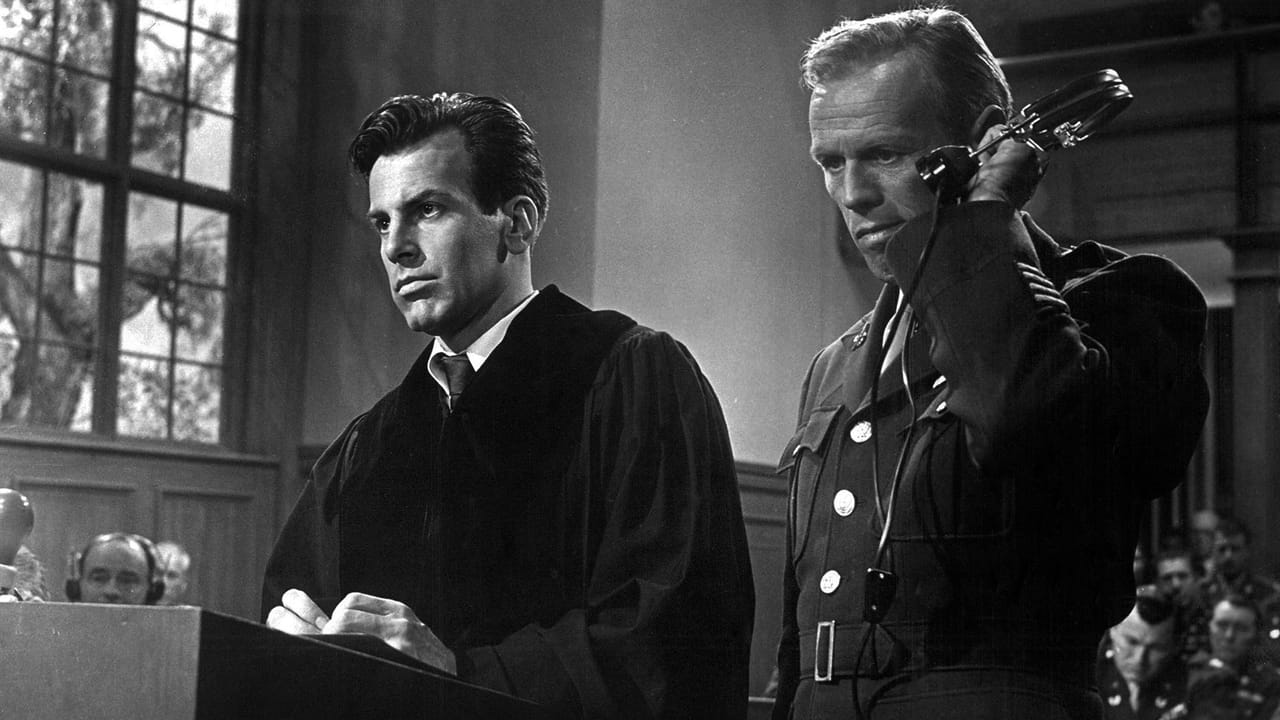
Technically, the movie is a fascinating bridge between the polished Golden Age of Hollywood and the grittier, more experimental 1960s. Ernest Laszlo’s cinematography uses these long, slow zooms and circular tracking shots that make the courtroom feel like a fishbowl. There’s a specific moment where the camera pans around the defendants while they listen to the evidence—it’s dizzying, making the viewer feel the claustrophobia of their judgment.
We have to talk about the "footage." Kramer made the bold, controversial choice to include actual film from the liberation of the concentration camps. In 1961, this wasn't something people saw on the evening news. It was a blunt-force trauma to the audience. Even today, in our desensitized age, the transition from the courtroom’s clean dialogue to the grainy, horrific reality of the camps is a physical blow. It anchors the philosophical debates in blood and bone.
This film was a "passion project" in the truest sense. It wasn't built for a high-concept VHS box art or a flashy trailer. In fact, when it eventually hit home video years later, the sheer length meant it often came on two tapes, a literal physical weight on your shelf. It’s a movie that demands you sit still and think—a rare ask in 1961, and an even rarer one now.
Judgment at Nuremberg is a towering achievement that manages to be intellectually exhausting and emotionally replenishing all at once. It asks the terrifying question: "How do you punish a whole system?" It doesn't offer easy answers, and it doesn't let the audience off the hook with a happy ending. Instead, it leaves you sitting in the dark, long after the credits have rolled, wondering what you would have done in that same courtroom. It is essential, bruising cinema that reminds us why we watch movies in the first place—to see the truth, even when it hurts.
Keep Exploring...
-
Guess Who's Coming to Dinner
1967
-
Mirror
1975
-
The Apartment
1960
-
Harakiri
1962
-
Andrei Rublev
1966
-
The Elephant Man
1980
-
Gandhi
1982
-
Amadeus
1984
-

The Color Purple
1985
-

Midnight Cowboy
1969
-
The Holy Mountain
1973
-
Network
1976
-
Annie Hall
1977
-
Aguirre, the Wrath of God
1972
-
Ran
1985
-
The Last Emperor
1987
-
Breakfast at Tiffany's
1961
-

The Hustler
1961
-

To Kill a Mockingbird
1962
-
Stalker
1979