One Hundred and One Dalmatians
"London's most stylish, spotty, and sketchy rescue mission."
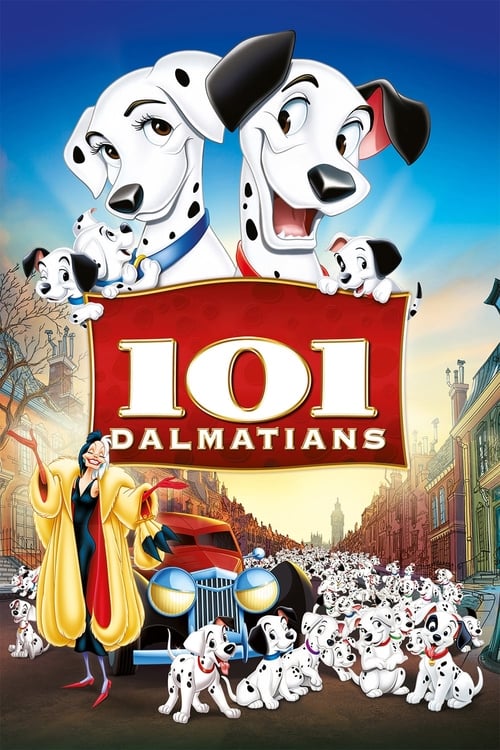
The Sketchy Salvation of Disney
Whenever I sit down to revisit One Hundred and One Dalmatians, I’m immediately struck by how much it doesn’t look like the Disney movies that came before it. If Sleeping Beauty was a lush, billion-dollar tapestry, this 1961 adventure is a chic, mid-century comic book brought to life. I watched my most recent screening on a slightly fuzzy old monitor while my neighbor’s leaf blower roared outside, and honestly, the urban grit of the background noise felt weirdly appropriate for the jazzy, soot-stained streets of Roger Radcliffe’s London.
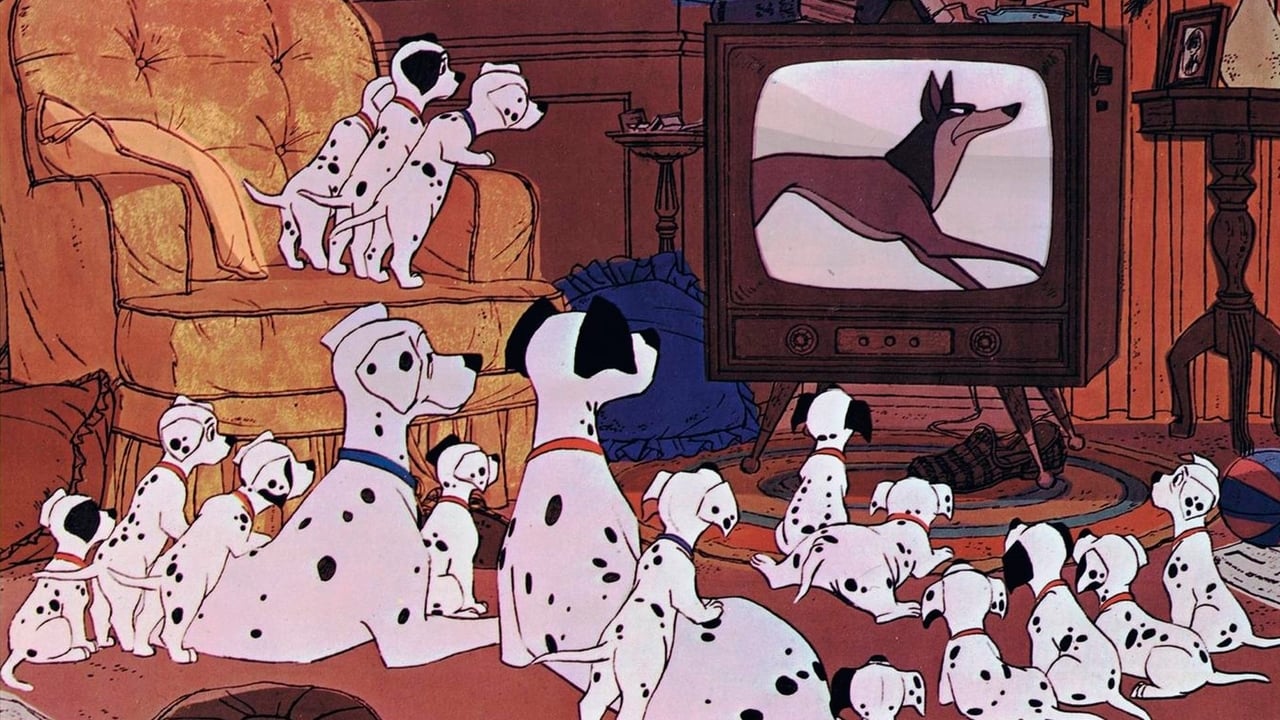
This film didn't just happen; it was a desperate pivot. After the astronomical costs of Sleeping Beauty nearly sank the studio, Walt Disney needed a way to make movies cheaper and faster. Enter the Xerox process. For the first time, the animators’ rough pencil lines were transferred directly to the cels, bypassing the expensive hand-inking stage. You can see the "sketchiness" in every frame—the stray construction lines on Pongo’s ears and the rough edges of the chimney sweeps. Walt Disney famously hated this look at first, feeling it lacked the "clean" magic of the Golden Age, but for my money, it’s the coolest the studio ever looked. It’s got a beatnik energy that feels perfectly aligned with 1961.
A Villain Who Actually Understood the Assignment
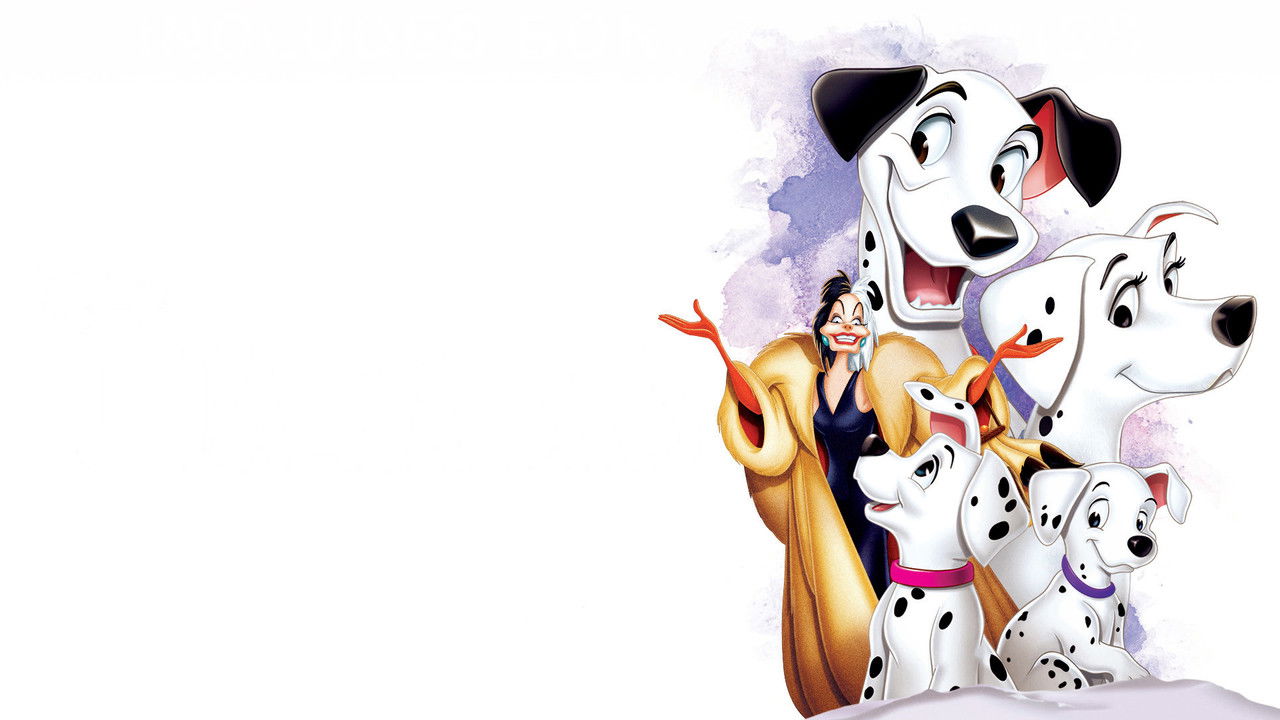
We have to talk about Cruella De Vil. While Maleficent was a literal dragon and the Evil Queen was a magic-mirror obsessive, Cruella is terrifying because she’s just a terrible person you might actually meet at a high-end cocktail party. Betty Lou Gerson provides a voice performance that sounds like it’s made of equal parts gin, cigarettes, and pure malice.
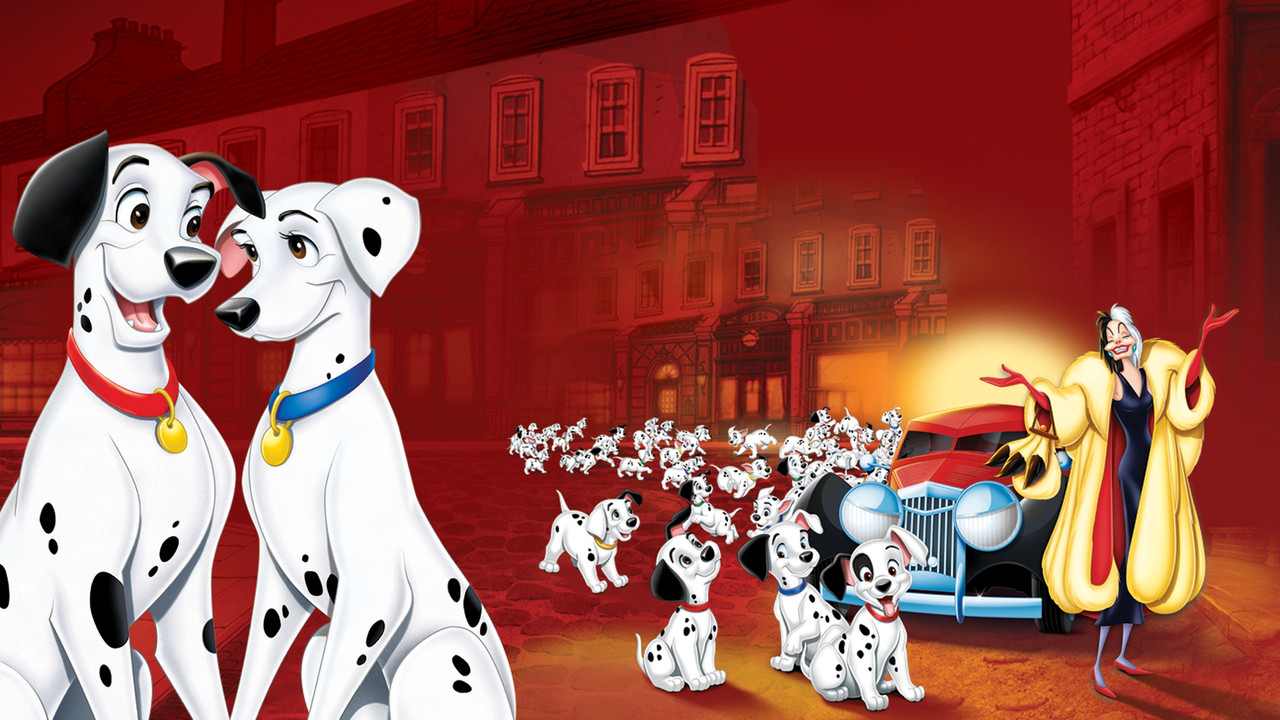
Cruella is the ultimate "New Hollywood" precursor—an erratic, car-crashing, fashion-obsessed nightmare who is effectively the most memorable thing on screen. My personal hot take? Cruella De Vil is the only Disney villain with a truly relatable motivation: she just wants a really nice coat, she’s just willing to commit a felony to get it. The way she barrels through the English countryside in that oversized coupe—which looks like a blood-red nightmare on wheels—is peak adventure cinema.
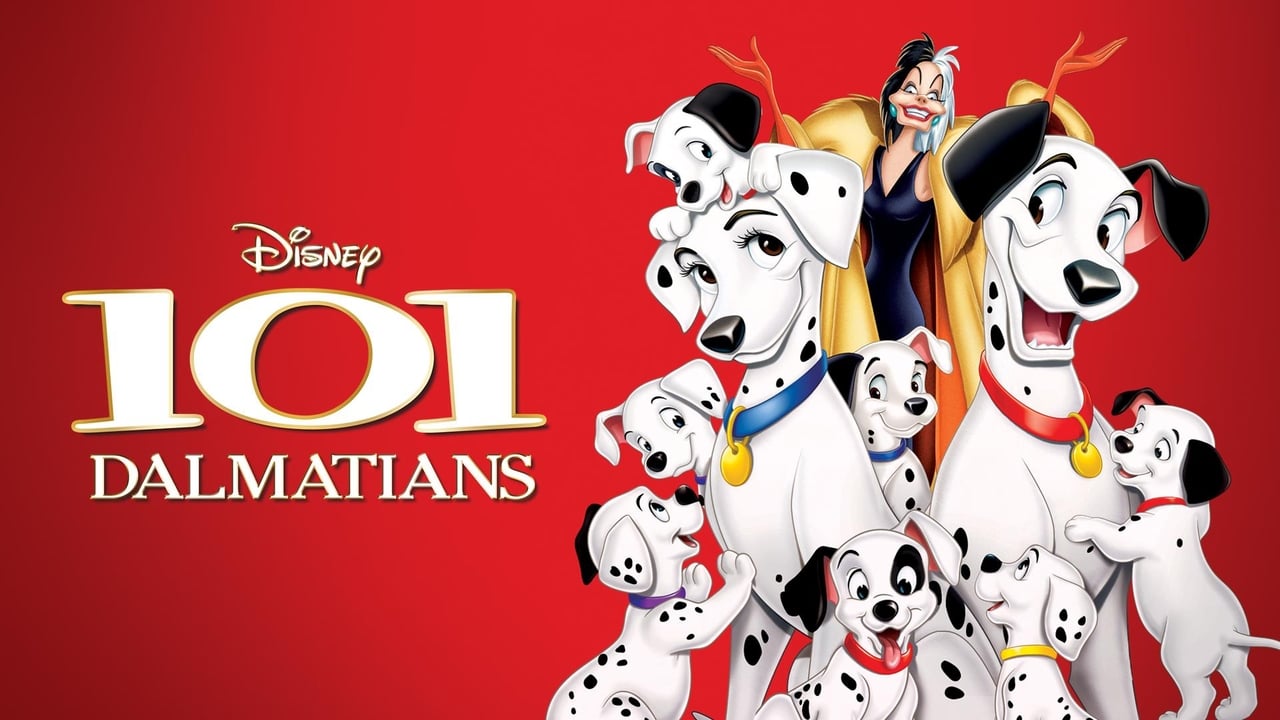
Opposite her, we have the dogs. Rod Taylor (who you might know from The Birds) gives Pongo a wonderful, paternal suave. He’s the one who orchestrates the "Pongo-Perdita" meet-cute by tangling Ben Wright (Roger) and Cate Bauer (Perdita) in their leashes. It’s one of the best opening sequences in animation history—efficient, funny, and visually inventive. Roger himself is a delight; he is arguably the most chill husband in cinematic history for just rolling with 101 dogs in a London flat without filing for divorce.
The Greatest Communication Network in Cinema
The "Adventure" genre label really earns its keep during the second half of the film. Once the puppies are snatched by the bumbling henchmen Jasper and Horace (voiced with impeccable comedic timing by J. Pat O'Malley), the movie transforms into a sprawling rescue mission.
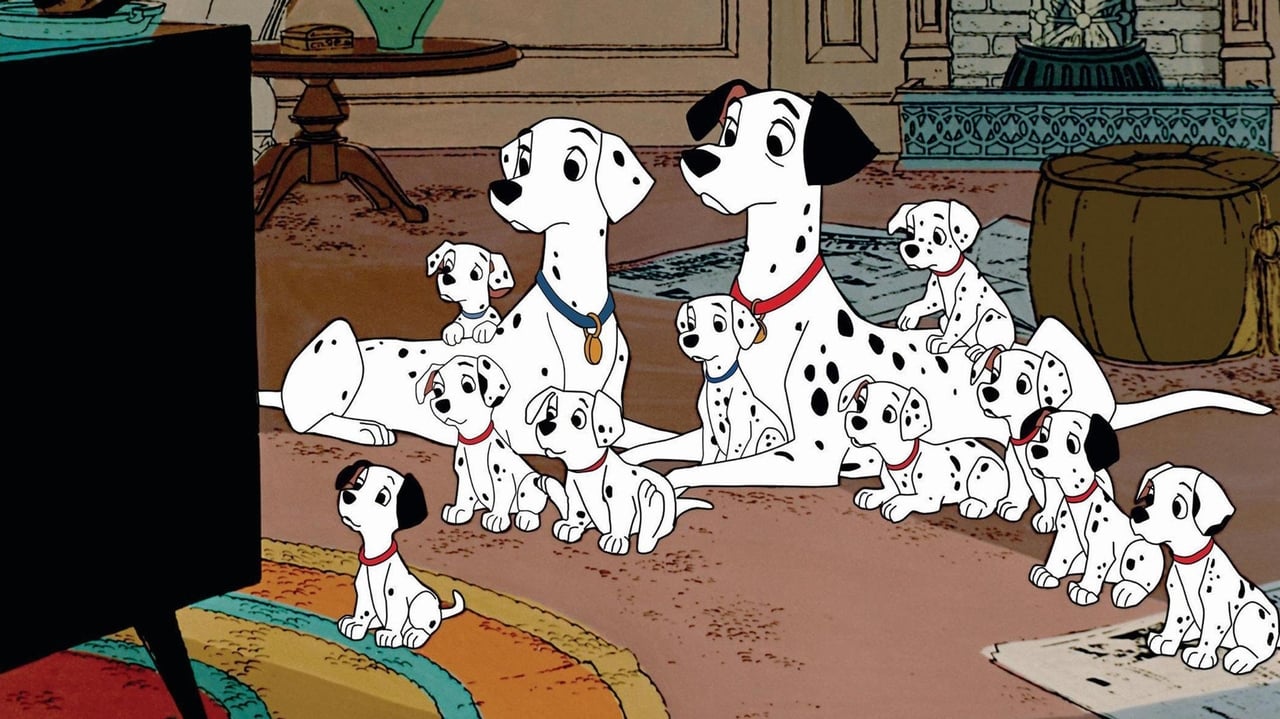
The "Twilight Bark" sequence is a genuine masterclass in building tension and scale. It starts with a single howl in a London park and ripples out across the countryside, moving from Great Danes in pet shops to bloodhounds on farms. It makes the world feel massive. When Pongo and Perdita finally leave the safety of their home to trek through the freezing snow of Suffolk, you feel the stakes. This isn't just a "cute dog movie"; it’s a survival story. The use of matte paintings for the snowy landscapes creates a sense of desolation that makes the eventual reunion in the barn feel earned and warm.
The climax is a frantic, soot-covered car chase that feels more like a 70s action flick than a 60s cartoon. The practical "physics" of the animation—the way the dogs disguise themselves in soot to look like Labradors—is a clever bit of writing that rewards the audience for paying attention to the environment.
The Blockbuster Legacy
One Hundred and One Dalmatians wasn't just a hit; it was a cultural phenomenon that saved the animation department from the chopping block. With a relatively lean budget of $3.6 million, it raked in over $14 million in its initial run and eventually climbed to a staggering $303 million lifetime box office. That’s "Star Wars money" when adjusted for the era.
Beyond the numbers, the film’s cultural footprint is massive. It sparked a literal Dalmatian craze in the 60s (and again in the 90s with the live-action remake), which unfortunately led to a surge in demand for the breed that shelters are still talking about today. On a technical level, the film required over 6.4 million hand-painted spots across its runtime—if you ever wonder why the animation looks so lively, it’s because those spots are constantly shifting and "breathing" on the characters' bodies. It also broke the Disney tradition of fairy-tale settings; by placing the story in contemporary London, it paved the way for more modern-feeling hits like The Rescuers.
Ultimately, One Hundred and One Dalmatians is the perfect 5-minute-test movie. If you start watching it while waiting for a bus, you’re going to miss that bus. It’s snappy, visually distinct, and features a villain who remains the gold standard for "love to hate." It marks the moment Disney got its groove back by embracing a messy, modern aesthetic that still feels fresh over sixty years later. If you haven't seen it since you were a kid, go back and look at the lines—you’ll realize it’s a lot more sophisticated than you remembered.
Keep Exploring...
-
The Aristocats
1970
-
The Jungle Book
1967
-

Lady and the Tramp
1955
-
101 Dalmatians II: Patch's London Adventure
2003
-
The Rescuers
1977
-

Bedknobs and Broomsticks
1971
-

An American Tail
1986
-
The Sword in the Stone
1963
-
Robin Hood
1973
-
The Many Adventures of Winnie the Pooh
1977
-
Asterix and Cleopatra
1968
-
The Twelve Tasks of Asterix
1976
-
How the Grinch Stole Christmas!
1966
-
Oliver & Company
1988
-
Honey, I Shrunk the Kids
1989
-
Toy Story
1995
-

A Bug's Life
1998
-
Shrek
2001
-

Ice Age
2002
-
Shrek 2
2004