West Side Story
"Ten blocks. Two gangs. One final curtain."
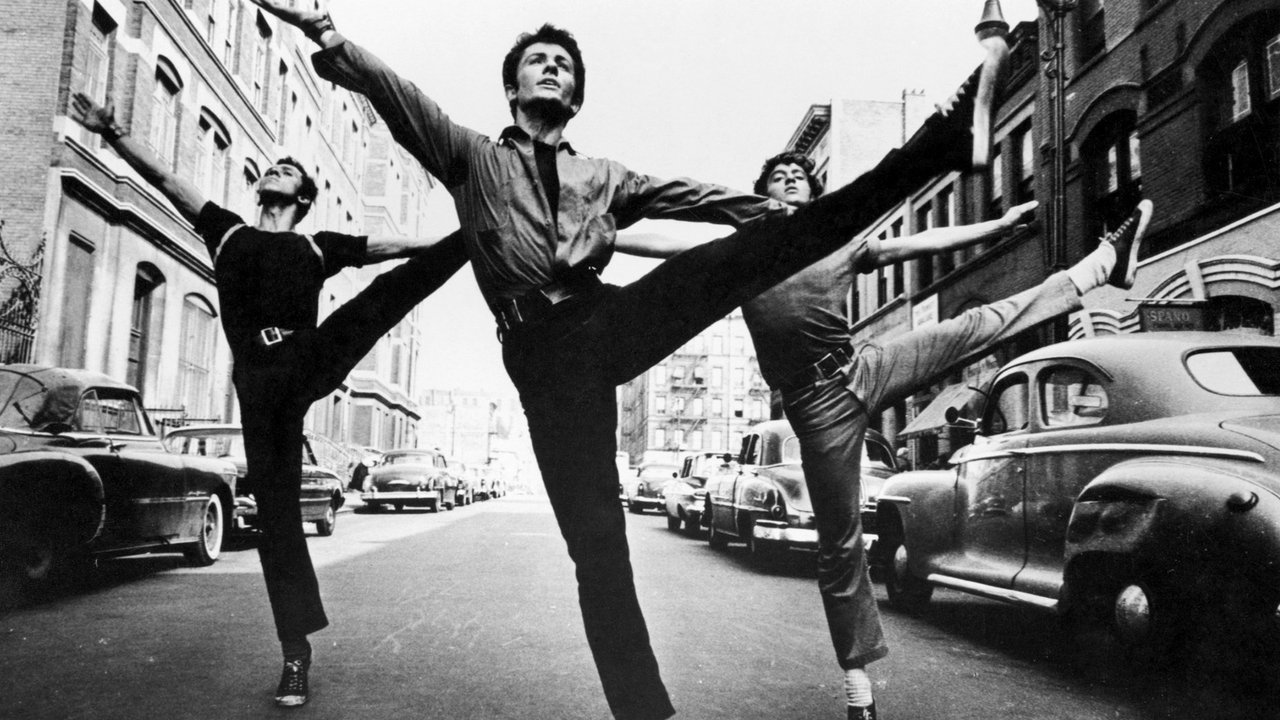
The movie starts not with a song, but with a threat. That iconic, rhythmic finger-snapping echoing through the concrete canyons of New York City isn’t just a catchy beat; it’s a countdown. I remember watching this once on a tiny 13-inch CRT TV with a vertical jitter that made George Chakiris look like he was vibrating with even more kinetic energy than he already possessed, and even through that grainy 1980s broadcast, the tension was suffocating. West Side Story is often remembered as a vibrant explosion of Technicolor and Leonard Bernstein’s soaring melodies, but rewatching it now, what strikes me most is how much it bleeds. It’s a crime drama that just happens to express its jagged, adolescent rage through the most demanding choreography ever put to film.
A City of Red Dust and Blue Steel
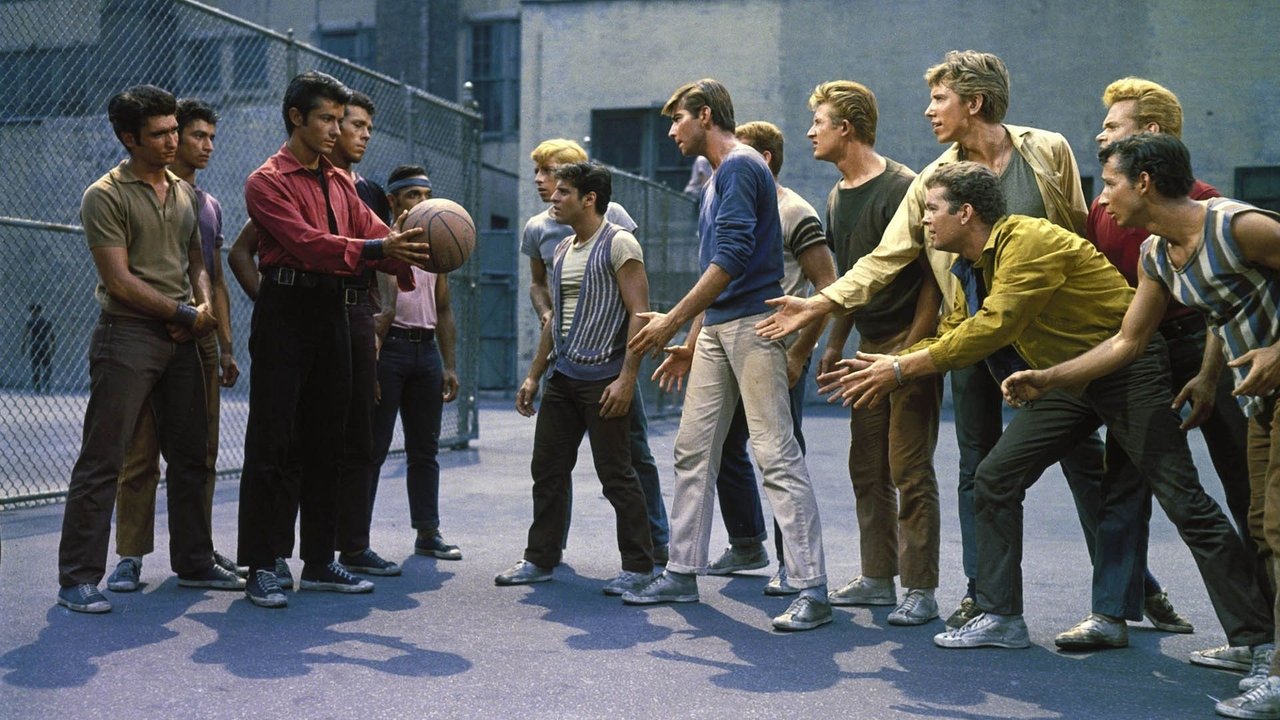
While the 1950s were filled with stage-bound, sugary musicals, directors Robert Wise and Jerome Robbins decided to drag the genre into the dirt. The opening sequence, shot on the actual streets of Manhattan before they were demolished to make way for the Lincoln Center, feels like a documentary invaded by a ballet. There’s a grit here that foreshadows the New Hollywood movement of the late 60s. You can almost smell the hot asphalt and the trash.
The color palette is used like a weapon. The Jets are coded in "cool" blues and yellows, looking like a fading bruise on the city, while the Sharks are draped in aggressive, passionate reds and purples. It’s a visual shorthand for a territory war that feels disturbingly modern. When Russ Tamblyn (as Riff) leads his boys through those basketball courts, there’s a genuine sense of entitlement and fear in their eyes. They aren’t just "delinquents"; they’re kids who realize the world is shrinking around them. The Jets are essentially a clubhouse of losers who think they’re kings, and that’s a terrifyingly accurate depiction of tribalism.
The Fire and the Fury
If we’re being honest, and this is my Popcornizer hill to die on, Tony and Maria are the most boring people at the party. Richard Beymer and Natalie Wood are perfectly fine, and their voices (ghost-sung by Jimmy Bryant and Marni Nixon) are heavenly, but they are the soft center of a very hard movie. The real movie belongs to Rita Moreno and George Chakiris.
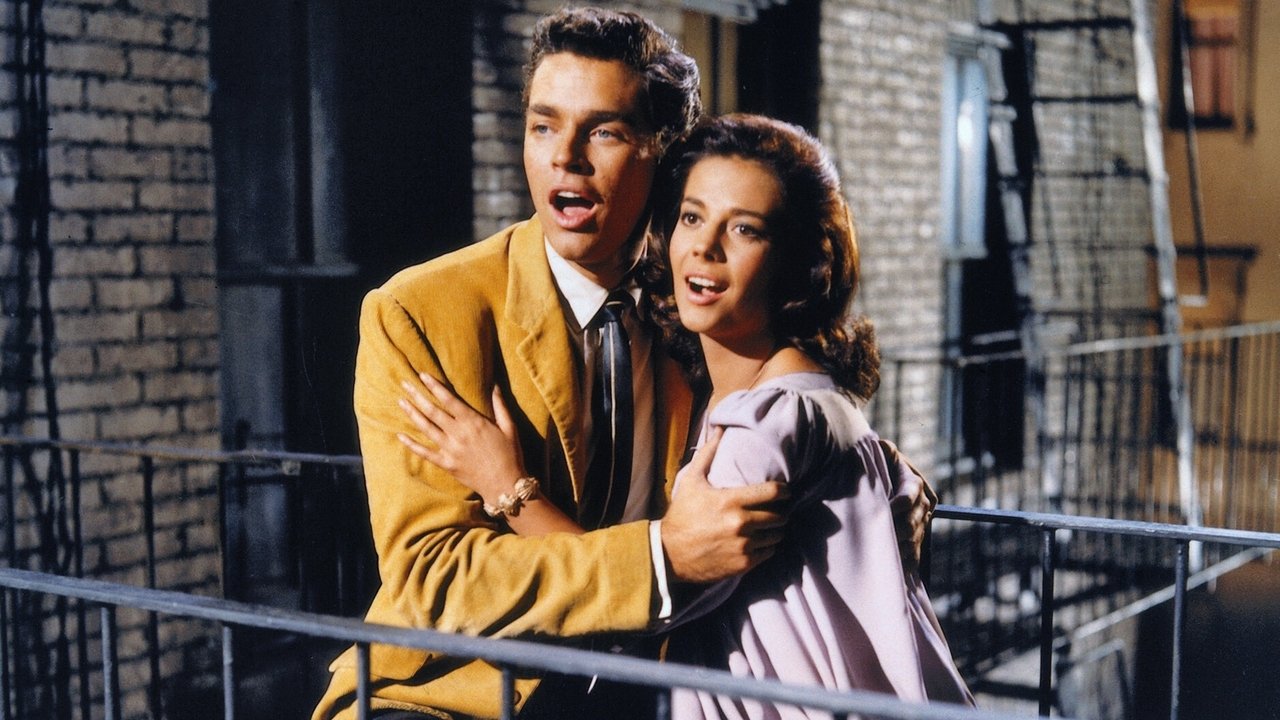
As Anita and Bernardo, they provide the film’s bone-deep soul. Moreno is a revelation—watch her during the "America" number. It’s a masterclass in holding two conflicting truths at once: the joy of opportunity and the sting of systemic racism. But it’s the later, darker scenes where she truly earns that Oscar. The scene where Anita is harassed by the Jets at Doc’s drugstore is one of the most uncomfortable, intense sequences in musical history. It’s a sequence that doesn't just suggest sexual violence; it confronts the audience with the ugly reality of what these "all-American" boys are capable of when fueled by hate. Reportedly, the scene was so harrowing to film that Moreno broke down in tears, reminded of childhood traumas, and the cast had to stop to comfort her. You can feel that raw, unsimulated exhaustion in the final cut.
The Geometry of a Funeral
The transition from the "Rumble" to the finale is where the "Dark/Intense" modifier really earns its keep. The death of Riff and Bernardo isn’t stylized with a wink; it’s clumsy, fast, and devastating. Jerome Robbins was famously fired during production because he was such a perfectionist that he was blowing the budget and the schedule, but his obsession paid off in the choreography of the fight. It doesn't look like a dance; it looks like a struggle for air.
By the time we get to the playground at the end, the vibrant colors have been sucked out of the frame. The playground is a cage. When Maria screams, "How many can I kill and still have one bullet left?" it isn't musical theater melodrama. It’s a hollowed-out cry of someone who has seen the "Great American Dream" turn into a pile of bodies. The film refuses to give you a traditional curtain call. There are no smiles, no bows—just the two gangs finally united by the heavy weight of a coffin.
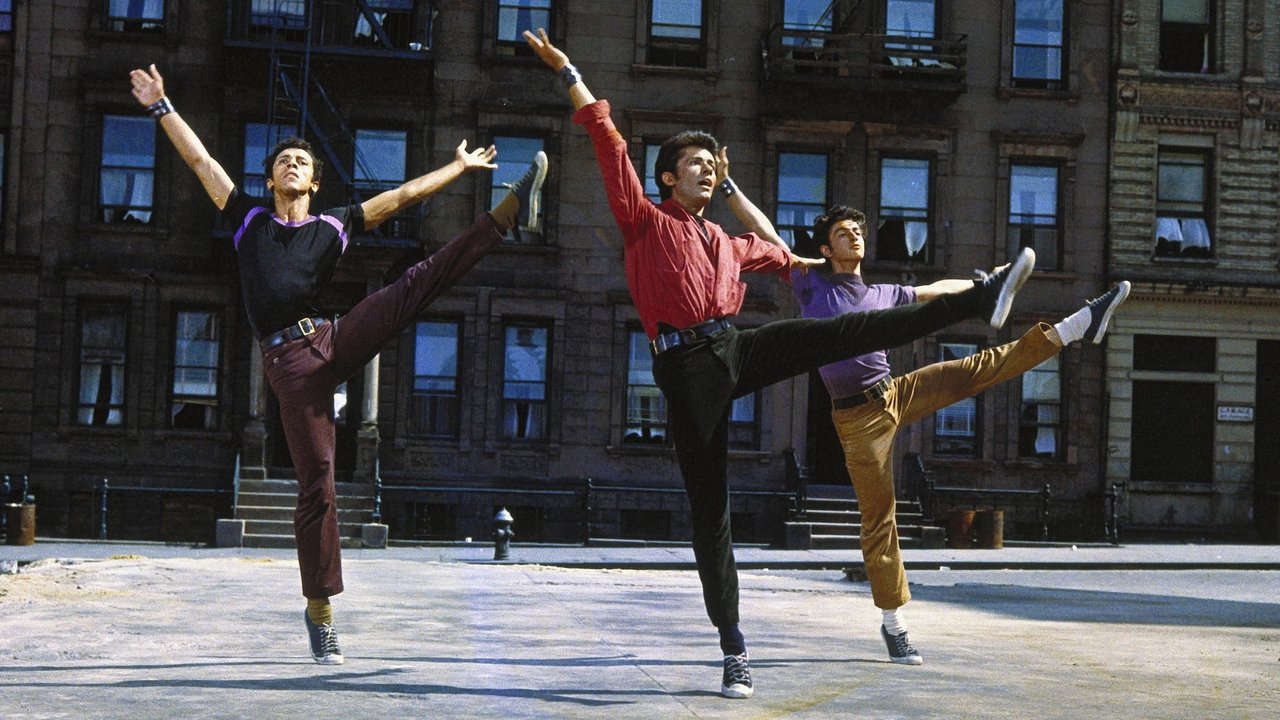
The practical craft here is peak Hollywood. From the matte paintings that extend the New York skyline to the way Daniel L. Fapp’s cinematography uses shadows to trap the characters, every frame is intentional. It’s a film that demands to be seen on the largest screen possible, yet it retains its intimate, crushing power even on a worn-out VHS tape.
West Side Story is a monumental achievement that manages to be both a sprawling epic and a claustrophobic tragedy. It’s the rare "classic" that hasn't lost its edge; if anything, the themes of urban decay and racial friction feel more pointed today than they did in 1961. It’s a beautiful, brutal reminder that hate usually finishes what love starts. When the screen finally fades to those stark, hand-drawn end credits by Saul Bass, you don’t feel like whistling the tunes—you feel like sitting in the dark and thinking about the cost of the turf.
Keep Exploring...
-

The Sound of Music
1965
-
Witness
1985
-
Pierrot le Fou
1965
-
Badlands
1974
-
Marathon Man
1976
-
Sophie's Choice
1982
-
The Outsiders
1983
-
Mississippi Burning
1988
-
Crimes and Misdemeanors
1989
-
Bonnie and Clyde
1967
-
Cool Hand Luke
1967
-

Magnum Force
1973
-
Blood Simple
1985
-
Batman: Mask of the Phantasm
1993
-
Doctor Zhivago
1965
-
Le Samouraï
1967
-
The Killer
1989
-
Beating Hearts
2024
-
The Longest Day
1962
-

The Hustler
1961