Dr. No
"The tuxedo was rented. The legend was permanent."
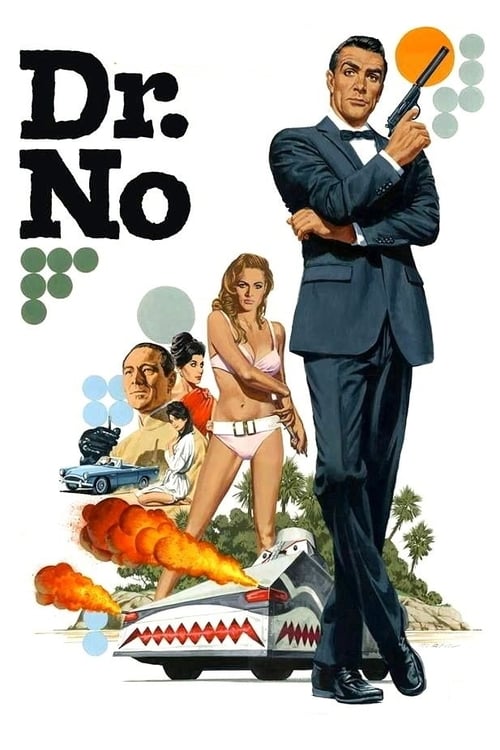
Forget the invisible cars, the orbital lasers, and the globetrotting marathons that require a degree in geography to follow. Before James Bond was a one-man military-industrial complex, he was just a guy in a well-tailored suit with a license to kill and a very modest expense account. I watched this most recent time on a flickering laptop screen while waiting for a plumber to fix a leak in my basement, and honestly, the dampness of my floor actually added a weirdly immersive Jamaican humidity to the whole thing. It reminded me that Dr. No isn't the polished gemstone the franchise eventually became; it’s a rough-cut diamond, scrappy and surprisingly lean.
The Million-Dollar Gamble
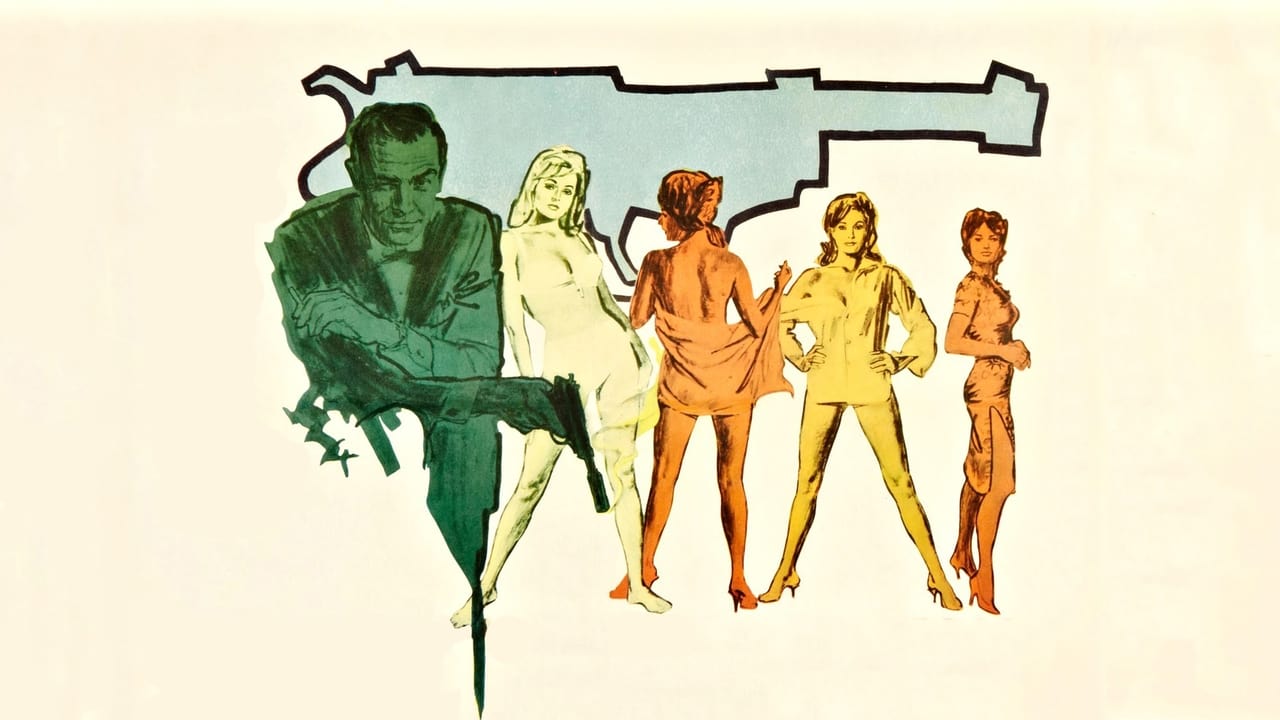
It’s hilarious to think of a Bond film as an "independent" or "low-budget" affair, but in 1962, United Artists handed Albert R. Broccoli and Harry Saltzman a measly $1,000,000 to bring Ian Fleming’s spy to life. For context, that wouldn’t even cover the martini budget on a modern Daniel Craig set. This financial ceiling forced director Terence Young to focus on style over spectacle. You can see the hustle in every frame. The sets, designed by the legendary Ken Adam (who wasn't in the provided credits but is the MVP of the "look"), were masterpieces of budget ingenuity. That iconic circular room where Joseph Wiseman’s Dr. No holds Bond captive? It looks like a billion-dollar lair, but it was mostly just clever lighting and cheap materials.
Because they couldn't afford massive explosions every ten minutes, the film relies on atmosphere. There’s a noir-ish grit to the Jamaican sequences that later films traded for high-gloss polish. When Sean Connery arrives on the island, he’s not just a superhero; he’s a detective. He’s checking his hotel room for bugs, hair-trapping his suitcases, and looking genuinely wary. Connery is a revelation here—smooth, yes, but with a physical threat that feels like a coiled spring. He wasn't the polished aristocrat yet; he was a former bodybuilder from Edinburgh playing a predator in a dinner jacket.
Practical Stunts and Tropical Terror
The action in Dr. No is refreshingly tactile. In an era before CGI, every punch had to look like it hurt, and every stunt carried a genuine whiff of danger. Take the legendary "spider in the bed" sequence. To film a tarantula crawling over Connery, the crew actually had to use a sheet of glass between the actor and the arachnid because, surprisingly, the future megastar wasn't keen on being bitten by a poisonous spider for a paycheck. Even with the glass, you can see the genuine tension.
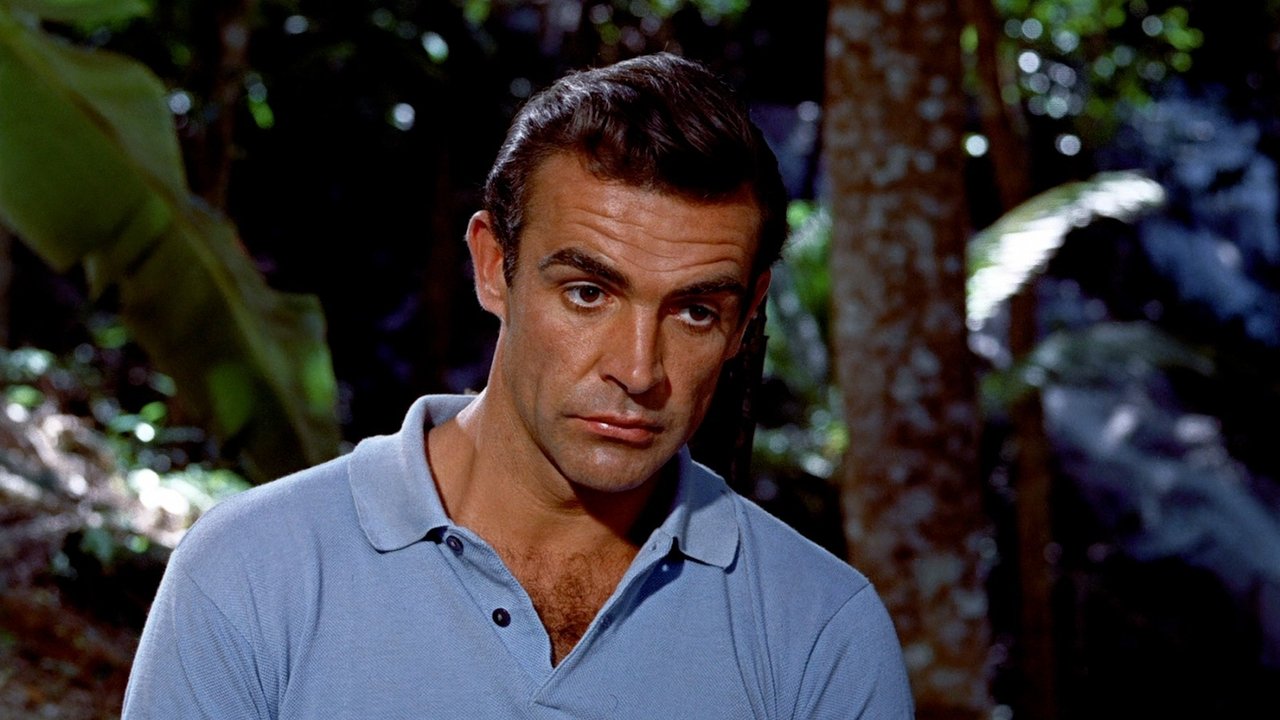
The climactic assault on Crab Key is where the "indie" creativity really shines. Without the budget for a full-scale military invasion, the production used a few dozen extras and some very loud sound effects to simulate a war zone. Then there’s the "Dragon Tank." Looking back, the ‘Dragon Tank’ is effectively just a very angry tractor with a flashlight, yet it’s terrifying because of the way it’s framed against the dark swamp. It’s a perfect example of how the 1960s filmmakers used shadows and sound design to hide their budgetary limitations, creating a sense of mythic dread out of hardware store supplies.
A Masterclass in Character Introduction
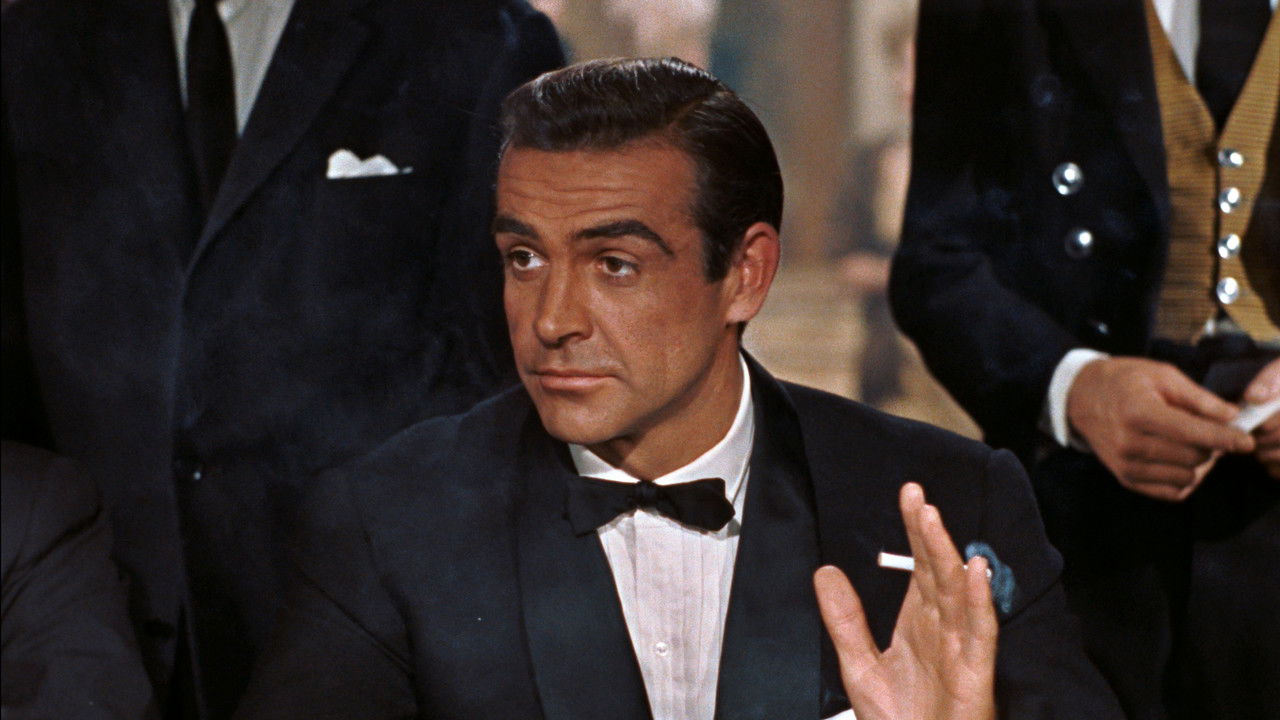
We have to talk about the entrance. Not the gun barrel—though that’s where the legend starts—but the reveal of Bond at the Baccarat table. Sean Connery lighting a cigarette and uttering "Bond... James Bond" is the most effective character introduction in cinema history. It’s pure charisma, unburdened by the baggage of twenty-four sequels.
Then there’s Ursula Andress as Honey Ryder. When she emerges from the Caribbean surf, it isn't just a bikini moment; it’s the birth of a trope. While the "Bond Girl" archetype has certainly evolved (and occasionally aged like milk), Andress brings a strange, feral innocence to the role that works because she feels like a person who actually lives on a beach, not a model dropped into a movie. Opposite them, Joseph Wiseman sets the template for every megalomaniac to follow. He’s cold, robotic, and has metal hands—it's ridiculous, but he plays it with such funereal gravity that you believe he really could knock a rocket out of the sky with a radio beam.
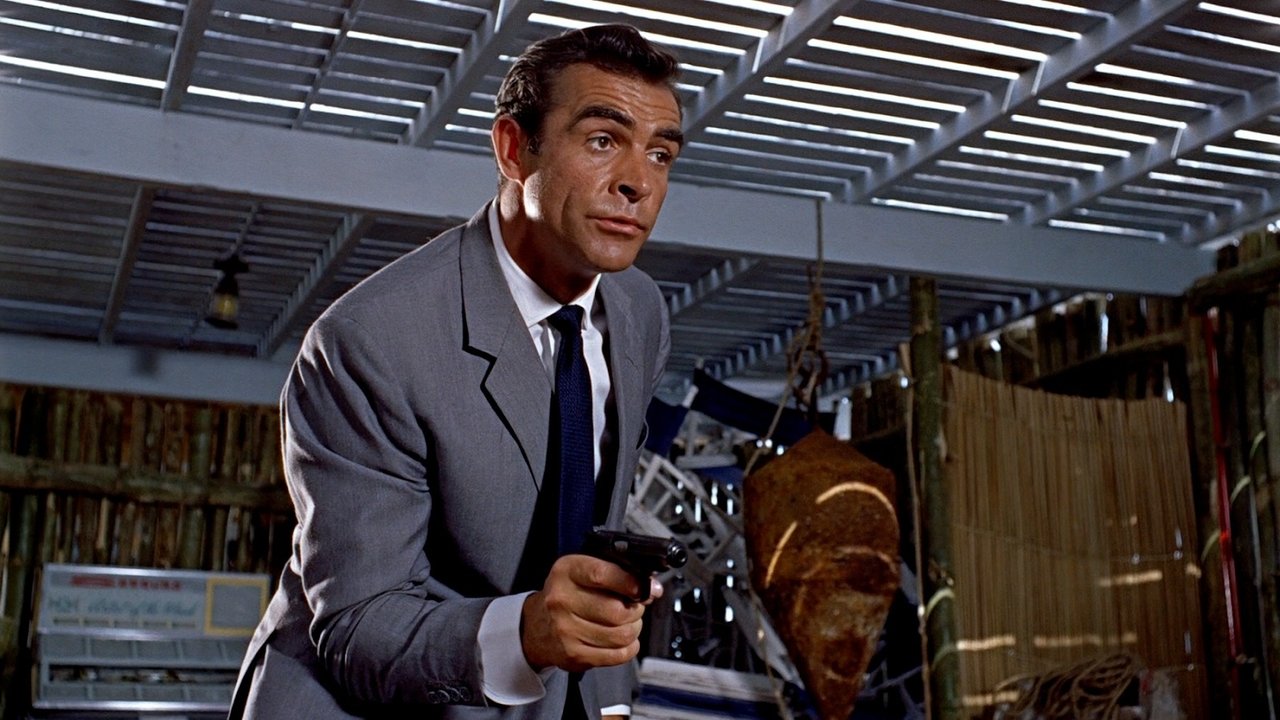
There is a certain "first-time" energy in Dr. No that is impossible to replicate. It lacks the gadgets of Goldfinger or the scale of You Only Live Twice, but it has more soul than almost any of its successors. You can feel the filmmakers figuring out the language of the franchise in real-time—the music, the pacing, the dry wit. Bond’s ‘detective work’ in this movie is basically just him being lucky and having a very high tolerance for radioactive steam, but it’s endlessly watchable because it feels like a genuine adventure rather than a choreographed product.
If you’ve only seen the modern, gritty Bond or the campy 80s iterations, going back to Dr. No is a trip. It’s a tight, 110-minute thriller that proves you don’t need a hundred million dollars to change cinema forever. You just need a guy who looks great in a suit, a catchy theme song by Monty Norman, and a director who knows how to make a $5 set look like the end of the world. Put on a record, pour something strong, and enjoy the moment the world first met the most extraordinary gentleman spy in fiction. It’s a hell of a ride.

Keep Exploring...
-
From Russia with Love
1963
-
Thunderball
1965
-

Goldfinger
1964
-
You Only Live Twice
1967
-
On Her Majesty's Secret Service
1969
-
The Spy Who Loved Me
1977
-
Octopussy
1983
-
Never Say Never Again
1983
-
The Man with the Golden Gun
1974
-
Live and Let Die
1973
-
Moonraker
1979
-
For Your Eyes Only
1981
-
A View to a Kill
1985
-
The Living Daylights
1987
-
Licence to Kill
1989
-
Diamonds Are Forever
1971
-
GoldenEye
1995
-
Tomorrow Never Dies
1997
-

The World Is Not Enough
1999
-
Casino Royale
2006