Jules and Jim
"A bicycle built for three, pedaling toward a cliff."
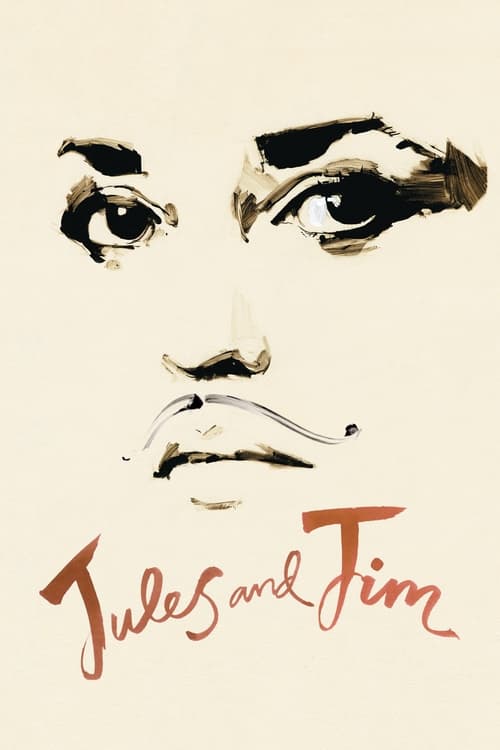
I first watched Jules and Jim in a cramped basement apartment while eating a piece of baguette that was so stale I’m pretty sure I chipped a molar. It didn't matter. From the moment the narrator started sprinting through the plot at a breakneck pace, I was hooked. Most movies from 1962 feel like they’re wearing a tuxedo and sitting upright; this one feels like it’s running through a sprinkler in its underwear.
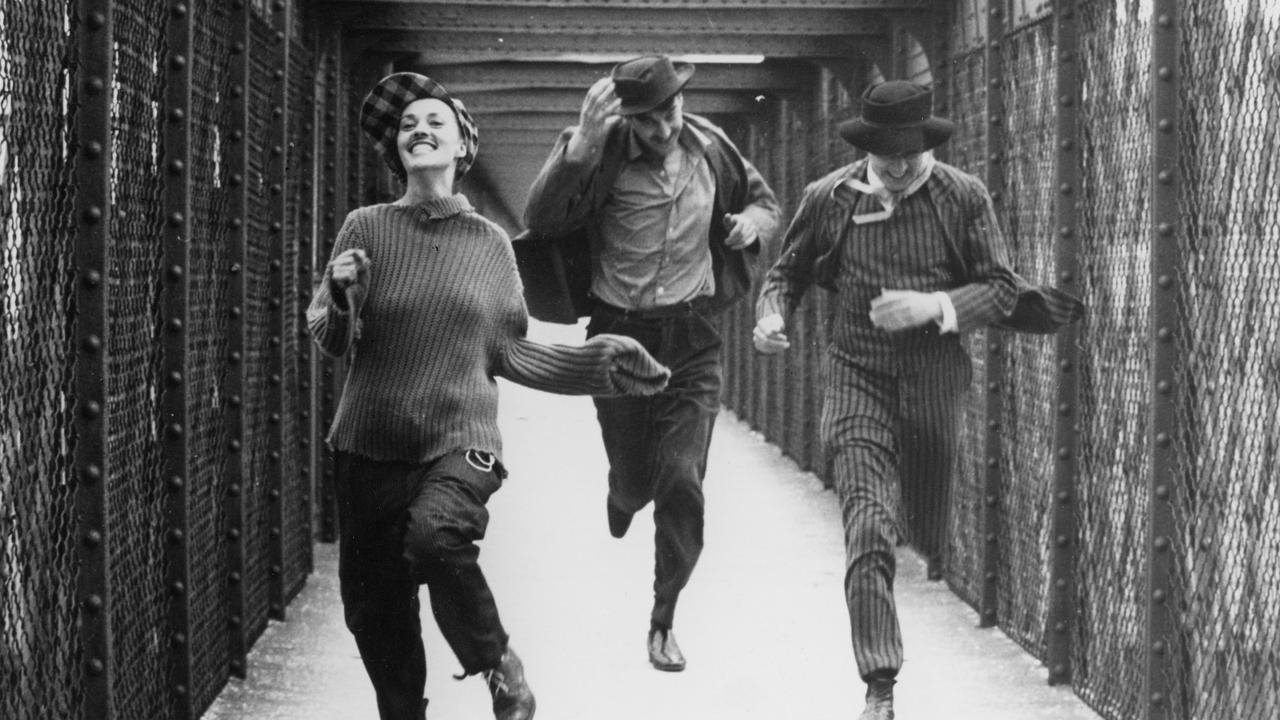
Directed by François Truffaut, the man who basically turned the "Director" into a rockstar, this isn't just a romance. It’s a blueprint for the kind of messy, intellectual, and deeply frustrating relationships that would define indie cinema for the next sixty years. If you’ve ever wondered where the "Manic Pixie Dream Girl" trope came from, look no further than Catherine. But unlike her modern descendants, she isn't here to help a sad boy find his spark—she’s here to set the whole forest on fire just to see the colors of the flames.
The Ghost of a Stone Smile
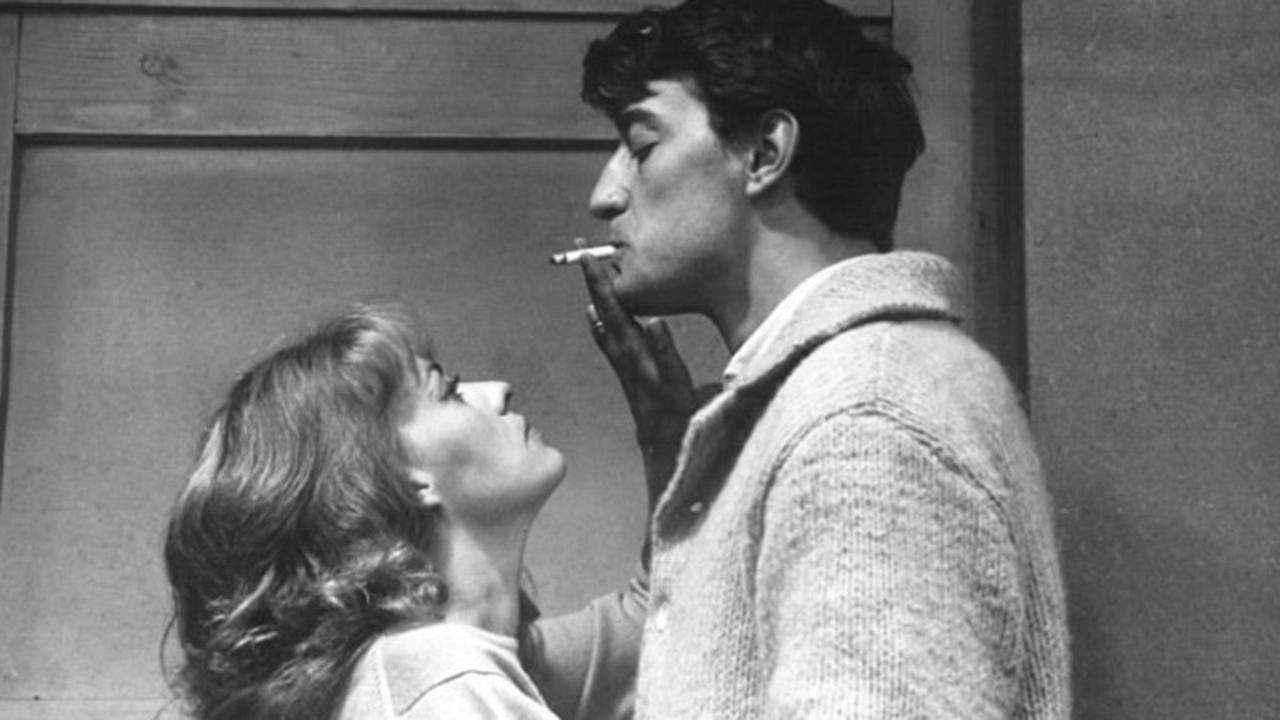
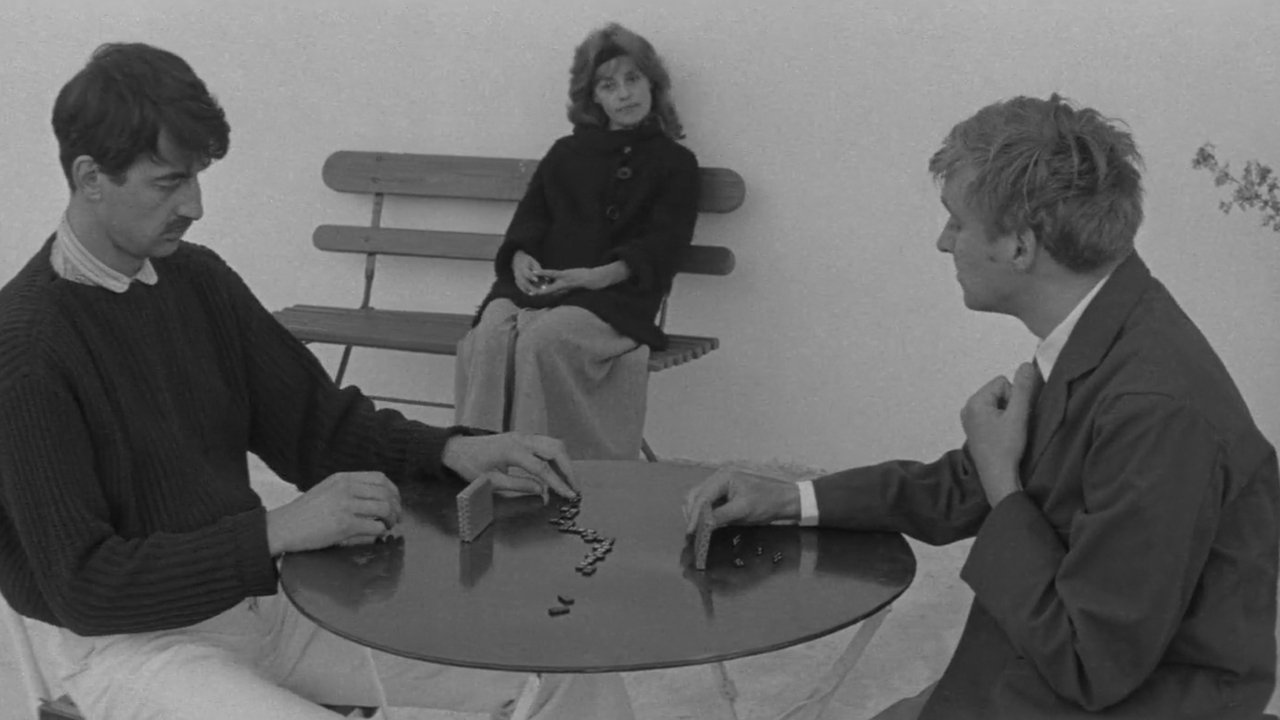
The story kicks off in pre-WWI Paris, where Jules (Oskar Werner), a shy Austrian, and Jim (Henri Serre), a tall, suave Frenchman, become inseparable. They share books, jokes, and a very specific obsession with a stone statue of a woman they saw on an island. Then, they meet Catherine (Jeanne Moreau), who looks exactly like that statue.
What follows is twenty years of "will they, won't they, should they, and why are they still doing this?" They ride bicycles, they race across bridges, and they try to navigate a love that refuses to fit into a square box. Jeanne Moreau is the gravitational center here. She manages to be both radiant and terrifying, often in the same frame. There’s a scene where she dresses as a man named "Thomas" just to go for a walk and smoke a cigar, and you realize she isn't just playing a character—she’s playing a force of nature that refuses to be bored.
Catherine is essentially the world’s most charming emotional terrorist, and you can’t take your eyes off her. She demands a total, impossible freedom that eventually turns the trio’s "hymn to life" into something much more somber.
Freedom in a Handheld Camera
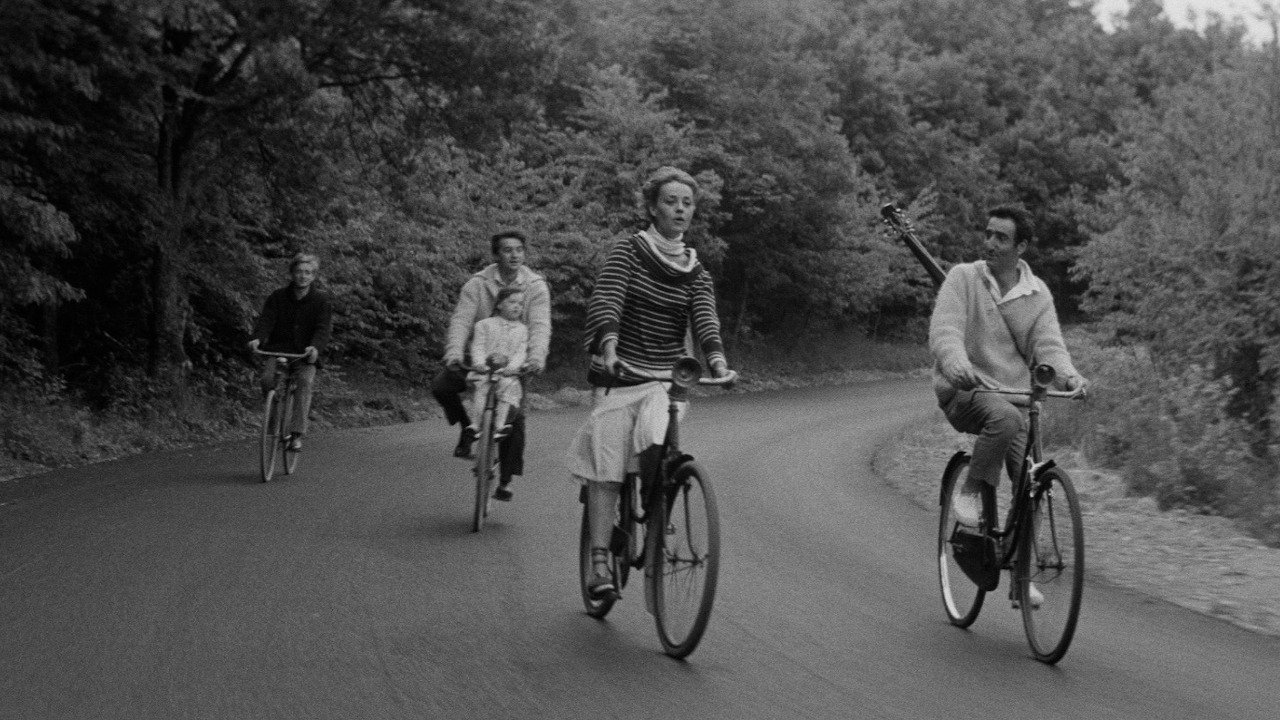
Watching this today, it’s hard to imagine how radical it felt at the time. François Truffaut was breaking every rule he could find. He used newsreel footage, freeze-frames, and handheld cameras that make you feel like you’re stalking the characters through the woods. The cinematography by Raoul Coutard—who also shot Breathless for Jean-Luc Godard—gives the film a grainy, immediate texture that feels incredibly modern.
The editing is famously restless. It jumps through time with a shrug, skipping years in a single cut. It mimics the way we remember our own lives: we don't remember the boring Tuesdays; we remember the way the light hit a face during a picnic or the sound of a specific song. Speaking of which, the score by Georges Delerue is an absolute all-timer. It’s whimsical and melancholic, perfectly capturing the feeling of a summer that stayed too long.
When this eventually hit the VHS market in the late 70s and 80s, it became the "standard-issue" rental for anyone trying to look sophisticated. It was the tape you’d leave prominently on top of your VCR to signal that you had depth. But beneath the "art film" label, it’s actually a very fast, very funny, and eventually very sad movie about how hard it is to actually stay friends when someone’s heart gets in the way.
The Impossible Threesome
As the film moves from the sunny 1910s into the shadow of the First World War and eventually the rise of Nazism (hinted at through book burnings), the "cerebral" side of the film starts to ache. It asks a heavy question: Can we ever truly belong to ourselves while we belong to someone else?
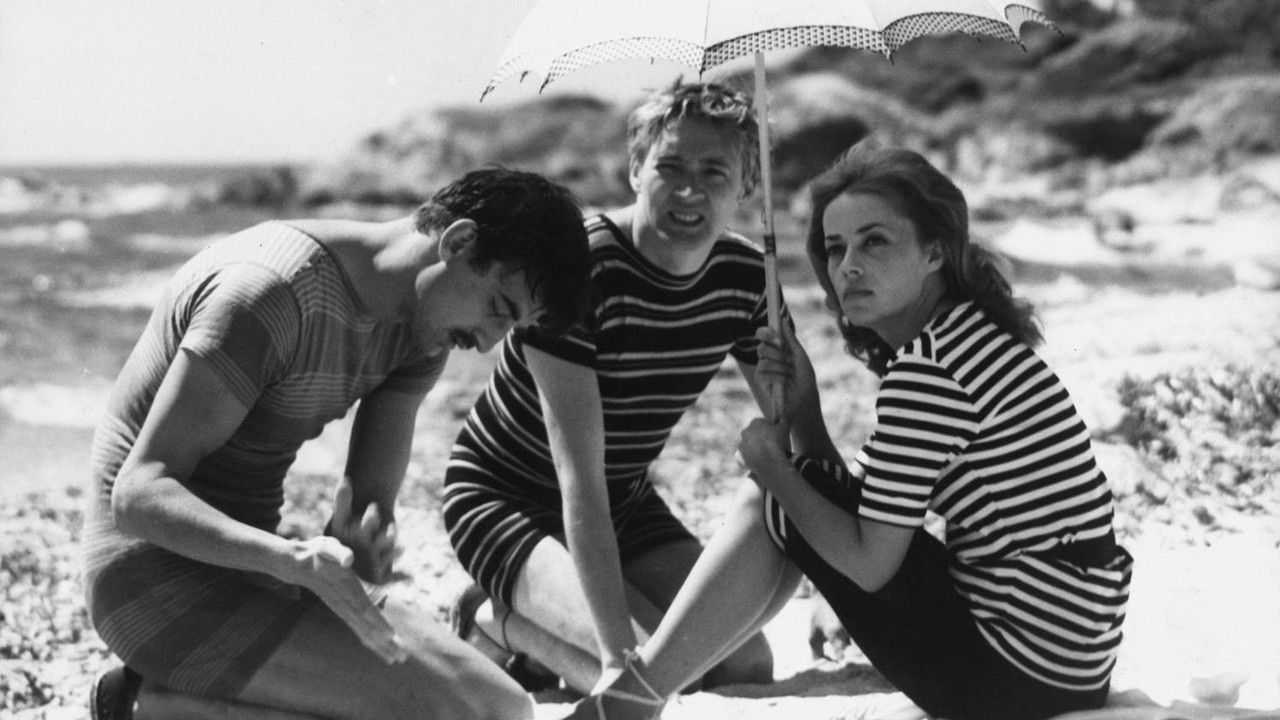
Jules is the "husband" figure—stable, forgiving, and ultimately tragic in his willingness to let Catherine be herself, even when it destroys him. Jim is the "lover"—the one who wants the thrill without the domesticity. They try to invent a new way of living, a three-person equilibrium where nobody gets hurt. But Truffaut is too honest of a filmmaker to let them get away with it. He shows that while "free love" sounds great in a Parisian café, the human ego is a much more jagged thing.
The ending—which I won’t spoil—is one of the most abrupt and jarring conclusions in cinema history. It doesn't give you a hug; it gives you a cold stare. It’s the perfect punctuation mark for a story that is as much about the end of an era as it is about the end of a romance.
Jules and Jim is a film that refuses to age. While some of its gender politics feel like a relic of a different time, the core of the movie—that desperate, frantic search for a life that feels authentic—is timeless. It’s a movie that moves with the rhythm of a heartbeat, sometimes skipping a beat, sometimes racing, but always feeling intensely alive. If you can handle a little bit of French subtitles and a lot of emotional complexity, it’s a ride worth taking. Just maybe skip the stale baguette while watching.
Keep Exploring...
-
La Jetée
1962
-

The Hustler
1961
-
Harold and Maude
1971
-
Fahrenheit 451
1966
-
Belle de Jour
1967
-
The Apartment
1960
-
Breakfast at Tiffany's
1961
-

The Sound of Music
1965
-
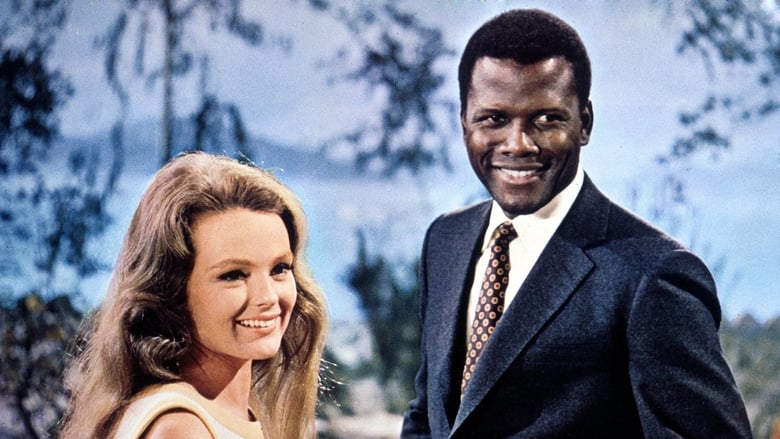
Guess Who's Coming to Dinner
1967
-
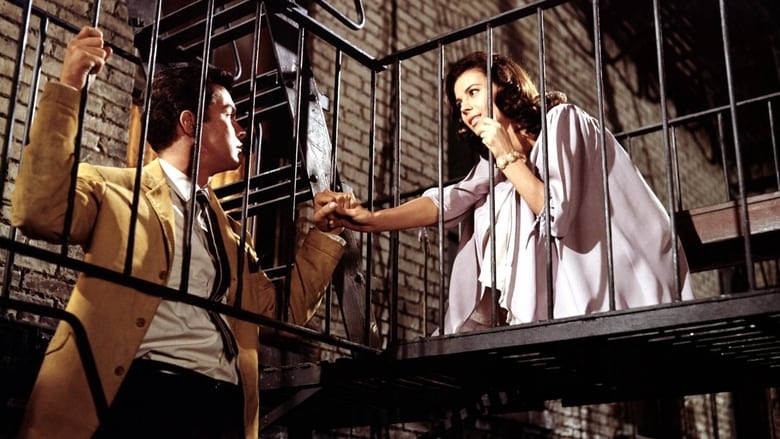
West Side Story
1961
-
Hiroshima Mon Amour
1959
-
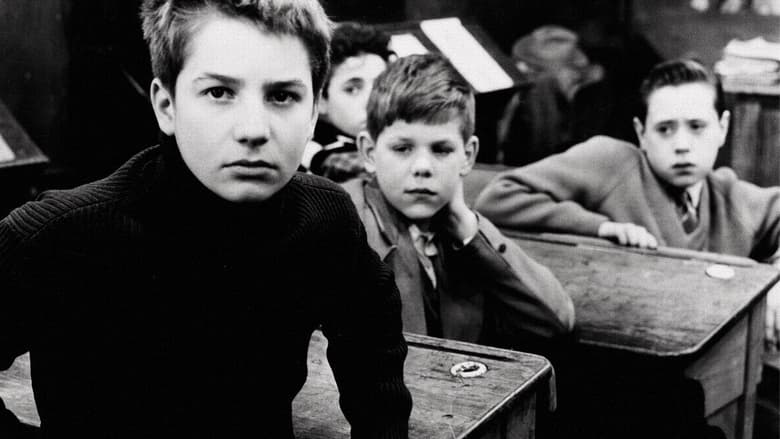
The 400 Blows
1959
-
La Dolce Vita
1960
-
Harakiri
1962
-
Charade
1963
-
The Leopard
1963
-
My Fair Lady
1964
-
Andrei Rublev
1966
-
Who's Afraid of Virginia Woolf?
1966
-
The Party
1980