La Jetée
"A ghost story told in frozen time."

Imagine a movie that refuses to move. In an era where cinema was sprinting toward the Technicolor bombast of the 1960s, Chris Marker decided to make a science fiction masterpiece using nothing but a Pentax camera and a series of still black-and-white photographs. It sounds like a recipe for a very high-brow nap, but La Jetée is actually one of the most heart-wrenching, anxiety-inducing half-hours ever committed to celluloid.

I first watched this on a flickering laptop screen in a crowded airport terminal while eating a bag of slightly stale pretzels, and I’m convinced the environment actually helped. There is something about the frantic, "stop-and-start" energy of the film that mirrors the way our own brains try to hold onto a dying memory. It’s a 29-minute "photo-roman" (photo-novel) that manages to say more about the human condition than most three-hour epics released during the New Hollywood boom.
The Architecture of a Memory
The story kicks off in a post-apocalyptic Paris, or what’s left of it. Following World War III, humanity has retreated into the radioactive bowels of the Palais de Chaillot. The survivors are desperate, experimenting with time travel to scavenge resources from the past or the future. Our unnamed protagonist, played with a haunting, wide-eyed intensity by Davos Hanich, is chosen because he is "obsessed with an image of his past"—a specific moment on the pier (the jetée) at Orly Airport involving a beautiful woman and a man falling to his death.
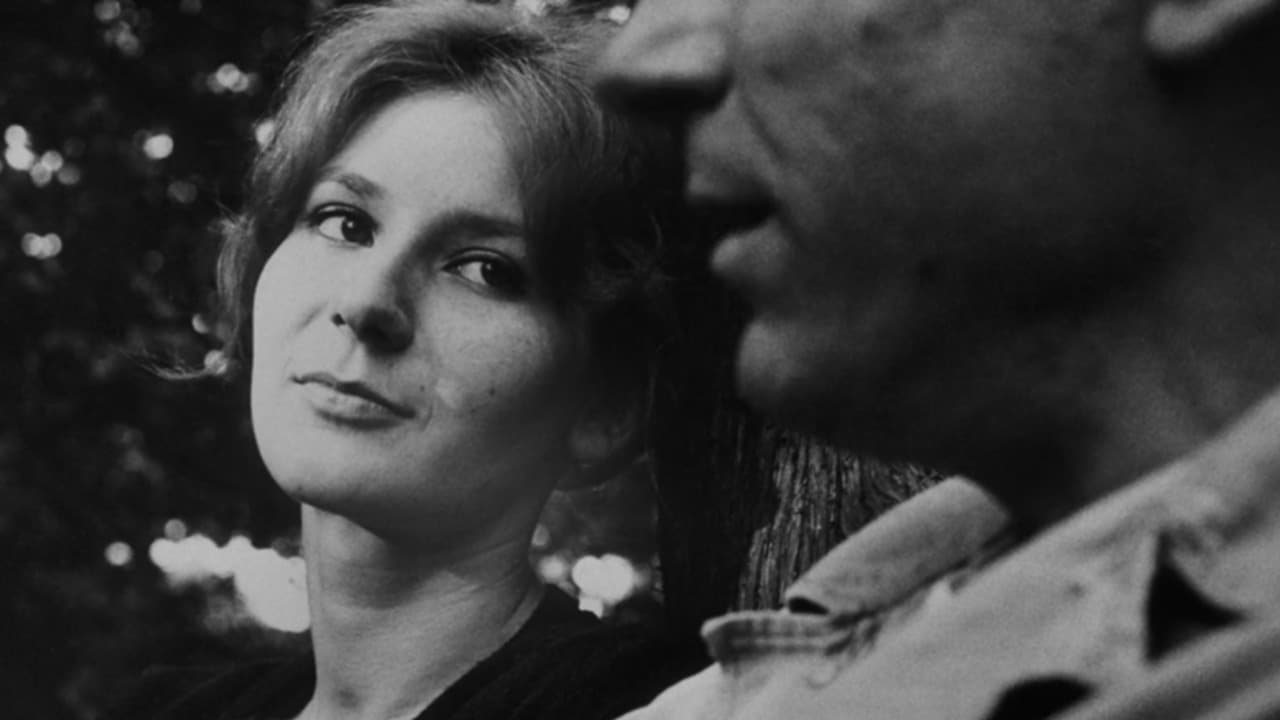
The "experimenters" aren't using DeLorean's or blue police boxes here; they’re using the mind. They strap Davos Hanich to a hammock, cover his eyes with a weird, padded mask, and try to kickstart his consciousness into the past. It’s essentially a PowerPoint presentation that will ruin your life, and yet, it’s strangely romantic. When he finally reaches the pre-war past, he finds the woman from his memory (Hélène Chatelain). Their "dates" are a series of static images—walking through a park, looking at the trunk of a fallen tree—while the narrator, Jean Négroni, provides a detached, god-like commentary that makes the whole thing feel like a recovered police file from the end of the world.
The Blink Heard 'Round the World

Because the film is made of still frames, you become hyper-aware of every detail. You notice the dust on the statues, the grain of the film, and the way Hélène Chatelain looks at the camera with a mix of curiosity and sadness. Then, about two-thirds of the way through, Chris Marker does something that honestly feels like a jump scare, even though it’s the gentlest thing in the world.
The woman is lying in bed, waking up. The film cuts through several stills of her eyes opening, and then—for just a few seconds—she blinks. The images become a motion picture. It’s a breathtaking moment that reminds you why we go to the movies in the first place. By withholding movement for twenty minutes, Marker makes a simple blink feel like a cosmic event. It’s the ultimate cinematic flex.
This technique wasn't just some artsy-fartsy whim. Marker was working on a shoestring budget, and the decision to use stills was as much about logistics as it was about philosophy. It captures the "stuttering" nature of time travel and the way memories are never a smooth video in our heads; they are jagged, frozen snapshots of moments we can’t quite reach.
Why It Vanished (And Why It Came Back)
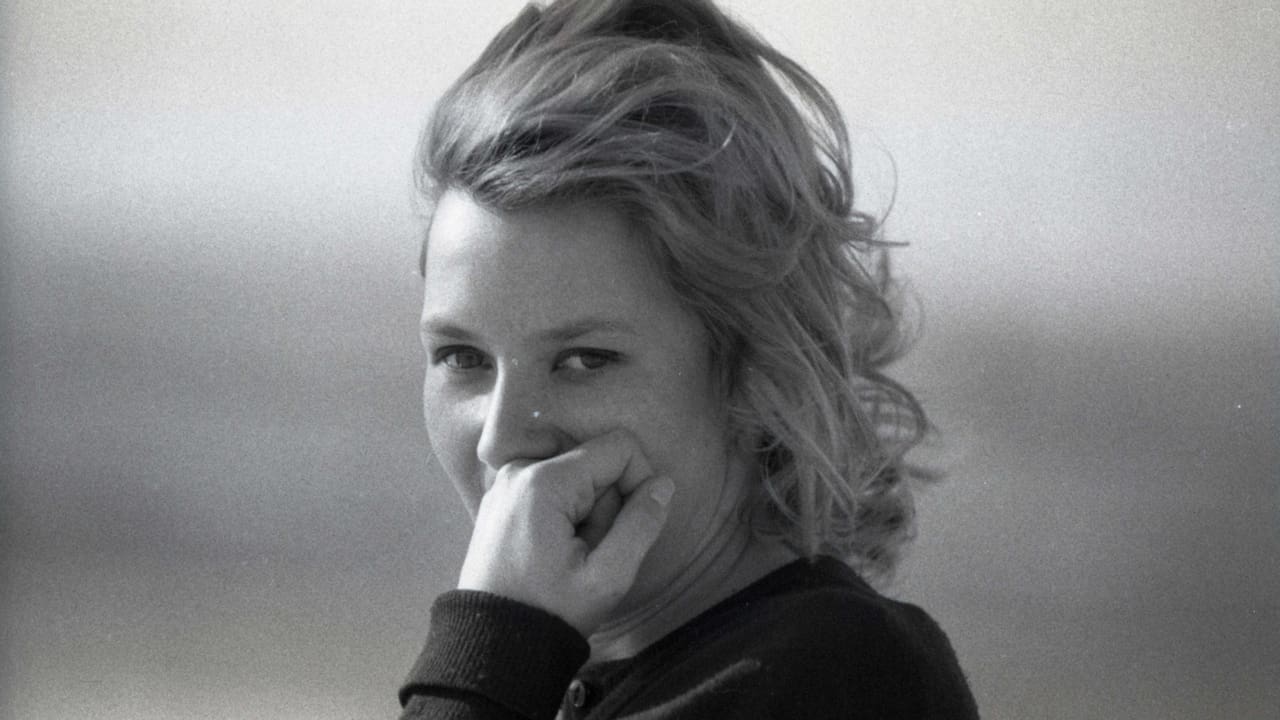
Despite being a pillar of the French New Wave, La Jetée is the definition of an obscure treasure. Its 29-minute runtime made it a nightmare for traditional theaters—too long for a short, too short for a feature. It largely existed in the "midnight movie" circuit and film school basements until the home video revolution.
In the late 70s and 80s, as VHS culture took over, La Jetée became a "tape-trader" holy grail. It was the kind of thing you’d find on a grainy, multi-generation dub labeled "EXPERIMENTAL" in Sharpie. It eventually gained a massive second life when Terry Gilliam took the core premise and turned it into the 1995 blockbuster 12 Monkeys. While Gilliam’s film is great, it’s like a loud rock cover of a quiet, mournful cello solo.
The score by Trevor Duncan is also worth mentioning. It’s heavy on the choral arrangements and brooding strings, creating an atmosphere that feels less like "Space Age" sci-fi and more like a funeral for the 20th century. It’s the perfect accompaniment for a film that argues the past is a trap you can never truly escape.
This is the kind of film that sticks to your ribs. It’s short enough that you can watch it twice in a row, which you probably will, just to see if you missed the exact moment the tragedy becomes inevitable. It’s a reminder that you don’t need CGI or $200 million to build a world; you just need a camera, a compelling face, and a deep understanding of how it feels to lose something you haven't even found yet. If you can find a copy—or catch it on a streaming service like Criterion—drop everything and give it 30 minutes. Your brain will thank you, even if your heart hurts a little afterward.

Keep Exploring...
-
Jules and Jim
1962
-

The Hustler
1961
-
Starman
1984
-
Harold and Maude
1971
-

Solaris
1972
-
Belle de Jour
1967
-
The Apartment
1960
-
Breakfast at Tiffany's
1961
-

The Sound of Music
1965
-
Guess Who's Coming to Dinner
1967
-
West Side Story
1961
-
Hiroshima Mon Amour
1959
-
La Dolce Vita
1960
-
Harakiri
1962
-
Charade
1963
-
The Leopard
1963
-
My Fair Lady
1964
-
Andrei Rublev
1966
-
Who's Afraid of Virginia Woolf?
1966
-

The Big Blue
1988