Lawrence of Arabia
"A desert fire that burns the soul."
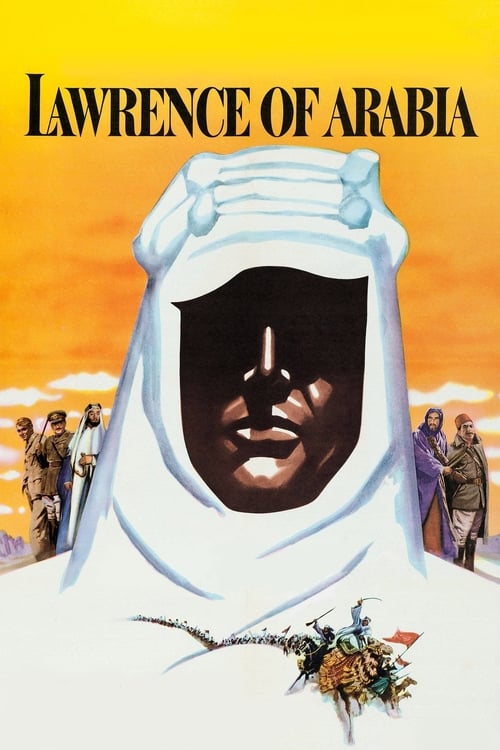
The screen is a deep, suffocating black until a single match flares to life. Peter O'Toole, playing T.E. Lawrence, stares at the flame with a terrifyingly calm intensity before blowing it out. In a cut that defines the very concept of "cinematic," we are instantly transported from a cramped, wood-paneled office to the blinding, infinite horizon of the Arabian desert. I watched this scene on a Tuesday morning while my neighbor was obsessively mowing his lawn, and the smell of fresh-cut grass felt like a bizarre sensory contradiction to the arid, dusty sunbeams pouring off the screen.

Directed by David Lean, who previously gave us the soaring The Bridge on the River Kwai, Lawrence of Arabia is often described as the last of the "Great Epics." But calling it an epic feels too safe, too polite. It’s a 228-minute psychological breakdown set against a landscape so vast it makes the human ego look like a grain of sand, yet Lawrence’s ego is somehow larger than the dunes.
The Mirage of the Hero
The film doesn't just show you the desert; it traps you in it. Freddie Young’s cinematography is legendary for a reason. He used Super Panavision 70 cameras to capture vistas that feel impossible. There’s a famous shot where Omar Sharif (in his incredible Hollywood debut as Sherif Ali) emerges from a shimmering mirage. On a modern 4K screen, it’s a miracle of clarity; on the grainy, pan-and-scan VHS tapes of the 1980s, he looked like a ghost materializing from a bowl of static.
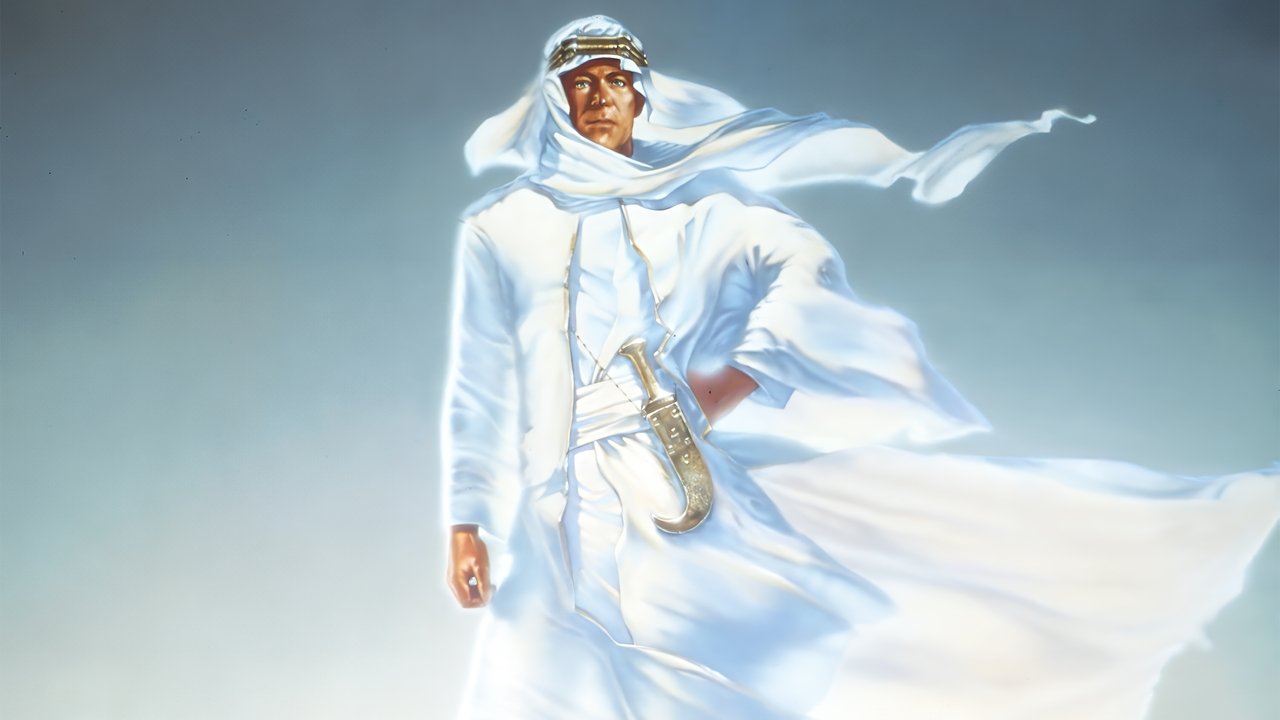
Peter O'Toole delivers what I consider the most complex "hero" performance in history. He’s ethereal, arrogant, masochistic, and deeply troubled. He doesn't just lead the Arab Revolt because he believes in the cause; he leads it because he wants to be a God. Watching him dance on top of a captured train, his white robes billowing like a vengeful spirit, is a moment of pure, terrifying charisma. Lawrence is essentially a high-budget character study of a man who realized too late that he was the villain of his own adventure.
By the time we get to the "No prisoners!" massacre later in the film, the "adventure" has curdled into something far darker. David Lean refuses to give us the easy satisfaction of a clean victory. Instead, we see the political machinery of the British Empire, represented by the cynical General Allenby (Jack Hawkins) and Mr. Dryden (Claude Rains), waiting to dismantle everything Lawrence fought for.
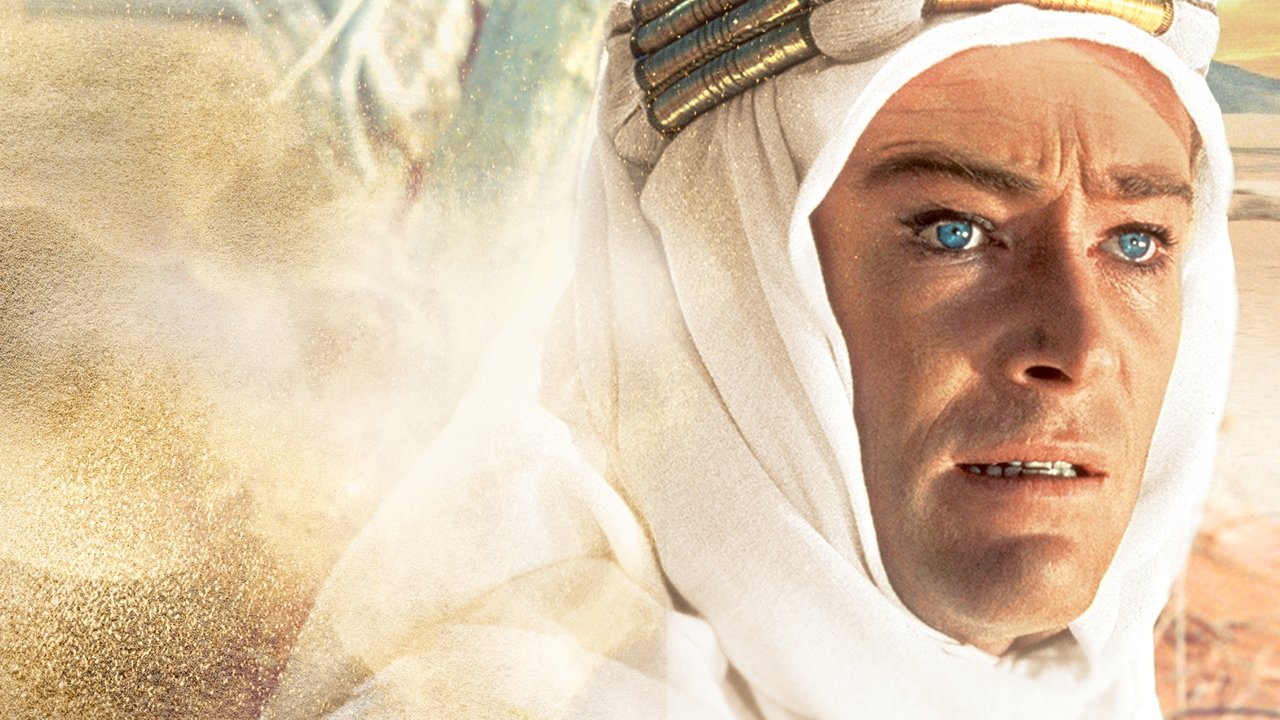
The Two-Tape Marathon
For those of us who grew up during the home video boom, Lawrence of Arabia was a formidable beast. It was one of those films that required a "Double VHS" set—two chunky black plastic cassettes housed in a cardboard slipcase that took up as much shelf space as a dictionary. It was a commitment. You had to physically get up and swap the tapes right after the intermission music, a ritual that gave you just enough time to realize your legs had gone numb.
However, the VHS era was also a tragedy for this film. David Lean’s compositions were designed for the widest screens imaginable. When the film was cropped to fit 4:3 television sets, you lost more than half the image. Characters would talk to people who weren't even on the screen. It wasn't until the massive 1989 theatrical restoration—spearheaded by Robert A. Harris and championed by Martin Scorsese and Steven Spielberg—that the world truly saw the film again. They fixed the fading color and even brought O'Toole and Alec Guinness back into the studio to re-record dialogue for scenes that had been cut decades earlier.
Sand, Sweat, and Sponge Rubber
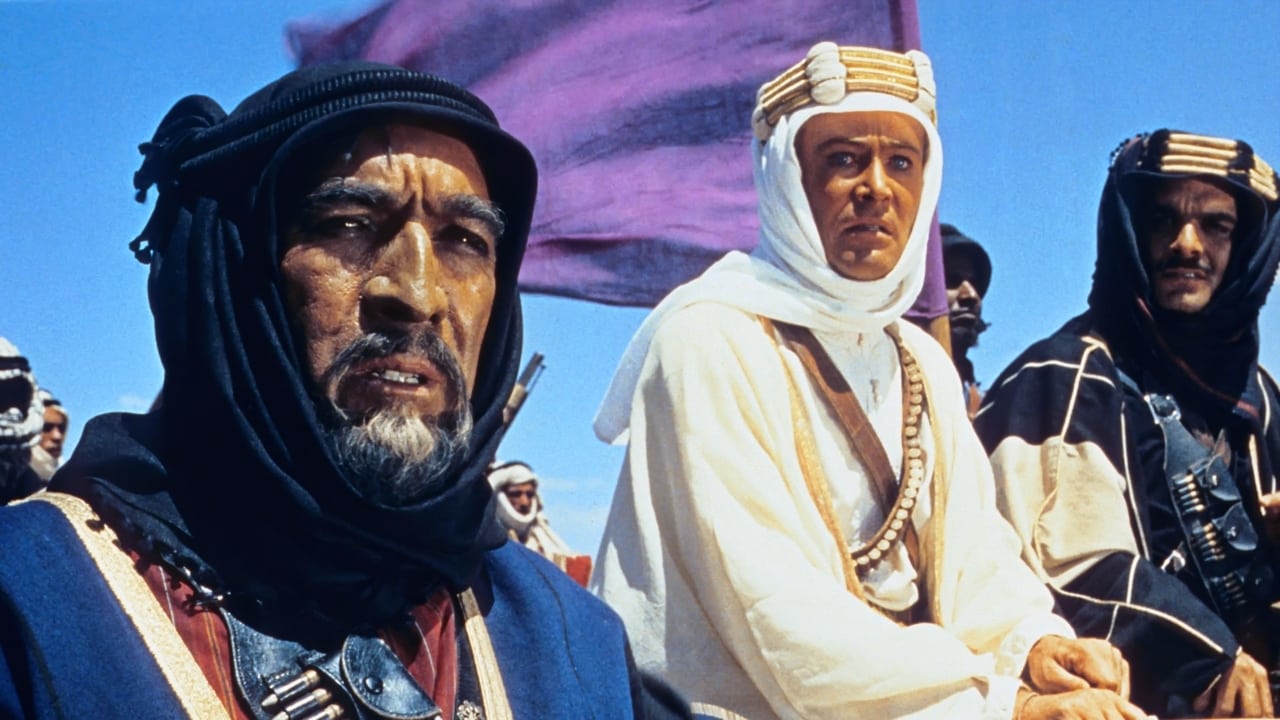
The production of this film is a collection of "they don't make 'em like this" stories that border on the insane. They spent months in the deserts of Jordan and Morocco, enduring 120-degree heat. Peter O'Toole famously hated riding camels because the friction was unbearable. His solution? He added a layer of sponge rubber to his saddle, a trick the local Bedouin eventually adopted because it was actually a brilliant idea.
Alec Guinness, playing Prince Feisal, had to endure hours of makeup to "look the part," a casting choice that definitely screams 1962, yet he plays the role with a weary, intellectual grace that anchors the film’s political third act. Meanwhile, Anthony Quinn as Auda abu Tayi is a force of nature. He’s loud, greedy, and honorable all at once, providing the perfect earthy contrast to Lawrence’s "man of destiny" posturing.
There are no women with speaking roles in this movie. Not one. It’s a film entirely about the friction between men—men and their gods, men and their nations, and men and their own crumbling identities. It’s a war movie where the most significant battles happen inside Lawrence’s head.
Lawrence of Arabia is the rare film that actually justifies its gargantuan runtime. It’s a visual feast that demands to be seen on the largest screen you own, but its true power lies in its refusal to be a simple hagiography. It presents T.E. Lawrence as a brilliant, fractured, and ultimately discarded tool of empire. It’s a haunting, beautiful, and deeply cynical masterpiece that reminds us that "nothing is written"—except, perhaps, the inevitable tragedy of trying to change the world.
Keep Exploring...
-
Doctor Zhivago
1965
-
The Bridge on the River Kwai
1957
-
Spartacus
1960
-
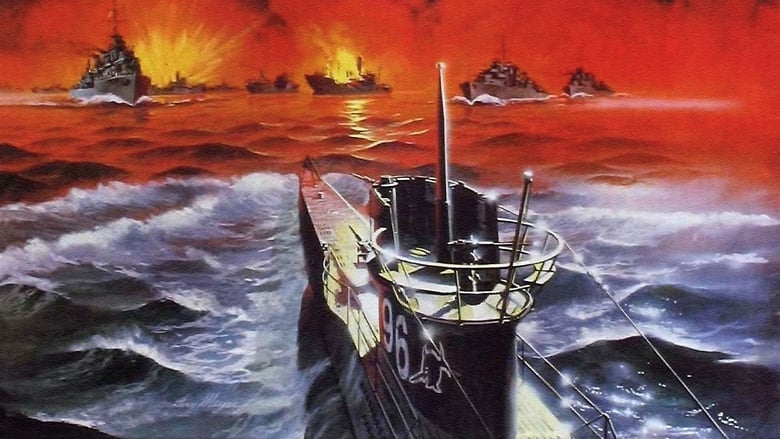
Das Boot
1981
-
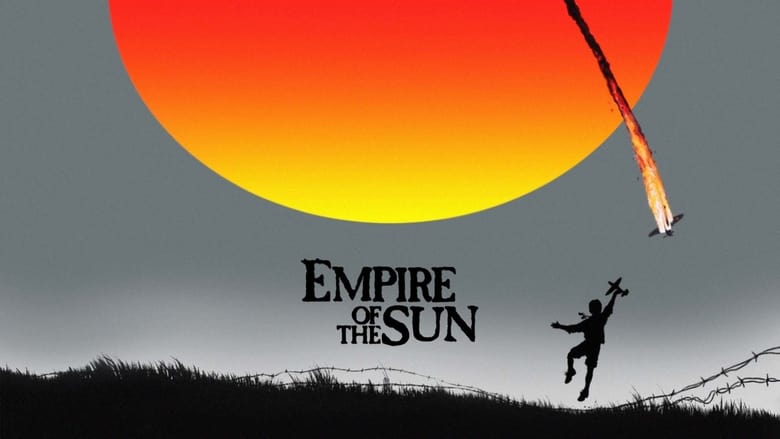
Empire of the Sun
1987
-
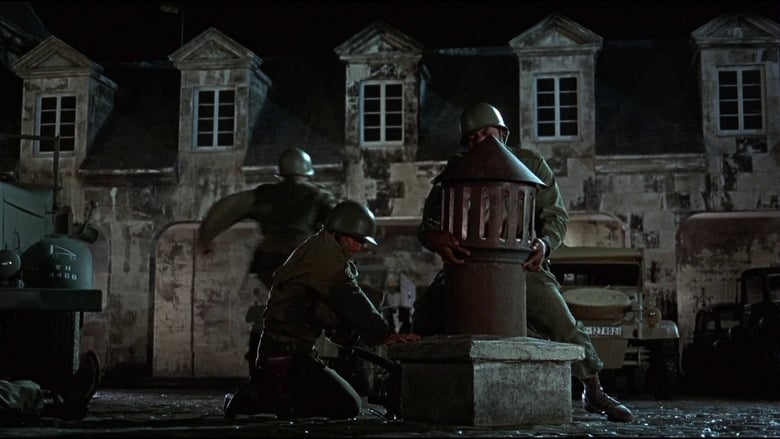
The Dirty Dozen
1967
-
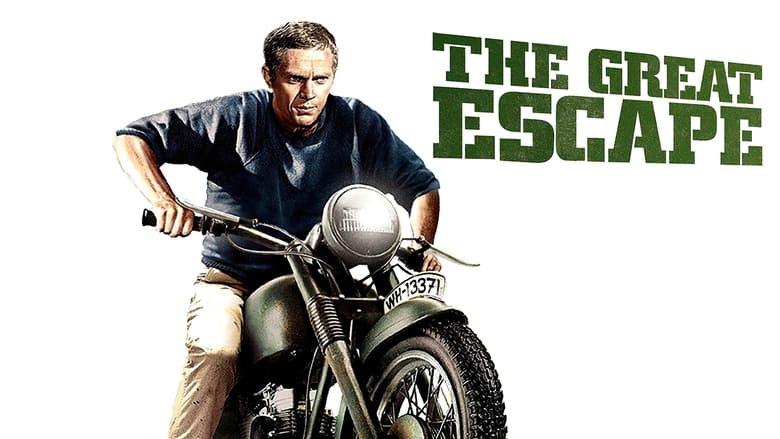
The Great Escape
1963
-
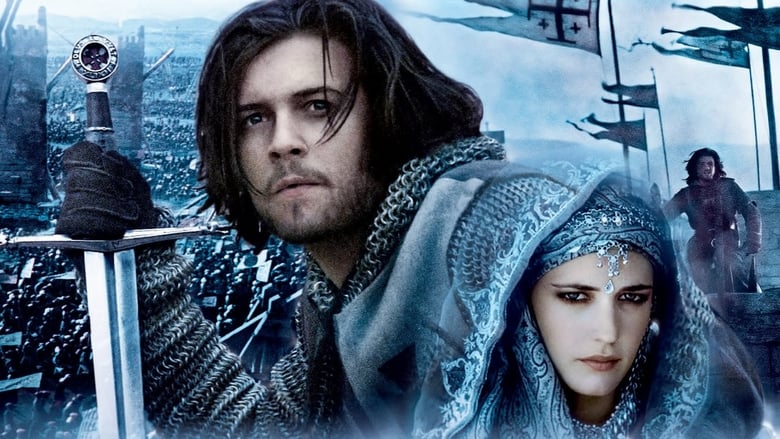
Kingdom of Heaven
2005
-

War Horse
2011
-

The Mission
1986
-
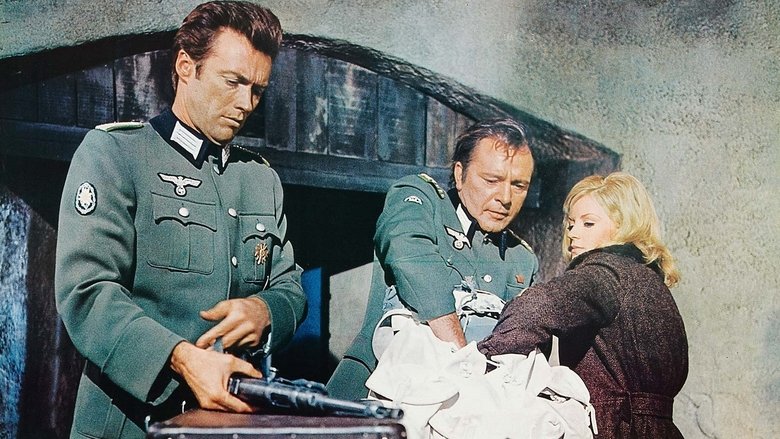
Where Eagles Dare
1968
-
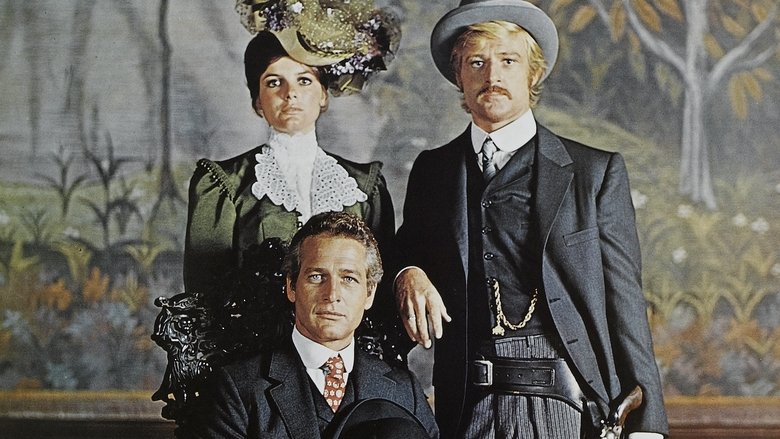
Butch Cassidy and the Sundance Kid
1969
-
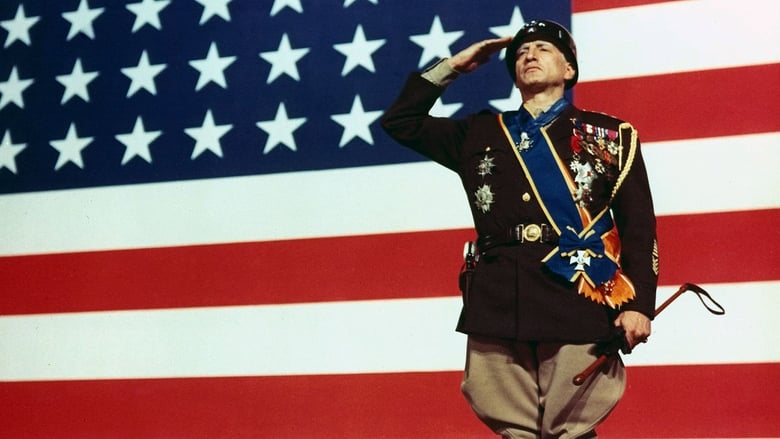
Patton
1970
-
Barry Lyndon
1975
-
A Bridge Too Far
1977
-
First Blood
1982
-
Casualties of War
1989
-
Glory
1989
-

Star Trek II: The Wrath of Khan
1982
-

Predator
1987