Lolita
"The comedy of a man who took a wrong turn."
How do you film the unfilmable? In 1962, the answer was apparently to hand the keys to a young Stanley Kubrick, move the entire production to England to dodge the moral guardians of the Production Code, and lean heavily into the absurdity of the situation. I watched this most recent time while nursing a cup of Earl Grey that I’d forgotten to steep, leaving me with a mug of lukewarm, faintly scented water that felt strangely appropriate for the damp, polite repression on screen.
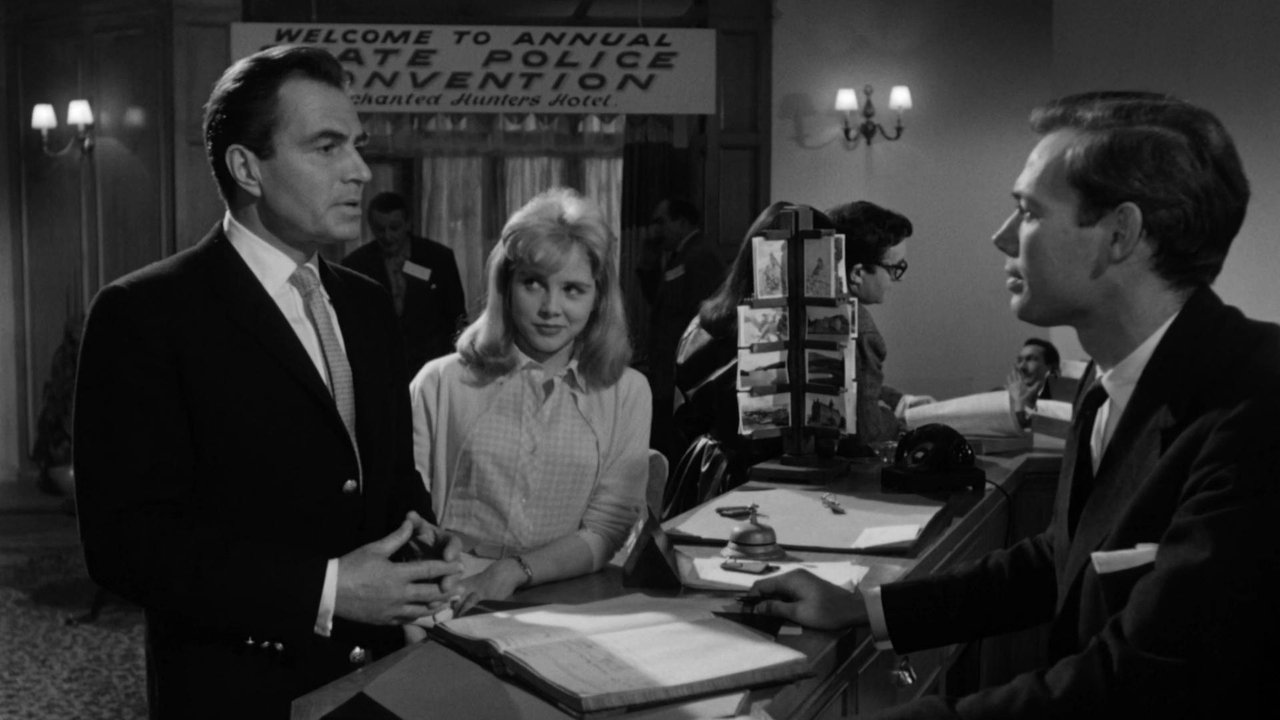
When I talk about Lolita, people usually expect a pitch-black tragedy or something scandalous. What they often forget is that the movie is frequently, awkwardly, and hilariously funny. It’s a comedy of manners where the manners are a thin veil over a total moral collapse.
A Chess Game with No Winners
The film opens at the end—a chaotic, drunken confrontation in a mansion filled with dust sheets and bad art. It’s here we meet Clare Quilty, played by Peter Sellers (who, strangely, often gets overlooked in the credits despite being the film's secret weapon). Sellers is doing something entirely different from everyone else; he’s playing a shape-shifting gremlin who haunts the periphery of the story.
Then we flashback to James Mason as Humbert Humbert, and the movie truly begins its long, slow-motion car crash. Mason is a revelation here. He manages to play a character who is fundamentally loathsome with a pathetic, sweating dignity that makes you lean in despite yourself. He’s a "refined" European intellectual who finds himself utterly undone by the tacky, plastic sprawl of mid-century America—personified by Shelley Winters as Charlotte Haze.
Winters is incredible. She plays Charlotte as a woman so desperately thirsty for culture and romance that she becomes a suffocating force of nature. Every time she’s on screen, you can practically feel Humbert’s skin crawling. The scenes where he has to pretend to love her while secretly obsessing over her daughter are a masterclass in cringeworthy tension. James Mason’s face during the scene where Charlotte reads him her diary is a work of art.
Navigating the "Ick" Factor
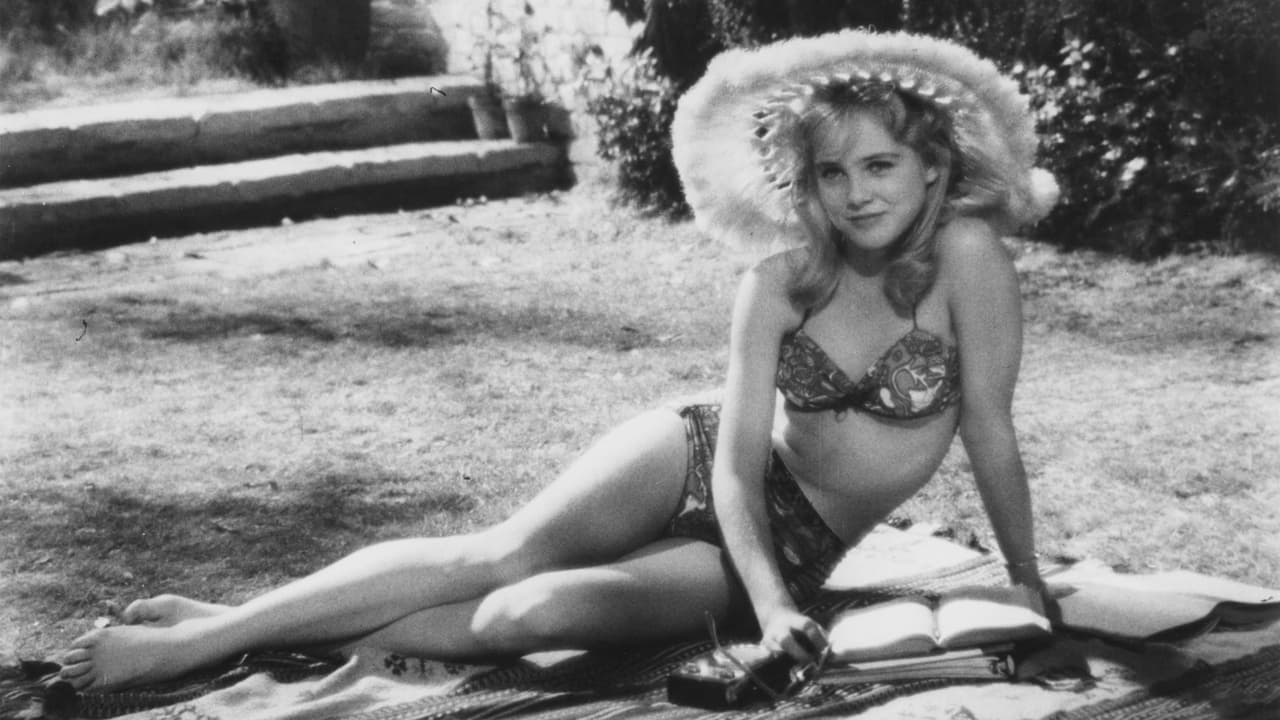
The elephant in the room is, of course, the age of the titular character. Sue Lyon was fifteen during filming, playing slightly younger, and while the film has to dance around the explicit nature of the book to satisfy the censors of 1962, the "forbidden" nature of the story is baked into every frame. Kubrick uses visual metaphors—a hula hoop, a jar of hard candy, a pedicured foot—to suggest what he couldn't show.
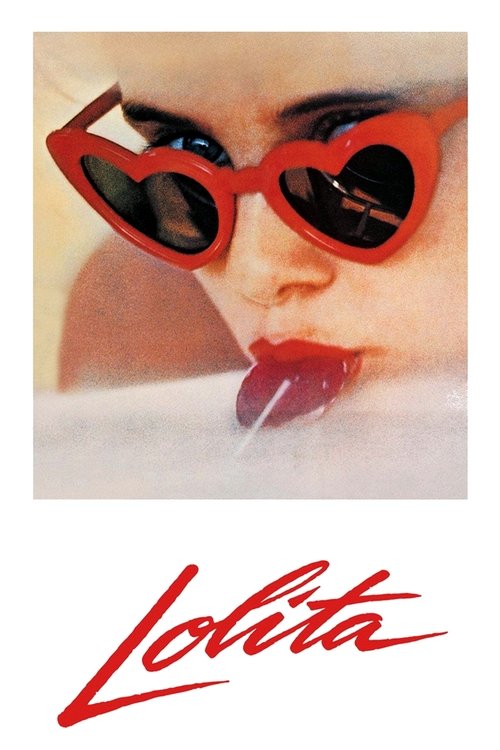
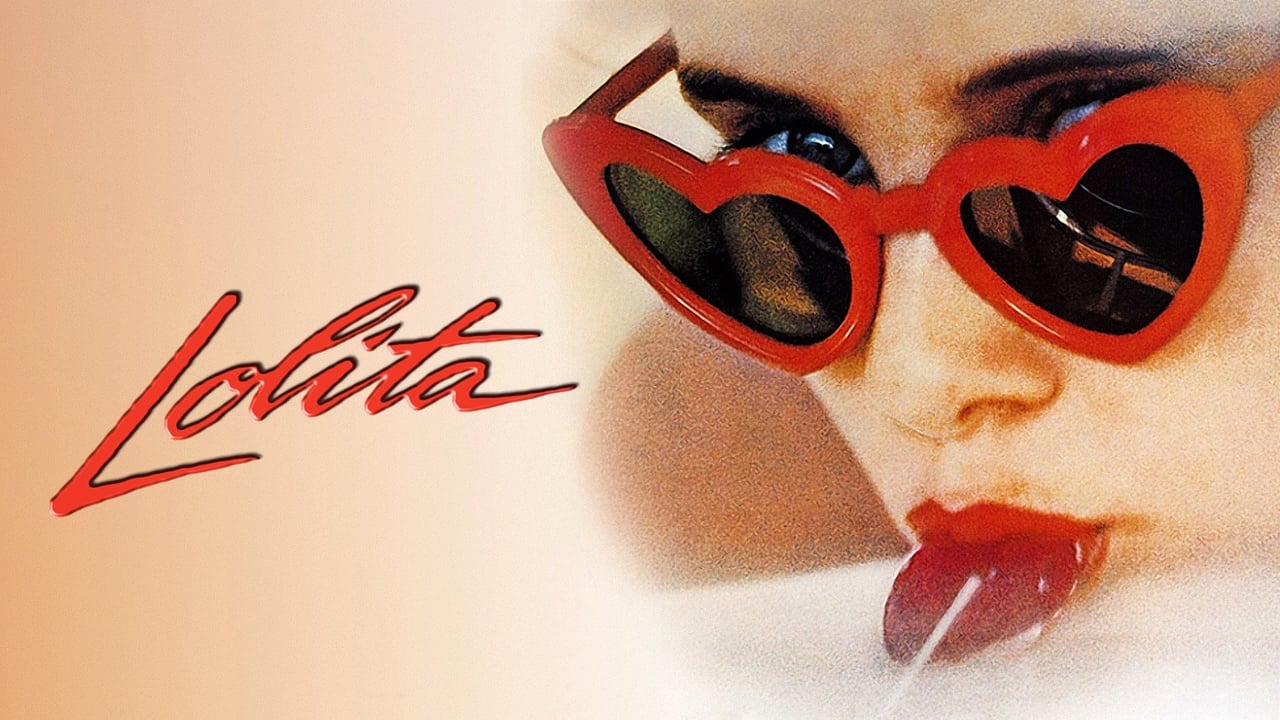
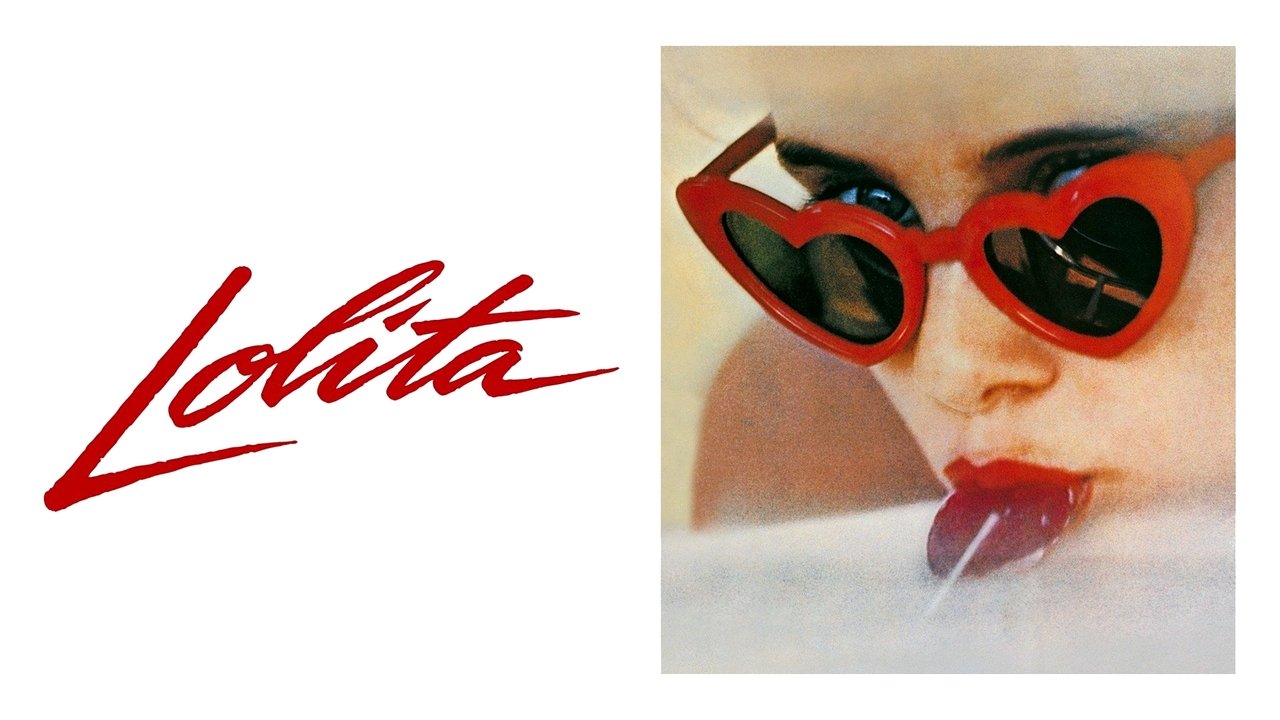
By the time the film hit the VHS shelves in the late 70s and 80s, that iconic image of Lyon in the heart-shaped sunglasses (which, trivia fans, she never actually wears in the movie) had become the ultimate clickbait of its era. I remember seeing that box in the "Classic" section of my local rental haunt, tucked between Casablanca and The African Queen, looking like it belonged in a completely different shop. The home video revolution gave Lolita a second life as a "daring" watch for teenagers who thought they were getting something scandalous, only to be confronted by a 154-minute character study about a middle-aged man having a nervous breakdown in a series of identical motels.
The Kubrick Touch and Practical Grit
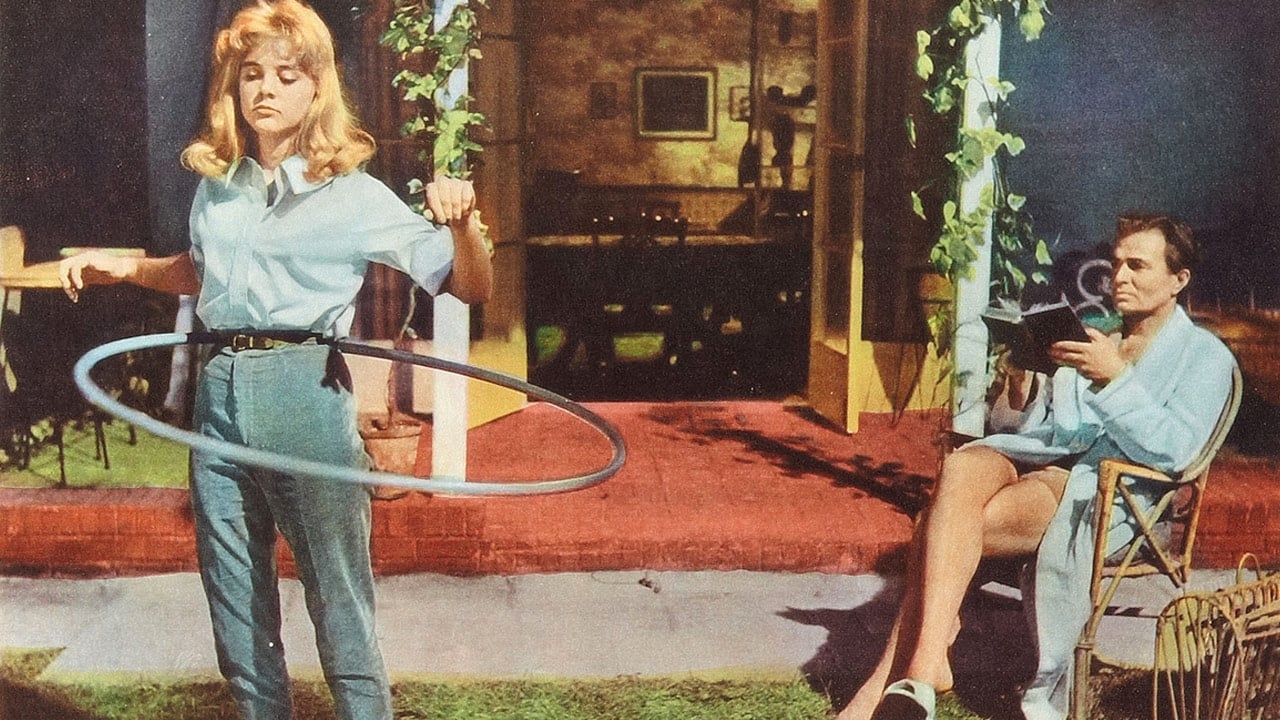
This isn't the "perfectionist robot" Kubrick of 2001: A Space Odyssey or The Shining. This is a looser, grittier director who was still finding his voice. Because he couldn't film in the actual U.S. due to budget and legal constraints, the "American" landscapes were largely recreated in England. There’s a specific, slightly "off" quality to the sets that actually works in the film's favor. It feels like a fever dream of America rather than the real thing.
The script, written by the novel's author Vladimir Nabokov himself (though Kubrick heavily edited it), is sharp enough to draw blood. The dialogue between Humbert and Quilty is especially jagged. Peter Sellers was famously encouraged to improvise, and his performance as a man who is constantly "on" makes him the perfect, distorted mirror for Humbert’s stilted, formal obsession.
What really makes Lolita work as a drama is the sheer tragedy of the final act. Once the "comedy" of the road trip fades, you’re left with the wreckage of a girl's life and a man who has traded his soul for a shadow. It’s a heavy ending for a movie that spends so much time being witty, but it’s the only ending that could possibly earn its keep.
It’s long, it’s uncomfortable, and it’s arguably 20 minutes too slow in the middle, but Lolita remains a fascinating artifact of a time when Hollywood was just starting to realize it could tell "adult" stories. It’s a film that demands your attention and then makes you feel a little bit greasy for giving it, which is exactly what a great dark comedy should do. If you only know it from the sunglasses and the controversy, you owe it to yourself to see the actual, brilliant mess underneath.
Keep Exploring...
-
Dr. Strangelove or: How I Learned to Stop Worrying and Love the Bomb
1964
-
The Graduate
1967
-
The Apartment
1960
-
How the Grinch Stole Christmas!
1966
-
Spartacus
1960
-
Annie Hall
1977
-
After Hours
1985
-
The King of Comedy
1982
-

Risky Business
1983
-

An American Tail
1986
-
The Lost Boys
1987
-

Big
1988
-

Scrooged
1988
-

All Dogs Go to Heaven
1989
-
Say Anything...
1989
-
Tango & Cash
1989
-

Willy Wonka & the Chocolate Factory
1971
-

Re-Animator
1985
-
Evil Dead II
1987
-
Breakfast at Tiffany's
1961