The Longest Day
"The day history was made, and Hollywood stood still."
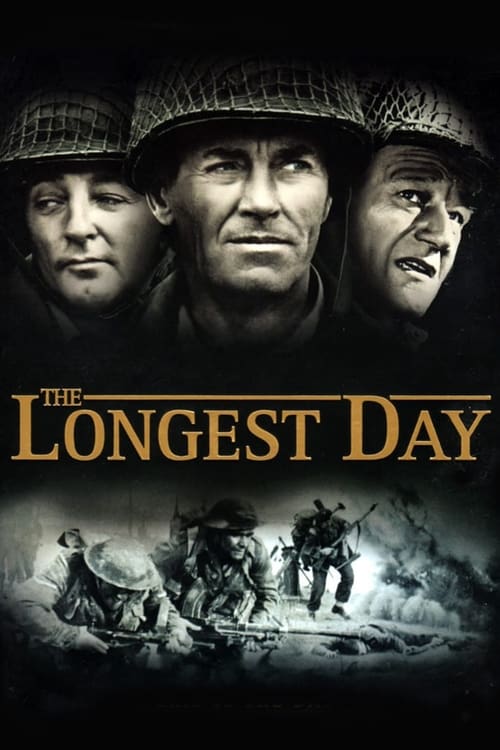
Three directors, four nationalities, and a cast so crowded with A-listers that even the cameos have cameos—The Longest Day isn’t just a movie; it’s a logistical miracle that somehow didn't collapse under its own weight. Released in 1962, it stands as the grand finale of the "Old Hollywood" epic, a monochrome monolith that arrived just before the industry pivoted toward the gritty, cynical realism of the late 60s. Watching it now, I’m struck by the sheer audacity of producer Darryl F. Zanuck. He didn't just want to tell the story of D-Day; he wanted to reenact it with the actual militaries of three different nations.
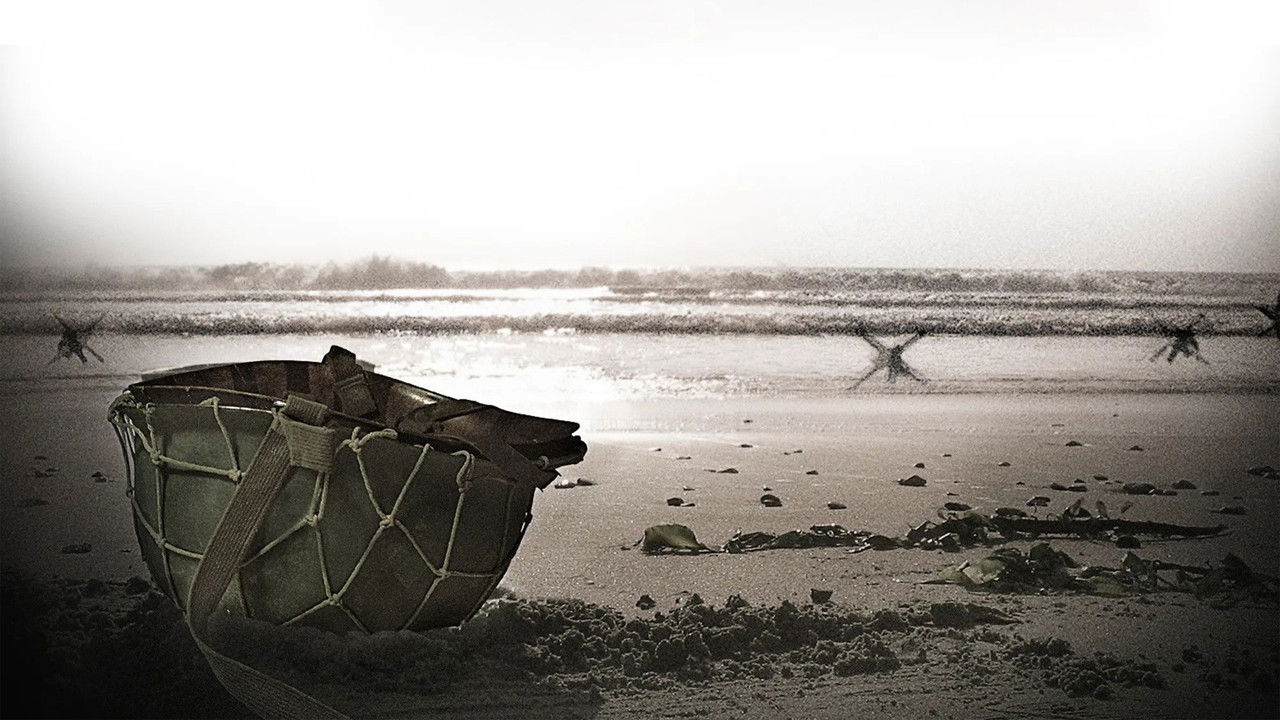
I recently sat down to rewatch this for the first time in a decade, and I kid you not, I spent the first twenty minutes distracted by a fly that had managed to get trapped inside my lampshade. The frantic buzzing actually provided a bizarrely appropriate, low-fi sound effect for the pre-invasion tension, a sort of domestic "Stuka dive-bomber" vibe that kept me on edge before the first paratrooper even hit the silk.
The Logistics of a Cinematic Invasion
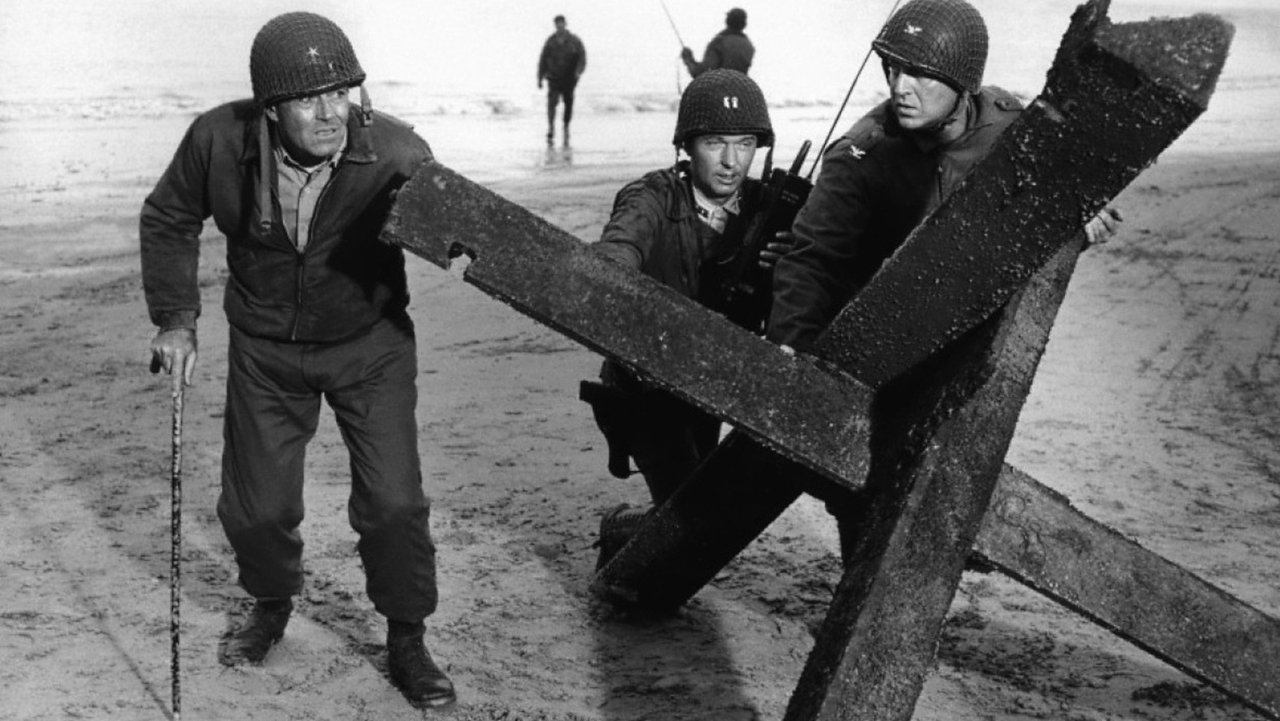
Before CGI turned every battlefield into a series of zeros and ones, you had to actually go to the beach. Zanuck famously secured the cooperation of the U.S., British, and French militaries, resulting in roughly 23,000 troops being made available for the production. It makes modern CGI-heavy war movies look like a teenager’s Minecraft server. When you see those Higgins boats hitting the surf at Juno or Omaha, you aren't looking at digital assets; you’re looking at the real machinery of war, often piloted by men who knew exactly how much those ramps weighed.
The action choreography, handled across three separate units (led by Andrew Marton, Bernhard Wicki, and Ken Annakin), is remarkably coherent for a film with so many moving parts. The scale of the Sainte-Mère-Église paratrooper sequence is still staggering. Watching the men dangle from the church steeple while the town burns below is a masterclass in practical stunt work. There’s a physical weight to every explosion and a genuine sense of chaos in the choreography that feels earned because it was actually happening on a massive scale. It lacks the nauseating "shaky cam" of the post-2000s era, choosing instead to let the camera linger on the terrifying geography of the Atlantic Wall.
A Galaxy of Stars in Khaki
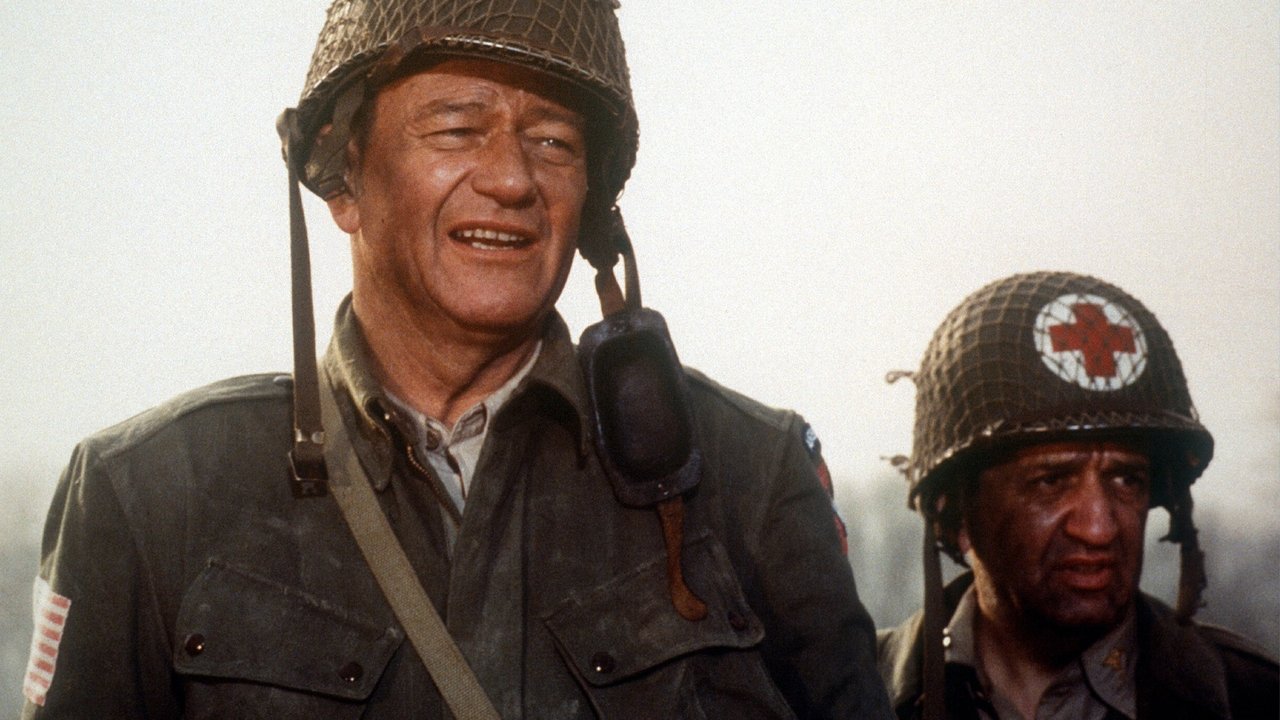
One of the great joys—and occasional distractions—of The Longest Day is the "Spot the Legend" game. You have John Wayne as Lt. Col. Benjamin Vandervoort, playing the role with his trademark stoic swagger, despite being nearly two decades older than the man he was portraying. Then there’s Robert Mitchum as Brig. Gen. Norman Cota, looking like he’d rather be smoking a cigar in a noir alleyway but commanding the screen with effortless gravitas.
Even the smaller roles are stacked. A young, pre-Bond Sean Connery pops up as Pvt. Flanagan, providing some much-needed levity, while Richard Burton delivers a haunting, poetic performance as a wounded RAF pilot. John Wayne’s hairpiece deserves its own combat ribbon for surviving those wind-swept beach scenes, but even with the Hollywood artifice, the performances feel grounded by the somber reality of the script. This isn't a "rah-rah" propaganda piece; it’s a procedural. It treats the invasion like a massive, ticking-clock thriller where every decision—or every delay by a sleeping Hitler—costs thousands of lives.
The German Side of the Mirror
What truly elevates the film into the "Dark/Intense" territory is its refusal to demonize the Germans into cartoon villains. By hiring Bernhard Wicki to direct the German sequences and insisting that every character speak their native tongue (with subtitles!), the film achieved a level of authenticity that was radical for 1962. We see the frustration of the German officers, the exhaustion of Hans Christian Blech as Major Pluskat, and the sheer, terrifying realization that the "impregnable" Atlantic Wall is about to be breached.
This perspective adds a layer of existential dread. The "Longest Day" isn't just a catchy title; it’s a quote from Field Marshal Erwin Rommel, and the film captures that grueling, endless stretch of hours perfectly. The sound design plays a huge role here—the constant, rhythmic thrumming of the Allied fleet, the sharp "crick-crick" of the paratrooper signaling toys, and the silence of the French countryside before it’s torn apart by lead. It builds an atmosphere of heavy, unavoidable fate.
Stuff You Didn't Notice
Interestingly, this was one of the last great black-and-white epics. Zanuck chose to forgo color not to save money—the budget was a then-staggering $10 million—but to ensure the film could seamlessly integrate actual combat footage from June 1944. This gives the entire three-hour runtime a documentary-like texture.
For the home video crowd of the 80s, this was a legendary "two-tape" rental. If you found a copy at your local Mom-and-Pop video store, it usually came in a chunky oversized box that felt as heavy as a brick. There was something ritualistic about having to swap tapes right as the invasion force finally reached the cliffs of Pointe du Hoc. It forced a mid-movie intermission that actually helped process the sheer volume of information the film throws at you.
The Longest Day is a monumental achievement that demands to be seen on the largest screen possible, even if you’re just watching it on a dusty CRT in your basement. It manages to be both a star-studded spectacle and a deeply respectful historical record. It doesn't have the visceral, bone-crunching gore of modern war cinema, but it possesses a different kind of power: the power of scale, clarity, and the haunting realization that every face on screen represents a thousand more who never made it off the sand. It’s a long sit, but by the time the credits roll, you’ll feel like you’ve lived through every one of those 178 minutes.

Keep Exploring...
-
The Dirty Dozen
1967
-
A Bridge Too Far
1977
-

Platoon
1986
-
Where Eagles Dare
1968
-
Patton
1970
-
Marathon Man
1976
-
Sophie's Choice
1982
-
Casualties of War
1989
-
Glory
1989
-
Spartacus
1960
-

Magnum Force
1973
-
Empire of the Sun
1987
-
The Great Escape
1963
-
Doctor Zhivago
1965
-
Come and See
1985
-
The Killer
1989
-
Crimson Tide
1995
-
Т-34
2018
-
West Side Story
1961
-

The Towering Inferno
1974