The Man Who Shot Liberty Valance
"The law arrived on a stagecoach, but justice stayed in the shadows."
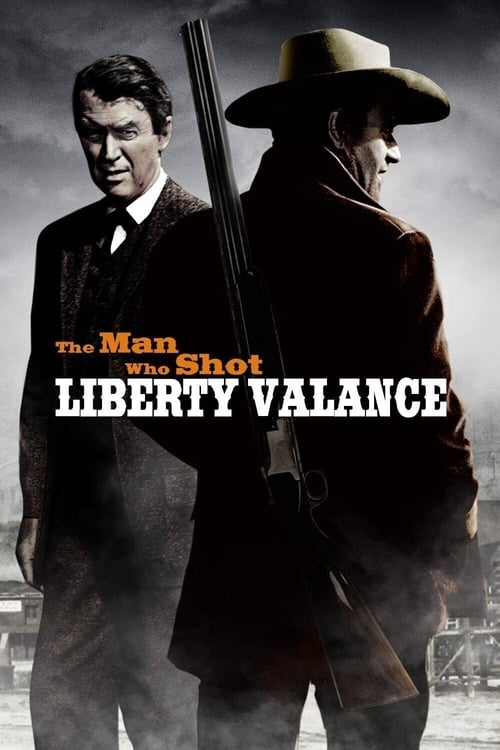
The first time I saw a clip of this movie, I was confused. I was a kid used to the widescreen, Technicolor vistas of The Searchers or the gritty, sweat-stained realism of the Spaghetti Westerns I’d sneak-watch on cable. The Man Who Shot Liberty Valance looked... small. It was black and white, shot mostly on obvious soundstages, and featured a much-too-old James Stewart playing a fresh-off-the-boat lawyer. I watched it while nursing a lukewarm root beer that had lost its fizz, which felt oddly fitting for a movie about a town losing its grit. But as the credits rolled, I realized I hadn't just watched a Western; I’d watched a funeral for the American frontier.
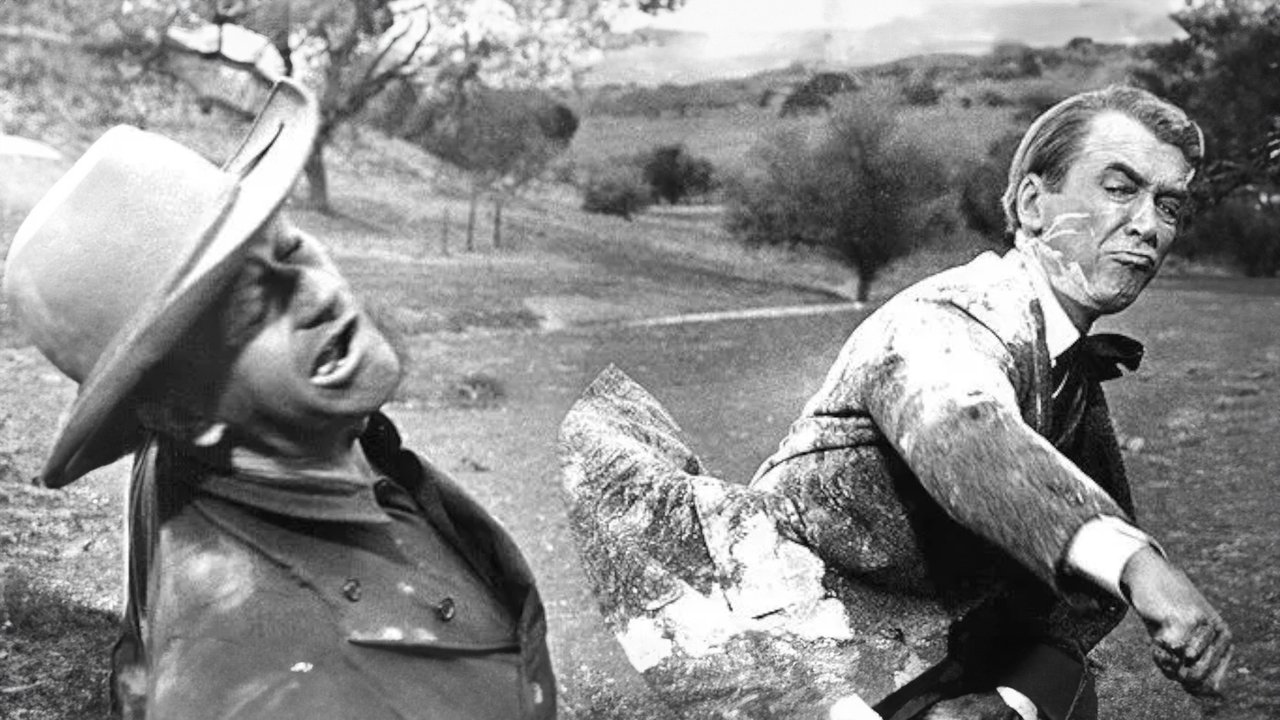
While John Ford is the man who basically invented the cinematic West, by 1962, he was ready to bury it. This isn't a movie about galloping horses or cattle drives. It’s a claustrophobic, psychological autopsy of how civilization is built on lies that we eventually turn into "history."
The Dinosaur and the Dreamer
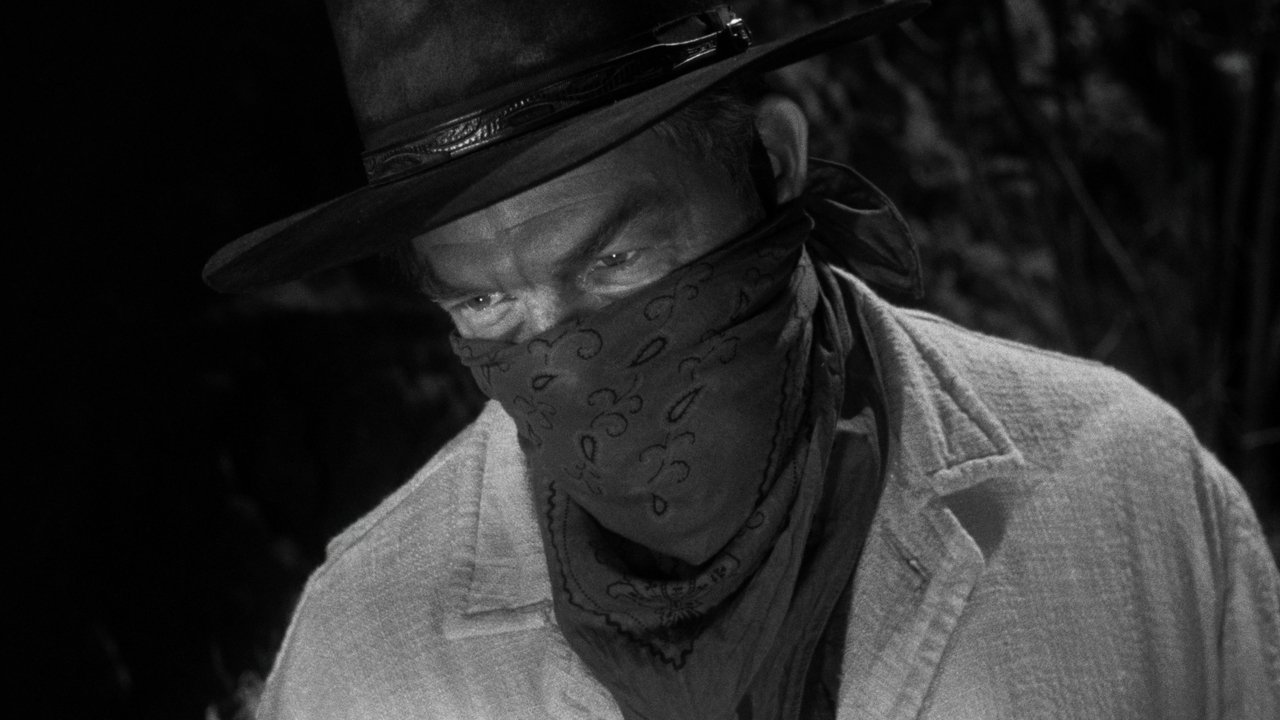
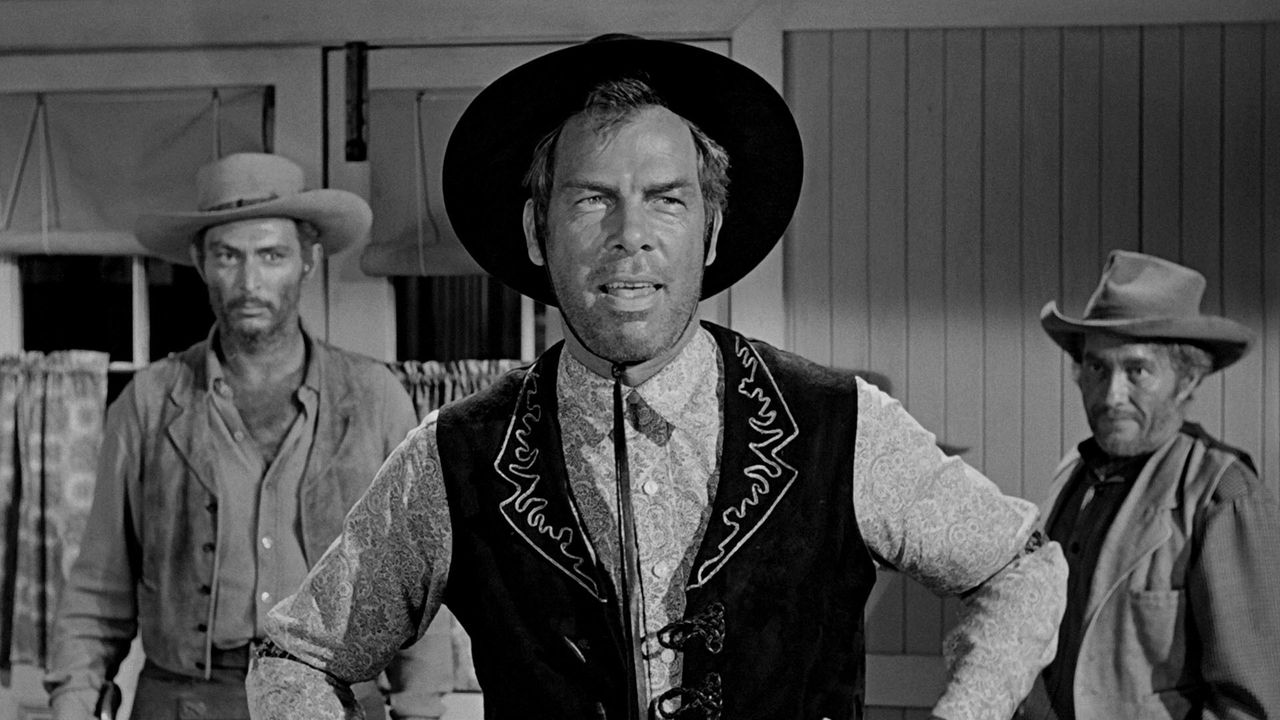
At its heart, the film is a three-way collision between different versions of masculinity. You have James Stewart as Ransom Stoddard, the idealistic attorney who thinks you can stop a bullet with a law book. Then you have Lee Marvin as Liberty Valance, a man who isn't just a villain—he’s a force of nature. Lee Marvin is terrifying here; he treats his silver-headed whip like a surgical instrument and snarls his lines like he’s trying to chew through the camera lens.
But the soul of the film belongs to John Wayne as Tom Doniphon. This might be the Duke’s most complex performance because he’s playing a man who realizes he is becoming obsolete. Tom is the only one "tough" enough to handle Valance, but he’s also smart enough to know that if Stoddard succeeds in bringing law and order to the town of Shinbone, there won’t be any room left for guys like Tom. Watching John Wayne Lean against a porch post, shrouded in shadows, you see the blueprint for the cynical, weary heroes of the New Hollywood era that would follow a decade later.
A Ghost Story in Black and White
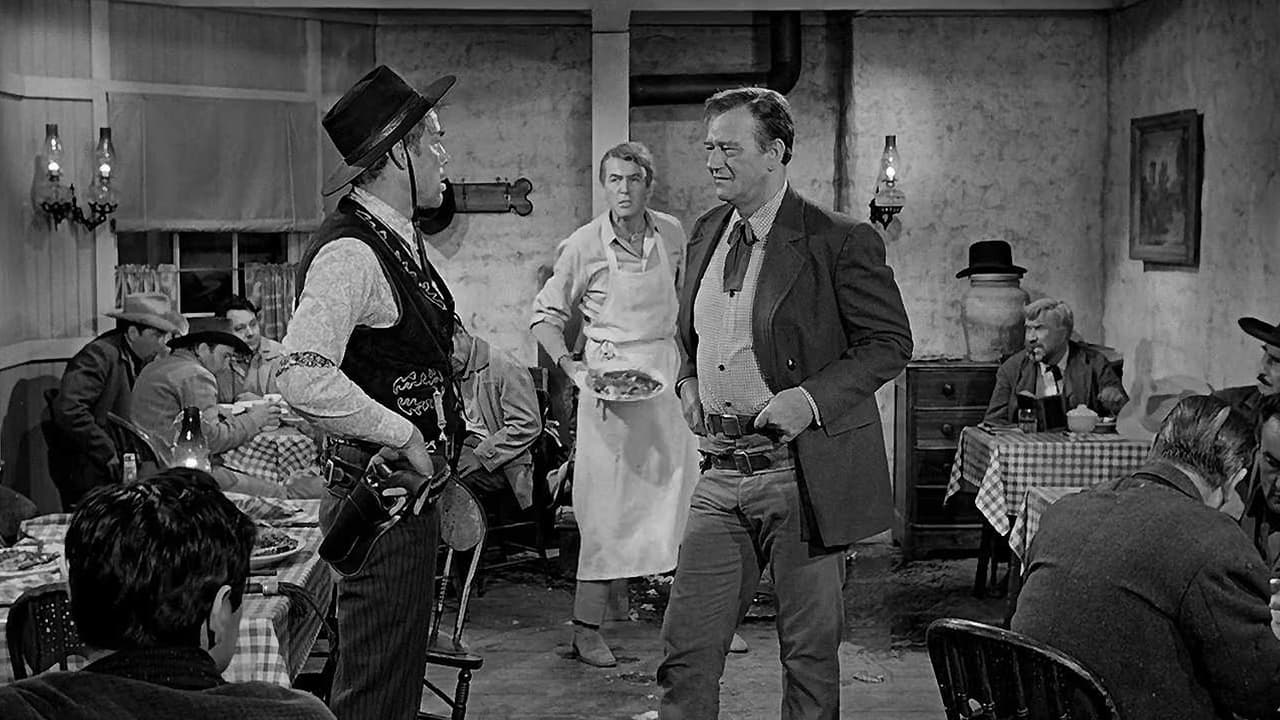
By 1962, color was the industry standard, especially for "The Duke." John Ford insisted on black and white, and for years, people thought it was just to hide the fact that James Stewart was 53 playing a twenty-something. While that was a practical perk, the real reason is atmospheric. The film feels like a memory—or perhaps a ghost story. The lighting is harsh, the shadows are deep, and the town of Shinbone feels less like a real place and more like a stage where a morality play is being enacted.
In the 1980s, when this film started showing up on VHS under those big, chunky Paramount "Home Video" clamshell cases, it often got overlooked. People wanted the "fun" John Wayne. They wanted the action. Liberty Valance is a "thinking man's" Western. It’s a movie where the most important scene happens in a dark alley while everyone else is cheering in a bright room. It’s the kind of film that rewards a second viewing on a rainy Tuesday night because you start to notice how Vera Miles, playing the woman torn between the two men, is the one who truly carries the emotional weight of the transition from the "Old West" to the "New West."
Printing the Legend
The movie is famous for its closing philosophy: "When the legend becomes fact, print the legend." It’s a cynical, brilliant bit of writing that challenges everything we think we know about our heroes. Willis Goldbeck and James Warner Bellah crafted a script that functions as a puzzle. As we watch the flashback unfold, we see the cost of Ransom Stoddard’s "success." He gets the career, the girl, and the fame, but he knows—and we know—that it’s all built on a foundation of Tom Doniphon’s sacrifice.
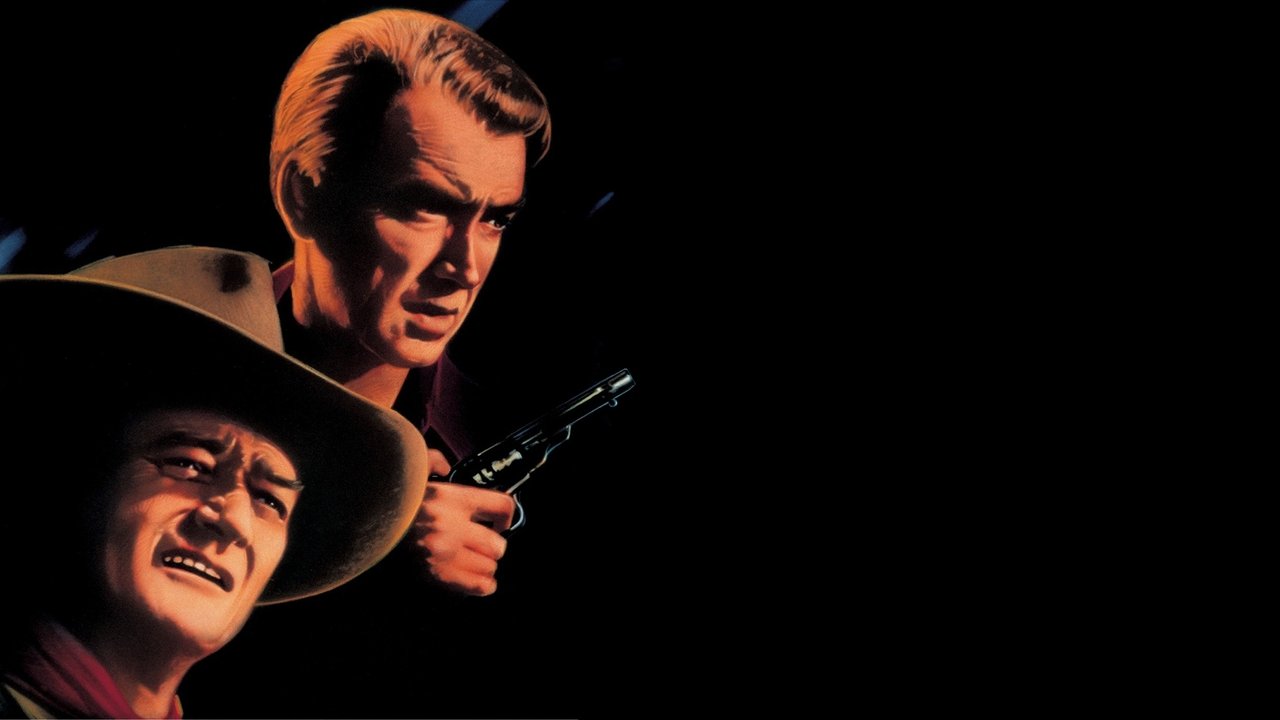
There’s a persistent bit of trivia that John Ford was notoriously cruel to James Stewart on set, mocking his military record and his acting style to keep him off-balance. He also allegedly bullied John Wayne, calling him a "big puppet." Whether this was Ford being a jerk or a calculated directorial move to pull out these weary, frustrated performances, it worked. The tension on screen feels genuine because the actors were genuinely miserable.
The Man Who Shot Liberty Valance is the bridge between the classic era of Hollywood and the deconstructionist films of the 70s. It’s a movie that asks if the "civilized" world we live in is actually better than the wild one we replaced, or if we just traded one kind of violence for a more polite version. It’s essential viewing, not just for Western fans, but for anyone who likes a drama that isn't afraid to leave a bitter taste in your mouth. Don't let the black-and-white visuals or the studio sets fool you—this is as sharp and relevant as anything being made today.
Keep Exploring...
-

The Searchers
1956
-
Stagecoach
1939
-
The Grapes of Wrath
1940
-
The Wild Bunch
1969
-

The Magnificent Seven
1960
-
Duck, You Sucker
1971
-
A Fistful of Dollars
1964
-
For a Few Dollars More
1965
-
The Good, the Bad and the Ugly
1966
-

The Hustler
1961
-
Charade
1963
-

Rio Bravo
1959
-
The Longest Day
1962
-
My Fair Lady
1964
-
Who's Afraid of Virginia Woolf?
1966
-
The Outlaw Josey Wales
1976
-
Django
1966
-
Harold and Maude
1971
-
Vincent
1982
-
Mickey's Christmas Carol
1983