To Kill a Mockingbird
"Compassion is the only shield against a world on trial."
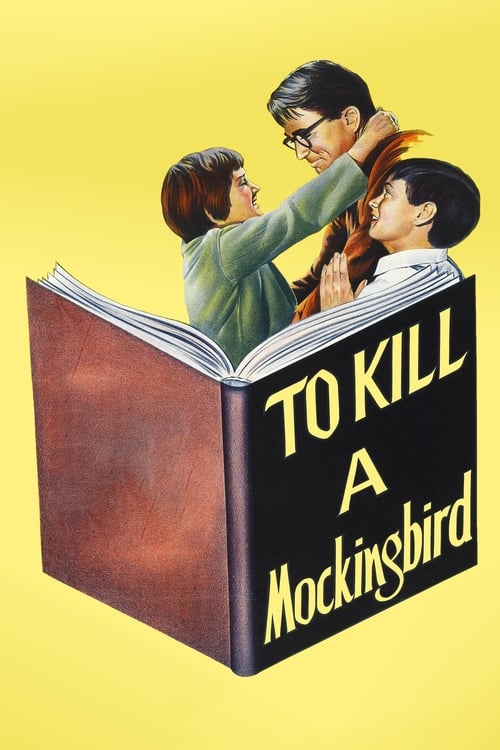
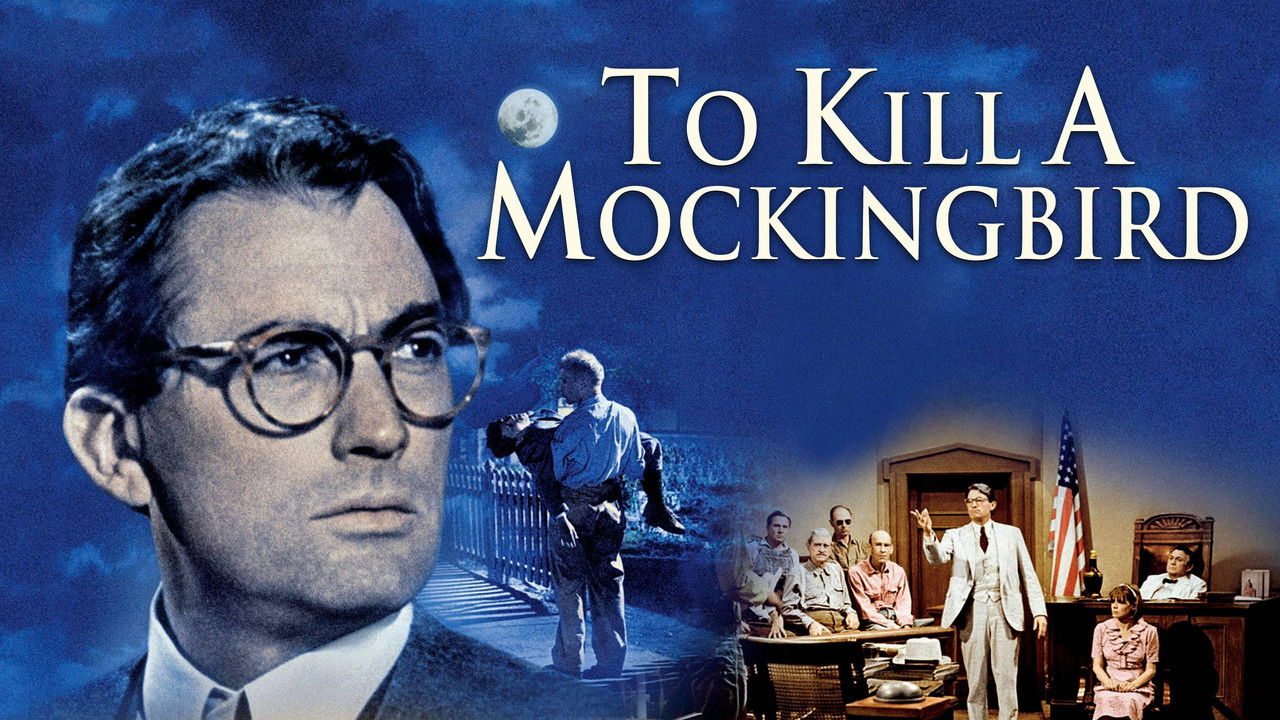
The opening credits of To Kill a Mockingbird don't look like a prestige drama. There are no sweeping vistas or booming fanfares. Instead, we see a cigar box filled with a child’s treasures—a whistle, some marbles, a broken watch—accompanied by the delicate, tinkling piano of Elmer Bernstein. It’s a microcosmic view of a world that is about to get much, much larger. I remember watching this for the first time on a rainy Tuesday afternoon while eating a lukewarm bowl of SpaghettiOs, and even through the haze of a mid-tier canned pasta, that opening felt like a hushed secret being shared across decades.

The Porch-Light Philosophy
Most courtroom dramas are about the law, but this one is about the porch. Directed by Robert Mulligan, the film spends an incredible amount of time just letting us exist in the humid, slow-motion atmosphere of Maycomb, Alabama. We see the world through the eyes of Scout (Mary Badham) and Jem (Phillip Alford), where the greatest threat isn't systemic injustice, but the local "ghost," Boo Radley (Robert Duvall, in a hauntingly pale film debut).
There is a profound philosophical shift that occurs as the runtime progresses. The children move from a world of supernatural folklore to a world of human cruelty. The "Mockingbird" metaphor—the idea that it is a sin to kill something that does nothing but provide beauty—is the film’s moral North Star. It’s an easy concept for a child to grasp, but as the trial of Tom Robinson (Brock Peters) begins, we realize that Atticus Finch might be the most impossible standard ever set for real-life fathers. He isn't just a lawyer; he’s a philosopher-king in a seersucker suit, attempting to teach his children that empathy is a muscle you have to flex, especially when it hurts.
The Weight of the Suit
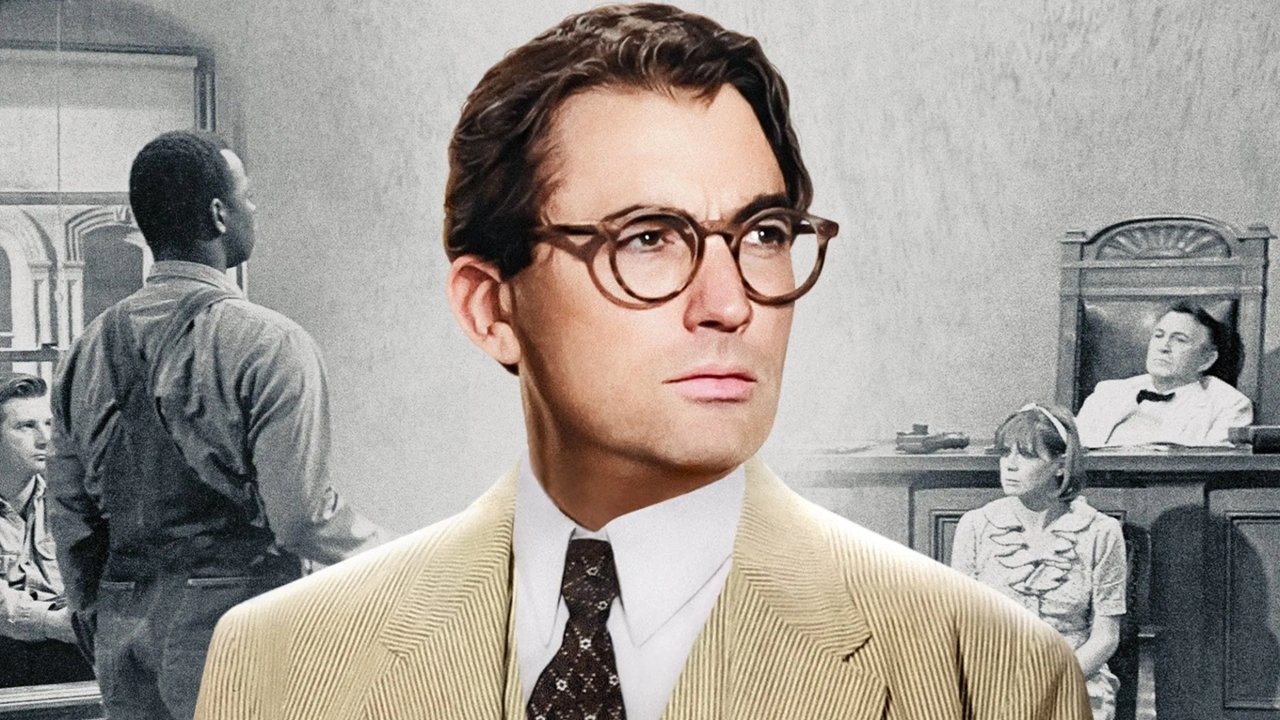
Gregory Peck didn't just play Atticus; he effectively became the secular patron saint of American integrity. There’s a specific stillness to his performance that you don't see in modern acting. He doesn't shout. He doesn't chew the scenery. He just stands there, holding the weight of a town's "outraged passions" on his shoulders. When he sits outside the jailhouse door, reading a newspaper by a single lightbulb while a lynch mob approaches, the film asks a staggering question: Can one man's quiet dignity actually halt the momentum of a century of hate?
The cinematography by Russell Harlan is essential here. By choosing black and white during an era when color was becoming the standard, the film achieves a "memory" texture. The shadows under the trees where the kids play look like ink, and the courtroom feels suffocatingly hot despite the lack of color. It captures that strange, liminal space of childhood where everything feels both massive and intimate.
From the Backlot to the Classroom
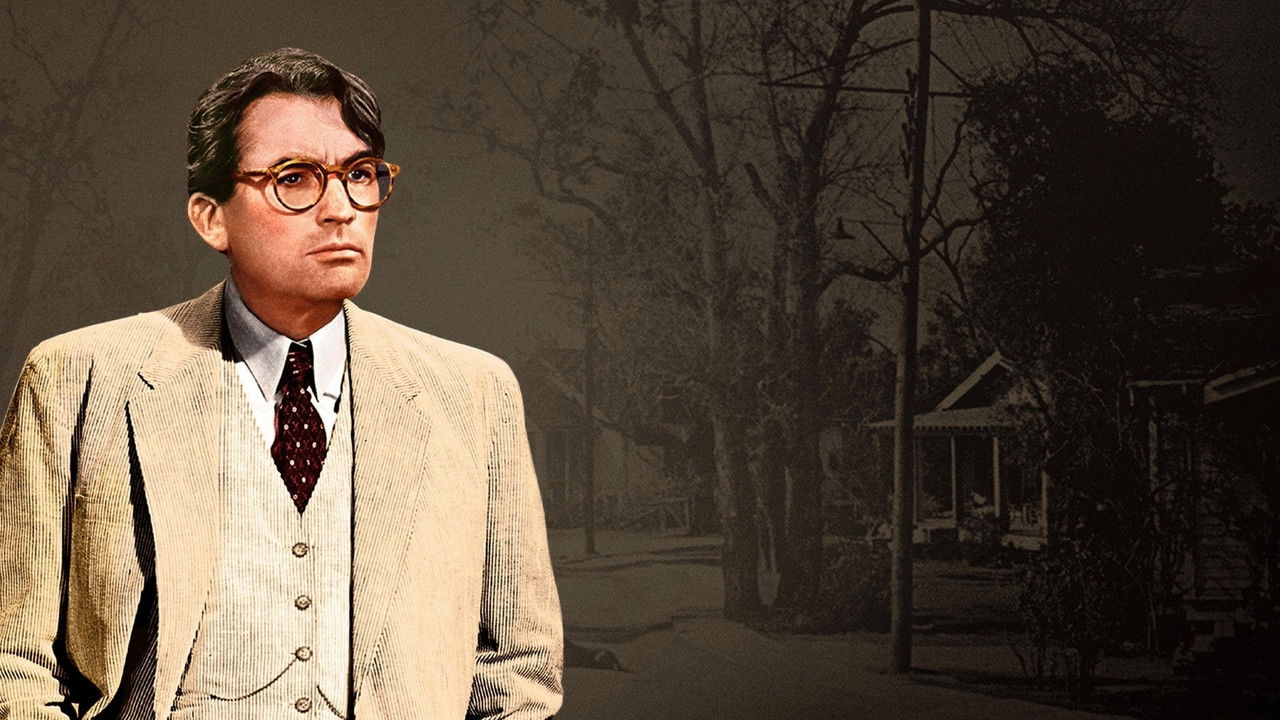
While To Kill a Mockingbird was a box office hit and an Oscar darling, it has survived through a different kind of "cult" longevity: the classroom viewing. For generations, this was the movie that broke the monotony of English class. But beyond the school-day staple status, the production itself was a series of serendipitous miracles.
1. The Ghostly Prep: Robert Duvall was so committed to his brief role as Boo Radley that he stayed out of the sun for six weeks and dyed his hair nearly white to look like someone who hadn't seen daylight in years. 2. The Real Monroeville: The studio couldn't film in the real Monroeville, Alabama, because it had become too modernized. Instead, they built a massive, $250,000 recreation of the town on a backlot in Hollywood. When author Harper Lee visited, she reportedly wept because it looked exactly like her childhood home. 3. The One-Take Wonder: Gregory Peck delivered his famous nine-minute closing argument in a single take. He was so moving that Brock Peters actually began to cry for real during the testimony, which nearly broke Peck’s concentration. 4. Life-Long Bonds: Mary Badham had never acted before, but she and Peck formed a bond so tight that she continued to call him "Atticus" until the day he died in 2003. 5. The Watch: Harper Lee gave Gregory Peck her father’s secret pocket watch after the film was completed because he reminded her so much of him. He wore it the night he won his Oscar.
This isn't just a "good" movie; it’s a necessary one. It’s a film that demands you look at the person standing across from you and wonder what it would be like to crawl into their skin and walk around in it. While the pacing might feel deliberate (read: slow) to those raised on a diet of modern thrillers, the payoff is a profound emotional resonance that most films never even aim for. It’s a reminder that even in the darkest corners of human history, there are people willing to leave little treasures in the knot of a tree for those who know how to look.
Keep Exploring...
-
Breakfast at Tiffany's
1961
-

The Breakfast Club
1985
-
8½
1963
-
Persona
1966
-
The Apartment
1960
-
Judgment at Nuremberg
1961
-

The Hustler
1961
-
Guess Who's Coming to Dinner
1967
-
Planet of the Apes
1968
-
Manhattan
1979
-
Gandhi
1982
-

Midnight Cowboy
1969
-

The Sound of Music
1965
-
Who's Afraid of Virginia Woolf?
1966
-
Spartacus
1960
-
Harold and Maude
1971
-
The Holy Mountain
1973
-
Network
1976
-
Rocky
1976
-
Annie Hall
1977