What Ever Happened to Baby Jane?
"Sisterhood is a psychological battlefield."
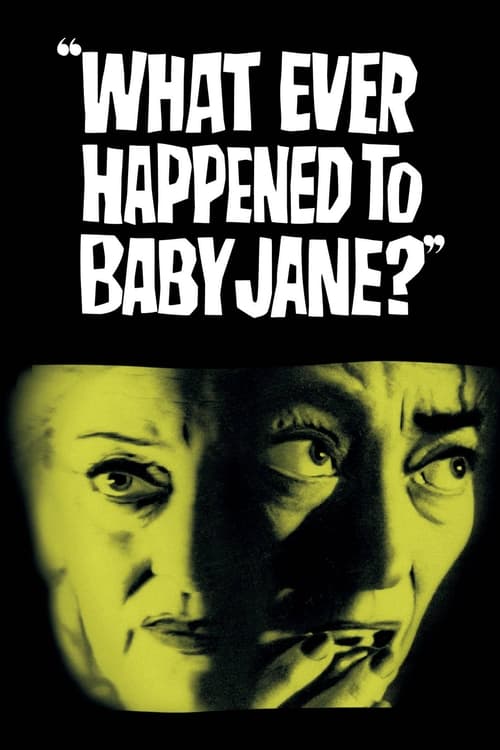
The first time I saw Bette Davis’s face in What Ever Happened to Baby Jane?, I was watching a scratched-up copy on a portable DVD player during a summer power outage. The flickering, low-battery screen made her caked-on, cracking white foundation look like peeling lead paint on a condemned building. It was the perfect way to meet Jane Hudson. This isn't just a movie; it’s a controlled demolition of Hollywood glamour, performed by two women who clearly didn't mind picking through the rubble of their own reputations.

By 1962, the studio system was gasping its last breath. The Technicolor dream was fading, and Robert Aldrich—a director who specialized in "tough guy" cinema—decided to pivot toward a different kind of brutality. He took two legendary rivals, Bette Davis and Joan Crawford, and trapped them in a decaying mansion to see who would blink first. The result is a film that feels remarkably modern in its cruelty, a psychological slasher that trades a chainsaw for a silver serving platter and a very unfortunate parakeet.
The Divine Decay of Jane Hudson
The plot is a masterclass in claustrophobic dread. Jane Hudson (Bette Davis) was a vaudeville child star whose fame evaporated the moment she hit puberty. Her sister, Blanche (Joan Crawford), became the "real" movie star, only to have her career ended by a mysterious car accident that left her paralyzed and dependent on an increasingly unhinged Jane.
Watching Bette Davis in this role is like watching a car crash in slow motion where the driver is laughing the entire time. She famously did her own makeup for the film, ignoring the professional artists to ensure she looked like a grotesque parody of her childhood self. It’s a brave, repulsive performance. When she sings "I've Written a Letter to Daddy" in her cracked, whiskey-soaked voice, it’s essentially the 1960s equivalent of a jump scare. She isn't just playing a character; she’s exorcising the ghost of every starlet the industry chewed up and spat out.
A Duel of Dying Stars
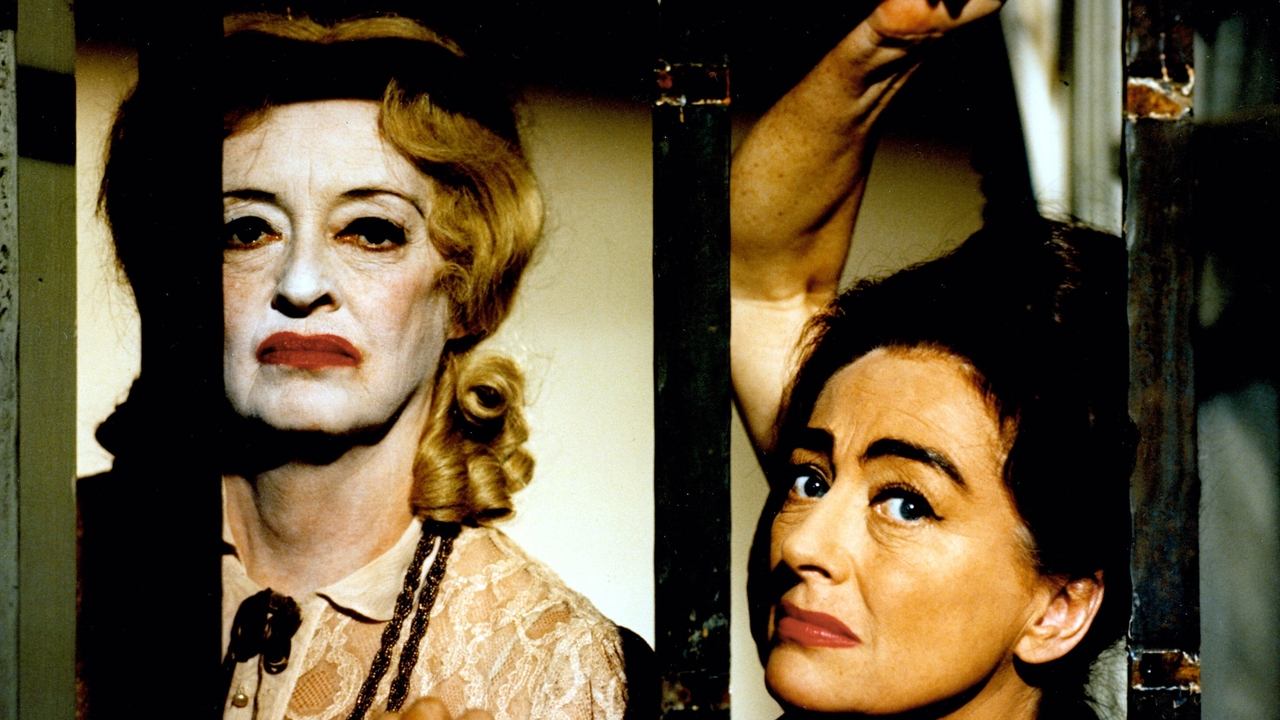
Then there’s Joan Crawford. Often overshadowed by Davis’s scenery-chewing, Crawford’s performance as Blanche is the essential anchor. She plays the "victim" with a simmering undercurrent of manipulation that makes you wonder if anyone in this house is actually "good." The off-screen rivalry between these two is legendary—Davis allegedly had a Coca-Cola machine installed on set just to spite Crawford, who was on the board of Pepsi—and you can feel that genuine friction in every frame.
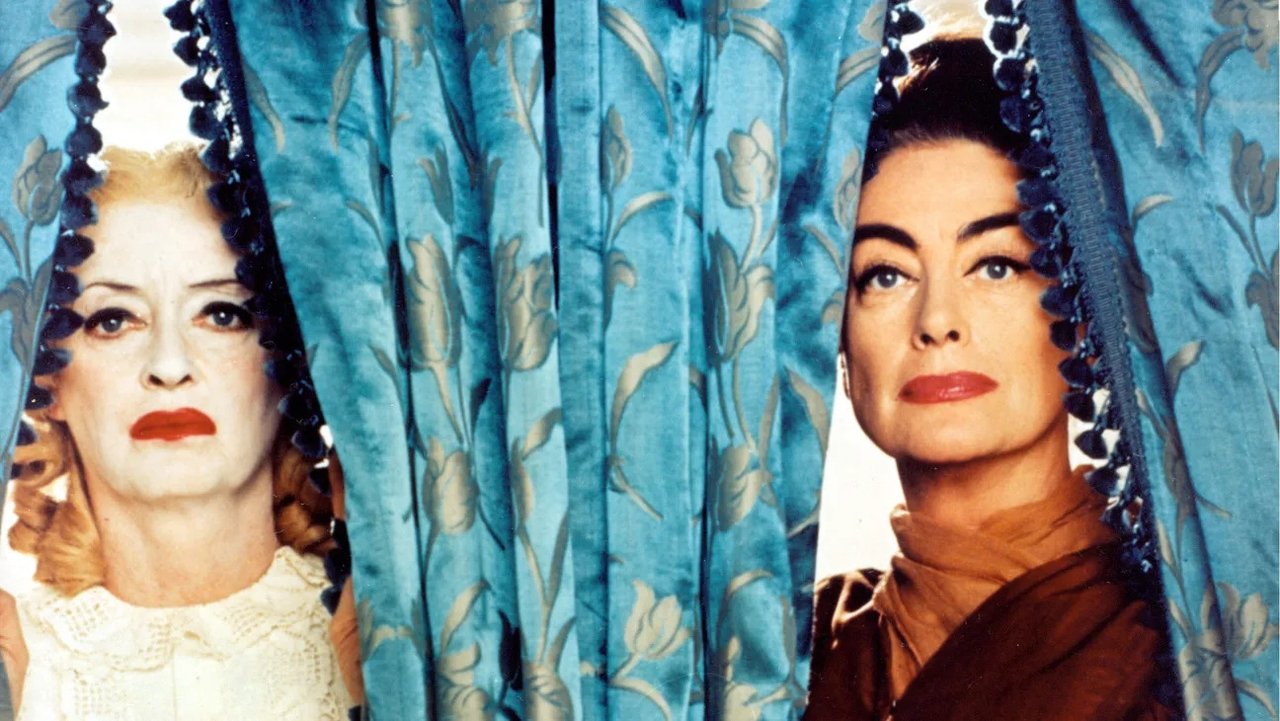
When Jane serves Blanche a "special" lunch, the tension isn't just about what's under the silver lid (though, trust me, it’s grim); it’s about the way these two icons look at each other. There is a specific kind of hatred that can only exist between sisters or rivals who have known each other for forty years. Robert Aldrich captures this with harsh, high-contrast cinematography by Ernest Haller, who had previously shot Crawford in her Oscar-winning Mildred Pierce. Here, he strips away the soft focus and replaces it with shadows that look like they could swallow the characters whole.
The Birth of "Hagsploitation"
It’s easy to forget that this was a massive gamble. No major studio wanted to touch it because they thought Davis and Crawford were "over the hill." Robert Aldrich had to secure independent financing through Seven Arts Productions and Associates & Aldrich, making this a quintessential indie success story. It was shot on a shoestring budget of under a million dollars, with a grueling 21-day schedule.
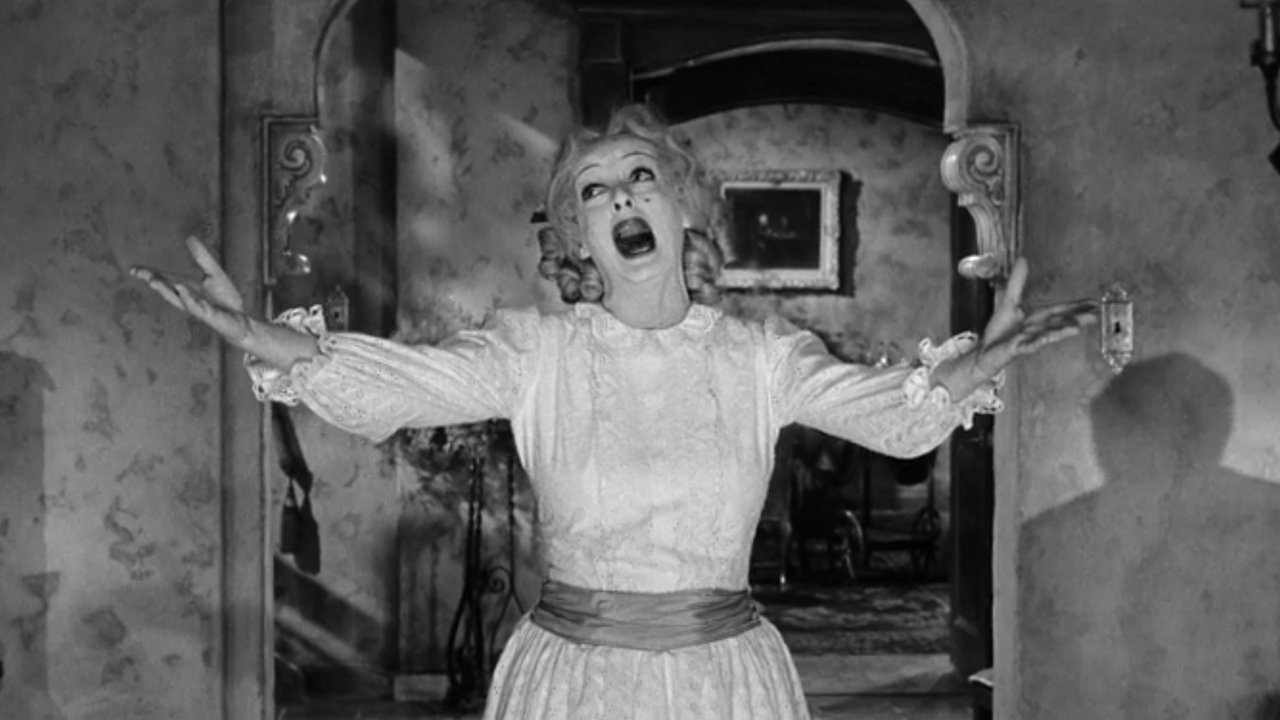
Because it was made outside the usual safety nets of the big studios, the film has a gritty, mean-spirited edge that prefigures the "New Hollywood" of the 70s. It birthed an entire subgenre—often unkindly called "hagsploitation"—where aging actresses were cast in grand guignol horrors. But while the imitators often felt cheap, Baby Jane feels like high art. It’s a tragedy dressed up as a nightmare. The supporting turn by Victor Buono as the opportunistic, "mamma’s boy" pianist Edwin Flagg adds a layer of dark comedy that makes the final act’s descent into madness even more jarring.
What Ever Happened to Baby Jane? is the kind of movie that lingers in the back of your mind whenever you hear a floorboard creak. It’s a brutal reminder that the monsters we should fear most aren't under the bed; they’re the ones we share a last name with, sitting in the next room, waiting for the bell to ring. If you haven't seen it, turn off the lights, grab a snack (not the rat, please), and watch two titans of the silver screen tear each other apart. It’s a masterpiece of spite.
The film ends on a beach—a location usually associated with freedom and sunlight—but in Aldrich’s hands, it becomes the most desolate place on Earth. As the police close in and Jane dances for a confused crowd of onlookers, you realize that she finally got what she wanted: an audience. It’s one of the most haunting finales in cinema history, proving that while fame is fleeting, obsession is forever. Whether you’re a fan of classic Hollywood or a modern horror junkie, this is required viewing. Just don't expect to feel clean afterward.

Keep Exploring...
-
Peeping Tom
1960
-

Repulsion
1965
-
Psycho
1960
-
The Birds
1963
-
In the Heat of the Night
1967
-
Rosemary's Baby
1968
-
Blow-Up
1966
-
Night of the Living Dead
1968
-
Carrie
1976
-
Eraserhead
1977
-

Halloween
1978
-
After Hours
1985
-

Day of the Dead
1985
-
The Dirty Dozen
1967
-
Straw Dogs
1971
-
Fist of Fury
1972
-
Murder on the Orient Express
1974
-
Nosferatu the Vampyre
1979
-
Run
2020
-
The Cabinet of Dr. Caligari
1920