8½
"A beautiful dream where no one knows the script."
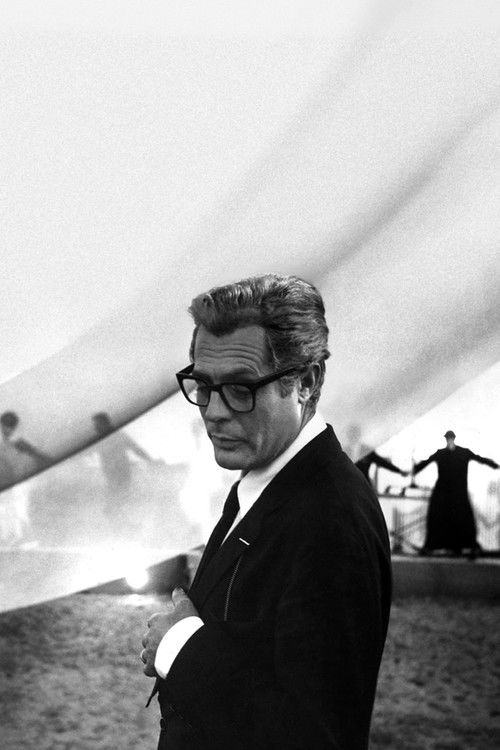
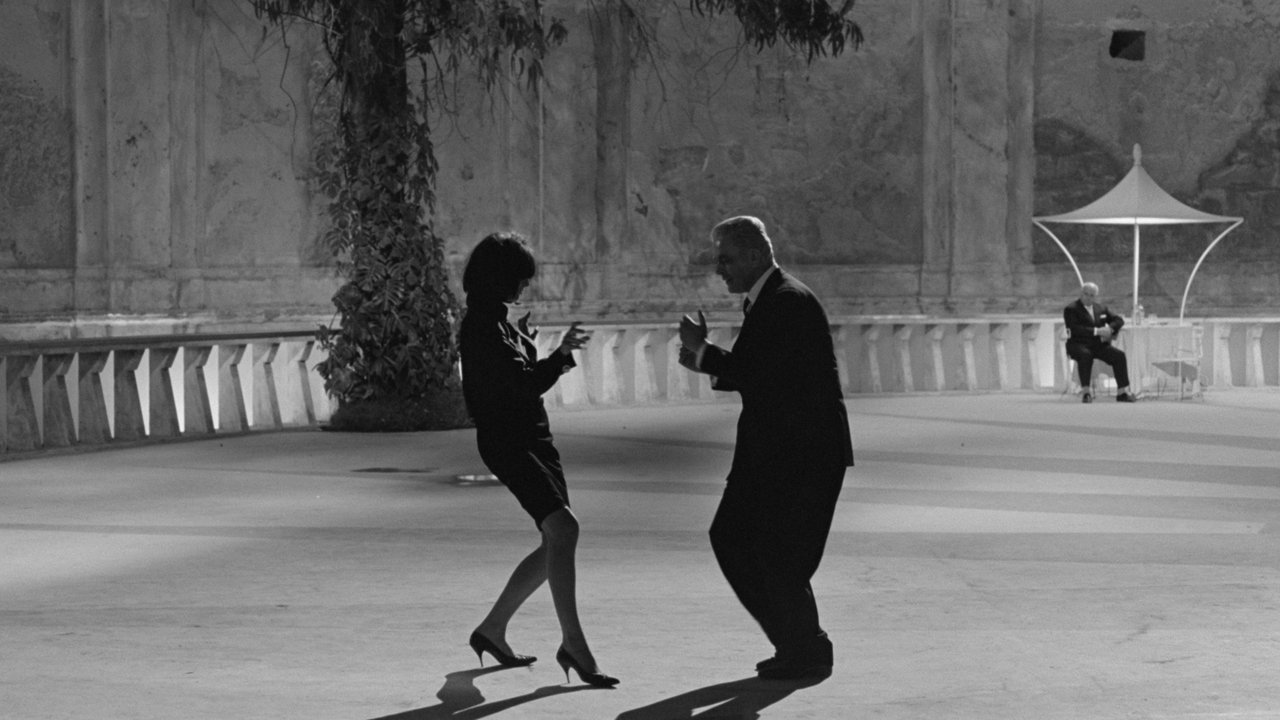
There is a moment in the opening sequence of 8½ where a man, trapped in a silent, exhaust-choked traffic jam, simply floats out of his car window and drifts into the clouds like a human kite. It’s the ultimate escapist fantasy for anyone who has ever felt the crushing weight of expectation, and it sets the stage for what I consider the most stylish nervous breakdown ever captured on celluloid. I watched this most recent screening while trying to ignore a persistent itch on my left ankle that I'm convinced was psychosomatic, brought on by the film's own nervous, itchy energy.
By 1963, Federico Fellini was already a titan of the Italian screen, but with 8½, he did something that would fundamentally alter the DNA of "The Auteur." He made a movie about his own inability to make a movie. It’s meta before meta was a marketing gimmick. In the early 60s, the old studio systems were beginning to creak, and the "Director as Superstar" era was dawning. This film is the blueprint for every self-indulgent, brilliant, and soul-baring project that would follow in the New Hollywood era of the 70s. Without Guido Anselmi, we don't get the neurotic self-reflection of Woody Allen or the operatic ego of Bob Fosse’s All That Jazz (1979).
Mastroianni: The Man Who Made Exhaustion Sexy
At the center of the storm is Marcello Mastroianni as Guido, a film director who has retreated to a luxurious spa to find his "vision" for a sci-fi epic he isn't even sure he wants to make. Marcello Mastroianni is, quite simply, the only actor who could have played this role. He manages to look both impeccably cool and utterly destroyed at the same time. He wears his dark sunglasses like a shield against the actors, producers, and critics who swarm him like locusts.
Guido is a man who loves women but doesn't particularly like them, or perhaps he just doesn't understand them. The film populates his world with a dizzying array of archetypes. There’s Anouk Aimée as his wife, Luisa, providing a grounded, intellectual sharpness that cuts through Guido's nonsense. Then you have Sandra Milo as Carla, his mistress, who is all curves and giggles—a distraction that eventually becomes another chore. And then there is the luminous Claudia Cardinale, appearing as a literal vision of purity in a white dress, representing an ideal that Guido can never quite grasp.
Guido is basically a high-functioning disaster who somehow makes being a flake look like a spiritual pursuit. It’s a performance of shrugs and sighs that carries the weight of a man drowning in his own success.
A Circus of Memories and Mistakes
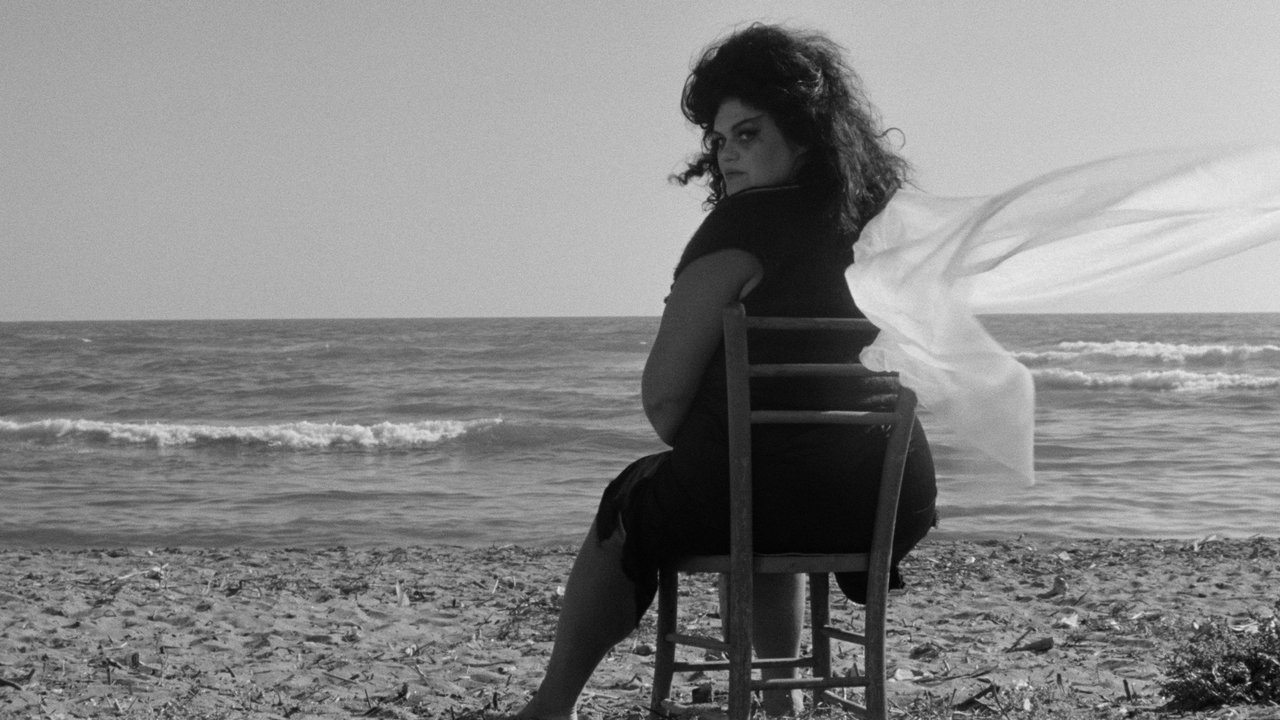
The film doesn't follow a linear path; it moves with the logic of a dream. One minute we’re in a sterile spa, and the next, we’re back in Guido’s childhood, watching a group of boys get "purified" after visiting a giant, dancing prostitute on a beach. This is where the "Cerebral Drama" tag really earns its keep. Fellini isn't just showing us a story; he’s showing us the inside of a creative mind, where memories of a strict Catholic upbringing collide with adult anxieties and sexual hangups.
The cinematography by Gianni Di Venanzo (who also shot the moody L'Eclisse) is a masterclass in high-contrast black and white. Every frame looks like a high-fashion spread from an Italian magazine, yet it feels claustrophobic. The way the camera glides through the crowds at the spa, catching snippets of dialogue from people who all want something from Guido, perfectly captures that feeling of being "on" when you just want to vanish.
Interestingly, Fellini didn't really care about what the actors were actually saying on set. He was notorious for having them count numbers or say gibberish, knowing he would dub the dialogue later. This gives the film a strange, slightly disconnected atmosphere—the voices don't always perfectly match the lips, adding to the sense that we are watching a memory or a dream rather than "reality."
The Art of the Beautiful Mess
Part of the film's cult status—especially among film students and the "video store clerk" generation of the 80s—comes from its sheer audacity. It’s a movie that celebrates failure. It turns out the title itself, 8½, was just a working title because it was Fellini's eighth-and-a-half film (counting his collaborations and shorts). He couldn't think of a "real" title, so he just used the math.
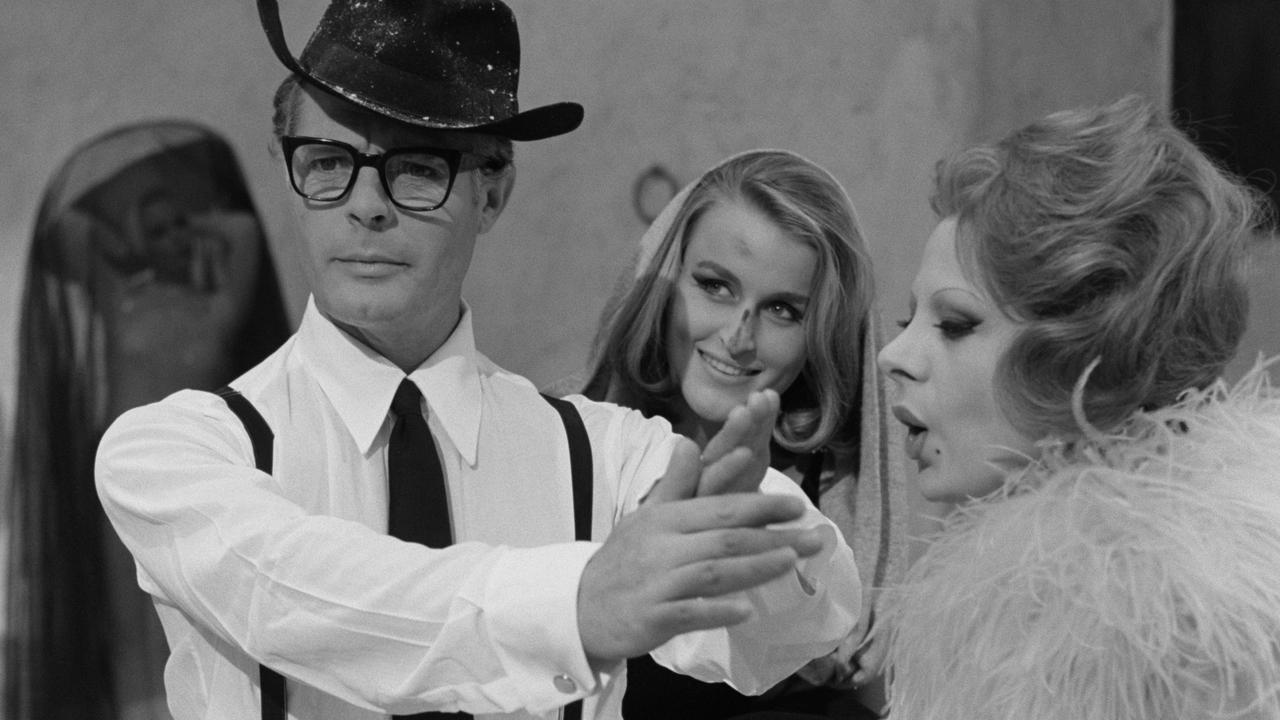
I’ve always loved the story that Fellini taped a little note to the camera’s viewfinder during production that simply said: "Remember that this is a comedy." It’s a vital reminder. If you approach this film as a grim, intellectual exercise, you’ll miss the joy. It’s a circus. The score by Nino Rota (the genius behind The Godfather themes) is pure carnival music. It’s bouncy, repetitive, and slightly haunting, underlining the idea that life is just one big, chaotic parade we’re all forced to march in.
The film even features a wonderful turn by Barbara Steele, the queen of 1960s Italian Gothic horror (Black Sunday), playing a character who is just as mysterious and striking here as she was in her genre films. It’s these little textures—the mix of high art and low-brow spectacle—that make the film so endlessly rewatchable. Every time I sit down with it, I find a new face in the crowd or a new bit of visual business in the background that I missed before.
Ultimately, 8½ is a film about the moment you realize you don't have the answers, and that maybe, just maybe, that’s okay. It’s about the reconciliation of all the different versions of ourselves—the child, the lover, the professional, the failure. The final scene, a literal circus ring where everyone from Guido's life joins hands, is one of the most moving and cathartic endings in cinema history. It’s not a solution to his problems; it’s an acceptance of the mess. If you’ve ever felt like a fraud or a dreamer, this is your home.
Keep Exploring...
-
La Dolce Vita
1960
-
Amarcord
1973
-
La Strada
1954
-
Breakfast at Tiffany's
1961
-

To Kill a Mockingbird
1962
-
Persona
1966
-
Planet of the Apes
1968
-
The Leopard
1963
-
Once Upon a Time in the West
1968
-
Manhattan
1979
-
Gandhi
1982
-

The Breakfast Club
1985
-
The Apartment
1960
-
Judgment at Nuremberg
1961
-

The Hustler
1961
-
Harakiri
1962
-
Jules and Jim
1962
-
La Jetée
1962
-

The Sound of Music
1965
-
Andrei Rublev
1966