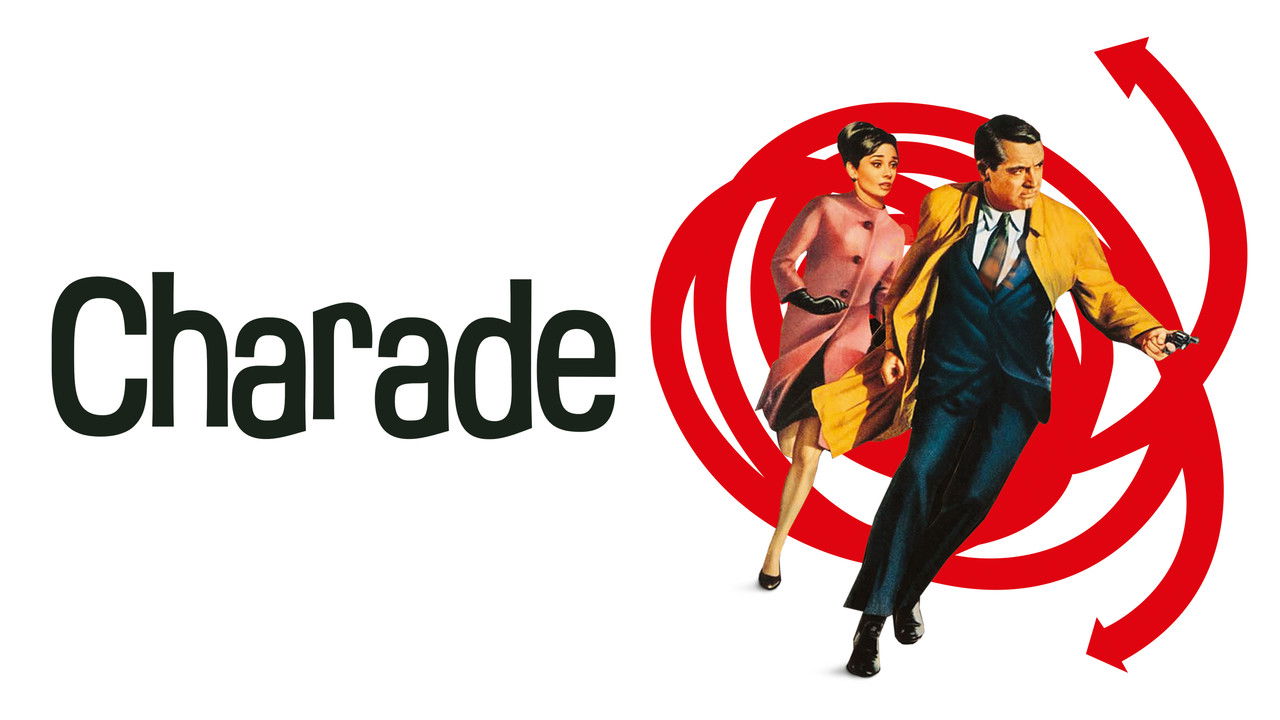
Charade
"Trust no one, especially if they look like Cary Grant."

I once watched Charade while trying to assemble a very frustrating IKEA coffee table. There I was, surrounded by particleboard and Swedish instructions I couldn’t read, while Audrey Hepburn wandered through a dreamlike Paris in Givenchy coats. Somehow, seeing Cary Grant navigate a labyrinthine plot of stolen gold and multiple identities made my struggle with a stray Allen wrench feel significantly more sophisticated. It’s a film that demands you look sharp, even if your own life is currently a pile of unfinished furniture.
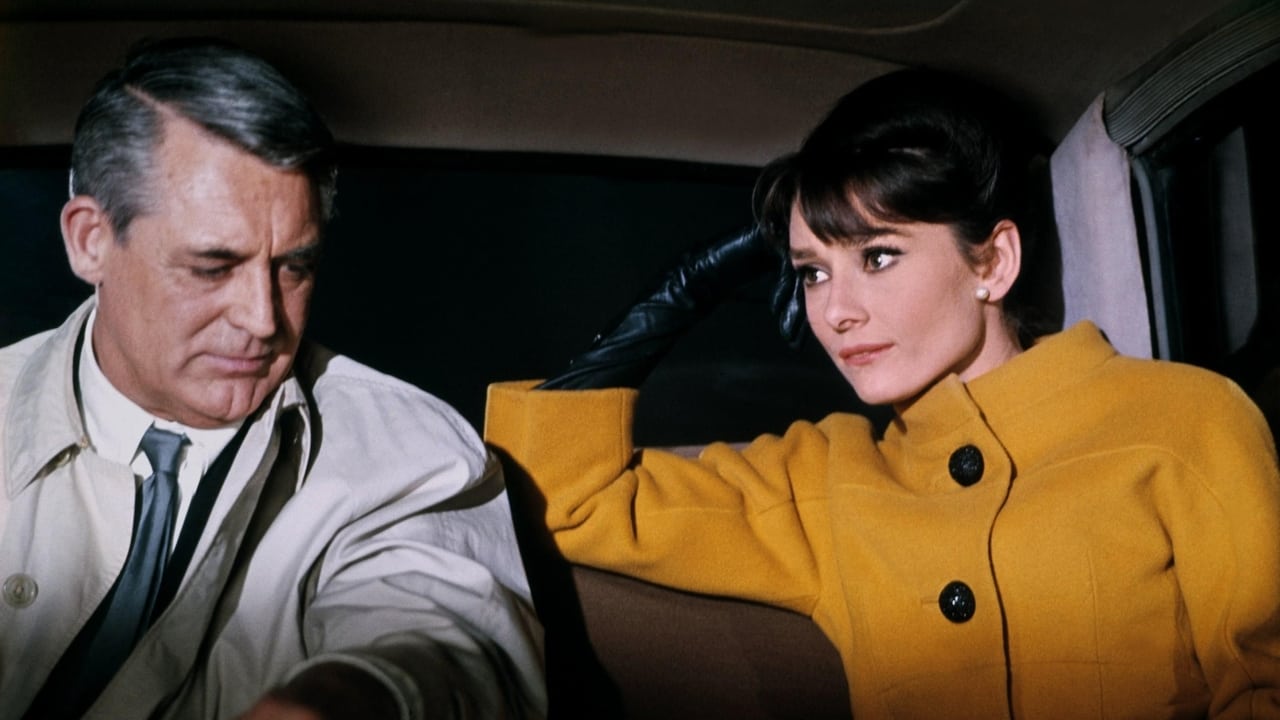
For years, Charade occupied a bizarre space in cinema history. Due to a legendary screw-up with the copyright notice, the film fell into the public domain immediately upon release. This meant that during the 1980s VHS boom, it was the "budget bin" king. You could find it on every grainy, $5 "Diamond Entertainment" tape in existence, often squeezed between a cartoon about a talking tugboat and a public-service announcement. This ubiquity almost made us forget that it is, pound for pound, the most polished "Hitchcockian" thriller that Alfred Hitchcock never actually touched.
The Identity shell game
The premise is a masterclass in elegant chaos. Audrey Hepburn plays Regina Lampert, a woman who returns from a ski trip to find her husband murdered, her apartment stripped bare, and a trio of very angry World War II veterans—James Coburn, George Kennedy, and Ned Glass—convinced she has their stolen quarter-million dollars. Enter Cary Grant, a man who changes his name more often than most people change their socks.
What’s fascinating from a cerebral perspective is how the film treats the concept of the "Self." Cary Grant is introduced as Peter Joshua, then Alexander Dyle, then Adam Canfield, and eventually Brian Cruikshank. In any other movie, this would be a source of existential dread. Here, it’s a flirtatious game. The film asks: does it matter who a person "really" is if the version they are presenting to you is charming enough to buy you a gelato? Charade posits that identity is a performance, and in the high-stakes world of international espionage, the best actor is the one who survives the final act.
Chemistry at a Distance
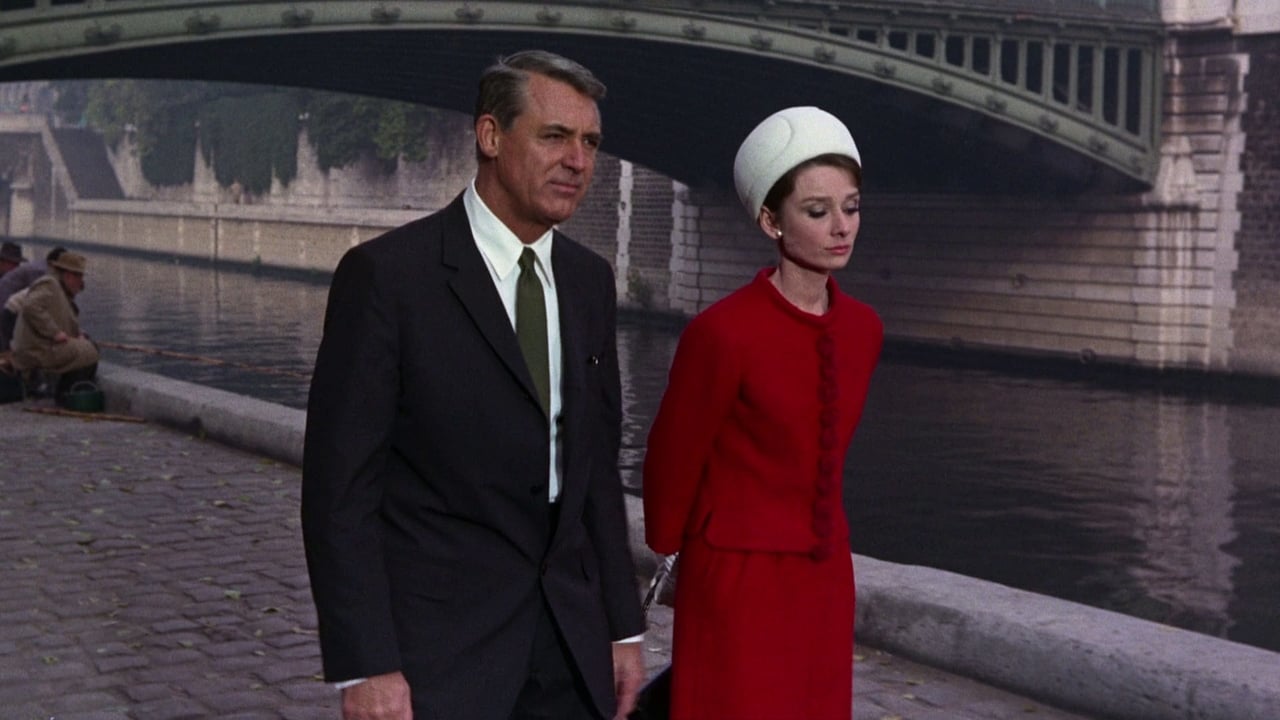
There’s a famous bit of trivia regarding the script’s development. Cary Grant was 59 at the time, and Audrey Hepburn was 33. Grant was genuinely uncomfortable with the age gap, fearing he’d look like a "dirty old man" chasing a younger woman. To fix this, director Stanley Donen and screenwriter Peter Stone did something brilliant: they made Regina the aggressor.
She’s the one chasing him, poking his chin, and asking if he "bits." This reversal doesn't just solve the age optics; it gives the film its unique comedic rhythm. Audrey Hepburn is luminous, bringing a sharp, cynical wit to the "damsel in distress" trope, while Cary Grant plays a magnificent straight man to the absurdity surrounding him. Watching them trade barbs while eating oranges is pure cinematic serotonin, a reminder that dialogue used to be as choreographed as a dance.
Practical Terror and Parisian Style
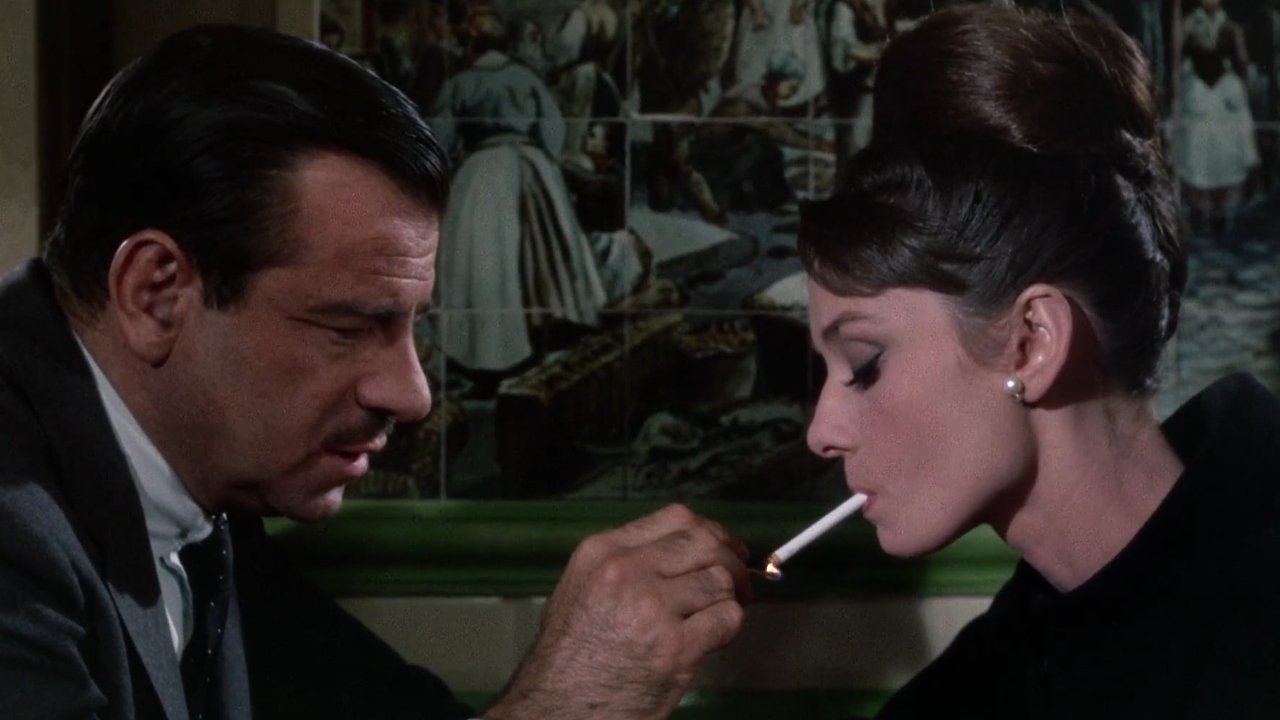
While the romance is bubbly, the thriller elements have a surprisingly jagged edge. George Kennedy is genuinely menacing with his metal hook, and the fight scene on the roof of the Palais-Royal is a marvel of pre-CGI stunt work. There are no green screens here—just actors actually teetering on the edge of French architecture. James Coburn, before he became a stylized icon in Our Man Flint (1966), brings a lean, wolfish energy to Tex Panthollow, especially in the scene where he uses matches to test Regina’s nerves.
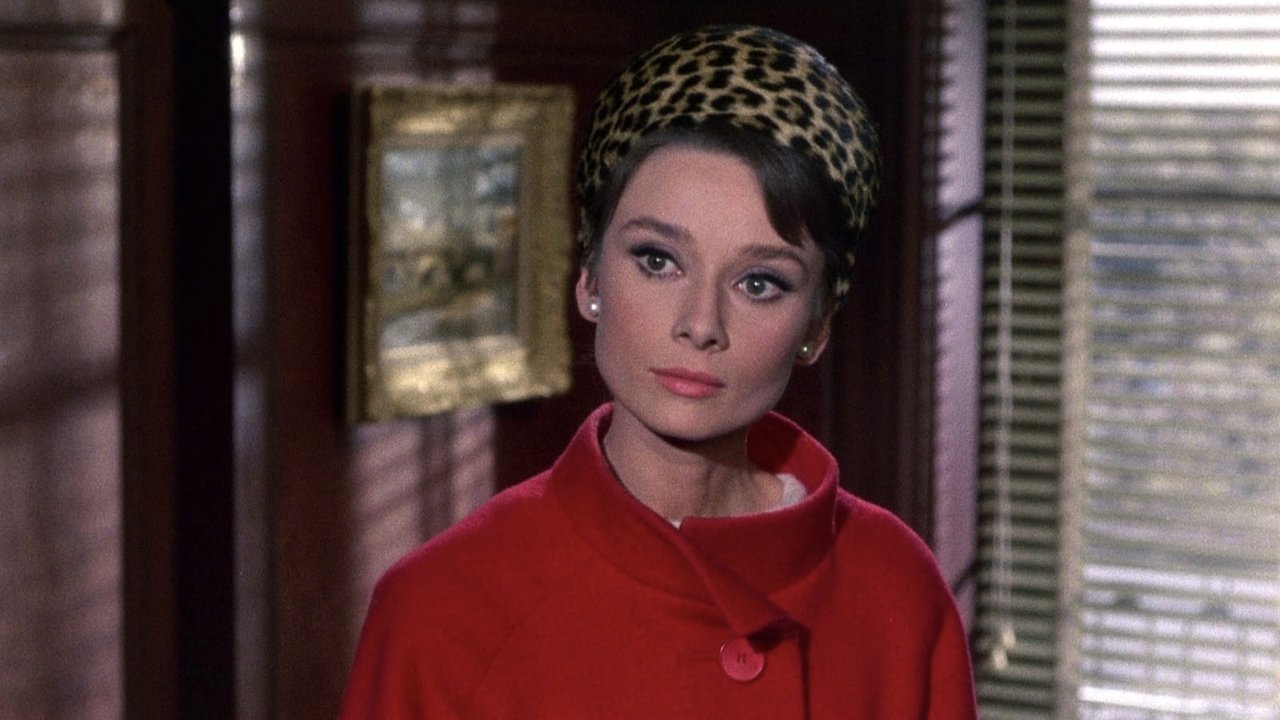
The film also benefits from Henry Mancini’s score, which is a character unto itself. It shifts from a driving, percussion-heavy main theme to a melancholic Parisian waltz that feels like it’s being played in a smoky café just out of frame. It’s the kind of music that makes you want to wear a trench coat and stand under a streetlamp for no reason.
Charade is a miracle of tone. It manages to be a morbid mystery (the opening image of a body being tossed from a train is genuinely grim), a high-fashion travelogue, and a screwball comedy all at once. It’s a film that trusts its audience to keep up with its shifting allegiances and "MacGuffins" without ever feeling the need to over-explain. Whether you’re watching a pristine 4K restoration or a grainy VHS tape you found in a thrift store, the brilliance of the Grant-Hepburn pairing remains untouchable. It’s the ultimate "comfort" thriller—a movie that reminds us that even if the world is trying to kill us, we might as well look fabulous while they try.
Keep Exploring...
-
My Fair Lady
1964
-
Harold and Maude
1971
-

Singin' in the Rain
1952
-
The Apartment
1960
-
Breakfast at Tiffany's
1961
-
Marnie
1964
-

The Hustler
1961
-
Annie Hall
1977
-
Fast Times at Ridgemont High
1982
-
Sabrina
1954
-
Manhattan
1979
-
The Philadelphia Story
1940
-
La Dolce Vita
1960
-
Jules and Jim
1962
-
La Jetée
1962
-

The Graduate
1967
-

Murder by Death
1976
-
Romancing the Stone
1984
-
Clue
1985
-
The Purple Rose of Cairo
1985