From Russia with Love
"Before the gadgets, there was the cold, hard blade."
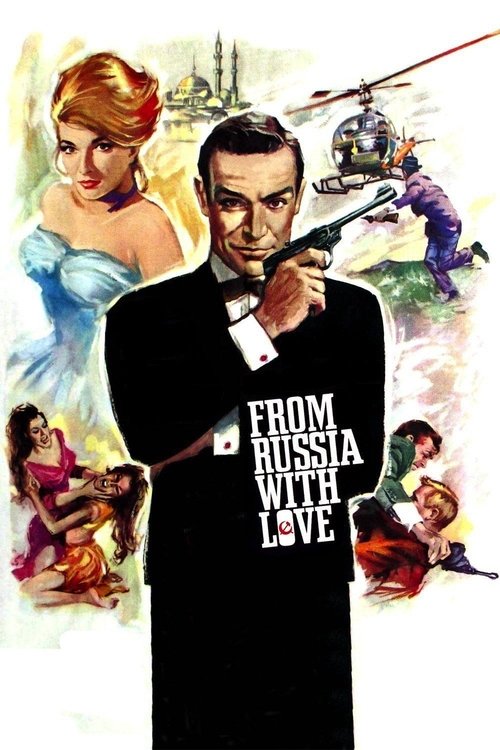
The Cold Sweat of the Cold War
Most people associate James Bond with invisible cars, laser watches, and a certain campy invincibility. But if you strip away the cartoonish excess of the later years and look at the 1963 sophomore effort, From Russia with Love, you find something far more unsettling. This isn't a high-flying adventure; it’s a claustrophobic, sweaty, and surprisingly mean-spirited spy thriller. I watched this recently while nursing a lukewarm cup of Earl Grey that had a single, stubborn tea leaf floating on top, and that bit of bitterness felt entirely appropriate for the mood.
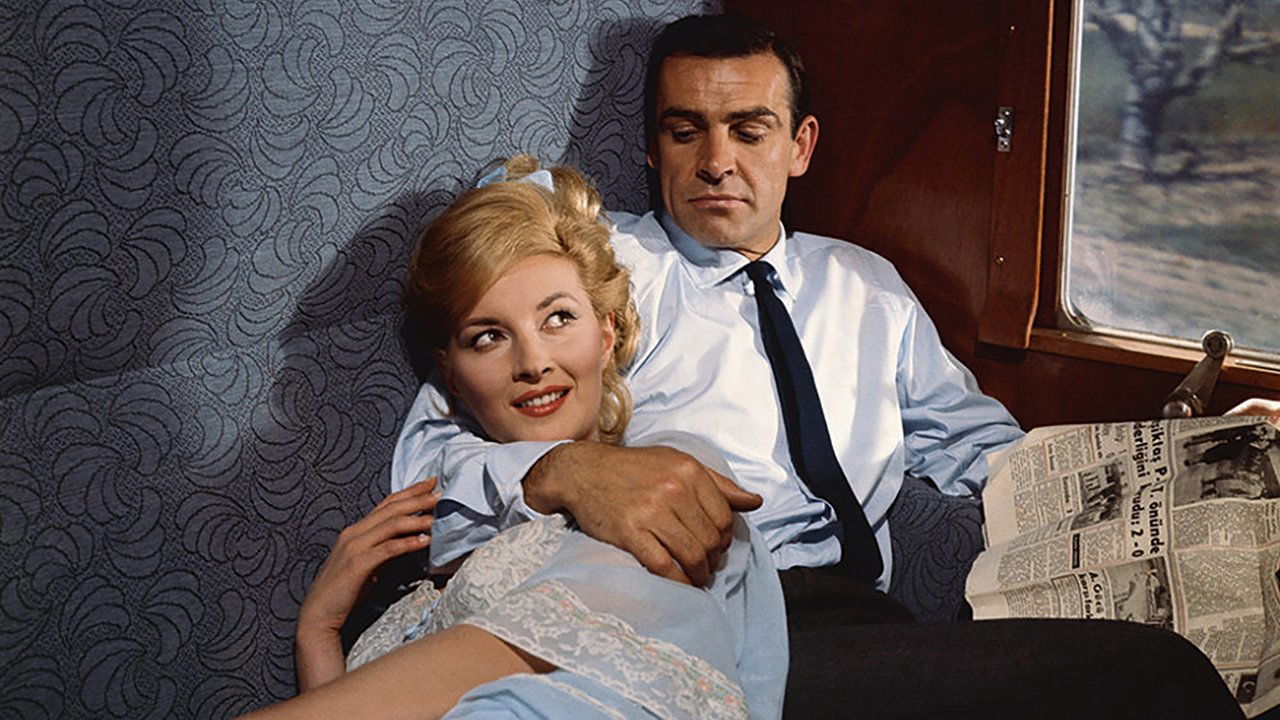
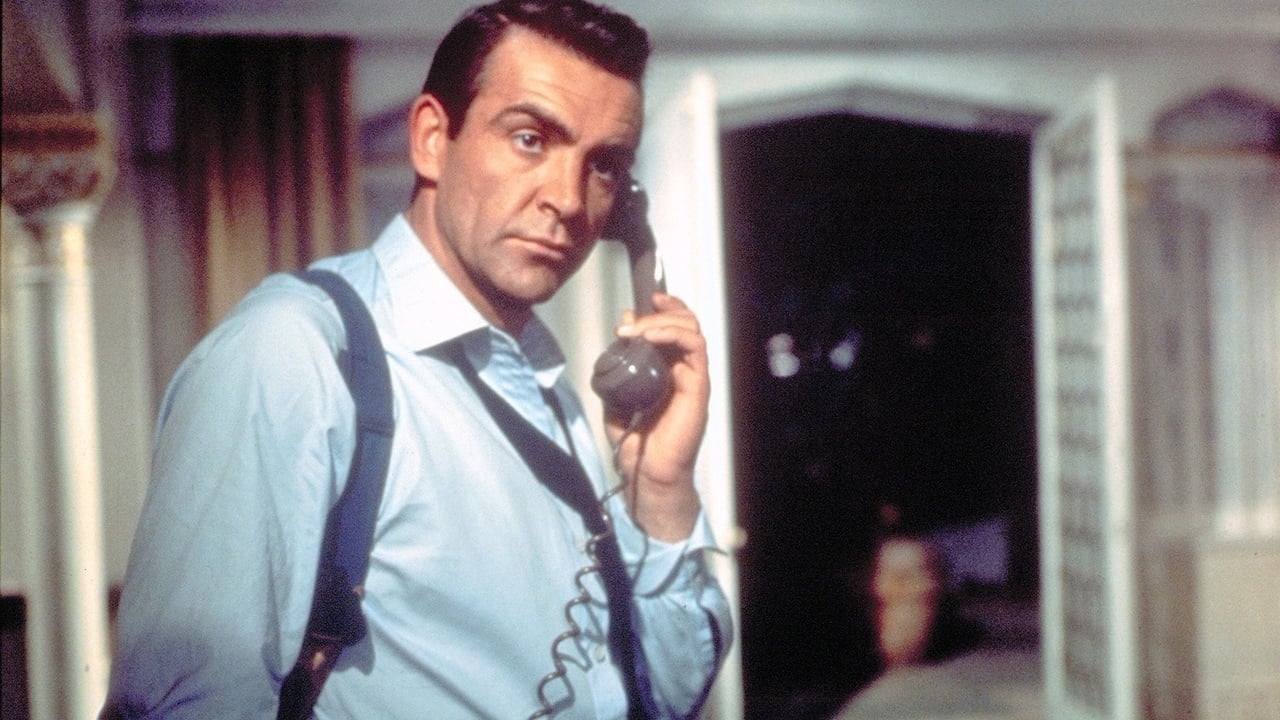
While Dr. No introduced the silhouette, From Russia with Love gave us the man. Sean Connery isn’t just a tuxedo-clad mannequin here; he’s a working agent who looks like he genuinely expects to be stabbed in an alleyway. There is a palpable tension in the transition from the polished Hollywood "Golden Age" glamour to the gritty, grounded reality of 1960s European espionage. You can almost smell the cigarette smoke and the damp stone of the Istanbul cisterns.
A Masterclass in Close-Quarters Chaos
The action in this film feels heavy. When Bond fights, he isn't performing a ballet; he’s surviving. The centerpiece, of course, is the showdown on the Orient Express between Bond and Robert Shaw’s Donald ‘Red’ Grant. Even today, with all our rapid-fire editing and CGI-assisted stunts, that fight is terrifying. Robert Shaw plays Grant with a terrifying, vacant-eyed stillness—he looks like a shark in a business suit.
The choreography is tight, messy, and desperate. Because the crew was working within a relatively modest $2 million budget—a figure that seems like pocket change compared to the blockbusters that followed—they couldn't rely on massive set-piece destruction. Instead, they focused on the physical reality of two men trying to kill each other in a cramped train compartment. The sound design carries the weight; every thud and grunt feels earned. It’s a choreographed car crash in a closet, and it set the gold standard for every "fight on a train" sequence that followed in cinema history.

The Scrappiness of Greatness
There’s a persistent myth that Bond movies were always these bloated, effortless productions. In reality, From Russia with Love was a triumph of independent-minded resourcefulness. Director Terence Young (who also helmed Dr. No and later Wait Until Dark) had to squeeze every cent out of the production. They didn't have a fleet of helicopters at their beck and call; the famous aerial attack sequence was a direct, low-budget homage to Hitchcock's North by Northwest, and it nearly ended in disaster when the pilot flew far closer to Sean Connery than anyone had planned.
The production also carried a heavy emotional weight. Pedro Armendáriz, who plays the charismatic Ali Kerim Bey, was diagnosed with terminal cancer during filming. He reportedly worked through immense pain to ensure he could finish his scenes and provide for his family, a piece of behind-the-scenes reality that lends his performance an incredible, poignant dignity. When you see his chemistry with Connery, you aren't just seeing two actors; you're seeing a genuine passing of the torch.
Then there is Lotte Lenya as Rosa Klebb. She is the antithesis of the "Bond Girl" trope—a cold, calculating predator with poisoned blades in her shoes. Her performance is a reminder that the stakes in this era of Bond were moral as much as they were physical. SPECTRE isn't just a group of goons; they are architects of a psychological game where Bond is actually a secondary character to the logistics of his own assassination.

From Russia with Love remains the definitive "spy" movie of the franchise. It’s the one I return to when I want to remember why this character mattered before he became a corporate icon. It captures a specific moment in the early 60s where the shadows were getting longer, the villains were getting more human, and the hero still had to check his hotel room for bugs with a manual sweep rather than a digital scanner. It’s lean, mean, and utterly essential for anyone who appreciates the craft of the practical thriller.
If you’ve only ever seen the modern, high-tech iterations of 007, do yourself a favor and go back to the train. Sit across from Robert Shaw, ignore the "Old Man" banter for a second, and feel the genuine dread of a movie that knows exactly how dangerous a quiet room can be. This isn't just a sequel; it’s the moment the Bond mythos found its teeth. It’s a cold, hard look at a world that doesn’t care if you live or die, provided the Lektor reaches the right hands.
Keep Exploring...
-
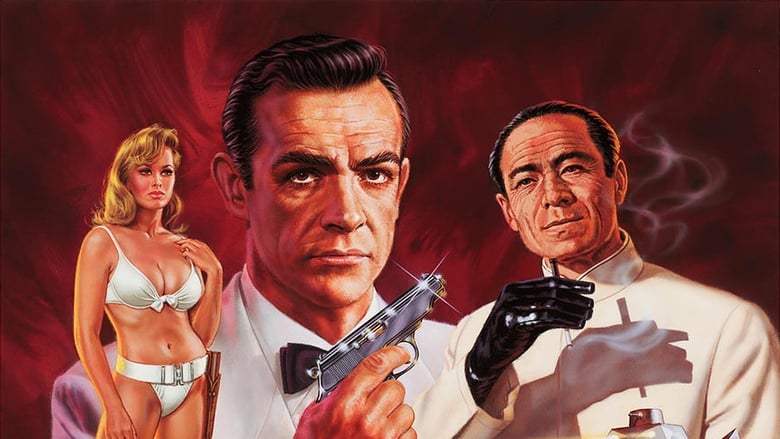
Dr. No
1962
-
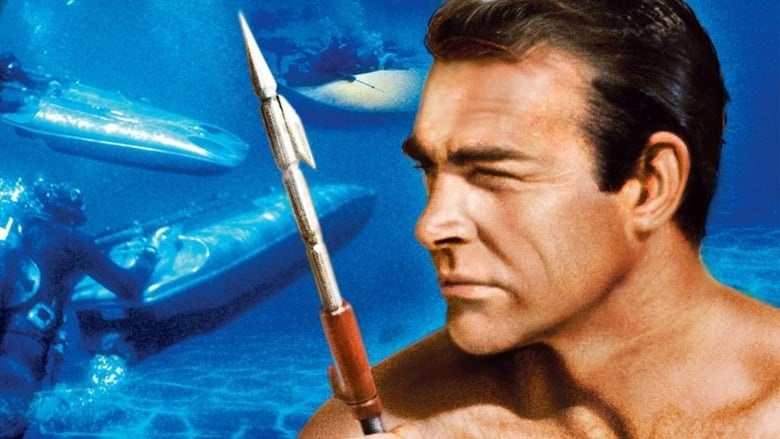
Thunderball
1965
-

Goldfinger
1964
-
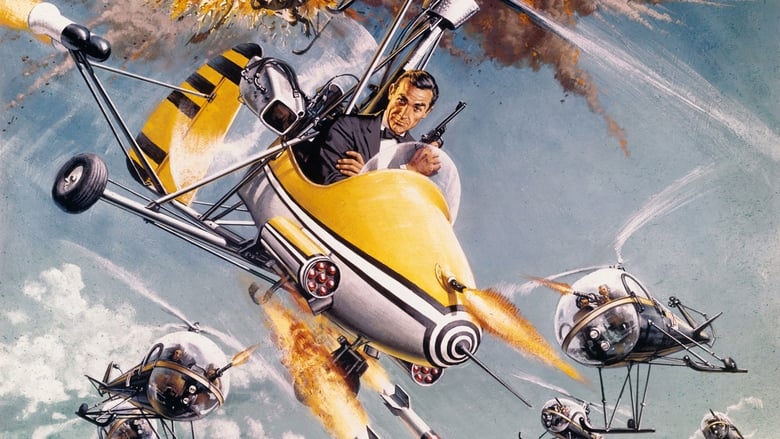
You Only Live Twice
1967
-
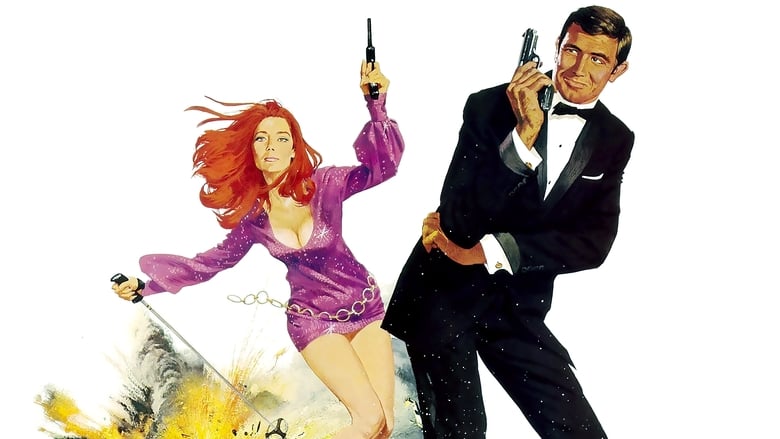
On Her Majesty's Secret Service
1969
-
The Spy Who Loved Me
1977
-
Octopussy
1983
-
Live and Let Die
1973
-
Moonraker
1979
-
For Your Eyes Only
1981
-
The Living Daylights
1987
-
Licence to Kill
1989
-
The Man with the Golden Gun
1974
-
Never Say Never Again
1983
-
A View to a Kill
1985
-
Diamonds Are Forever
1971
-
Casino Royale
2006
-

Skyfall
2012
-
No Time to Die
2021
-
GoldenEye
1995