High and Low
"High stakes, low places, and no easy way out."
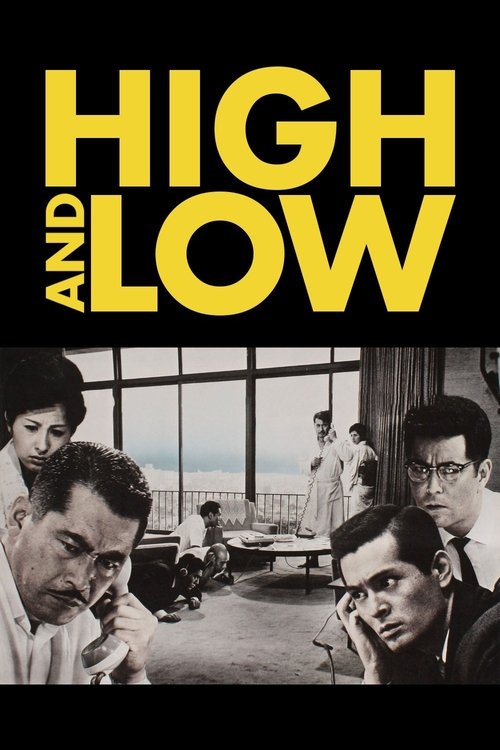
The first time I sat down to watch High and Low, I had a bowl of slightly burnt stovetop popcorn and a cat who decided that the middle of the subtitles was the best place to take a nap. Despite the feline interference, I couldn’t look away. There’s a specific kind of heat you feel in this movie—a humid, oppressive Yokohama summer that makes every collar look too tight and every forehead glisten with desperation. Akira Kurosawa doesn’t just tell a story here; he traps you in a room with a man’s conscience and waits for someone to blink.
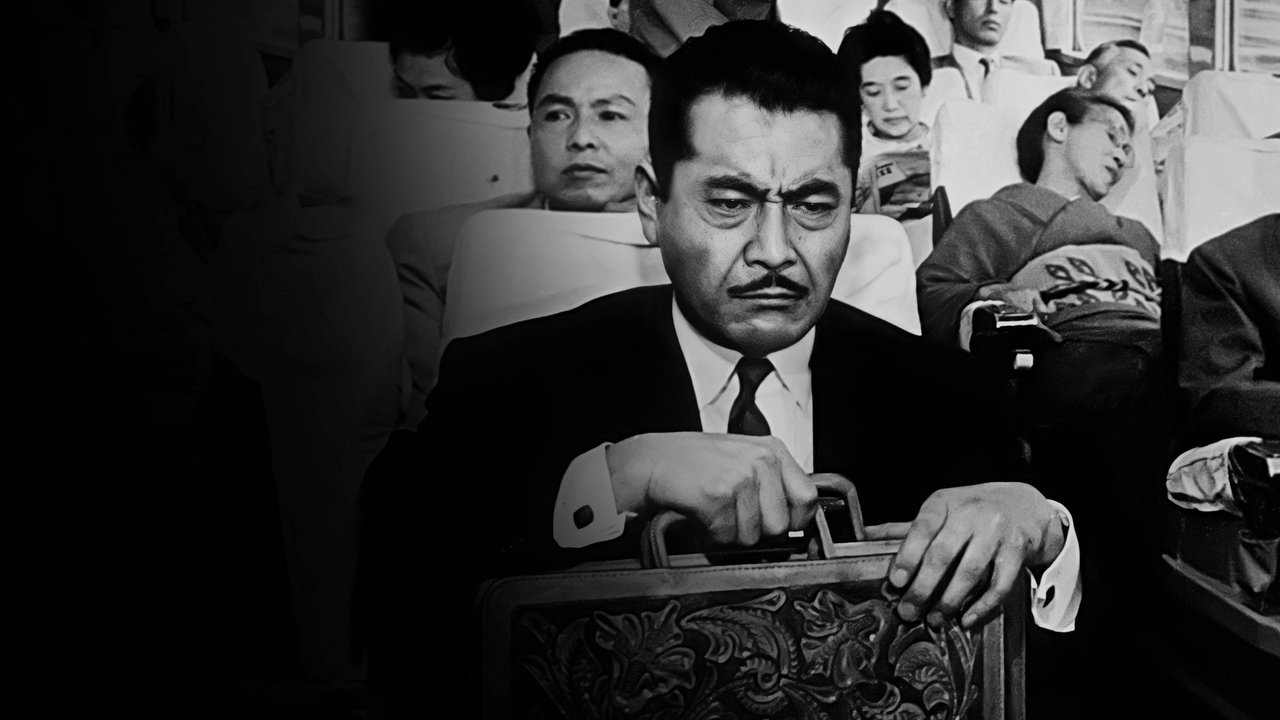
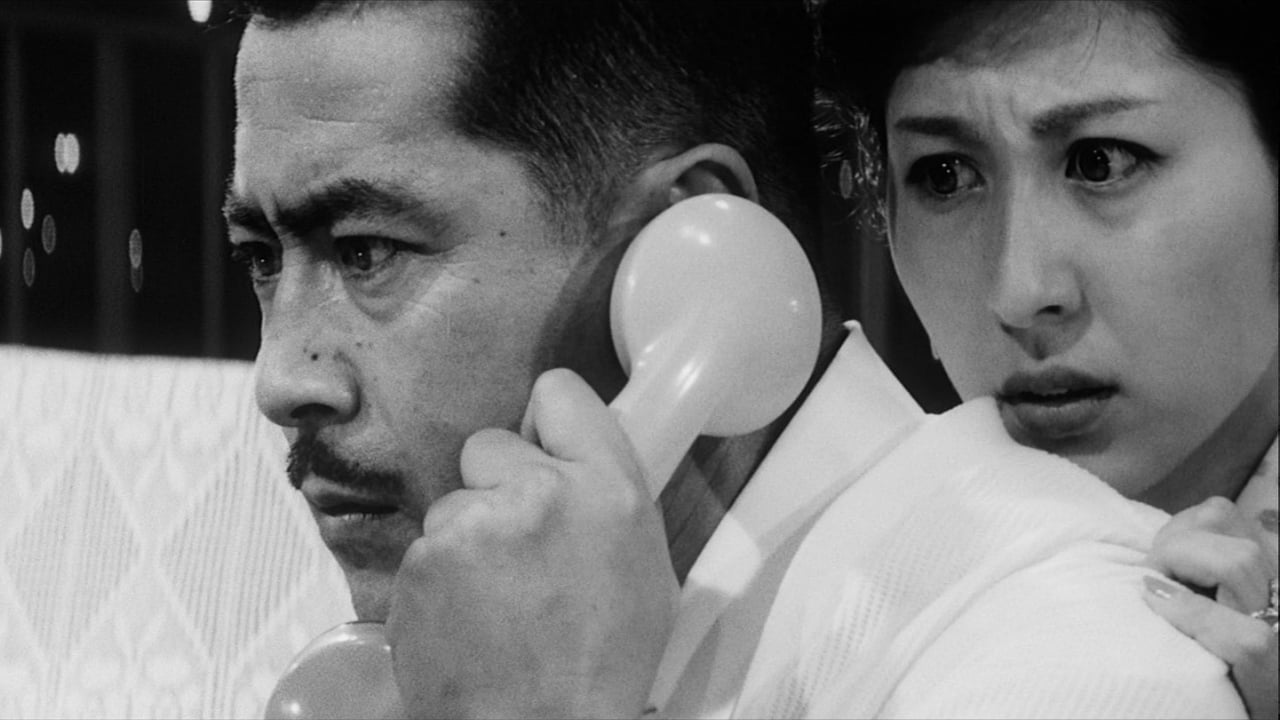
The film is a masterstroke of structural brilliance, split almost exactly down the middle. In the "High" section, we are stuck in the opulent, air-conditioned hilltop mansion of Kingo Gondo, played by the legendary Toshirō Mifune (the powerhouse behind Seven Samurai and Yojimbo). Gondo is a self-made shoe executive on the verge of a risky buyout that would give him total control of his company. Then, the phone rings. A kidnapper has his son. Except, wait—the kidnapper grabbed the chauffeur’s son by mistake. The ransom remains the same: a fortune that would leave Gondo penniless and professionally ruined.
The Geography of Guilt
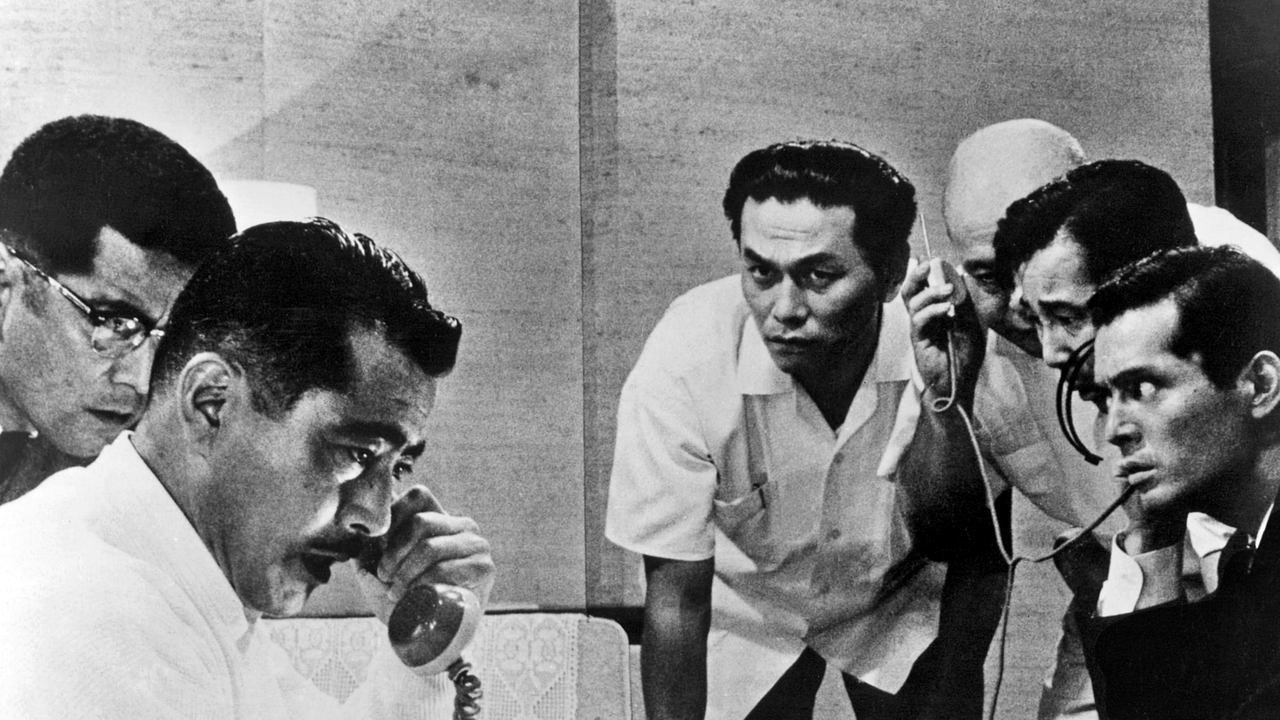
What follows is an hour of the most intense "parlor drama" ever captured on film. Kurosawa uses the widescreen Tohoscope frame to arrange his actors like chess pieces. You see Gondo’s internal war played out through his physical positioning—sometimes he’s standing tall at the window, looking down at the slums he escaped, and other times he’s slumped in the shadows of his own success. Toshirō Mifune is usually known for his kinetic, explosive energy, but here he is as bottled up as a pressure cooker about to blow its lid.
I’ve always found it fascinating how Kurosawa managed to make a single living room feel as vast as a battlefield. There’s a scene where the police, led by the cool and calculated Chief Detective Tokura (Tatsuya Nakadai), are trying to trace a call while Gondo paces. The tension is so thick you could cut it with a blunt steak knife. You aren't just watching a kidnapping; you’re watching the slow disintegration of a man’s ego. Gondo has to decide if a child’s life—a child that isn't even "his" by blood or class—is worth his entire identity.
A Descent Into the Heat
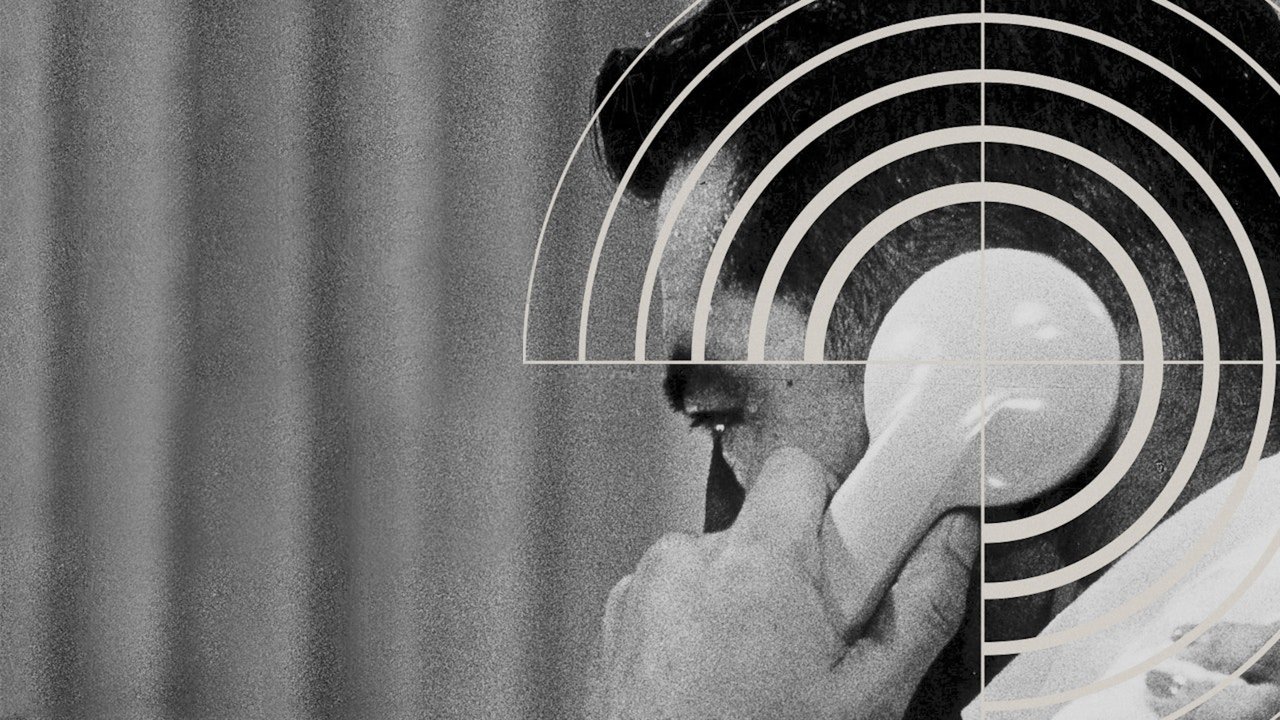
Then, the movie shifts. We leave the hill and head into the "Low." This is where the film turns into a gritty, procedural race against time. If the first half is about the soul, the second half is about the streets. We follow Tatsuya Nakadai—who is effortlessly suave here, a far cry from his villainous turn in Sanjuro—as he leads a massive police hunt through the dregs of Yokohama.
This transition felt revolutionary in 1963 and it still feels daring today. We go from the sterile luxury of the heights to the "Dope Alley" of the slums. The cinematography by Asakazu Nakai shifts from static, regal compositions to something much more restless and voyeuristic. There is a sequence on a bullet train that is easily one of the most stressful ten minutes in cinema history. It was shot on a real moving train with handheld cameras, a logistical nightmare that Kurosawa insisted on because he wanted the vibration of the tracks to rattle the audience’s teeth. It worked. I remember gripping my sofa cushions so hard I think I popped a seam.
The Hustle Behind the Masterpiece
While Kurosawa had the backing of TOHO, High and Low has the soul of an independent thriller. It was based on an American "pulp" novel by Ed McBain, but Kurosawa stripped away the generic tropes to focus on the class divide of post-war Japan. The production was a lesson in resourcefulness; the crew actually built that hilltop house to be visible from the lower-city locations to ensure the visual metaphor was always present.
Apparently, Kurosawa was so obsessed with the "Low" half of the film that he spent weeks scout-mapping the red-light districts to find the most authentic, grimy corners of the city. He didn't want a set; he wanted the smell of the gutter. This obsession with reality extended to the cast as well. Tatsuya Nakadai once mentioned that Kurosawa’s rehearsals were so grueling that the actors felt the exhaustion they were portraying. This wasn't just "acting" tired; this was a group of people who had been pushed to their limit by a director who settled for nothing less than perfection.
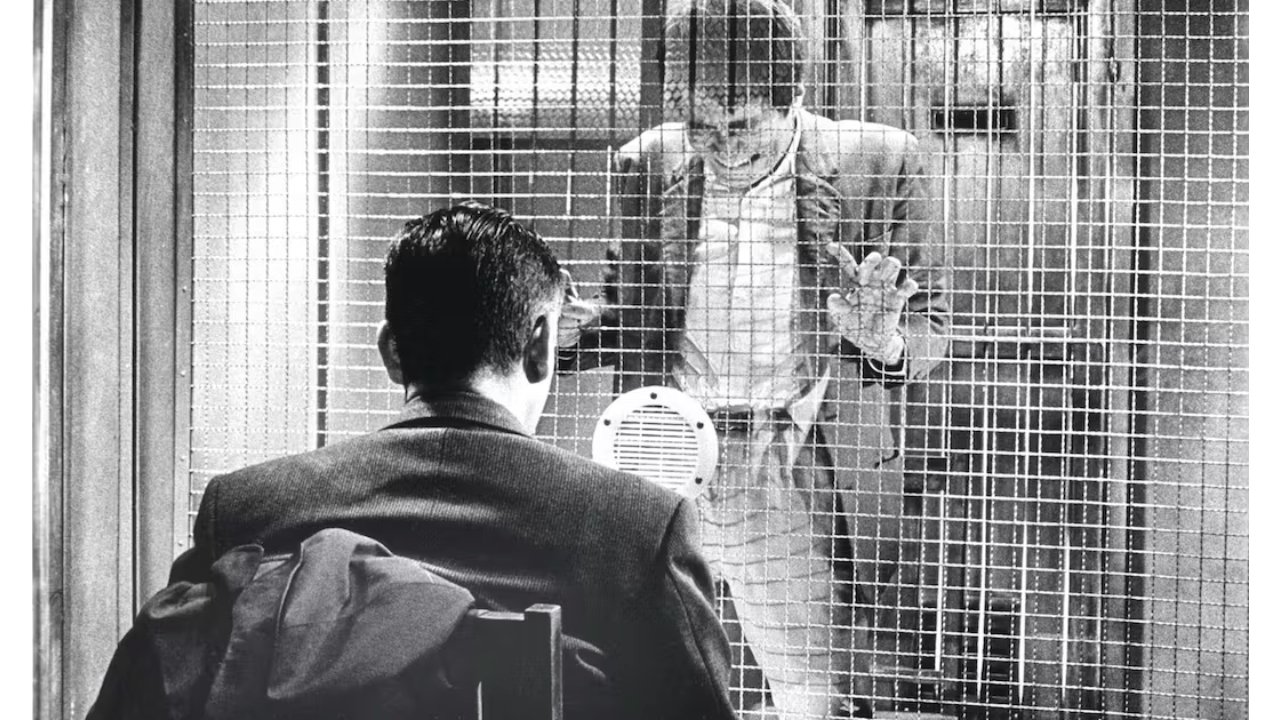
The film also features a young Tsutomu Yamazaki as the kidnapper, an intern who lives in a tiny, sweltering apartment. He represents a new kind of post-war resentment—the man who looks up at the "High" house and sees it as a personal insult. It’s a dark, nihilistic performance that provides a chilling counterpoint to Gondo’s old-school work ethic.
High and Low is a rare beast: a thriller that makes your brain work as hard as your heart. It’s a movie that asks what we owe to each other when the cost is everything we’ve built. By the time the final, haunting image fades to black, you’re left feeling like you’ve been through the wringer along with Gondo. It is a staggering achievement in tension and a poignant look at the distance between the penthouse and the pavement. If you haven't seen it, clear your schedule—this is one "old movie" that hasn't lost a single degree of its heat.
Keep Exploring...
-

Yojimbo
1961
-

Rashomon
1950
-

Breathless
1960
-
In the Heat of the Night
1967
-
Seven Samurai
1954
-
Serpico
1973
-
Badlands
1974
-

The Conversation
1974
-
Midnight Express
1978
-
Ran
1985
-
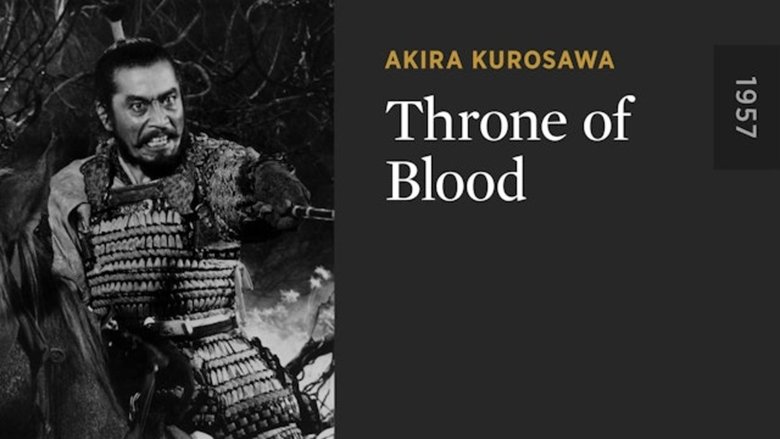
Throne of Blood
1957
-
Bonnie and Clyde
1967
-
Cool Hand Luke
1967
-
Pierrot le Fou
1965
-
Le Samouraï
1967
-
Peeping Tom
1960
-
What Ever Happened to Baby Jane?
1962
-
The Great Escape
1963
-

Repulsion
1965
-
Dog Day Afternoon
1975