The Great Escape
"The ultimate gamble with the highest possible stakes."
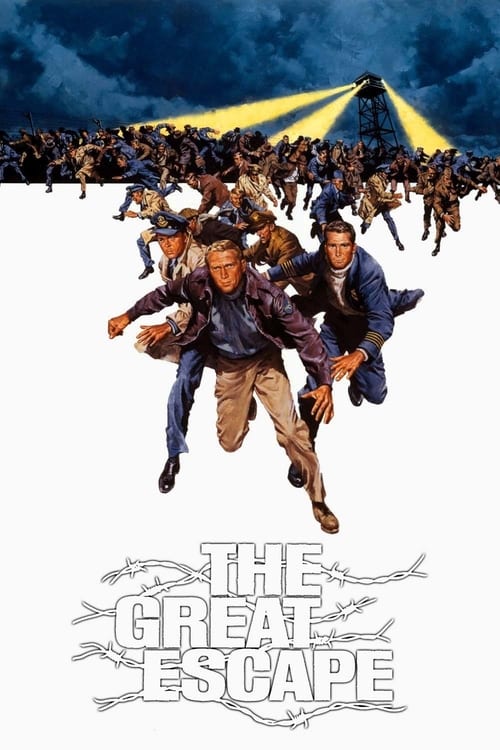
Elmer Bernstein’s iconic march is a liar. It’s one of the most recognizable tunes in cinema history—a jaunty, whistling anthem that suggests a lighthearted adventure across the German countryside. But if you actually sit with The Great Escape, really sit with it for all 173 minutes, that whistle starts to feel less like a parade and more like a defiant scream into a void that eventually swallows most of its characters whole. It is a film that wears the mask of a caper but hides the heart of a tragedy.
I watched this most recent time while nursing a lukewarm cup of coffee that had gathered a thin film of dust from some neglected shelf-cleaning, and honestly, the grittiness of the brew matched the third-act shift of the movie perfectly. Most people talk about this film as a "fun" war movie, but they’re usually just remembering the first two hours. By the time the credits roll, the "fun" has been methodically dismantled by a firing squad.
The Scrappy Architecture of a Stalag
While this was a major production for United Artists, there’s a distinct, resourceful energy to how John Sturges (who also gave us The Magnificent Seven) constructed the film. He didn't just find a location; the crew essentially built their own prison. They carved Stalag Luft III out of a German forest near Munich because the actual historical site was behind the Iron Curtain at the time. There’s something to be said for the "indie-spirit" of a big-budget crew having to replant 2,000 pine trees just to satisfy the German government's environmental laws after they cleared the space for the camp.
That physical reality translates to the screen. When you see Charles Bronson as Danny, the 'Tunnel King', cramped inside those wooden shafts, that isn't just acting. Bronson was actually claustrophobic in real life, a remnant of his days working in the coal mines. Every bead of sweat on his face as the tunnel "Tom" threatens to collapse feels like a genuine panic attack caught on celluloid. It’s this commitment to the physical—the dirt, the wood, the makeshift tools—that makes the eventual breakout feel like a miracle of engineering rather than a script convenience.
The Cooler King and the Scrounger
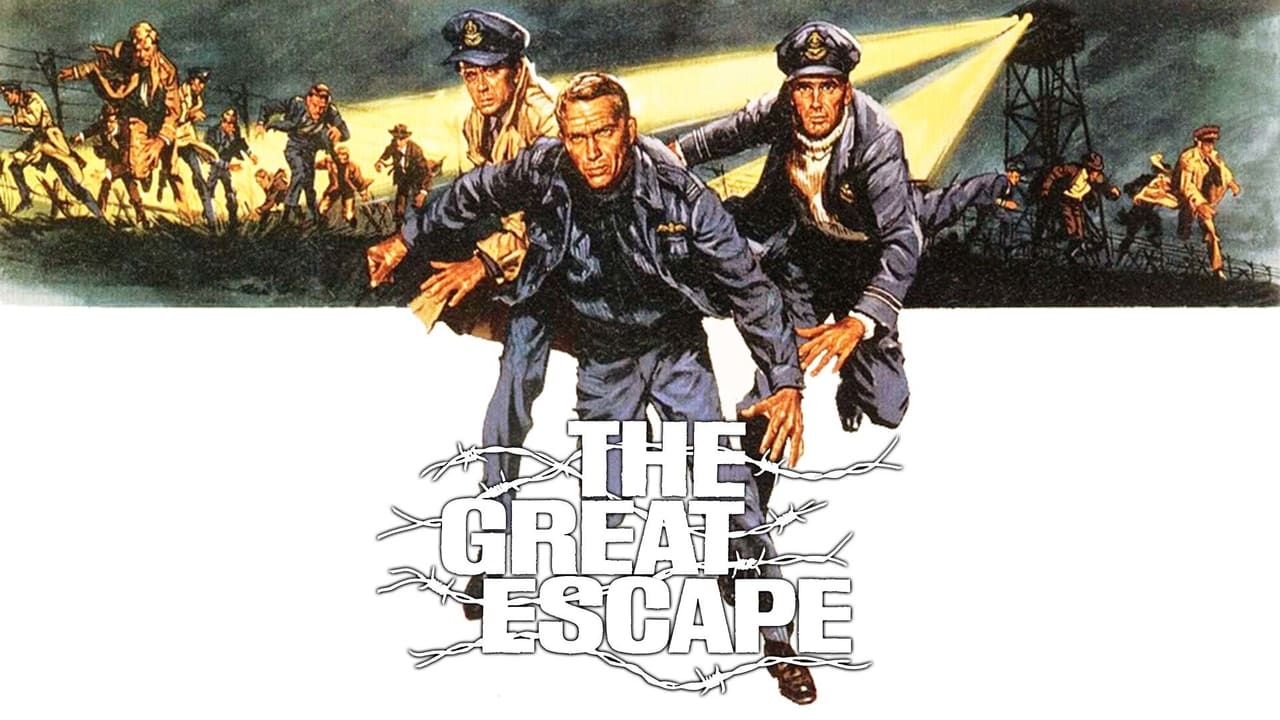
The cast is a literal "who’s who" of guys you’d want in your corner during a bar fight. Steve McQueen is, of course, the gravitational center. His portrayal of Hilts, 'The Cooler King', is the blueprint for the 1960s anti-hero. He’s arrogant, detached, and almost pathologically obsessed with his own independence. But James Garner as Hendley, 'The Scrounger', provides the necessary soul. His chemistry with Donald Pleasence, who plays the fading forger Blythe, is where the movie finds its emotional stakes.
Pleasence brings a devastating vulnerability to the role, likely because he was the only member of the cast who had actually been a P.O.W. in a German camp during the war. He reportedly gave John Sturges "advice" on set that was so accurate it changed how the camp life was staged. When his character begins to lose his eyesight, the tension isn't about whether they’ll get caught—it’s about whether his friends will leave him behind. It turns a "mission" movie into a character study about the heavy cost of loyalty.
The High Cost of the Open Road
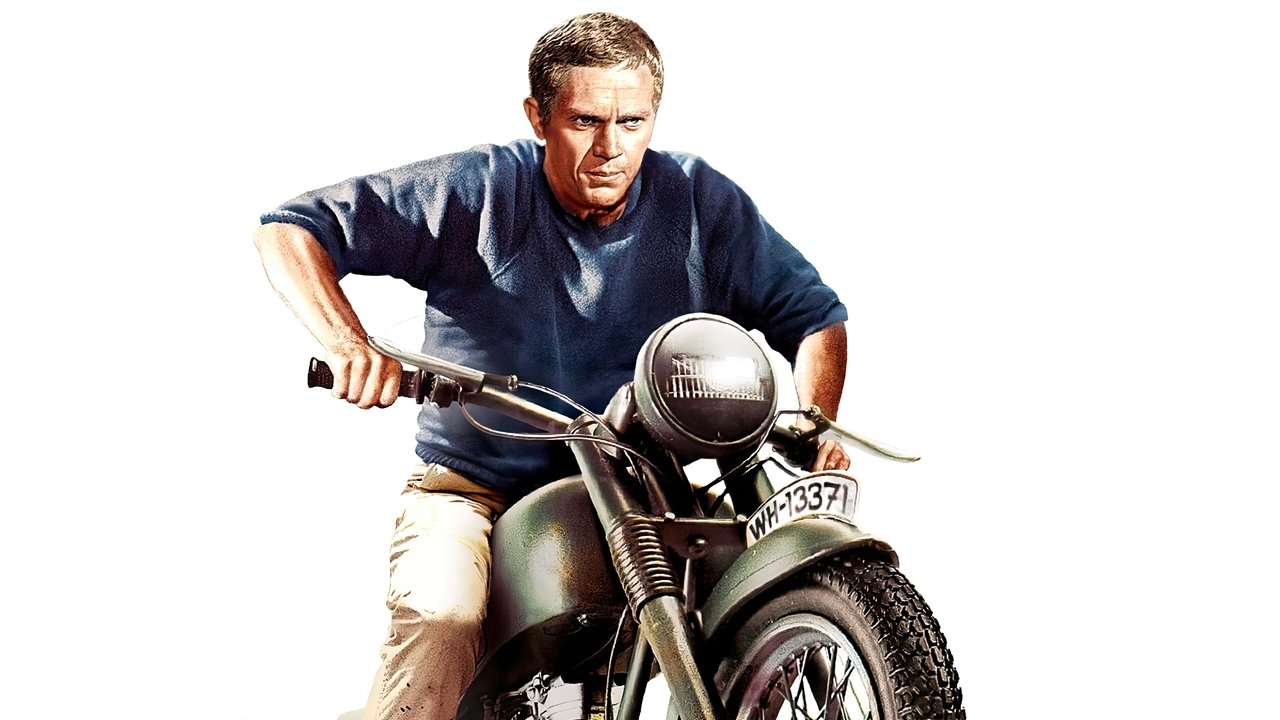
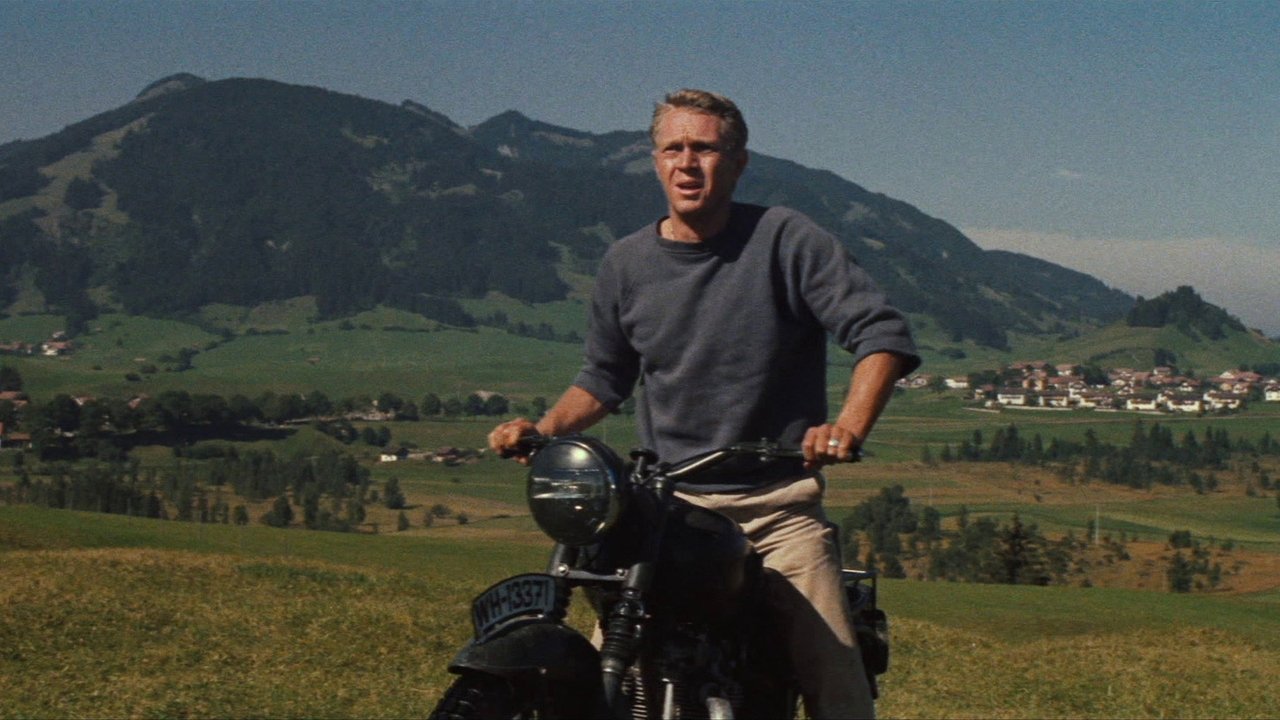
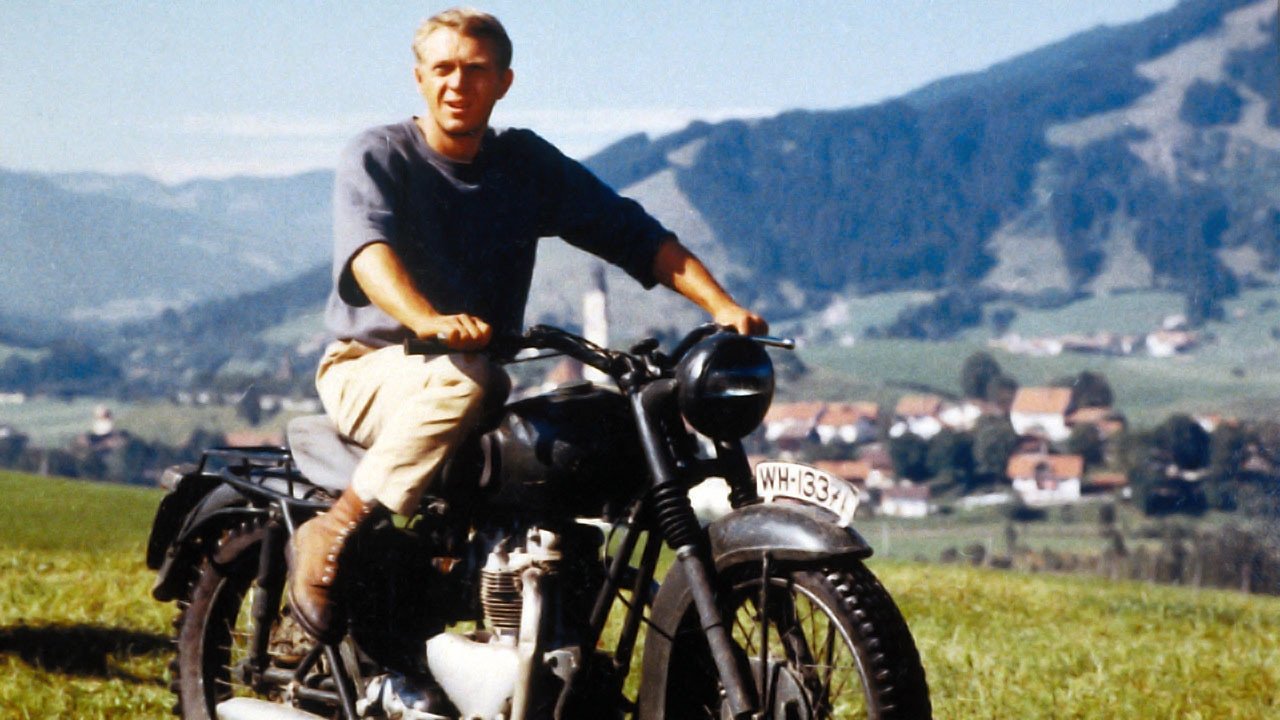
The film’s legacy is often reduced to the motorcycle jump. It’s a legendary piece of stunt work, made even better by the fact that Steve McQueen did almost all of the riding himself (except for the actual 60-foot leap, which was handled by his friend Bud Ekins). In a bit of practical-effects-era madness, McQueen was so much faster than the stuntmen playing the German soldiers that he actually dressed up as a German guard for several shots so he could "chase" himself, ensuring the pursuit looked sufficiently fast and dangerous.
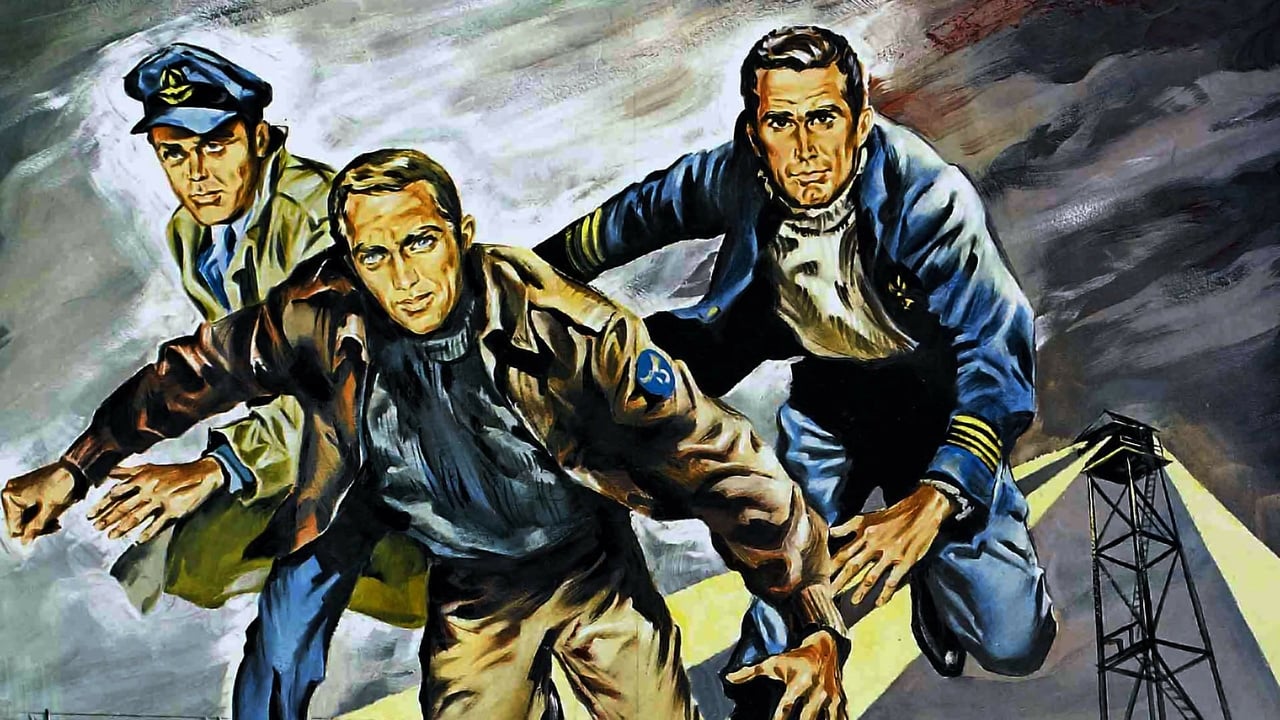
But for me, the most "New Hollywood" aspect of this 1963 classic is how it refuses to give the audience a clean victory. The final act is a relentless, somber descent. As the escapees scatter across Europe via trains, rowboats, and planes, the walls of the Reich close in. The transition from the sunny, optimistic planning stages to the grey, rain-slicked reality of occupied territory is jarring. The "Fifty" sequence remains one of the most sobering moments in 60s cinema. It’s a reminder that for these men, the fence wasn't just wood and wire; it was a border they could never truly cross.
The Great Escape is the rare epic that earns its runtime. It bridges the gap between the gallant war movies of the 1950s and the cynical, gritty realism that would define the 1970s. It’s a film about the indomitable nature of the human spirit, but it’s honest enough to show you that the spirit often gets crushed. If you’ve only ever seen the highlights on a grainy TV broadcast, do yourself a favor and watch the whole thing. Just be prepared for the fact that the whistling eventually stops.
Keep Exploring...
-

The Magnificent Seven
1960
-
Spartacus
1960
-
The Dirty Dozen
1967
-
The Longest Day
1962
-
Where Eagles Dare
1968
-
The Time Machine
1960
-
What Ever Happened to Baby Jane?
1962
-
In the Heat of the Night
1967
-
Deliverance
1972
-

Lawrence of Arabia
1962
-
Doctor Zhivago
1965
-

Breathless
1960
-
Peeping Tom
1960
-
From Russia with Love
1963
-
High and Low
1963
-
Dr. Strangelove or: How I Learned to Stop Worrying and Love the Bomb
1964
-
Pierrot le Fou
1965
-

Repulsion
1965
-
Blow-Up
1966
-
Easy Rider
1969