The Leopard
"The aristocrats are dying. Long live the bureaucrats."
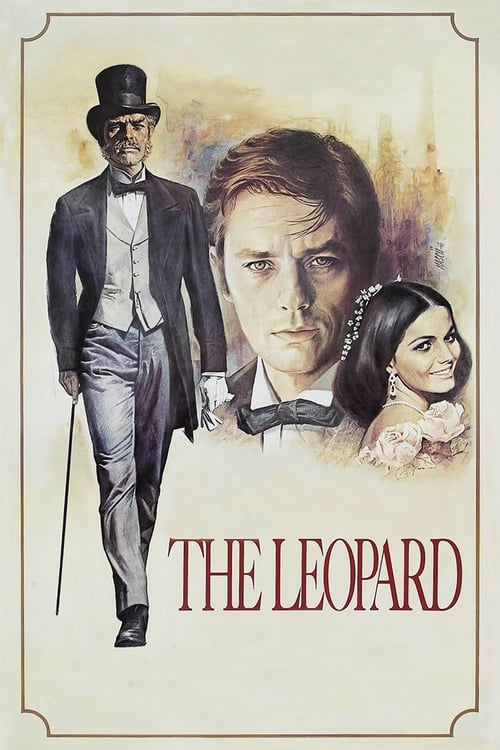
I once watched The Leopard while wearing a pair of exceptionally itchy wool socks, and for three hours, that nagging physical discomfort perfectly mirrored the internal state of Prince Don Fabrizio Salina. There is something profoundly physical about this movie. It isn’t just a "costume drama"; it’s a film about the weight of those costumes, the heat of the Sicilian sun, and the smell of a social class that has begun to rot from the inside out.
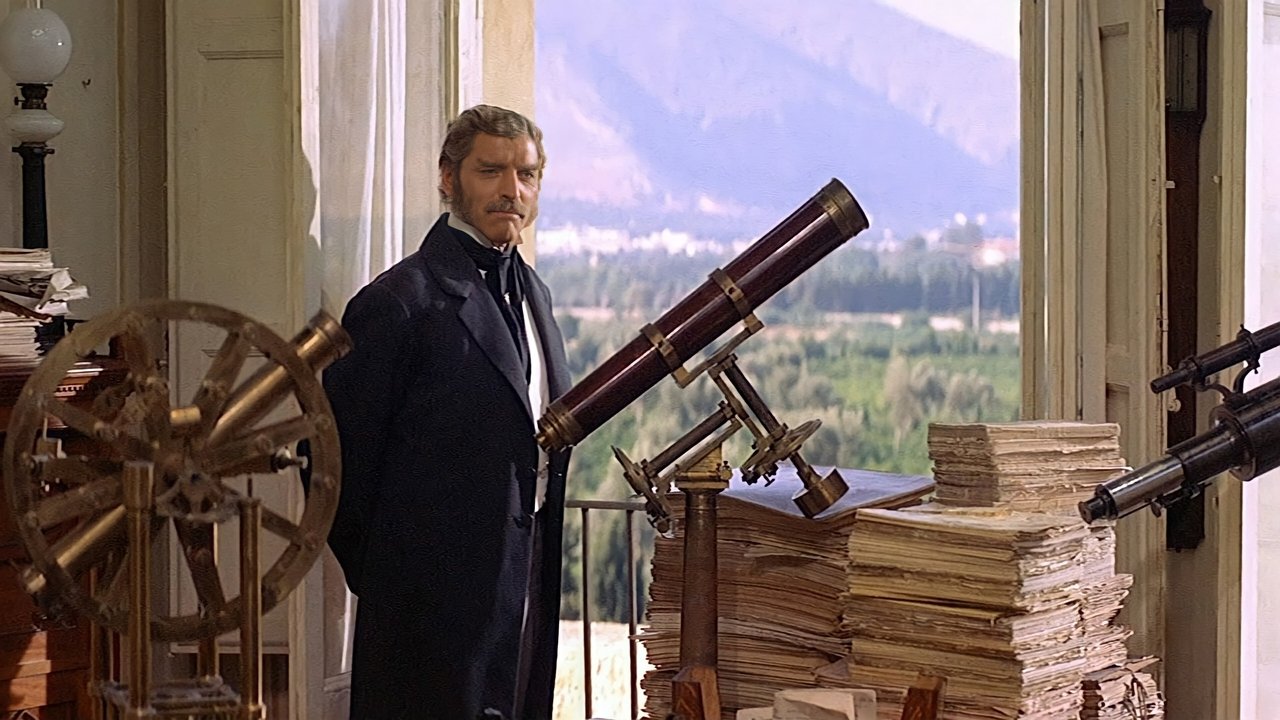
At 186 minutes, Luchino Visconti’s epic is a massive commitment. In the 1980s, if you were lucky enough to find the full-length version in a specialty rental shop, you were likely looking at a chunky double-VHS set. Most American audiences back then only knew the butchered, 161-minute English-dubbed version that 20th Century Fox had mangled, which turned Burt Lancaster’s performance into something that sounded like a gritty noir detective lost in a palace. But to see it as Visconti intended—in Italian, at its full, sprawling length—is to witness the exact moment the "Old Hollywood" style of epic filmmaking collided with the psychological depth of the European New Wave.
The Prince and the Panther
The plot is deceptively simple: It’s the 1860s, and Italy is unifying. The old world of titles and fiefdoms is being replaced by the new world of money and bureaucrats. Burt Lancaster plays the Prince of Salina, a man who realizes he is a dinosaur watching the meteor hit the Earth in slow motion. Lancaster was an inspired bit of casting; he was a former circus acrobat who brought a massive, physical presence to the role. He doesn't just walk through these palatial sets; he occupies them like a weary lion.
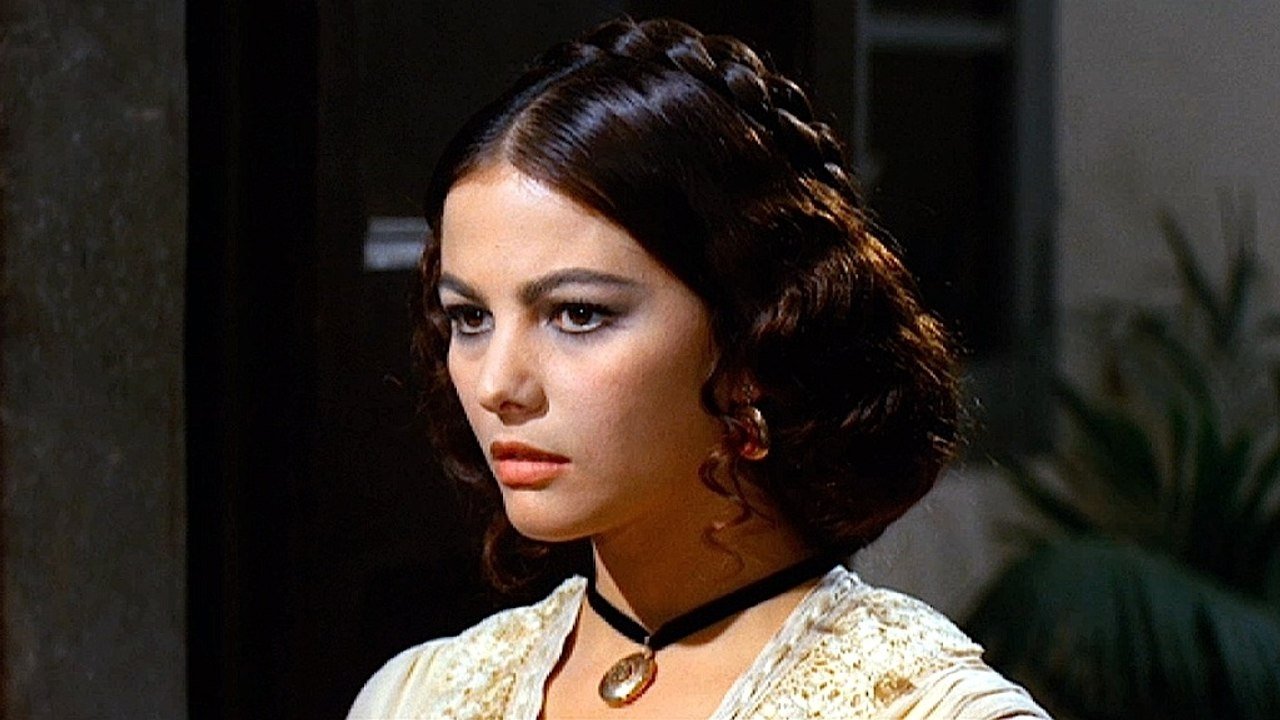
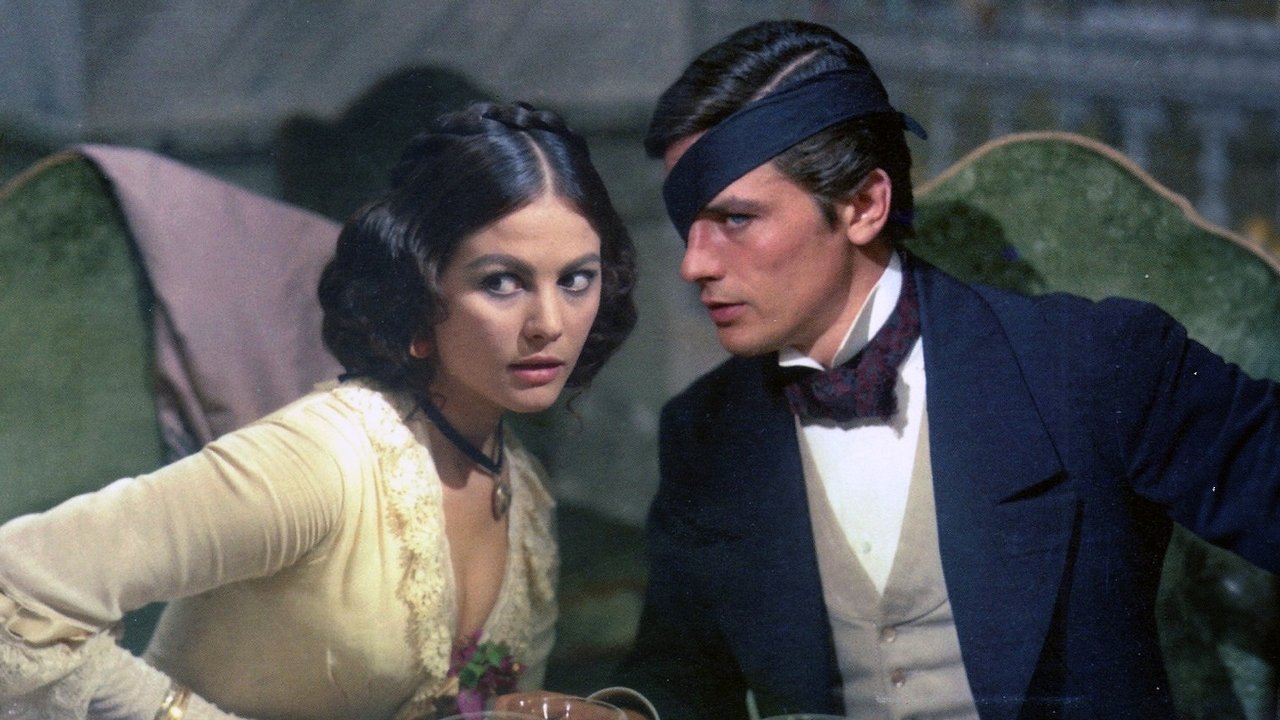
There’s a famous line in the film, delivered by his opportunist nephew Tancredi (played by a ridiculously handsome Alain Delon, fresh off his turn in René Clément's Purple Noon): "If we want things to stay as they are, things will have to change." It’s the ultimate cynical survival guide. To keep the Salina family relevant, the Prince agrees to marry Tancredi off to Angelica (Claudia Cardinale), the daughter of a wealthy, "vile" bourgeois mayor.
Cardinale is a force of nature here. When she first appears at dinner, her laugh is loud, unrefined, and terrifyingly alive. She represents the future—crass, beautiful, and completely devoid of the centuries of baggage the Prince carries. Watching Lancaster watch her is the heart of the movie; he’s attracted to her vitality but repulsed by what she represents for his bloodline.
A Forty-Five Minute Funeral
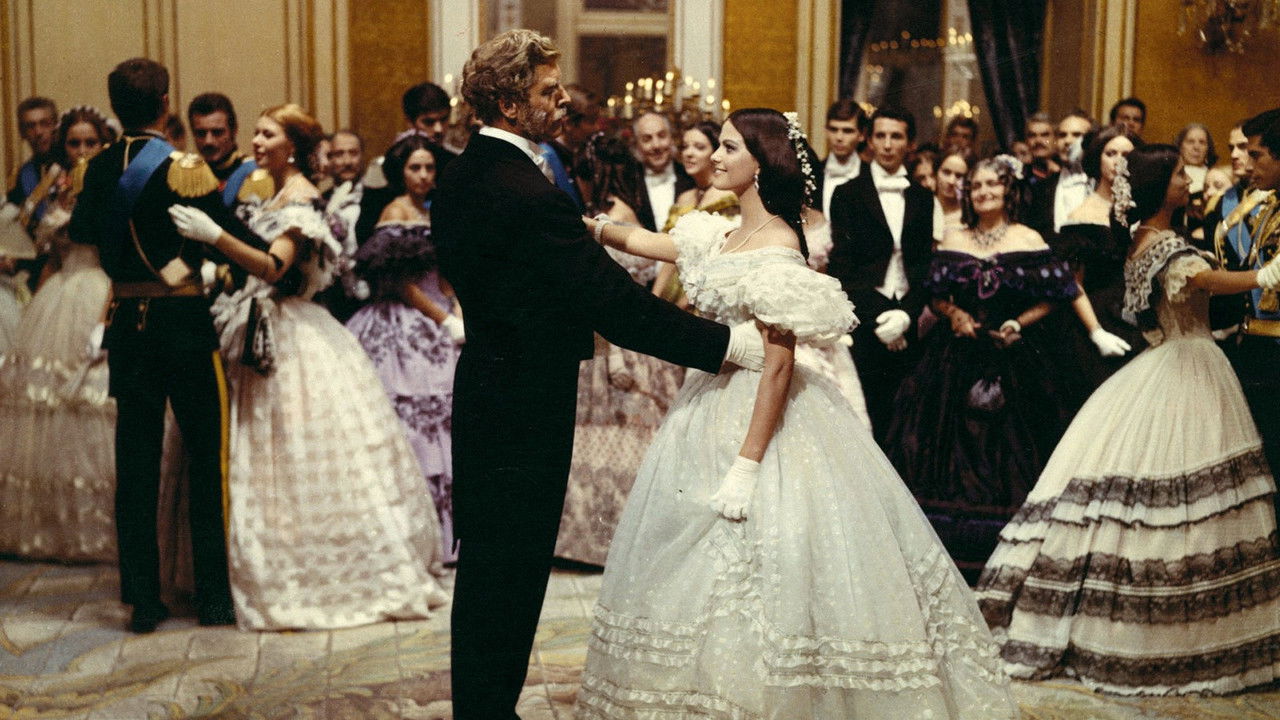
If you ask any film nerd about The Leopard, they’ll eventually stop talking about the plot and start talking about "The Ball." The final act of the movie is a legendary 45-minute ballroom sequence. By modern standards, a 45-minute scene where people mostly just dance and sweat sounds like a punishment, but Visconti makes it a masterpiece of tension.
The cinematography by Giuseppe Rotunno (who later worked with Federico Fellini on Satyricon) is staggering. The camera glides through the heat, catching the grease on the faces of the dancers and the dust on the gold-leaf molding. Visconti spent more on authentic lace and fresh flowers than some directors spend on their entire cast, and it shows. But the opulence isn't there for show; it’s there to feel suffocating.
By the time the Prince wanders into a side room to wash his face and stares at a painting of a deathbed, you realize the party isn't a celebration. It’s a wake. Visconti, who was himself a count and a Marxist (a "Red Aristocrat"), understood this irony better than anyone. He’s showing us the most beautiful thing in the world while simultaneously telling us why it has to die.
The VHS Ghost and the Practical Spectacle
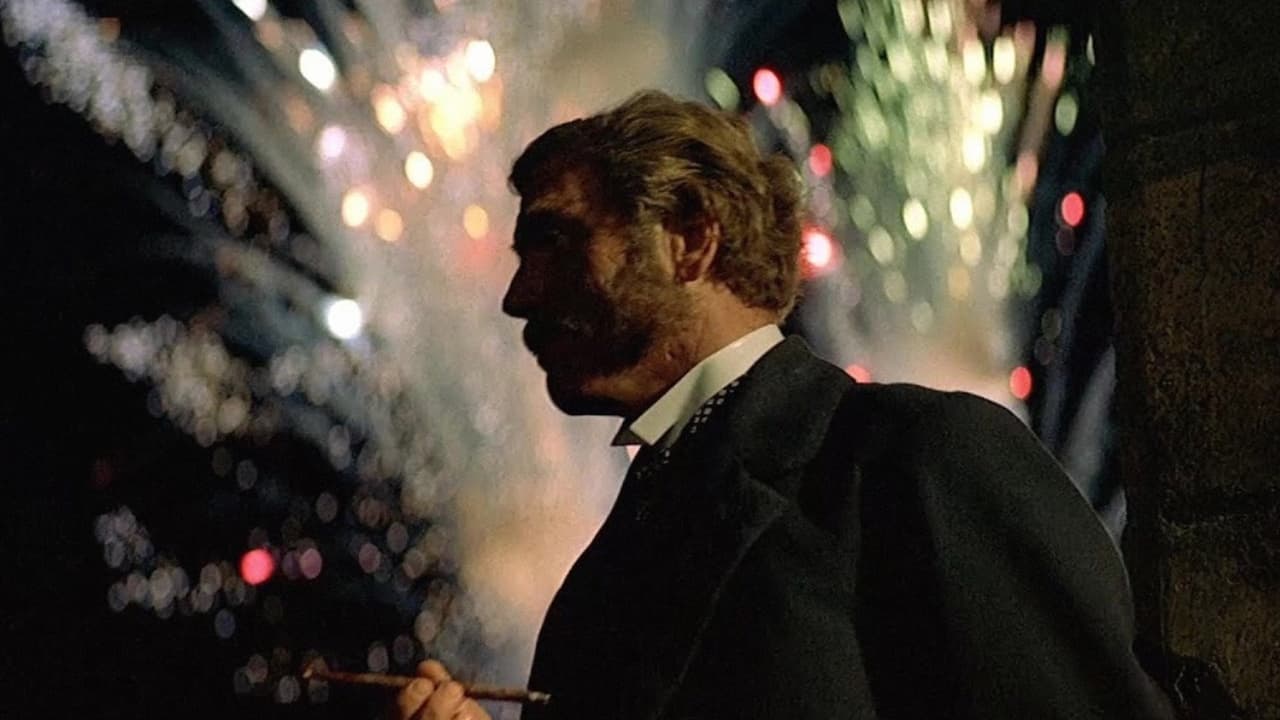
Watching this today, I’m struck by how much of this was achieved through sheer, stubborn practical filmmaking. There are no digital crowd extensions. When you see a dusty Sicilian landscape filled with Garibaldi’s red-shirted soldiers, those are real people standing in real dirt under a real sun. It’s the kind of "New Hollywood" scale that directors like Francis Ford Coppola would later chase in The Godfather. In fact, it’s impossible to watch the family dynamics here and not see the blueprint for the Corleones.
For years, this film was a "lost" treasure for home viewers. If you grew up in the VHS era, the pan-and-scan versions of The Leopard were a crime against humanity; the film is shot in Technirama, and cutting the sides off the frame is like looking at a mural through a mail slot. Thankfully, the restoration era of the late 90s saved it, but there’s still something about the film’s texture—the heavy silks, the Nino Rota score (the same guy who did The Godfather!), and the flickering candlelight—that feels like it belongs to a grander, more tactile age of cinema.
The Leopard is a movie that asks you to slow down. It’s not a "romantic adventure" as the tagline suggests; it’s a philosophical autopsy of power. It’s a film that recognizes that while the names of our masters change—from Princes to Mayors, from Aristocrats to CEOs—the machinery of the world keeps grinding along. I left the film feeling much like the Prince did: exhausted, a little bit cynical, but deeply grateful for the beauty of the sunset, even if it means the day is over. It’s a towering achievement that earns every single one of its 186 minutes.
Keep Exploring...
-
La Dolce Vita
1960
-

The Hustler
1961
-
Harakiri
1962
-
Jules and Jim
1962
-
La Jetée
1962
-
Andrei Rublev
1966
-
Who's Afraid of Virginia Woolf?
1966
-
8½
1963
-
Once Upon a Time in the West
1968
-
Amarcord
1973
-
The Last Emperor
1987
-
Harold and Maude
1971
-

Solaris
1972
-
Being There
1979
-
Pink Floyd: The Wall
1982
-
Ran
1985
-

Do the Right Thing
1989
-
Belle de Jour
1967
-
The Apartment
1960
-
Breakfast at Tiffany's
1961