The Sword in the Stone
"A wizard, an owl, and a very confused king."
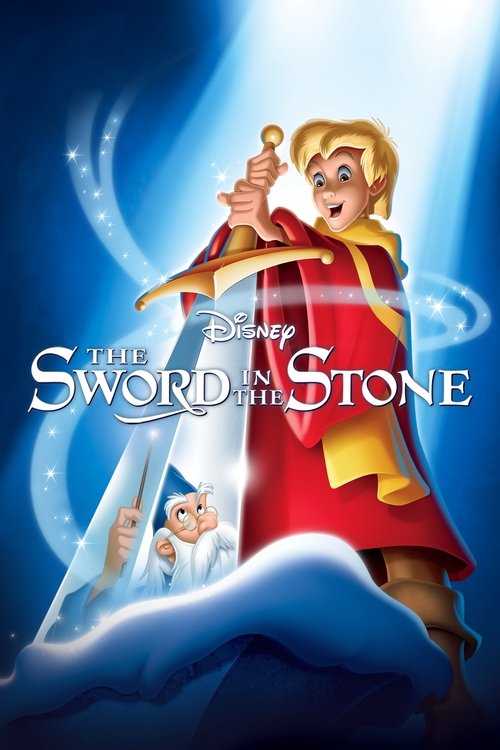
If you look closely at the edges of the characters in The Sword in the Stone, you’ll notice something that would have been unthinkable during the era of Snow White: they’re scratchy. You can see the rough, black pencil lines vibrating around Merlin’s beard and Wart’s scrawny shoulders. This was the dawn of the Xerox era at Disney, a cost-cutting measure that bypassed the hand-inkers and slapped the animators' raw sketches directly onto the cels. Some call it "cheap," but I’ve always found it incredibly soulful. It feels like you’re watching the artists’ hands at work, a perfect aesthetic for a film that is, at its heart, a messy, disorganized, and deeply charming experiment in character over plot.
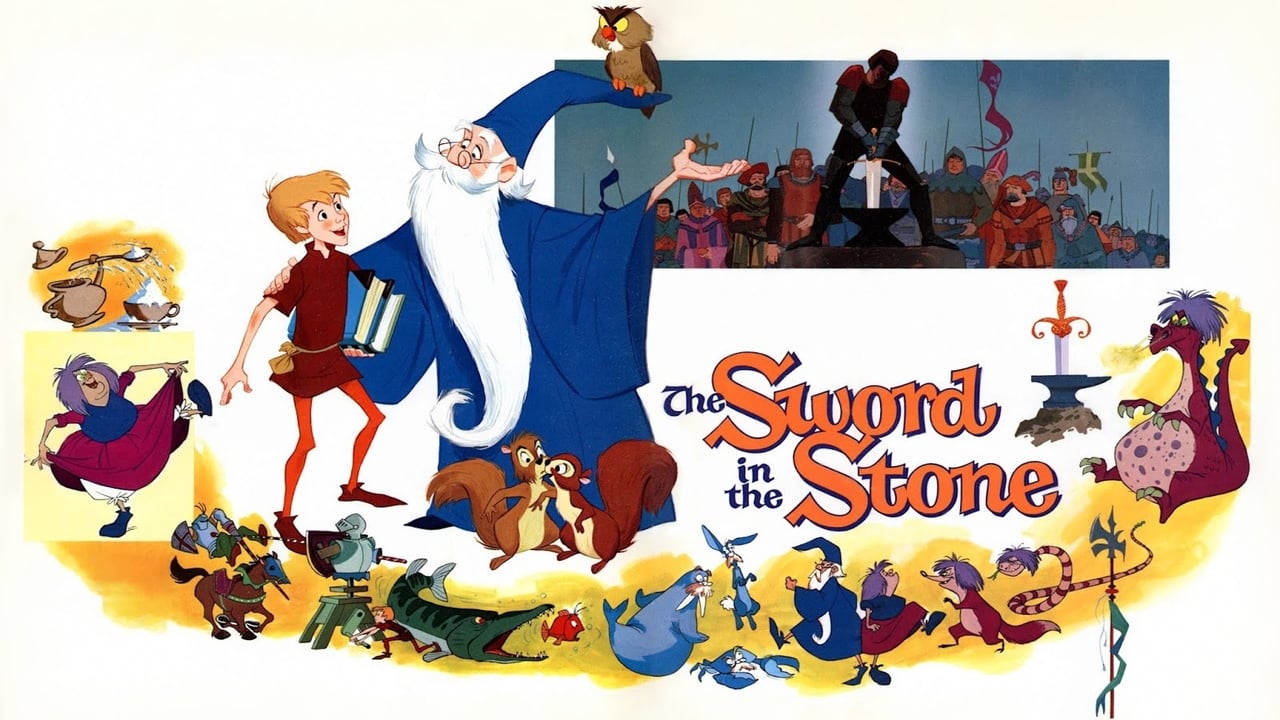
I revisited this one on a rainy Tuesday while my cat, Barnaby, spent a solid twenty minutes trying to fight his own reflection in a toaster. It felt like the perfect vibe. The Sword in the Stone isn't a grand, sweeping epic like Sleeping Beauty (1959). It’s more of a series of loosely connected vignettes—an "educational" journey where the syllabus involves being turned into a fish, a squirrel, and a bird. It’s the ultimate "pajamas movie," the kind of film that thrived in the VHS era because it didn't demand your total attention, but rewarded it with some of the most eccentric character work in the Disney canon.
A Wizard Out of Time
The real heart of the film isn't Arthur (or "Wart," as he's perpetually called); it’s the relationship between Merlin and his highly educated, highly cynical owl, Archimedes. Karl Swenson voices Merlin with a wonderful, absent-minded franticness. He’s a wizard who lives "backwards" in time, meaning he’s constantly referencing things from the 20th century that haven’t happened yet—like Bermuda shorts and the Steam Engine—only to get frustrated when the medieval locals don't understand his "modern" frustrations.
Junius Matthews provides the perfect foil as Archimedes. Their bickering feels like a classic Vaudeville act, and frankly, Merlin and Archimedes have more chemistry than 90% of modern rom-com leads. Watching them try to navigate a "Medieval mess" while Merlin’s sugar bowl and tea sets launch a self-cleaning revolution is pure physical comedy gold. It’s the kind of character-driven humor that made the film a staple in the 1980s VHS rental boom; parents knew they could pop this in and the kids would be mesmerized by the slapstick while the adults chuckled at Merlin’s existential dread.
The Puberty Problem and the Sketchy Lines

Behind the scenes, the production was a bit of a chaotic masterpiece. This was the first Disney feature directed solely by Wolfgang Reitherman, a member of the "Nine Old Men" who favored a more energetic, less polished style. He leaned into the Xerox process, which gave the film its signature "rough" look. But the real chaos was in the casting. Rickie Sorensen, the original voice of Wart, hit puberty midway through production. His voice dropped an octave, forcing Reitherman to cast his own sons, Robert and Richard, to fill in the gaps.
If you listen closely, Wart’s voice changes pitch between sentences in the same scene, sometimes sounding like a soprano and other times sounding like a disgruntled teenager. It’s a hilarious technical flaw that somehow adds to the film’s ragtag charm. Sir Kay is basically the original 'Florida Man' of Camelot, voiced with perfect meatheaded arrogance by Norman Alden. He’s the perfect antagonist for a story that posits that "brains over brawn" isn't just a cliché, but a survival strategy.
The Wizard’s Duel: A Cult Masterclass
While the movie was a moderate success in 1963, its cult status was solidified by the "Wizard’s Duel" between Merlin and Madam Mim. Martha Wentworth is an absolute riot as Mim, a "magnificent, marvelous, mad" witch who hates anything wholesome. The duel—a shapeshifting battle of wits—is a showcase of creative animation. It’s fast, inventive, and visually distinct, proving that you don’t need a high-stakes war to have a thrilling climax. The actual sword in the stone is the least interesting part of the movie, which is a bold choice for a film literally named after it.

The film faced some harsh criticism upon release for its episodic structure, with some critics feeling it lacked the "Disney magic" of the 1950s. But that lack of pretension is exactly why I love it. It’s a movie about the value of an education, the pain of growing up (literally, poor Wart), and the realization that being a king isn't half as much fun as being a squirrel in love. It’s a quirky, lopsided gem that feels more personal than many of the studio’s more "perfect" outings.
Ultimately, The Sword in the Stone is a testament to an era of Disney that was willing to be a little weird and a little messy. It’s a film that found its real home in the living rooms of the 70s and 80s, where its episodic nature made it the perfect candidate for repeated viewings on a grainy TV screen. It might not be the most "important" film in the Disney vault, but it’s certainly one of the most companionable. If you haven't visited Merlin’s cluttered tower in a while, it’s time to pack your bags for Bermuda and remember why the greatest magic of all is just being able to think for yourself.
Stuff You Didn't Notice
The Script Solo: Screenwriter Bill Peet wrote the entire screenplay himself, a rarity for Disney features which usually had a massive team of writers. He reportedly based Merlin’s personality on Walt Disney himself—grumpy, brilliant, and occasionally overwhelming. The Recycling Bin: Because of the tight budget, Wolfgang Reitherman reused animation cycles from this film in later projects. If the wolf in the forest looks familiar, it’s because he’s a direct ancestor to the wolf in The Jungle Book and the dogs in Robin Hood. The Song Choice: The legendary Sherman Brothers wrote the songs, but many were cut. "The Most Happy Home" was replaced by "A Most Befuddling Thing," which fits Merlin’s chaotic energy much better anyway. The Squirrel Scene: The sequence where Wart (as a squirrel) breaks a female squirrel's heart is surprisingly heavy. It was one of the first times a Disney film explored the idea that "magic" can have unintended emotional consequences. * The Box Office: Despite the "budget" look, the film was a massive hit relative to its $3 million cost, paving the way for the studio to survive the lean years of the late 60s.
Keep Exploring...
-
One Hundred and One Dalmatians
1961
-
The Rescuers
1977
-
The Jungle Book
1967
-
Robin Hood
1973
-
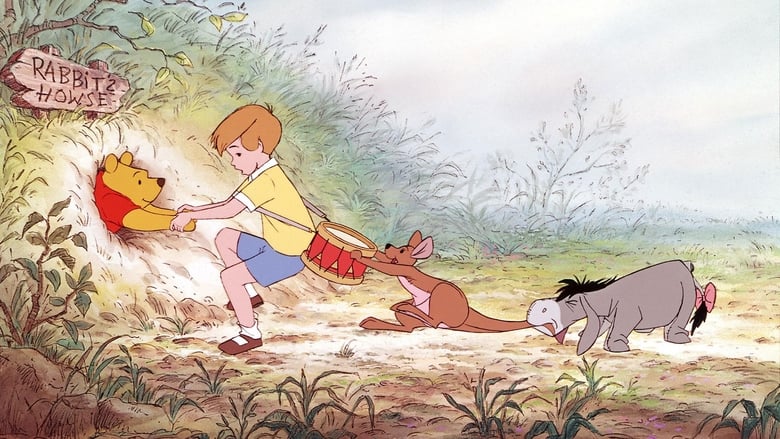
The Many Adventures of Winnie the Pooh
1977
-
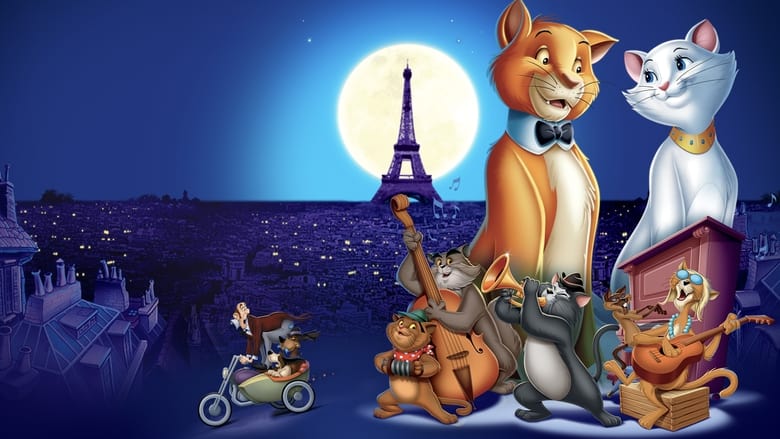
The Aristocats
1970
-

Bedknobs and Broomsticks
1971
-
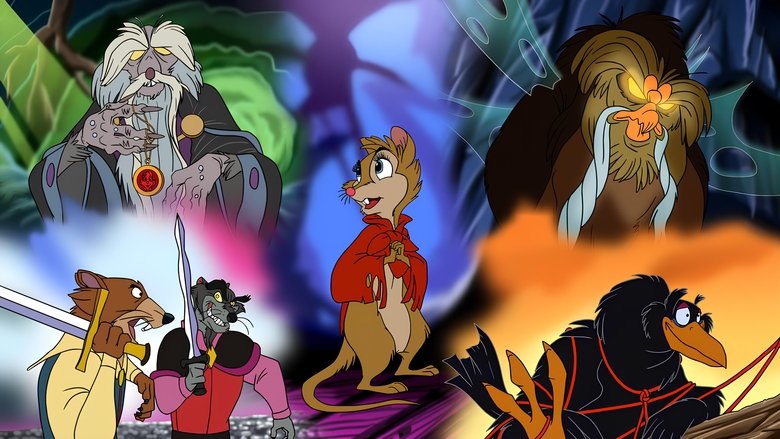
The Secret of NIMH
1982
-
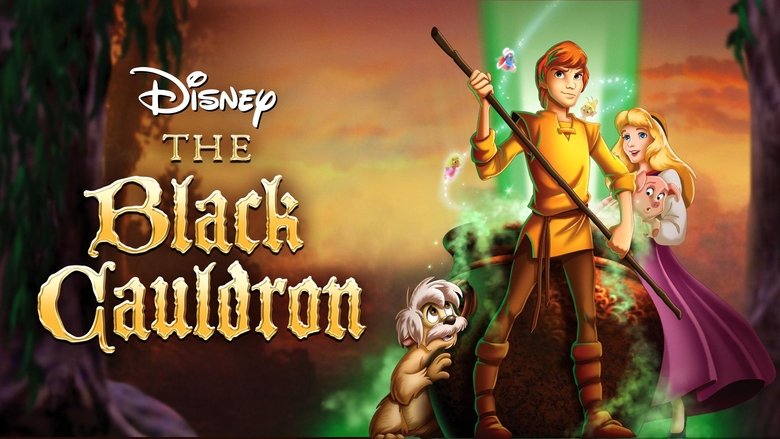
The Black Cauldron
1985
-
Castle in the Sky
1986
-

All Dogs Go to Heaven
1989
-
The Little Mermaid
1989
-
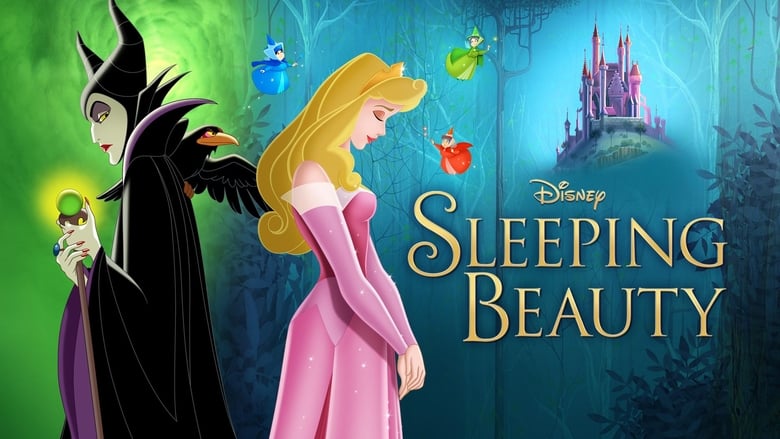
Sleeping Beauty
1959
-
Kiki's Delivery Service
1989
-
Fantasia
1940
-
Alice in Wonderland
1951
-
Peter Pan
1953
-

Mary Poppins
1964
-
How the Grinch Stole Christmas!
1966
-
The Fox and the Hound
1981