A Fistful of Dollars
"A man with no name and a town with no future."
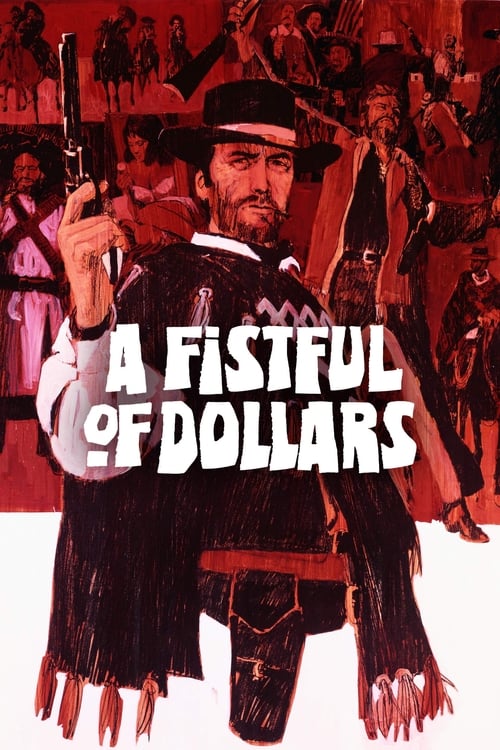
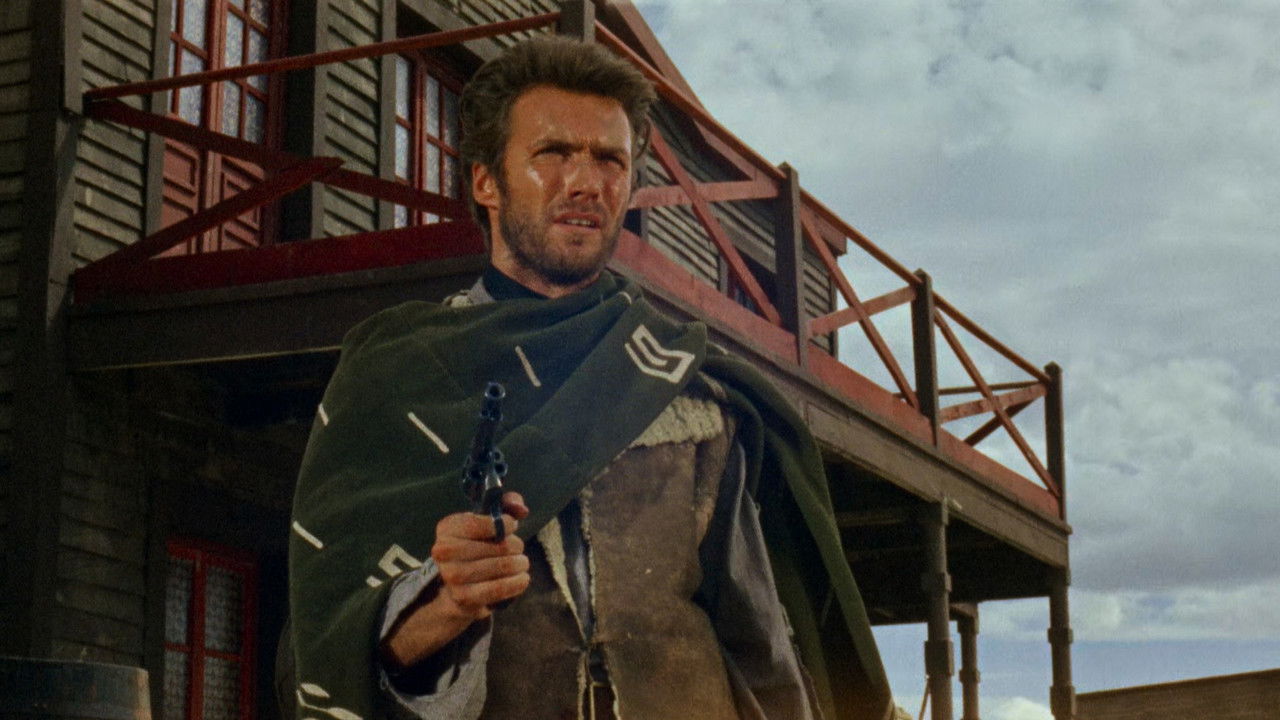
The first time I saw the Man With No Name, I wasn't in a theater or even alive to catch the 1964 premiere. I was in a basement, squinting at a CRT television, watching a grainy tape while eating a bowl of cold cereal because I was too lazy to cook. Strangely, the crunching sound of my flakes perfectly synced with the gravel under Clint Eastwood’s boots. It felt right. A Fistful of Dollars isn’t a film that demands a pristine, high-definition pedestal; it’s a movie that lives in the dust, the sweat, and the cynical silence of a world that has forgotten what "heroism" is supposed to look like.
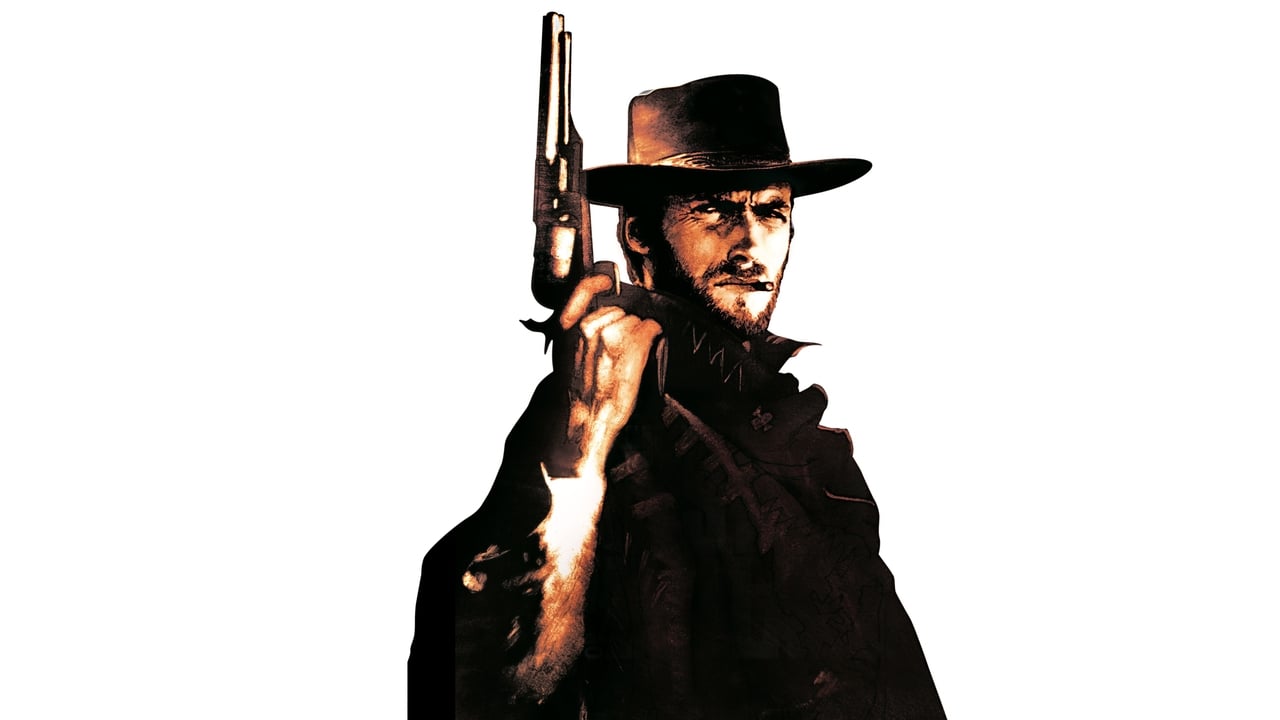
Before Sergio Leone came along, the American Western was often a morality play in clean laundry. John Wayne was the law, the hats were color-coded, and the violence was bloodless. Then, this $200,000 Italian production—shot in the desert of Almería, Spain, with a cast that couldn’t speak a common language—reset the clock. It didn't just break the rules of the genre; it shot them in the back and took their gold.
The Art of Doing Less
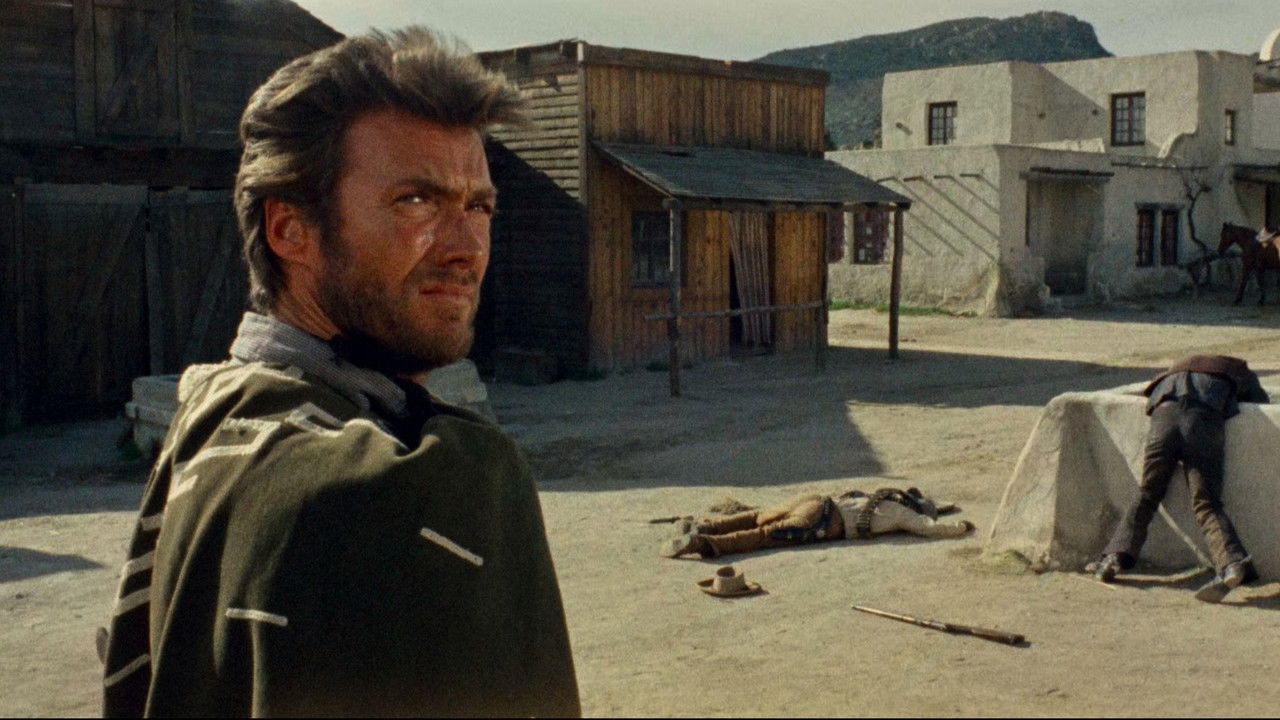
There’s a legendary bit of trivia that defines this film’s soul: Clint Eastwood actually went through the script and cut out most of his own dialogue. He realized that the less he said, the more powerful he became. It was a stroke of genius that turned Joe (or the Stranger) into an existential phantom rather than just another cowboy. While the Rojo and Baxter families scream and scheme, Joe just leans against a post, rolls a cigarillo, and watches.
I’ve always found the "cerebral" nature of this film lies in its observation. Joe isn’t a savior; he’s an opportunist who treats human conflict like a math problem. He enters San Miguel, sees two warring factions, and decides to play both sides like a fiddle. The tension doesn't come from whether he’ll "do the right thing," but from whether his cold-blooded strategy will hold up against the sheer, chaotic brutality of Gian Maria Volonté’s Ramón Rojo. Volonté is spectacular here—he’s the perfect, unhinged foil to Eastwood’s icy stillness. Honestly, the town of San Miguel has the survival rate of a chocolate bar in a furnace, and watching Joe navigate that heat is a lesson in narrative efficiency.
Resourceful Rebellion
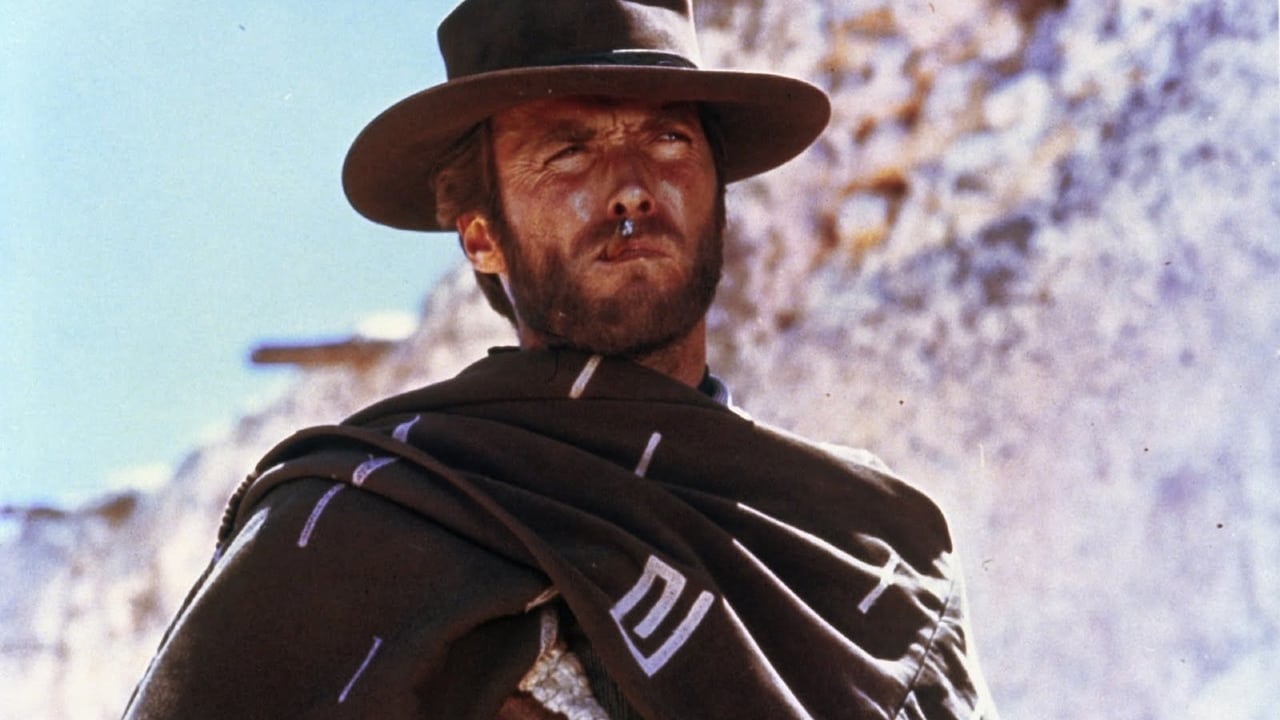
As an independent production, A Fistful of Dollars is a masterclass in making a dime look like a dollar. Leone didn't have the budget for sprawling sets or thousands of extras, so he leaned into the close-up. He fills the screen with sweaty brows, twitching eyes, and weathered skin. This "Spaghetti Western" aesthetic wasn't just a style choice; it was a necessity born from limited resources that accidentally changed the visual language of cinema forever.
And then there’s the music. Ennio Morricone couldn’t afford a full orchestra, so he used what he had: whistles, chimes, electric guitars, and even a whip. It shouldn't work. It should sound like a carnival. Instead, it sounds like the end of the world. I still find myself whistling that main theme when I’m doing something mundane, like waiting for the microwave. It turns a 90-second wait for a burrito into a high-stakes standoff.
Interestingly, the film was a "remake" of Akira Kurosawa’s Yojimbo—so much so that Kurosawa eventually sued and won a significant portion of the profits. He famously wrote to Leone, saying, "It is a very good film. Unfortunately, it is my film." But Leone added a layer of Catholic guilt and European nihilism that Kurosawa’s samurai flick didn't have. It’s a darker, meaner beast.
A Legacy in the Dust

What keeps me coming back to this film isn't just the final showdown—though the iron plate "bulletproof vest" reveal is still one of the all-time great payoffs. It’s the way the film treats morality as a luxury. In the world of the Rojos and the Baxters, being "good" is a quick way to get buried. Joe represents a different kind of protagonist: the one who survives by his wits and keeps his heart hidden under a dusty poncho. Eastwood’s poncho probably smelled like a wet horse and old cigar smoke, but on screen, it looked like the coolest garment ever conceived.
By the time the credits roll, San Miguel is mostly a ghost town. There’s no big celebration, no medals, and no girl waiting for Joe at the end of the road. He just rides out, having made his money and cleared the board. It’s a cynical ending, but it feels earned. Leone proved that you didn't need a studio's permission or a massive budget to redefine an American myth; you just needed a camera, a cigar, and a man who knew when to keep his mouth shut.
A Fistful of Dollars is the rare "indie" breakthrough that didn't just find a niche—it created an entire movement. It’s a film that demands you pay attention to the subtext of a squint and the rhythm of a gunshot. Even if you aren't a fan of Westerns, the sheer audacity of Leone’s direction and the coolness of Eastwood’s debut make it essential viewing. It’s a lean, mean, 99-minute machine that reminds us that sometimes, the most dangerous man in the room is the one who isn't saying anything at all.
Keep Exploring...
-
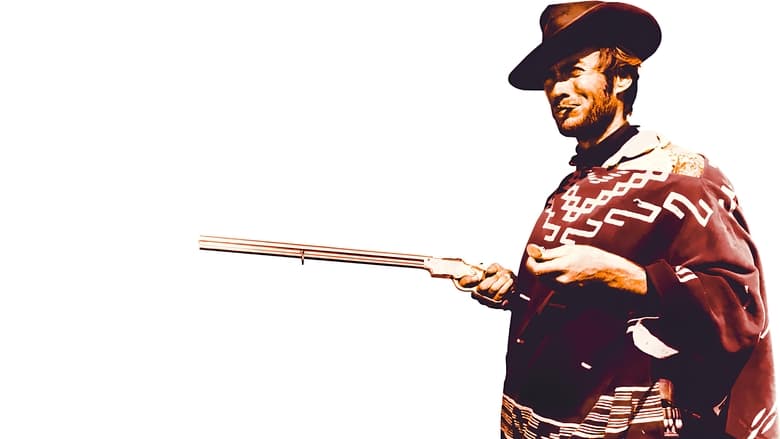
For a Few Dollars More
1965
-
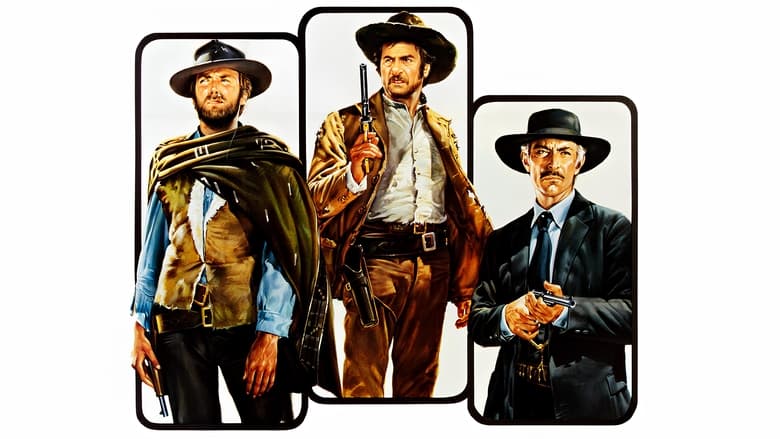
The Good, the Bad and the Ugly
1966
-
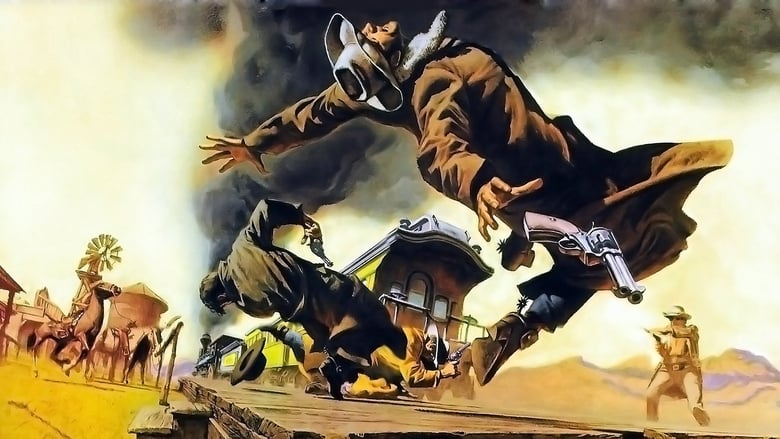
Once Upon a Time in the West
1968
-
Duck, You Sucker
1971
-

The Magnificent Seven
1960
-

The Man Who Shot Liberty Valance
1962
-

Once Upon a Time in America
1984
-
The Wild Bunch
1969
-
The Apartment
1960
-
Judgment at Nuremberg
1961
-
Guess Who's Coming to Dinner
1967
-

Midnight Cowboy
1969
-
The Outlaw Josey Wales
1976
-

Rio Bravo
1959
-
High Plains Drifter
1973
-
Pale Rider
1985
-
Dirty Harry
1971
-
The Holy Mountain
1973
-
Young Frankenstein
1974
-
Mirror
1975