Dr. Strangelove or: How I Learned to Stop Worrying and Love the Bomb
"Relax. It's only the end of the world."
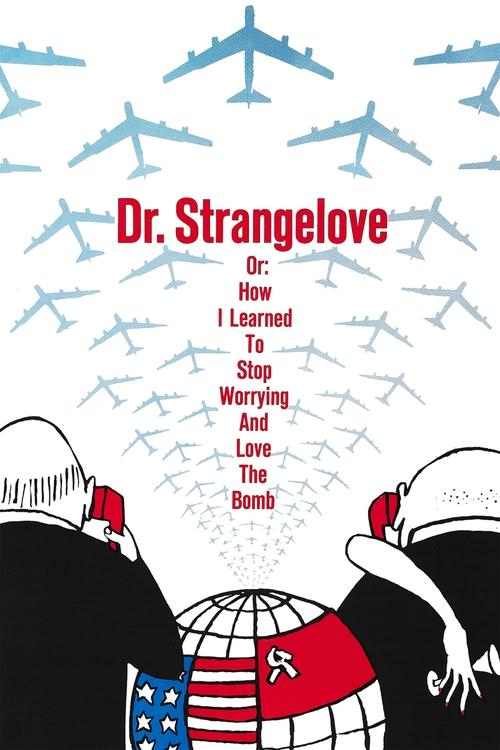
The sheer audacity of Stanley Kubrick deciding to turn the literal end of human civilization into a gag-heavy satire is the kind of creative gamble that simply shouldn’t have worked. In 1964, the world was still shaking off the collective cold sweat of the Cuban Missile Crisis. Nuclear annihilation wasn't a trope; it was a Tuesday. Yet, here comes this film—stark, monochrome, and terrifyingly funny—to tell us that the buttons controlling our existence are being pressed by men who are, at best, incompetent, and at worst, functionally insane.
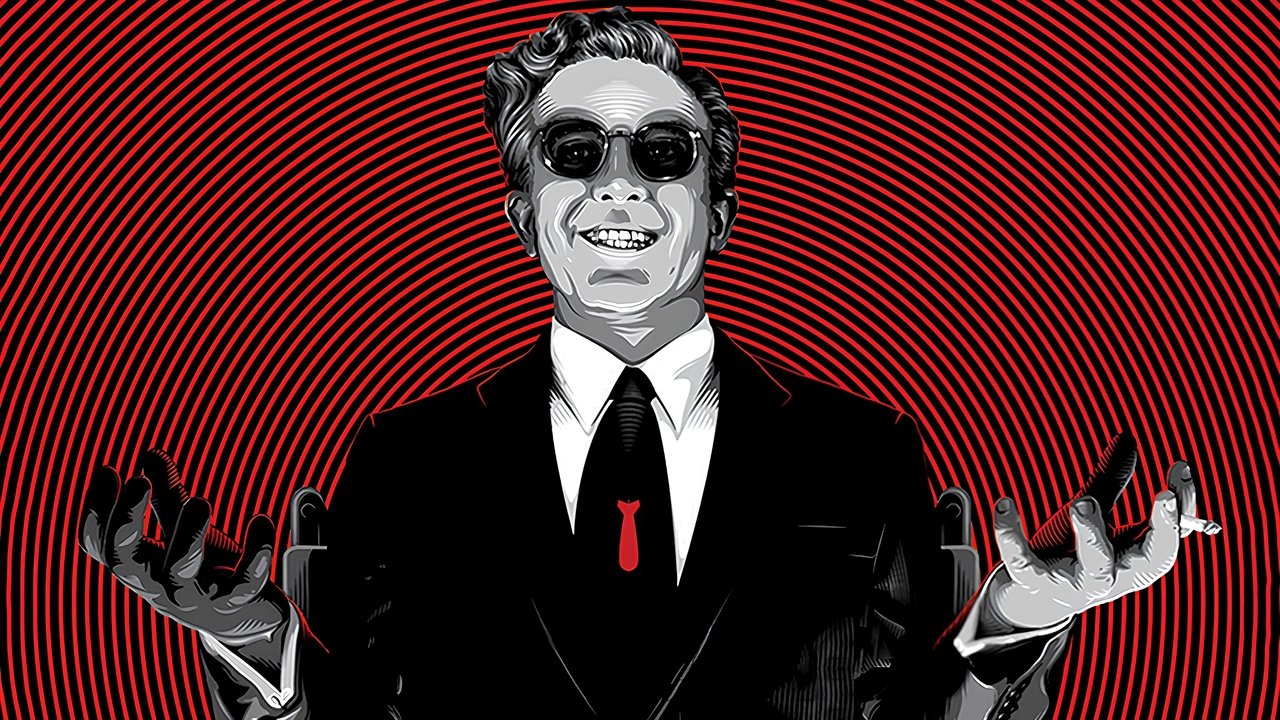
I first watched this in a hotel room where the remote was strangely sticky and the "volume up" button was broken, meaning I had to watch the entire climax with my ear pressed against a dusty CRT speaker. Honestly, the muffled, crackling audio only made the B-52 radio chatter feel more claustrophobic and authentic. It felt less like a movie and more like a pirate broadcast from a doomed future.
The Absurdity of the Abyss
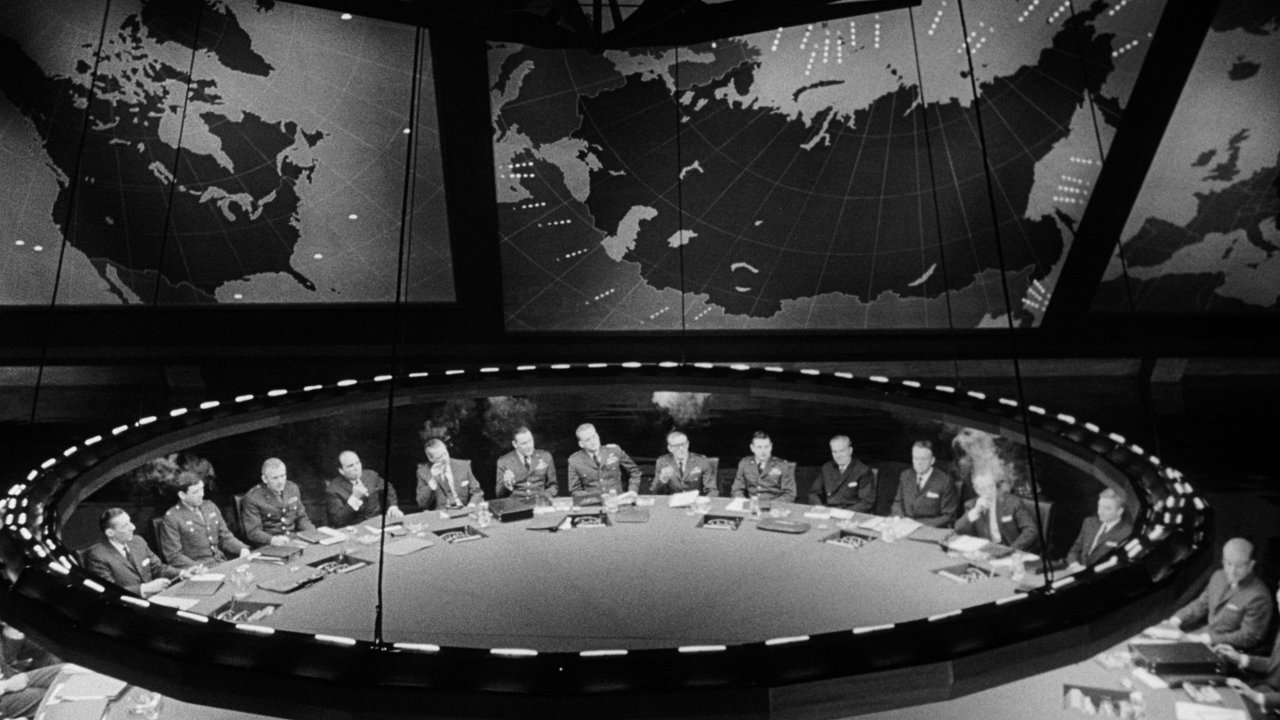
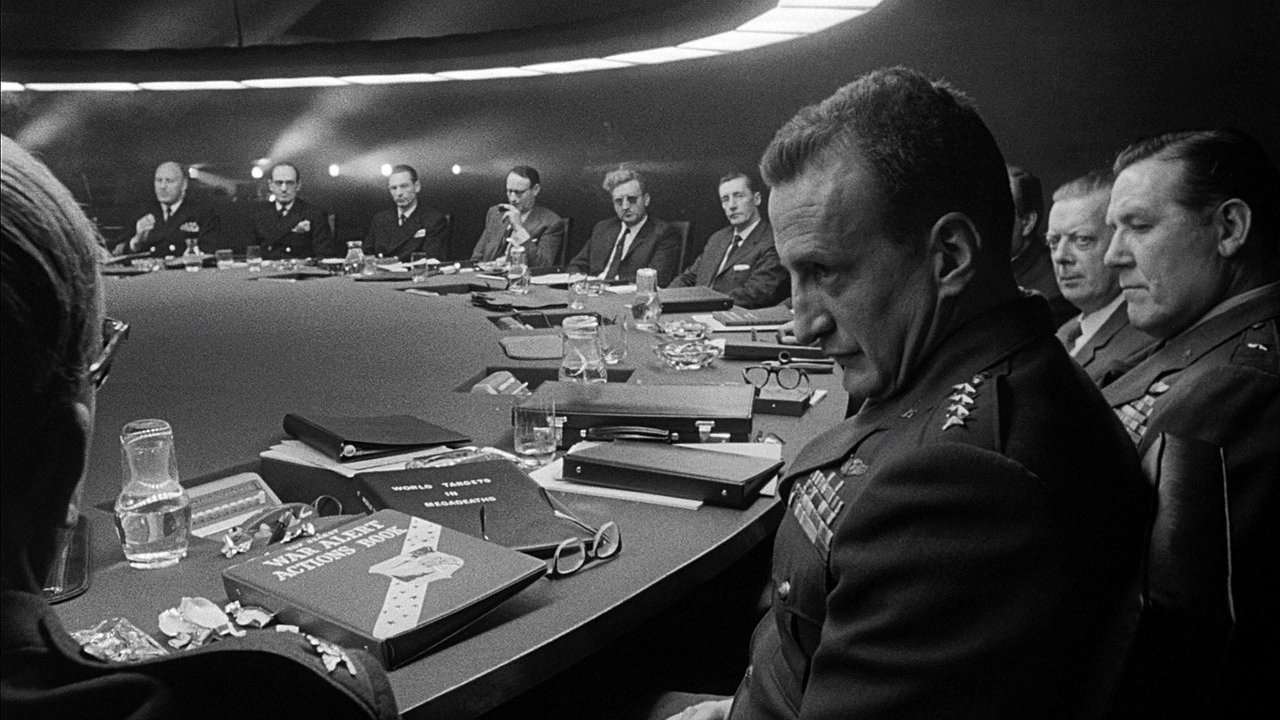
Originally, Kubrick intended to adapt Peter George’s novel Red Alert as a straight-faced thriller. However, as he and co-writer Terry Southern dug into the mechanics of nuclear deterrence, they realized the logic was so circular and "Mutually Assured" that it bordered on farce. The result is a film that balances on a razor's edge. One moment, you’re watching a terrifyingly realistic depiction of a B-52 bomber crew following their fail-safe protocols; the next, you’re in a War Room where the President of the United States has to apologize to a drunken Soviet Premier over a direct phone line like he’s cancelling a dinner reservation.
The "Independent" soul of this film lives in its resourcefulness. Despite being a Columbia Pictures release, Kubrick moved the entire production to Shepperton Studios in England primarily to maintain absolute control away from the prying eyes of Hollywood executives. He had a modest budget of $1.8 million, which sounds like a lot until you realize he needed to build the most iconic set in cinema history. Production designer Ken Adam created the War Room—a triangular, expressionist bunker with a giant ring of lights—that was so convincing, Ronald Reagan supposedly asked to see it when he first toured the White House years later. He was disappointed to find out it didn't exist.
A Clinic in Manic Energy
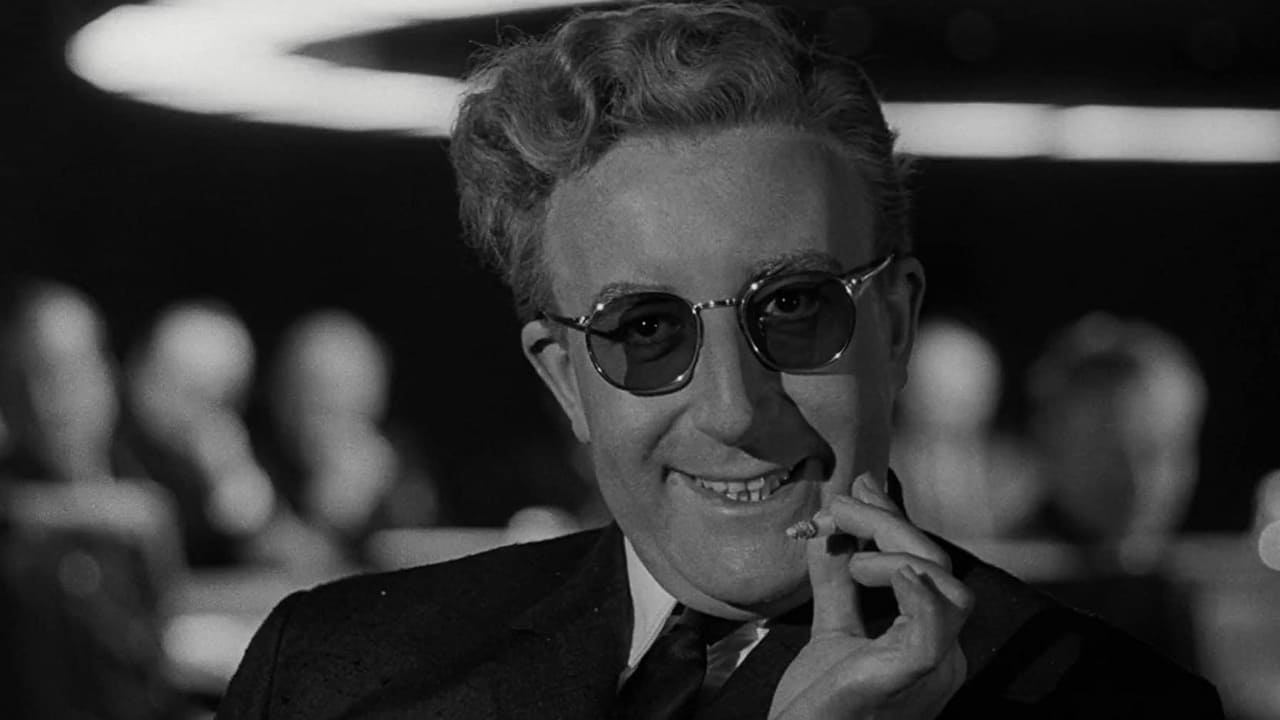
If you want to see a performer hold a mirror up to a fractured society, look no further than Peter Sellers. His triple-threat performance is legendary, but it’s the nuance that kills me. As Group Captain Lionel Mandrake, he is the quintessential "keep calm and carry on" Brit trying to reason with a madman. As President Merkin Muffley, he’s the only sane man in a room full of hawks. But as the titular Dr. Strangelove, he is a terrifying leftover of the Nazi regime whose prosthetic arm has a fascist mind of its own. Sellers improvised the majority of Strangelove’s tics, and if you look closely at Peter Bull (the Soviet Ambassador) in the background, he’s visibly struggling not to burst out laughing.
Then there is George C. Scott as General "Buck" Turgidson. Known for his gravitas, Scott was tricked by Kubrick into giving a performance that was "over the top" as a warm-up exercise, only for Kubrick to use those high-energy takes in the final cut. The result is a man who treats a global nuclear strike with the enthusiastic tactical zeal of a high school football coach. George C. Scott’s eyebrows deserve their own SAG card for the amount of heavy lifting they do during his various tantrums. His physical comedy—specifically a moment where he trips and does a full somersault before continuing his speech—was a genuine accident that Kubrick, in his typical perfectionist-but-opportunistic style, kept in the movie.
The Industrial Beauty of Armageddon
While the War Room provides the laughs, the B-52 sequences provide the dread. Because the U.S. Air Force refused to cooperate with a film that made them look like idiots, Kubrick and his team had to build their own B-52 cockpit. They did such a meticulous job based on a single photograph they found in a magazine that the FBI reportedly investigated the production to see if they’d stolen classified blueprints.
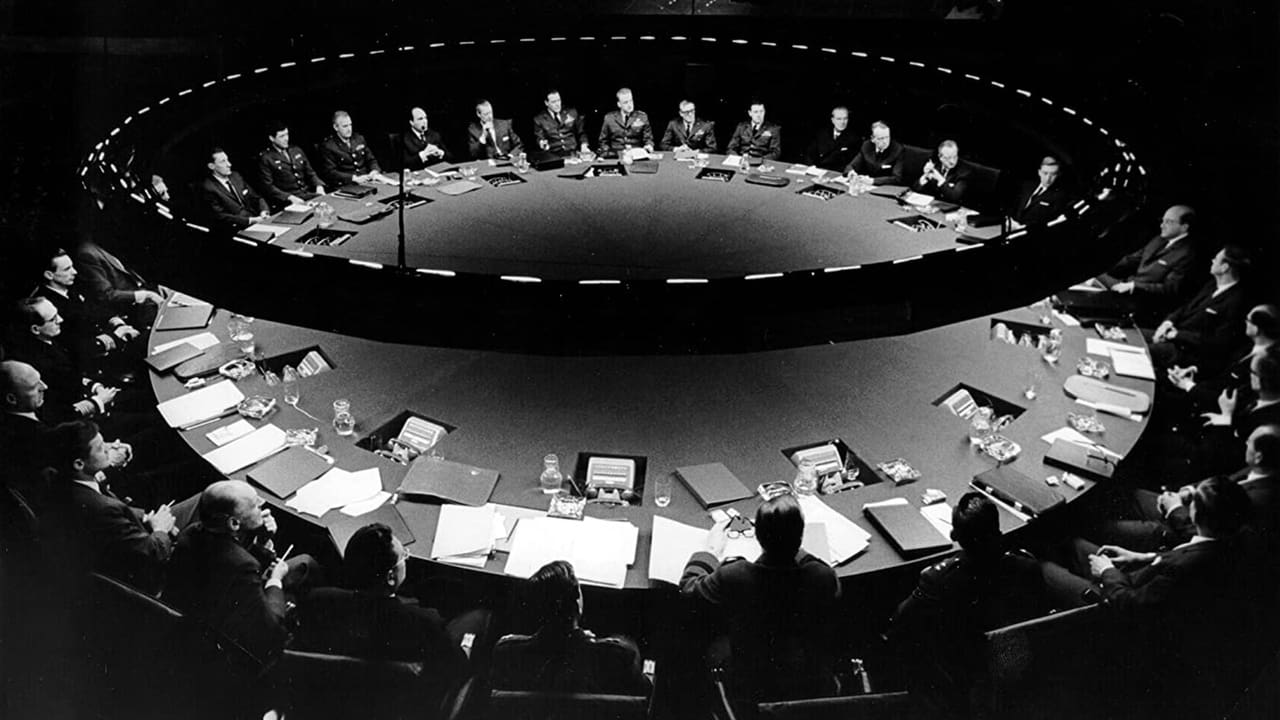
This is where the film’s "Dark" modifier really kicks in. The lighting by Gilbert Taylor is harsh and high-contrast, stripping away any Hollywood glamour. When Slim Pickens—who was never told the movie was a comedy so he’d play it straight—eventually rides that bomb down like a bucking bronco, it’s not just a visual punchline; it’s the bleakest punchline in the history of the medium.
The film’s legacy is its refusal to blink. It suggests that our technology has outpaced our maturity, and that the "Big Board" is just a scoreboard for a game no one can win. It’s a film that survived the transition into the VHS era as a "must-own" for anyone wanting to look smart in front of their friends, but it remains one of the few classics that feels more relevant with every passing decade.
This isn't just a movie; it’s a survival mechanism. Stanley Kubrick took the ultimate human fear and turned it into a weapon of satire that still cuts deep sixty years later. If you haven't seen it, you're missing the finest example of what happens when an auteur is given the keys to the asylum and decides to throw a party. It's the only movie that will make you laugh at the end of the world while simultaneously checking where your nearest fallout shelter is.
Keep Exploring...
-
Barry Lyndon
1975
-

Full Metal Jacket
1987
-

Lolita
1962
-
Spartacus
1960
-
A Clockwork Orange
1971
-

Don't Look Now... We're Being Shot At!
1966
-

Paths of Glory
1957
-
The Great Escape
1963
-
The Shining
1980
-
2001: A Space Odyssey
1968
-
The Killing
1956
-
Good Morning, Vietnam
1987
-
After Hours
1985
-

Heathers
1989
-
The Great Dictator
1940
-

Lawrence of Arabia
1962
-
Doctor Zhivago
1965
-
Peeping Tom
1960
-

Repulsion
1965
-

Blow-Up
1966