Le Gendarme de Saint-Tropez
"High-speed hijinks on the French Riviera."
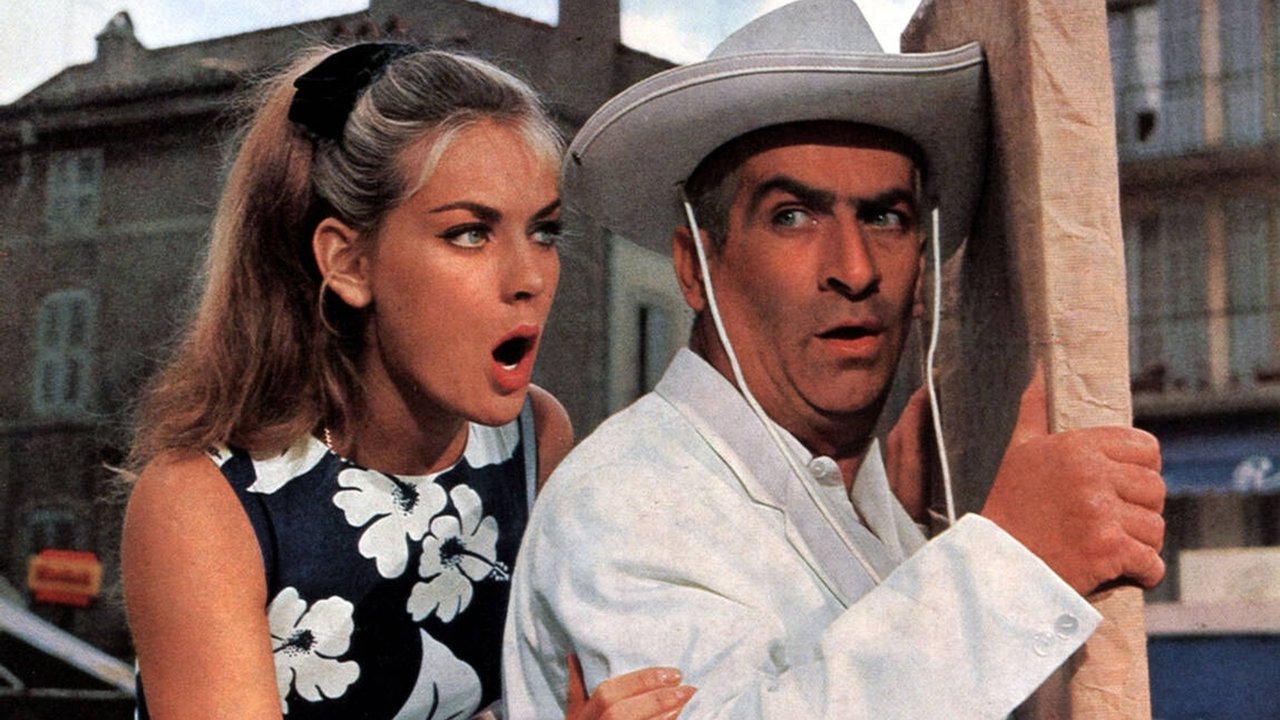
Watching Louis de Funès is less like observing an actor and more like watching a human pressure cooker vibrating on a high-heat burner. He doesn’t just deliver lines; he spasms them. His eyebrows have their own zip codes, and his hands move with the frantic precision of a caffeinated hummingbird. In Le Gendarme de Saint-Tropez, we aren’t just getting a comedy; we are witnessing the definitive blueprint for the "angry little man" archetype that would dominate European screens for decades. I watched this most recent viewing while wearing a pair of itchy wool socks in July because my air conditioner was blasting directly at my ankles, and somehow that physical discomfort perfectly matched the manic energy radiating from the screen.
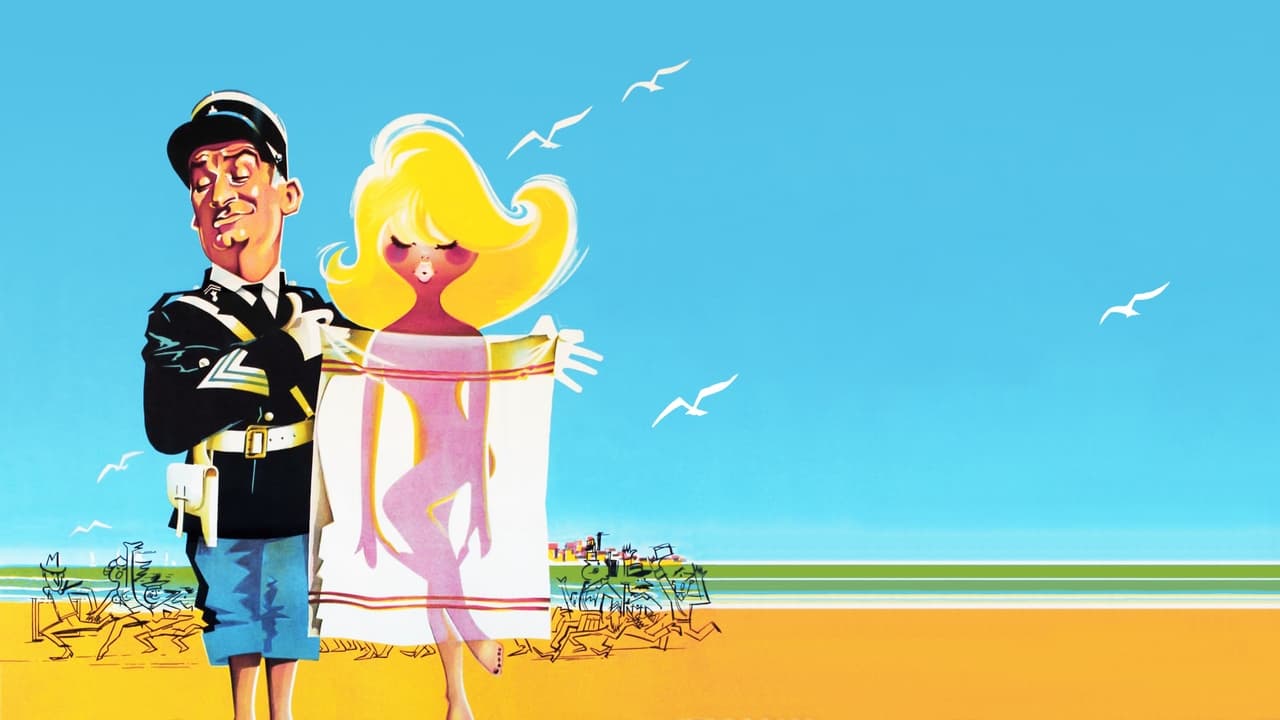
The Human Percussion of Louis de Funès
At the heart of this 1964 classic is Ludovic Cruchot, a high-strung gendarme promoted from a grey, rainy mountain village to the sun-drenched, chaotic playground of Saint-Tropez. For those who grew up in the VHS era, particularly in Europe or among "World Cinema" aficionados, De Funès was a staple of the rental shelf. You’d recognize that face—the balding head, the piercing blue eyes, the mouth twisted in a permanent state of exasperation.
The brilliance of his performance here lies in the hierarchy. Cruchot is a tyrant to his subordinates and a groveling sycophant to his superior, Sergeant Major Jérôme Gerber, played with wonderful, slow-burn frustration by Michel Galabru. Their chemistry is the engine of the film. While Galabru wants a quiet life of naps and mild authority, De Funès is a whirlwind of "efficiency" that usually results in catastrophe. The plot is basically a fever dream fueled by espresso and sheer bureaucratic panic. Whether he’s orchestrating a military-grade sting operation to catch nude bathers or trying to navigate a high-society party he wasn’t invited to, De Funès treats every minor inconvenience like a declaration of war.
Nudists, Yachts, and the Death of Old-School Order
Director Jean Girault captures a very specific moment in French history. 1964 was the peak of the "Yé-yé" era—France’s answer to the British Invasion. We see this through Cruchot’s daughter, Nicole, played by the charming Geneviève Grad. She represents the youth culture of the 60s: mini-skirts, pop music, and a desire to rub elbows with the yacht-owning elite. To fit in with the "cool kids," she tells them her father is a multi-millionaire yacht owner, forcing Cruchot into an increasingly absurd series of lies involving stolen Rembrandts and borrowed sports cars.
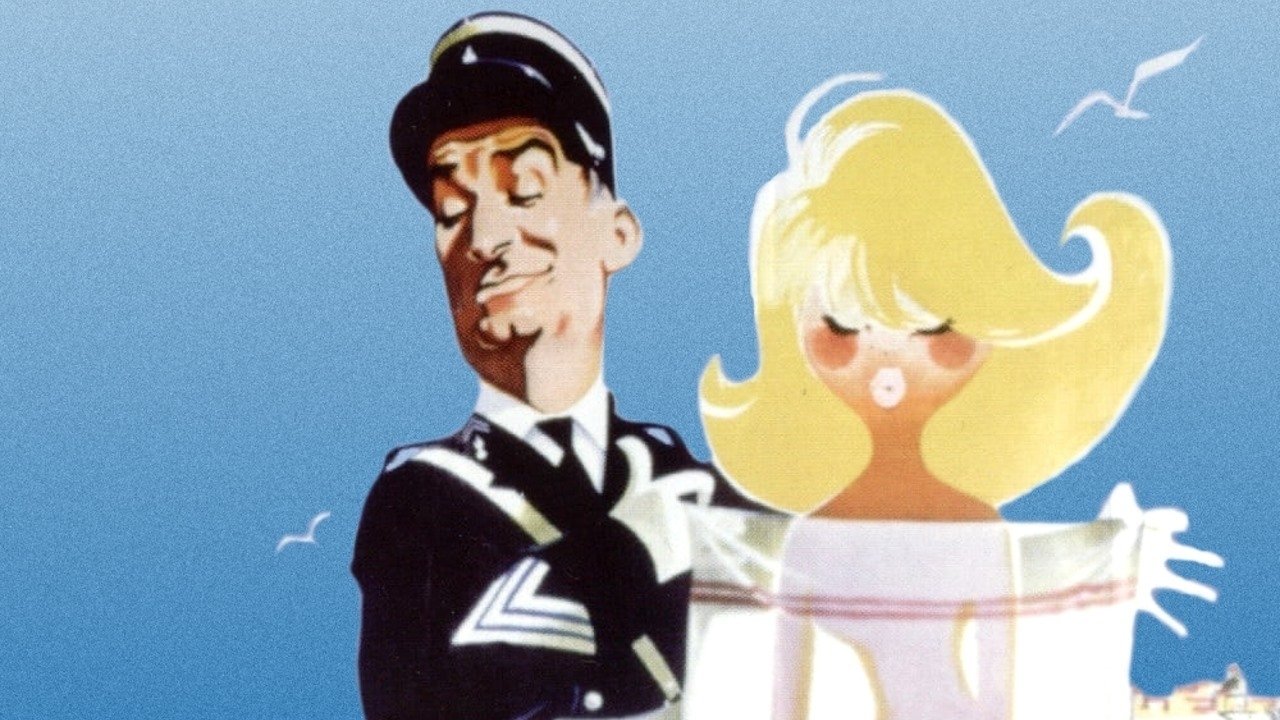
This generational clash is where the film finds its legs beyond the slapstick. Cruchot is the old guard—obsessed with rules, uniforms, and the letter of the law. Saint-Tropez, however, is the new world—relaxed, hedonistic, and blissfully indifferent to his authority. The famous "nudist hunt" sequences are masterpieces of practical comedy. You have a squad of gendarmes in full, heavy wool uniforms crawling through brush like they’re in a trench war, all to catch people having a peaceful swim. It’s satire that hits without being heavy-handed; it mocks the absurdity of trying to police the sunshine.
The Sunny Soul of the French New Wave’s Silly Cousin
While the Cahiers du Cinéma crowd was busy deconstructing the medium with the New Wave, Jean Girault was busy making movies people actually wanted to watch on a Sunday afternoon. The cinematography by Marc Fossard is gorgeous in that saturated, 60s postcard way. The blues of the Mediterranean and the bright reds of the convertibles pop off the screen. Even on a grainy home video transfer, the warmth of the setting is infectious.
I have a specific memory of finding a sun-bleached VHS copy of this in a "Foreign Interest" bin years ago. The cover art was just a giant close-up of De Funès screaming into a telephone. It’s the kind of movie that feels built for the repeat-viewing nature of the VCR. You don't watch it for the mystery; you watch it to see exactly how Louis de Funès is going to react when a car door slams on his hand or when he realizes his daughter has "borrowed" a luxury vehicle.
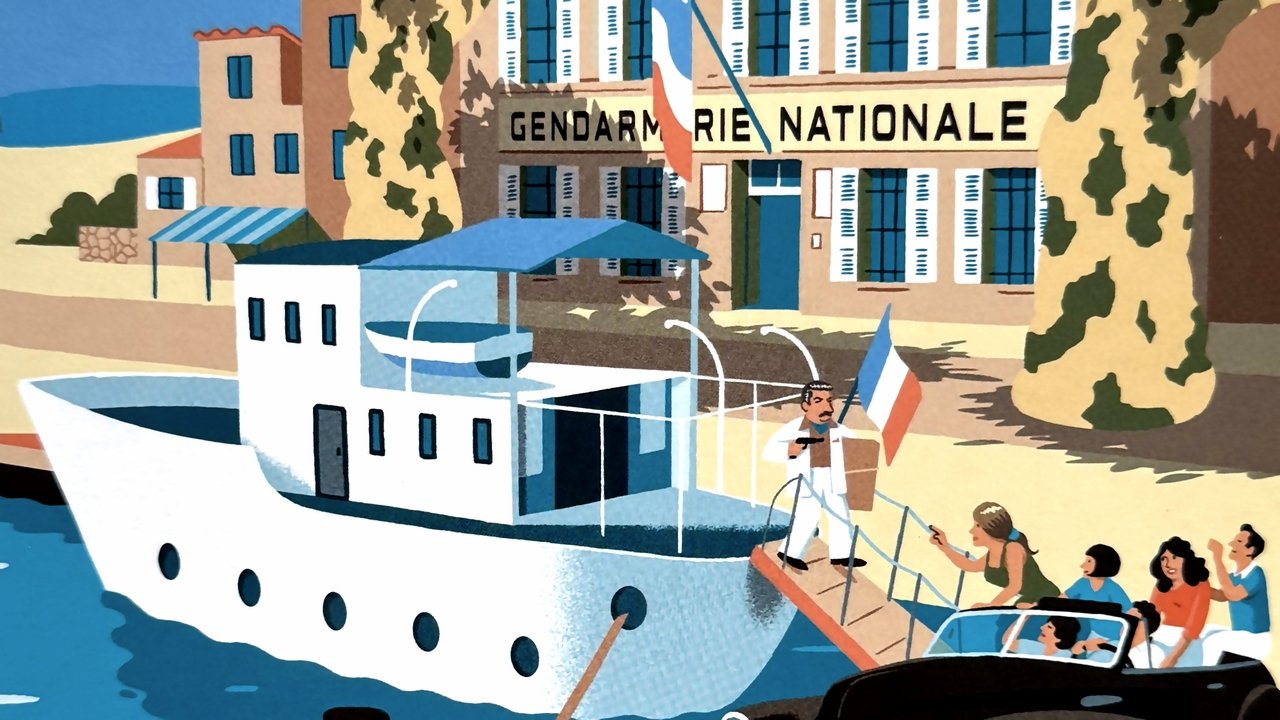
The score by Raymond Lefèvre is the final piece of the puzzle. The "Marche des Gendarmes" is an absolute earworm—a jaunty, whistling military tune that perfectly underscores the self-importance of our protagonists. It’s the kind of music that makes you want to march around your living room with a stern expression, which I may or may not have done during the end credits.
Le Gendarme de Saint-Tropez isn’t just a comedy; it’s a time capsule of a world transitioning from the rigid post-war years to the loosey-goosey 60s. It’s the film that turned De Funès into a national treasure and spawned five sequels, including the increasingly bizarre The Gendarme and the Extra-Terrestrials. While the sequels eventually lost the plot, this original remains a tight, energetic, and genuinely funny piece of cinema. It’s a reminder that sometimes the best special effect in the world is just a man with a very expressive face and a complete lack of a "chill" button. Seek it out, ignore the subtitles if you have to, and just let the frantic rhythm of the French Riviera wash over you.
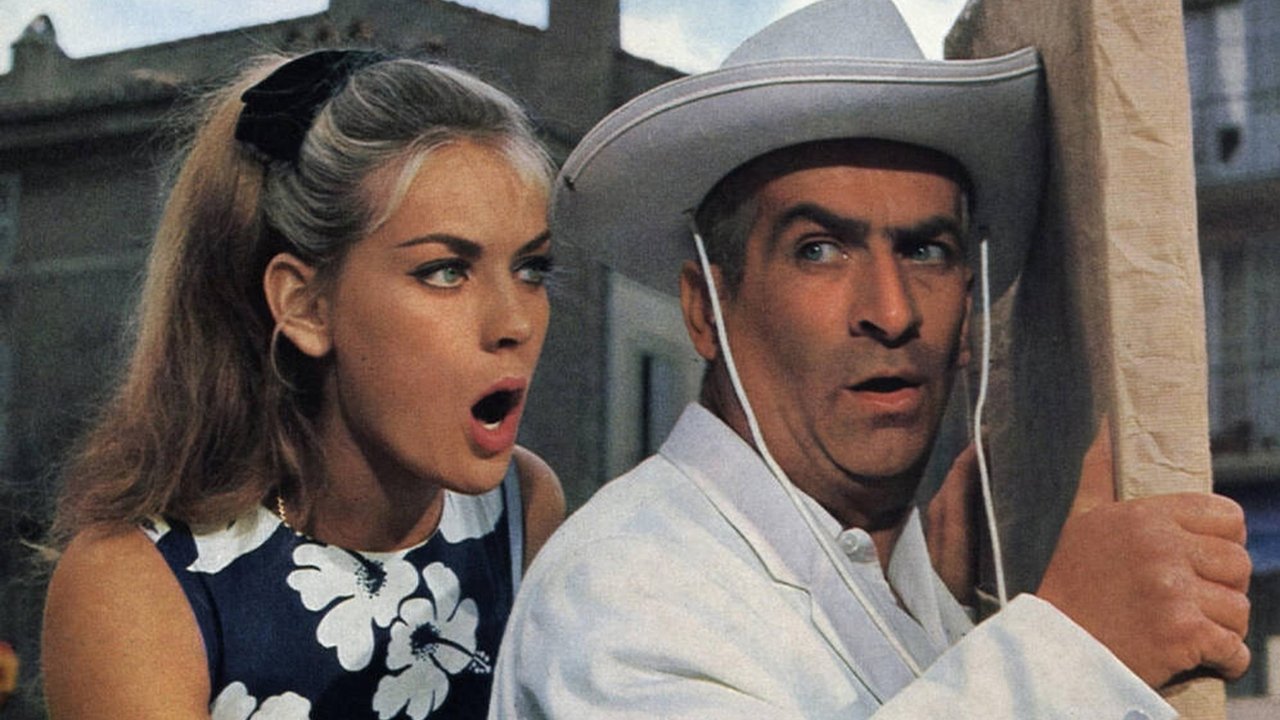
Keep Exploring...
-

The Cabbage Soup
1981
-

The Mad Adventures of Rabbi Jacob
1973
-

The Wing or the Thigh?
1976
-

Don't Look Now... We're Being Shot At!
1966
-
Asterix and Cleopatra
1968
-

Charade
1963
-

The Pink Panther
1963
-

My Fair Lady
1964
-
Batman
1966
-
The Twelve Tasks of Asterix
1976
-
French Fried Vacation
1978
-

French Fried Vacation 2
1979
-

The Party
1980
-
Santa Claus Is a Stinker
1982
-
M*A*S*H
1970
-
They Call Me Trinity
1970
-

Bedknobs and Broomsticks
1971
-
Harold and Maude
1971
-
Trinity Is Still My Name
1971
-
Amarcord
1973