Marnie
"The hunter, the hunted, and the shadows between them."
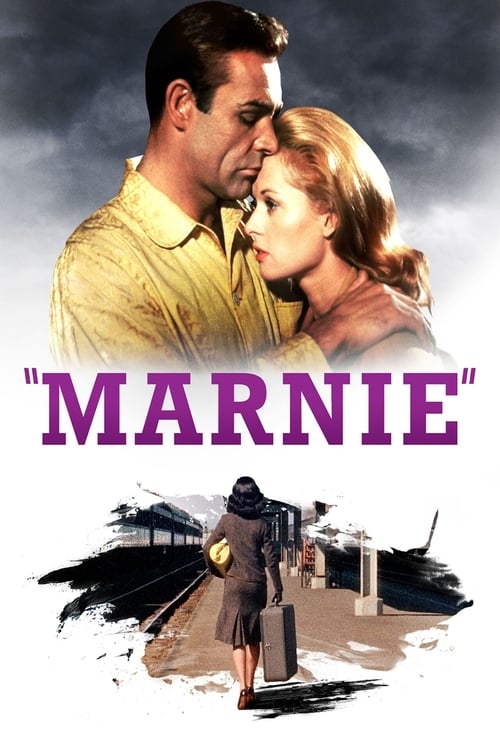
By 1964, the "Master of Suspense" was increasingly out of step with a world that was rapidly turning grittier, louder, and more cynical. Alfred Hitchcock had just come off the back-to-back triumphs of Psycho and The Birds, but with Marnie, he retreated into a strangely artificial, hyper-stylized dreamscape that left audiences and critics cold. It’s a film that feels like a transmission from a dying star—the last gasp of the old Hollywood studio system trying to grapple with the emerging frankness of the 1960s. I’ll be honest: the first time I sat down with this one, I spent half the runtime wondering if the projectionist had accidentally swapped the backgrounds for a community theater’s leftover sets.
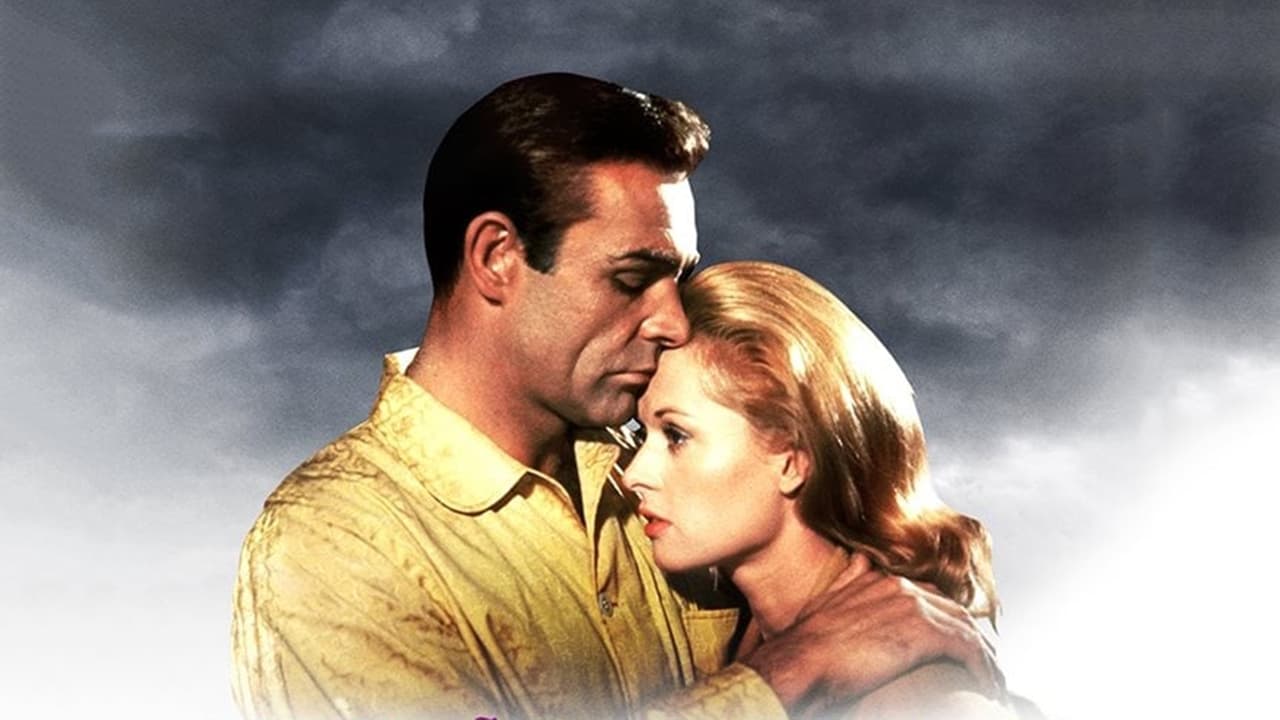
But that artificiality is exactly why Marnie has stayed with me. It isn't a "flawed" masterpiece; it’s a film where the flaws are the point. It’s a psychosexual deep-dive that feels less like a thriller and more like a fever dream you’d have after eating too much cheese and reading a Freud textbook.
The Predator and the Prey
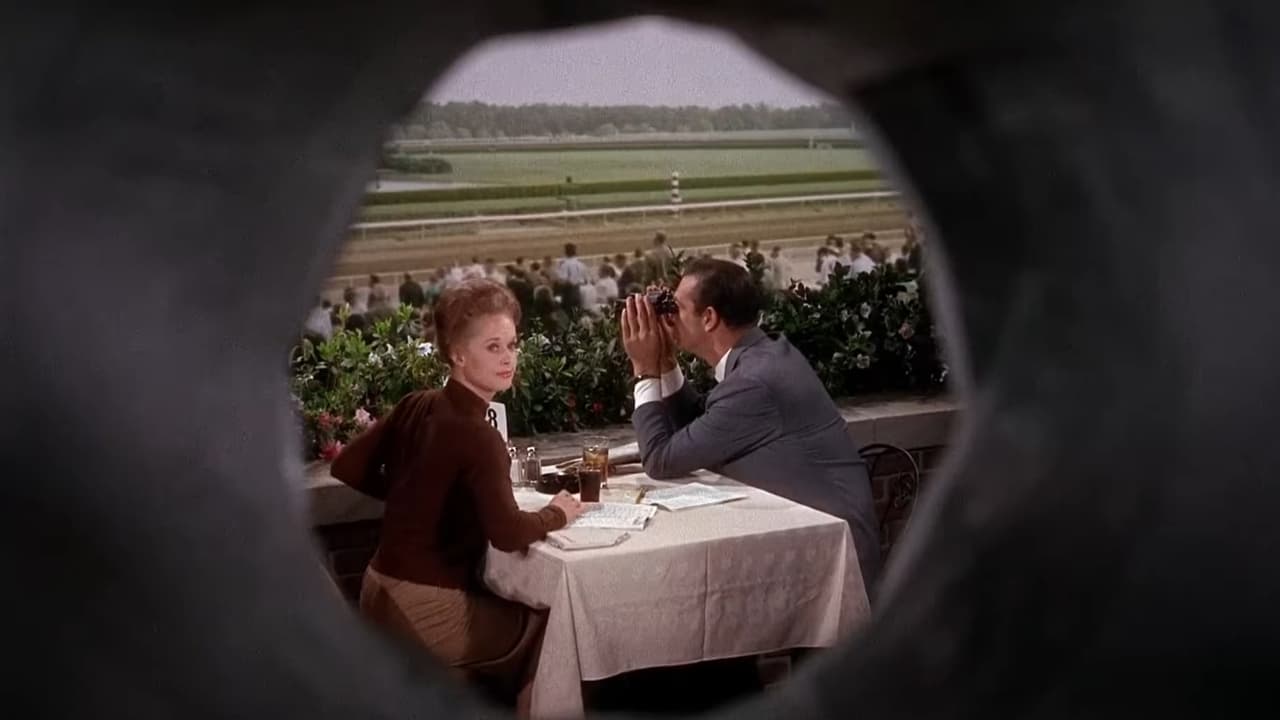
The story centers on Tippi Hedren as the titular Marnie Edgar, a serial embezzler who changes her identity as often as she changes her hair color. She’s a woman terrified of the color red, thunderstorms, and the touch of a man. When she catches the eye of wealthy publisher Mark Rutland, played by a peak-Bond-era Sean Connery, the movie takes a sharp turn into uncomfortable territory.
Sean Connery’s Mark Rutland is essentially James Bond if he decided to give up the double-0 status to become a full-time professional gaslighter. Instead of turning Marnie in for stealing from his firm, he blackmails her into marriage. He views her trauma not as a wound to be healed, but as a puzzle to be solved—a trophy to be won. There is a palpable, heavy darkness to their scenes. Unlike the breezy chemistry of Hitchcock’s earlier leads, the tension here is genuinely predatory. I watched this most recently on a rain-streaked Sunday afternoon while my cat systematically destroyed a roll of paper towels in the corner, and the domestic claustrophobia of the Rutland estate felt incredibly real despite the obviously painted backdrops.
The Art of the Artificial
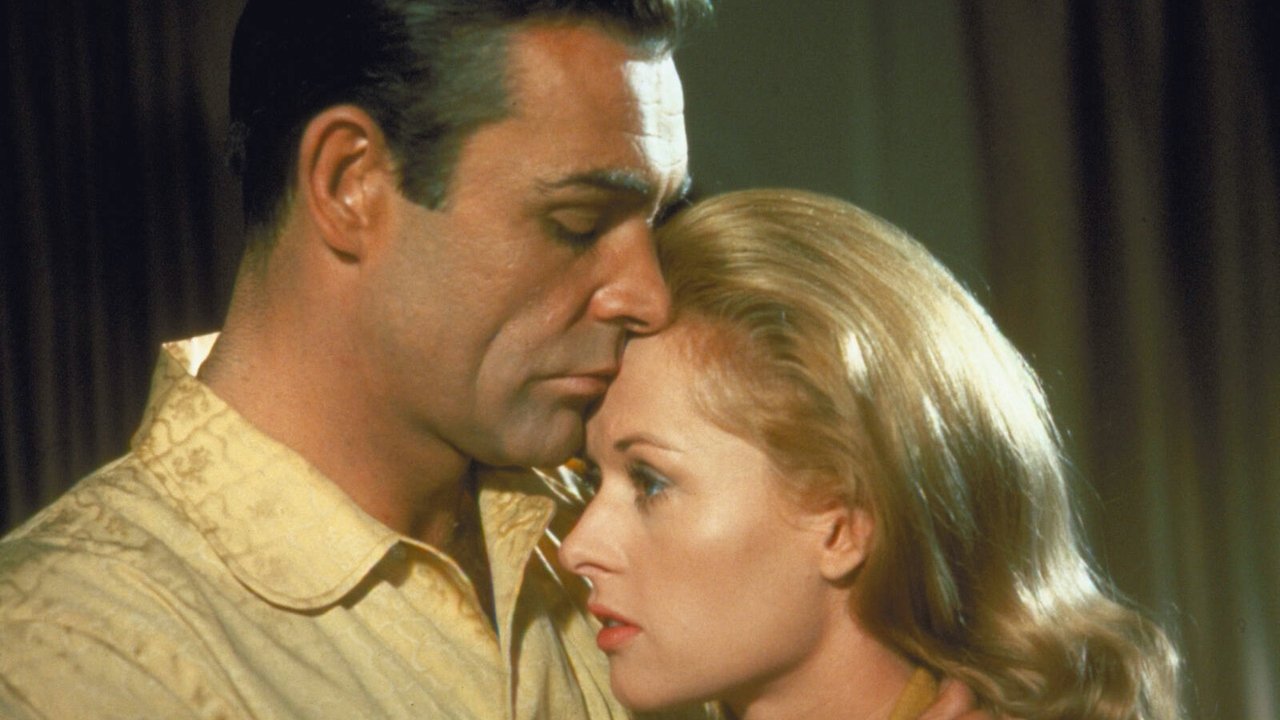
Let’s talk about those backdrops. Hitchcock was criticized at the time for the film’s "cheap" look—the Baltimore street where Marnie’s mother lives is quite clearly a flat matte painting. But in the context of a story about a woman living a completely fabricated life, that unreality works. The film looks like a pop-up book designed by someone having a nervous breakdown.
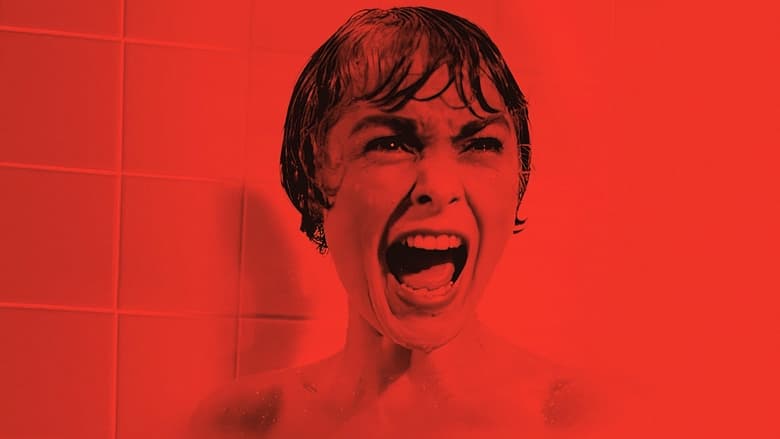
The visual language is backed by a towering score from Bernard Herrmann, who also gave us the iconic shrieking violins of Psycho. This was his final collaboration with Hitchcock, and it’s a doozy. It’s lush, sweeping, and romantic, but it’s constantly interrupted by jagged, anxious motifs that mirror Marnie’s fractured psyche. When the film uses its "red flashes"—zooming in on Tippi Hedren as the screen is bathed in a crimson tint—it feels primitive, yet more effective than any modern jump-scare. It’s pure, unfiltered expressionism.
A Forgotten Relic of the Transition
Marnie fell into obscurity for years, overshadowed by Hitchcock's more "perfect" films. It’s a tough watch because it refuses to be likable. The production was famously troubled; the relationship between Hitchcock and Tippi Hedren had soured to the point of toxicity, and you can almost feel that friction on the screen. Diane Baker provides some much-needed spark as the suspicious sister-in-law Lil, but the movie belongs to the suffocating dance between the two leads.
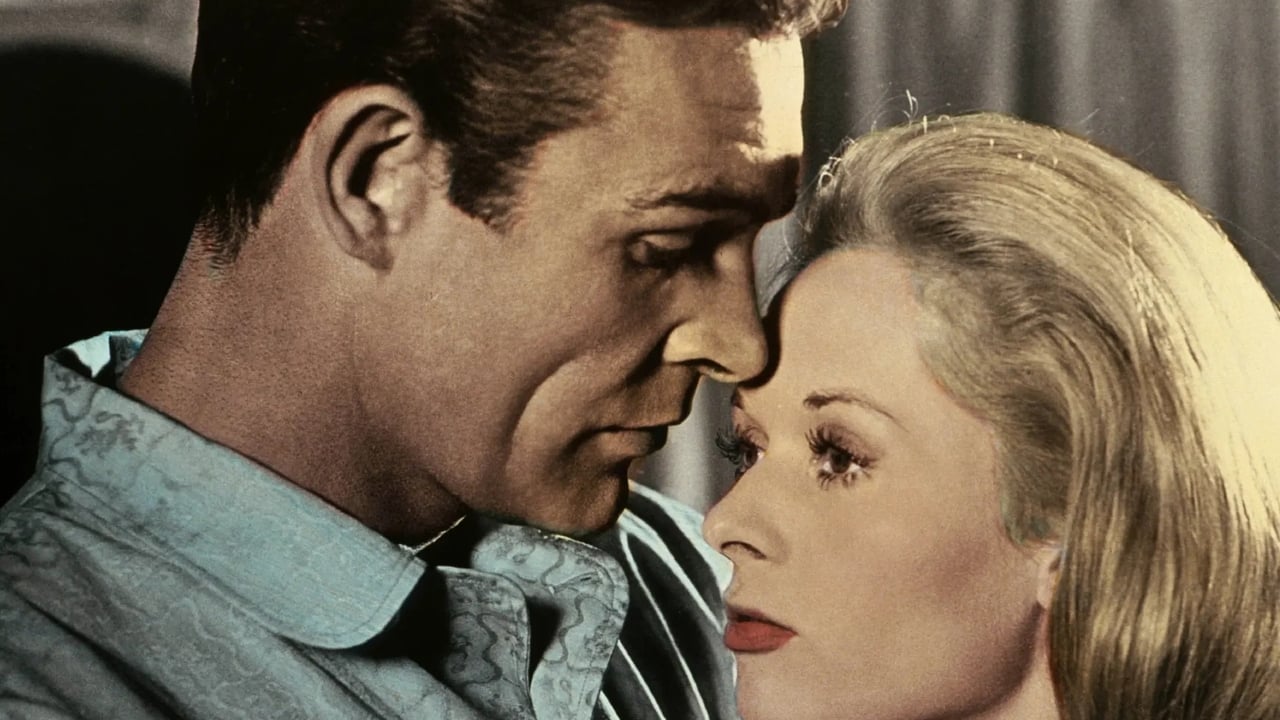
Interestingly, this was almost the film that brought Grace Kelly out of retirement. I often wonder how different the "Popcornizer" rating would be if she had taken the role. Hedren, however, brings a brittle, hollow-eyed desperation that I don't think Kelly could have touched. She looks like she’s constantly trying to disappear into the wallpaper.
By the time the VHS revolution hit in the 80s, Marnie was often the tape gathering dust at the end of the Hitchcock section, its cover art usually emphasizing the "Romance" angle to hide the fact that it’s actually a disturbing character study. It’s a film that demands you meet it on its own bizarre terms. It isn't "fun" in the way North by Northwest is fun, but it’s a fascinating look at a legendary director losing his filter and letting his obsessions run wild.
Marnie is a difficult, beautiful, and deeply weird piece of cinema that marks the end of an era. It’s a psychological drama that trades logic for atmosphere, and while the "amateur Freud" resolution might feel a bit dated now, the performances remain hauntingly effective. If you can get past the 1964 rear-projection and the morally bankrupt protagonist, you'll find a film that lingers in the mind long after the credits roll. It’s a jagged little pill, but it’s one well worth taking.

Keep Exploring...
-
To Catch a Thief
1955
-
The Birds
1963
-

Rebecca
1940
-
Suspicion
1941
-
Spellbound
1945
-
Notorious
1946
-
The Man Who Knew Too Much
1956
-

Frenzy
1972
-
Shadow of a Doubt
1943
-
The 39 Steps
1935
-
The Lady Vanishes
1938
-

Vertigo
1958
-
Psycho
1960
-
The Time Machine
1960
-
In the Heat of the Night
1967
-

Three Days of the Condor
1975
-
All the President's Men
1976
-

Murder by Death
1976
-
Blow Out
1981
-
Clue
1985