My Fair Lady
"Class warfare has never looked quite this loverly."
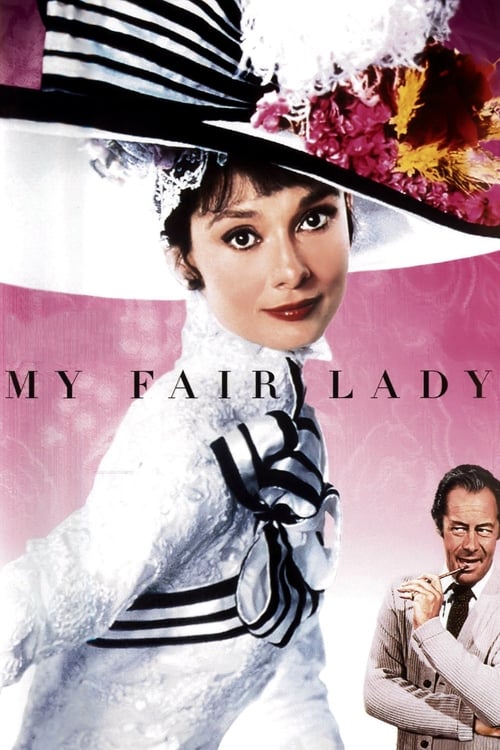
The 1964 Academy Awards season was a bloodbath of silks and egos, a moment where the "Old Hollywood" of massive budgets and 70mm prestige stood on a precipice. Jack Warner had bet $17 million—a staggering sum at the time—that he could turn George Bernard Shaw's prickly Pygmalion into the ultimate cinematic confection. Watching My Fair Lady today is like peering into a Fabergé egg; it is a meticulously constructed, beautiful, and slightly fragile object that captures a version of London that never existed, yet feels more real than the actual city.
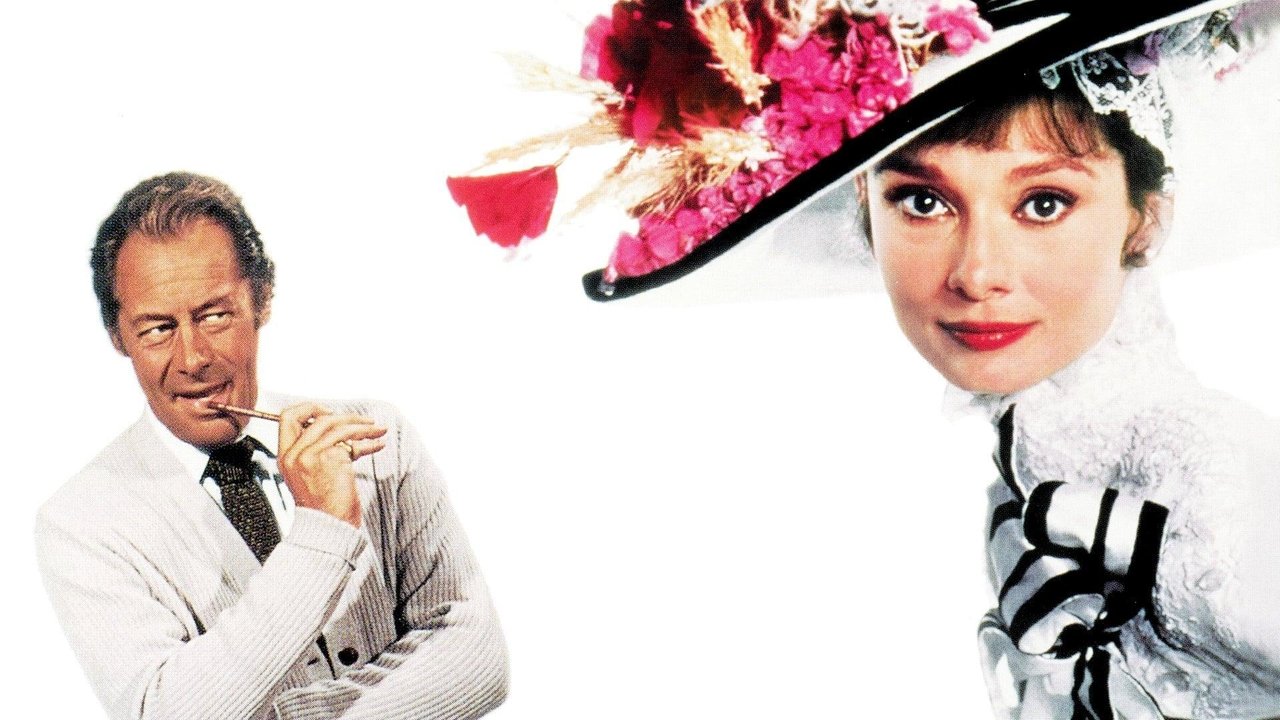
I watched this recently while trying to assemble a particularly stubborn flat-pack bookshelf, and the irony wasn’t lost on me. As I struggled to force wooden dowels into poorly drilled holes, I watched Rex Harrison attempt the same thing with a human being. There is something eternally satisfying about watching a master of his craft—Harrison, not me—work with such clinical, comedic precision.
The Linguistic Laboratory
At its heart, My Fair Lady isn't really a romance, and the more you lean into the "Cerebral" side of it, the better the movie gets. It’s a philosophical inquiry into whether the "soul" is something innate or merely a collection of external habits. Professor Henry Higgins, played with a magnificent, high-octane arrogance by Rex Harrison, views language not as a tool for connection but as a cage. If you change the bars of the cage, do you change the bird inside?
Henry Higgins is basically a high-society version of a toxic Redditor with a phonetics degree. He’s obsessed with "purity" and logic, yet he’s the most emotionally stunted person in the room. Harrison doesn't sing his songs so much as he weaponizes his dialogue, using a technique called Sprechgesang (spoken singing) that he perfected on Broadway. It allows Higgins to maintain his intellectual distance even when the music demands passion. He remains a man of the mind, which makes his eventual "collapse" into missing Eliza’s face all the more jarring.
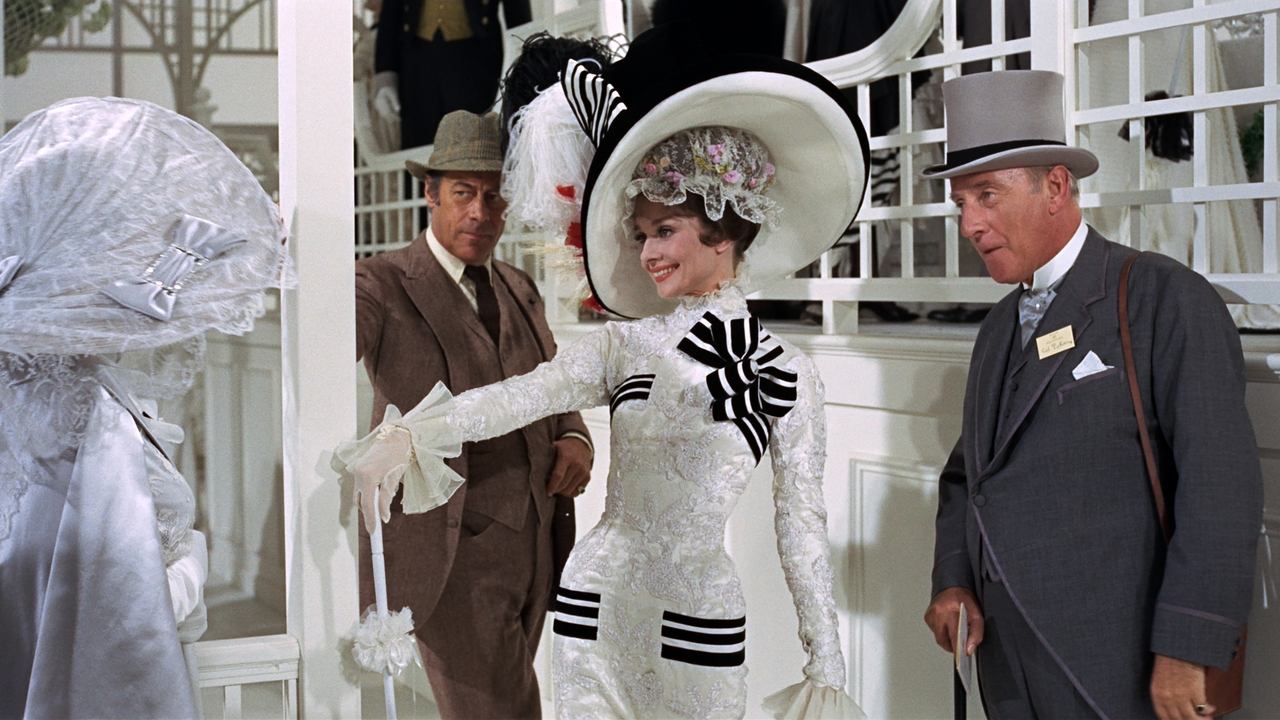
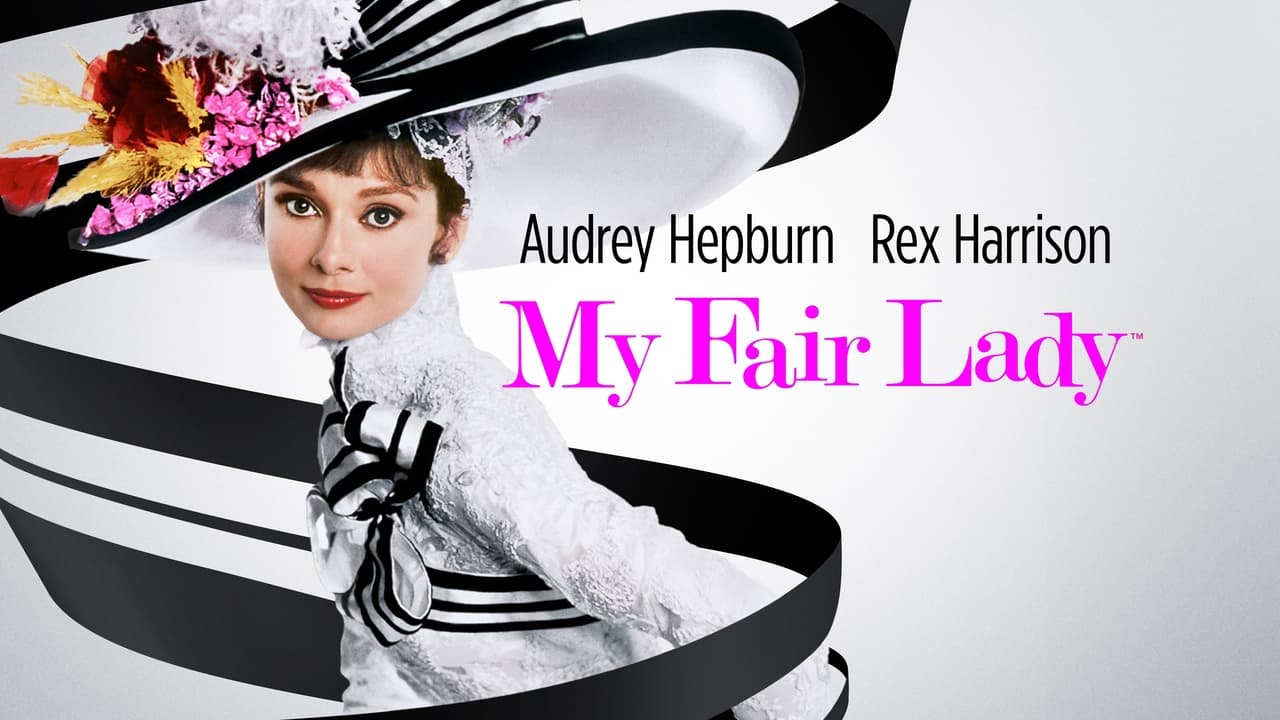
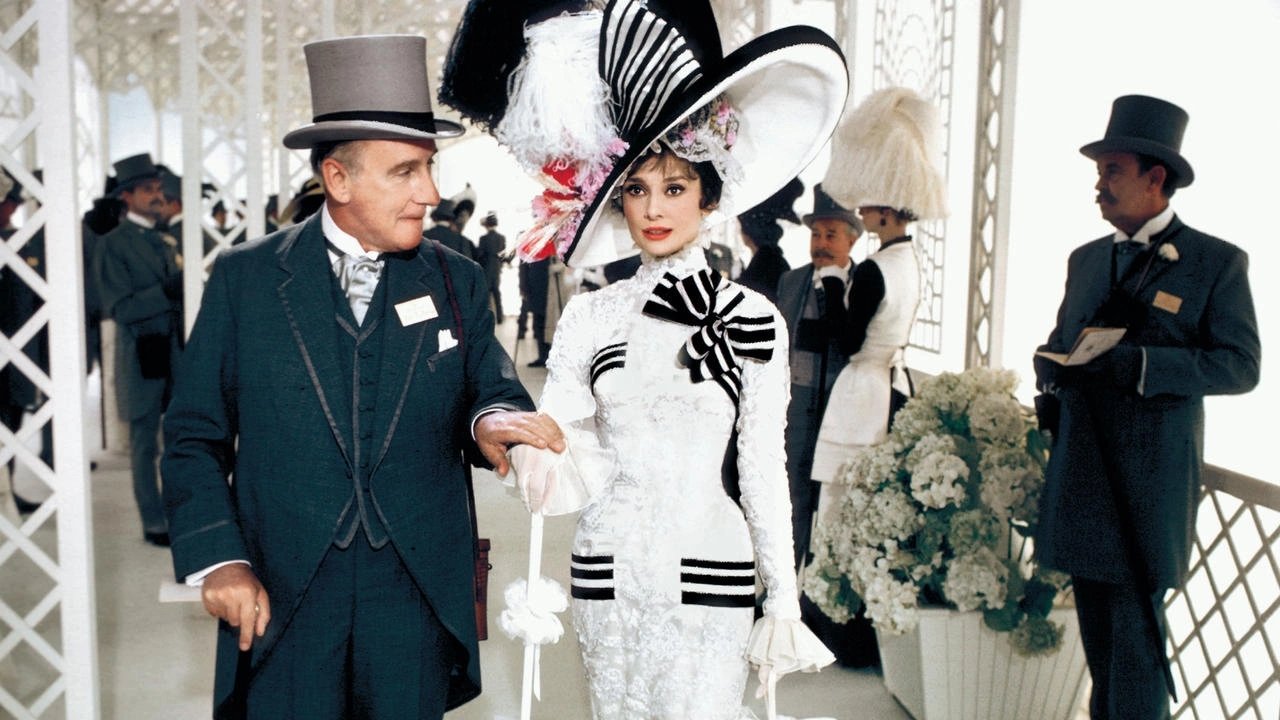
The film challenges us to consider if Eliza Doolittle is being rescued or erased. When Audrey Hepburn’s Eliza finally achieves the "perfect" accent, she loses her place in the world. She’s too refined for the flower market and too "common" (in her own mind) for the aristocracy. It’s a tragic bit of social engineering wrapped in a gorgeous Ascot dress.
The Hepburn Controversy and The Marni Nixon Ghost
You can’t talk about this film without addressing the elephant in the recording booth. The casting of Audrey Hepburn over Julie Andrews (who had originated the role on stage) was the scandal of the decade. Warner wanted a "movie star," and while Hepburn is undeniably luminous, the decision to have her singing dubbed by the legendary Marni Nixon remains a point of contention for purists.
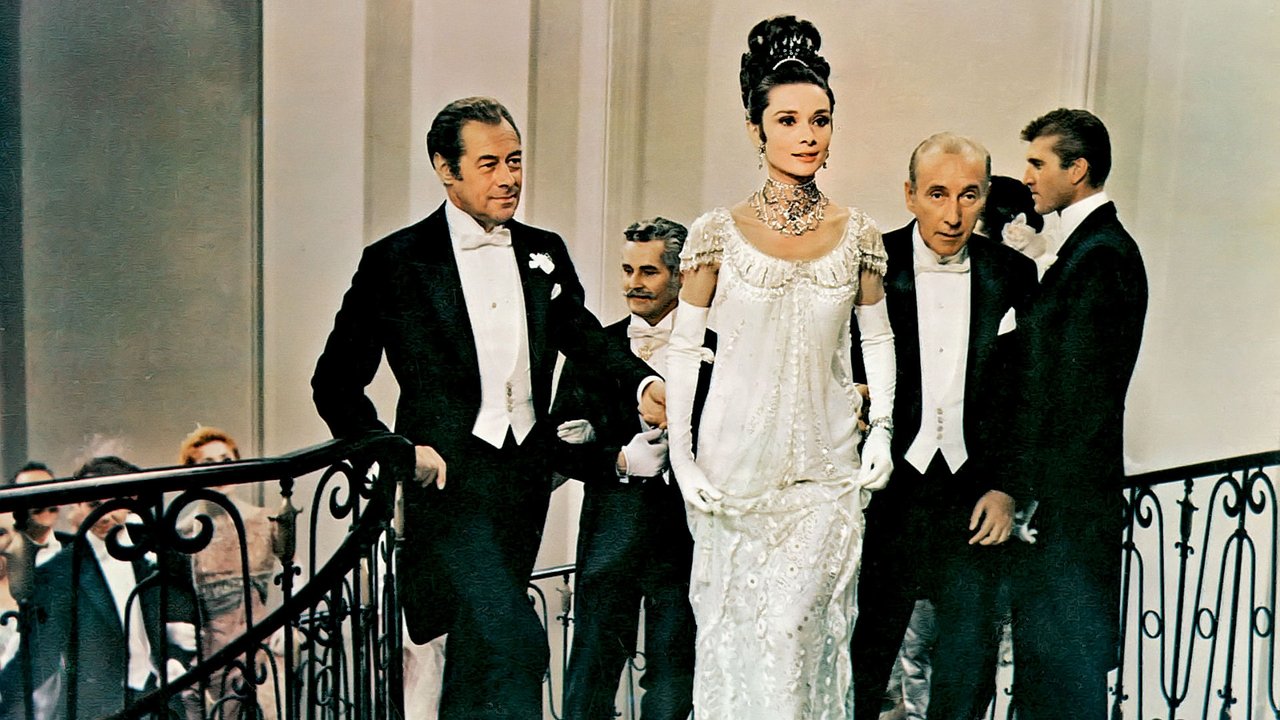
However, looking at it now, Hepburn’s physical performance is a marvel of comedic timing. Her transformation from the screeching, soot-covered "draggletailed guttersnipe" to the ethereal creature at the Embassy Ball is achieved through posture and gaze as much as costume. In the early scenes, she uses her body like a defensive animal—shoulders hunched, jaw set. By the end, she is a statue of controlled defiance. Audrey Hepburn might not be singing those high notes, but she is absolutely owning the emotional arc of a woman realizing she’s been used as a laboratory rat.
And let's give a nod to Stanley Holloway as Alfred P. Doolittle. Every time the movie threatens to get too stuck in its own intellectualism, Holloway bursts in like a stray brick through a stained-glass window. His performance of "Get Me to the Church on Time" is a masterpiece of choreographed chaos, a reminder that while the upper classes are obsessing over vowels, the working class is busy actually living.
A Spectacle of the Studio’s Last Gasp
Director George Cukor and cinematographer Harry Stradling Sr. created a visual language that feels almost theatrical, yet utilizes the widescreen frame to isolate Eliza within the cavernous, book-lined walls of Higgins’ laboratory. The production design is suffocatingly detailed. There’s a specific texture to this era of filmmaking—the matte paintings, the controlled lighting, the absence of "real" grit—that felt outdated by 1969 but feels like a warm, nostalgic embrace now.
For those of us who grew up in the VHS era, My Fair Lady was often a "double-tape" commitment. It was the movie that took up two slots on the shelf, its spine art usually featuring that iconic white Ascot dress. Because of its 170-minute runtime, it became a staple of rainy Sunday afternoons. The tape change usually happened right after the intermission, just as the tension between Higgins and Eliza reached its boiling point. There was a tactile ritual to it; flipping the tape was like a mandatory breather before the emotional fallout of the final act.
My Fair Lady is a film that rewards a second look, specifically if you stop viewing it as a "loverly" musical and start seeing it as a sharp-tongued satire of class and gender. It’s a comedy of manners where the manners are the joke. While the ending remains frustratingly subservient to the era’s "happy ending" requirements—Shaw famously hated the idea of Eliza returning to Higgins—the performances of Rex Harrison and Audrey Hepburn create a friction that transcends the script’s limitations. It is a grand, sweeping achievement of a studio system that was about to disappear, leaving us with one last, perfectly pronounced "Hurray."
Keep Exploring...
-
Breakfast at Tiffany's
1961
-
Charade
1963
-
Harold and Maude
1971
-
The Philadelphia Story
1940
-
The Apartment
1960
-
Manhattan
1979
-

The Hustler
1961
-

Risky Business
1983
-
Romancing the Stone
1984
-
The Purple Rose of Cairo
1985
-
Weird Science
1985
-
The Money Pit
1986
-
Overboard
1987
-
Say Anything...
1989
-
Annie Hall
1977
-
La Dolce Vita
1960
-
Jules and Jim
1962
-
La Jetée
1962
-
Fast Times at Ridgemont High
1982
-

The Circus
1928