The Umbrellas of Cherbourg
"A candy-colored heartbreak where every word is a song."
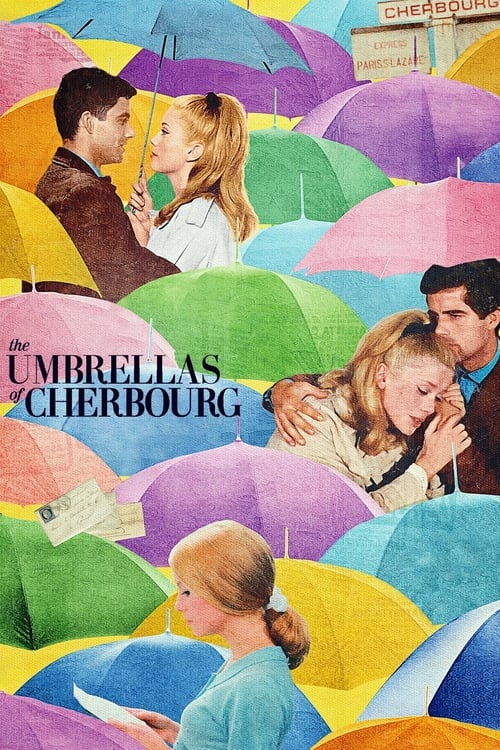
I first watched The Umbrellas of Cherbourg on a humid Tuesday afternoon while nursing a slightly bruised ego and eating a bowl of cereal that had gone past its prime crunch. I expected a light, fluffy French musical—something to hum along to while I felt sorry for myself. Instead, Jacques Demy handed me a vibrant, neon-soaked emotional wrecking ball that left me staring at the credits in total silence.
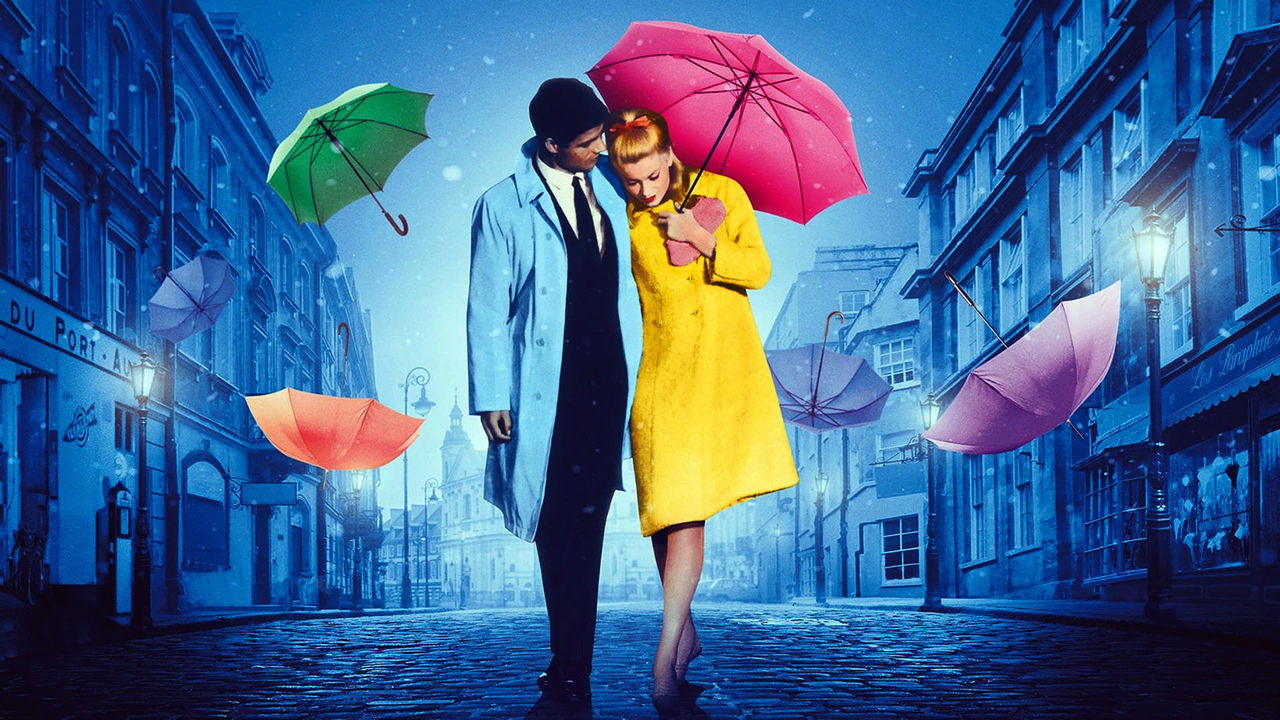
It is a film that defies the cynical part of your brain. On paper, the gimmick sounds exhausting: every single line of dialogue is sung. There is no spoken word. If a character needs to ask for a wrench or discuss the price of an umbrella, they do it to the lush, sweeping melodies of Michel Legrand. You’d think this would feel artificial or grating, but within ten minutes, the artifice melts away. It becomes the only logical way these characters could possibly express the sheer scale of their teenage longing.
The Most Beautiful Gas Station in France
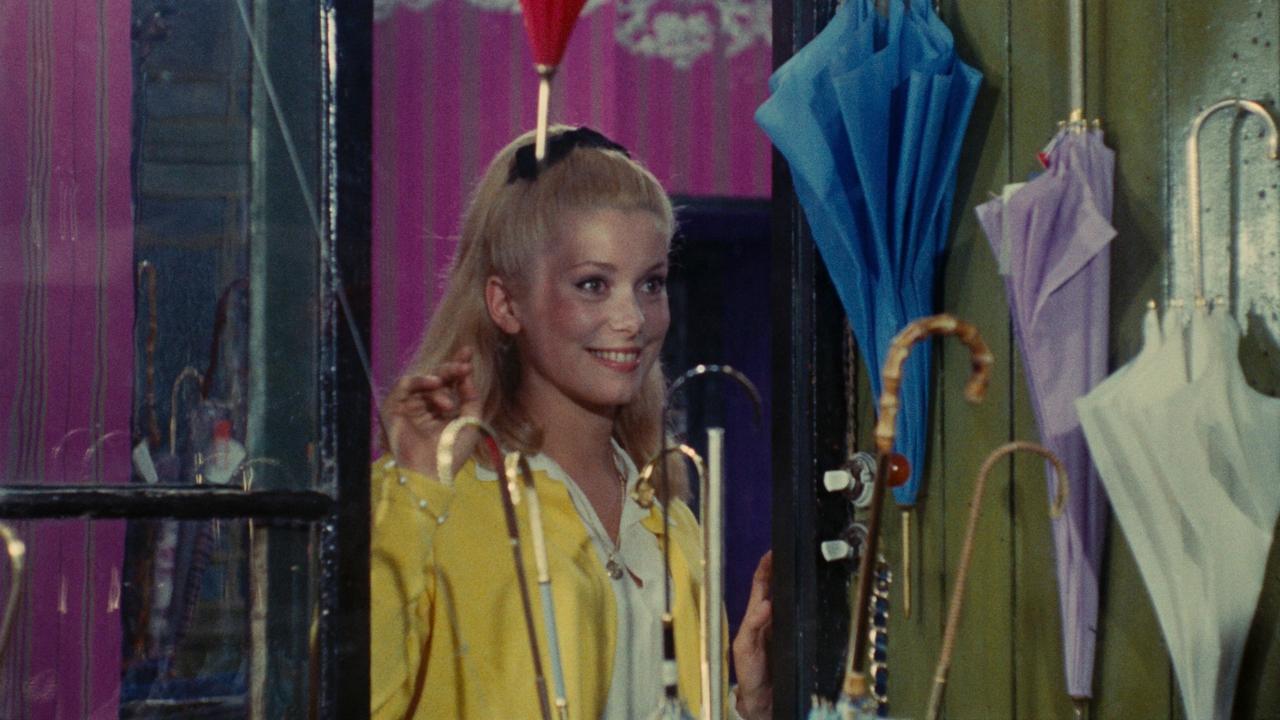
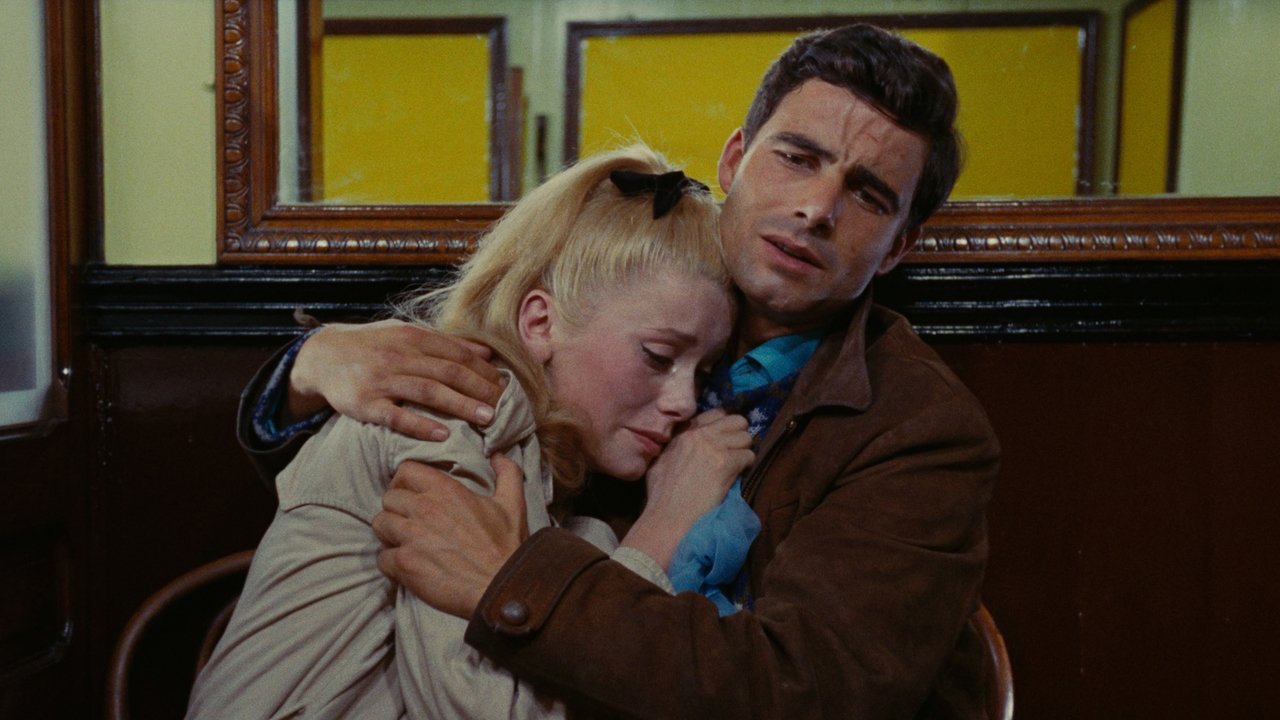
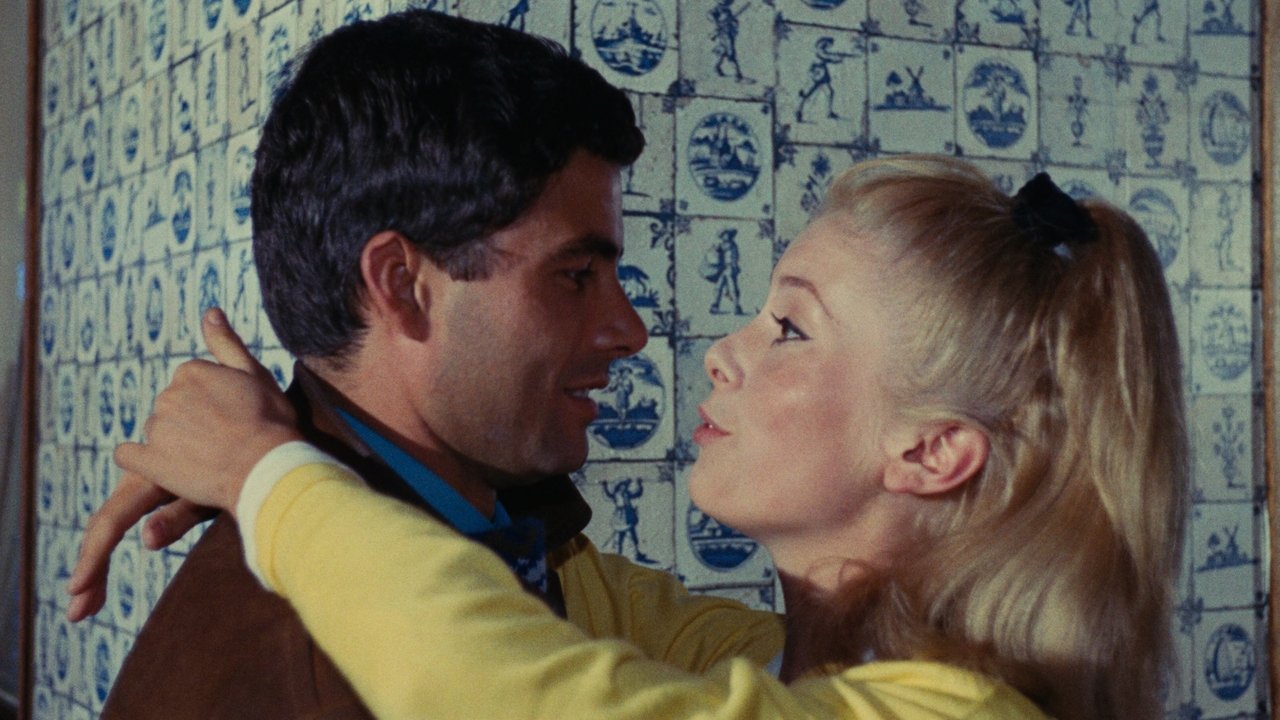
The plot is deceptively simple. Geneviève (Catherine Deneuve in the role that rightfully turned her into a global icon) is seventeen and madly in love with Guy (Nino Castelnuovo), a handsome auto mechanic. Her mother, who runs a struggling umbrella shop, isn't thrilled about the match, but the real villain isn't a person—it’s the ticking clock of history. Guy is drafted to serve in the Algerian War, leaving Geneviève pregnant and faced with a choice between a romantic ideal and a stable, albeit loveless, reality.
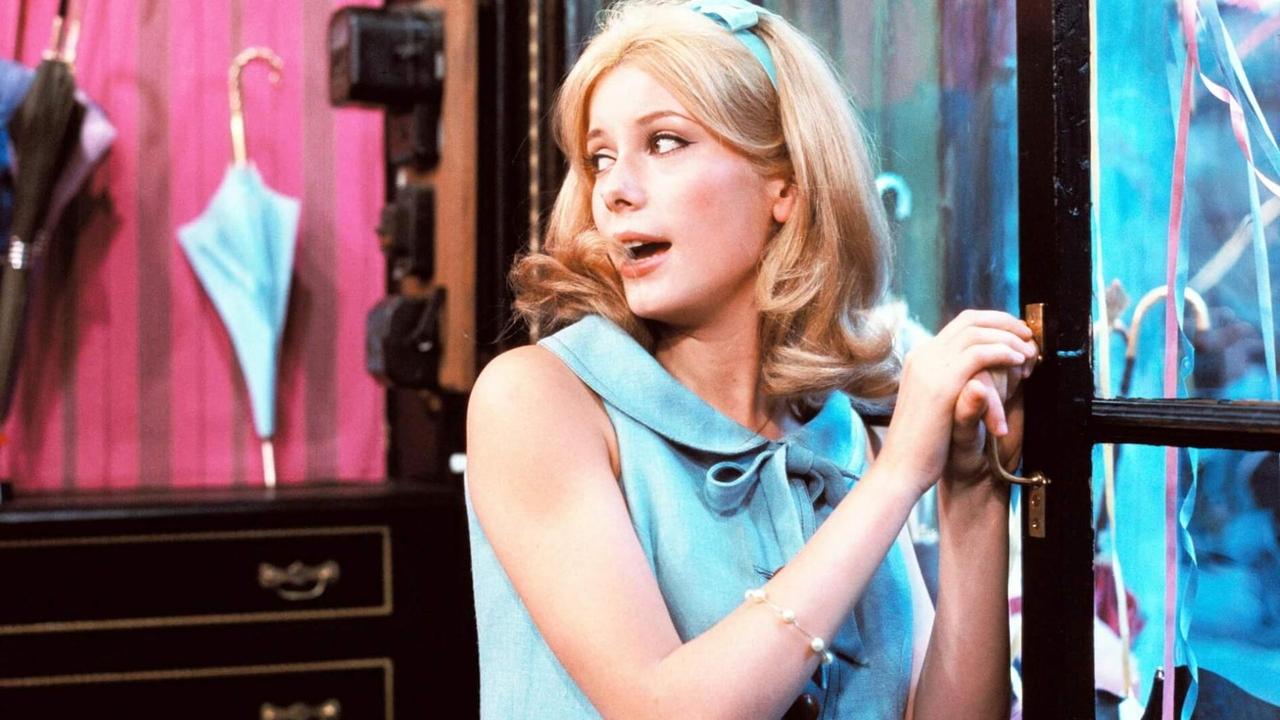
What makes this film an "Indie Gem" in the truest sense is how Jacques Demy maximized a modest $200,000 budget. He didn't have the resources of a MGM backlot, so he turned the actual streets of Cherbourg into a storybook. He famously had the walls of real buildings repainted in vibrant pastels to match the costumes. It’s a hyper-stylized world where the wallpaper matches the heroine’s dress, creating a visual cohesion that feels like a fever dream. It’s basically an opera for people who think opera is too stuffy and movies are too gray.
The cinematography by Jean Rabier (who also lensed Cléo from 5 to 7) is legendary. Every frame looks like a box of Ladurée macarons. But that sweetness is a trap. Beneath the primary colors is a sharp, painful look at how war and class economics quietly dismantle the lives of ordinary people. Demy’s genius was realizing that the more artificial the presentation, the more "real" the emotions feel.
A Score That Lives Under Your Skin
We have to talk about Michel Legrand. If you’ve ever seen a film from the 60s or 70s—like The Thomas Crown Affair or Yentl—you know his work, but this is his masterpiece. The main theme, "I Will Wait for You," is a melodic gut-punch that recurs throughout the film, gaining weight every time it returns. By the time we reach the final act, that melody carries the entire history of Guy and Geneviève’s lost time.
For those of us who grew up in the VHS era, discovering Umbrellas was often a rite of passage for the "musical-averse." I remember seeing the oversized clamshell case for the 1992 restoration at my local Mom-and-Pop video store. The cover featured Catherine Deneuve looking ethereal under a yellow umbrella, and it stood out like a sore thumb among the grainy action flicks and slasher sequels. Because the film relies so heavily on its color palette, those old, slightly tracking-heavy VHS tapes actually added a strange, nostalgic texture to the viewing experience—like looking at a faded postcard from a trip you never actually took.
One of my favorite bits of trivia is that the character of Roland Cassard (Marc Michel), the wealthy diamond merchant who courts Geneviève, is actually a carry-over from Demy’s previous film, Lola (1961). It’s an early example of a "cinematic universe," but instead of superheroes, it’s just people wandering through each other’s heartbreaks.
The Finality of "What If"
The film’s ending is widely considered one of the most bittersweet in cinema history. (Don’t worry, no spoilers here, but keep the tissues nearby). It moves away from the operatic heights of the first act and settles into a quiet, snowy realism that is devastating precisely because it isn't "tragic" in the Shakespearean sense—it’s just life. It’s about the way we grow up and how the people we thought we couldn't live without eventually become strangers we recognize at a gas station.
If you don't cry during the final scene at the Esso station, you might actually be a replicant. It’s the ultimate "what if" movie. It captures that specific, agonizing transition from the neon-colored dreams of youth to the muted, practical tones of adulthood. It’s a film that earns every bit of its reputation.
Jacques Demy created something that shouldn't work—a sung-through musical about teenage pregnancy and colonial war—and turned it into a visual and auditory feast. It’s a testament to what a director can do with a singular vision and a few buckets of bright paint. Whether you watch it on a pristine 4K restoration or a grainy old tape, the impact remains the same. It’s a beautiful, shimmering ache of a movie that reminds us that while love might not be forever, a great melody certainly is.
Keep Exploring...
-
Contempt
1963
-
Pierrot le Fou
1965
-
Belle de Jour
1967
-
The Apartment
1960
-
Guess Who's Coming to Dinner
1967
-

Repulsion
1965
-
Cabaret
1972
-
Last Tango in Paris
1972
-
Badlands
1974
-
Annie Hall
1977
-
Wings of Desire
1987
-
Breakfast at Tiffany's
1961
-

The Hustler
1961
-
Jules and Jim
1962
-
La Jetée
1962
-

The Graduate
1967
-

Breathless
1960
-
West Side Story
1961
-
Doctor Zhivago
1965
-

The Sound of Music
1965