Doctor Zhivago
"A poet’s heart crushed by a red machine."
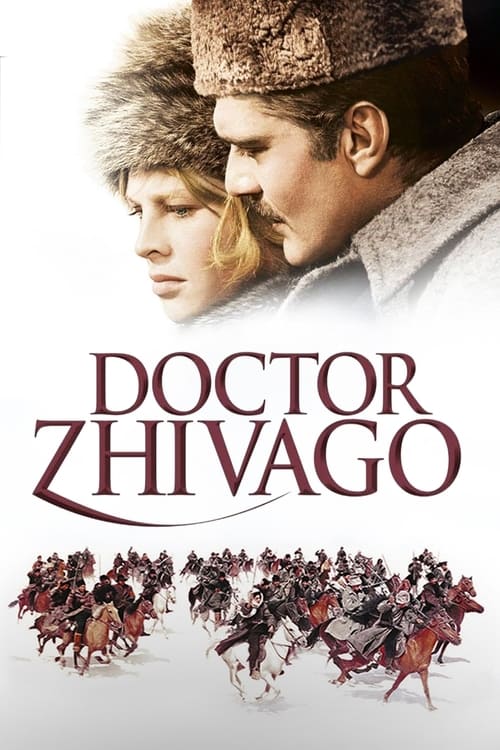
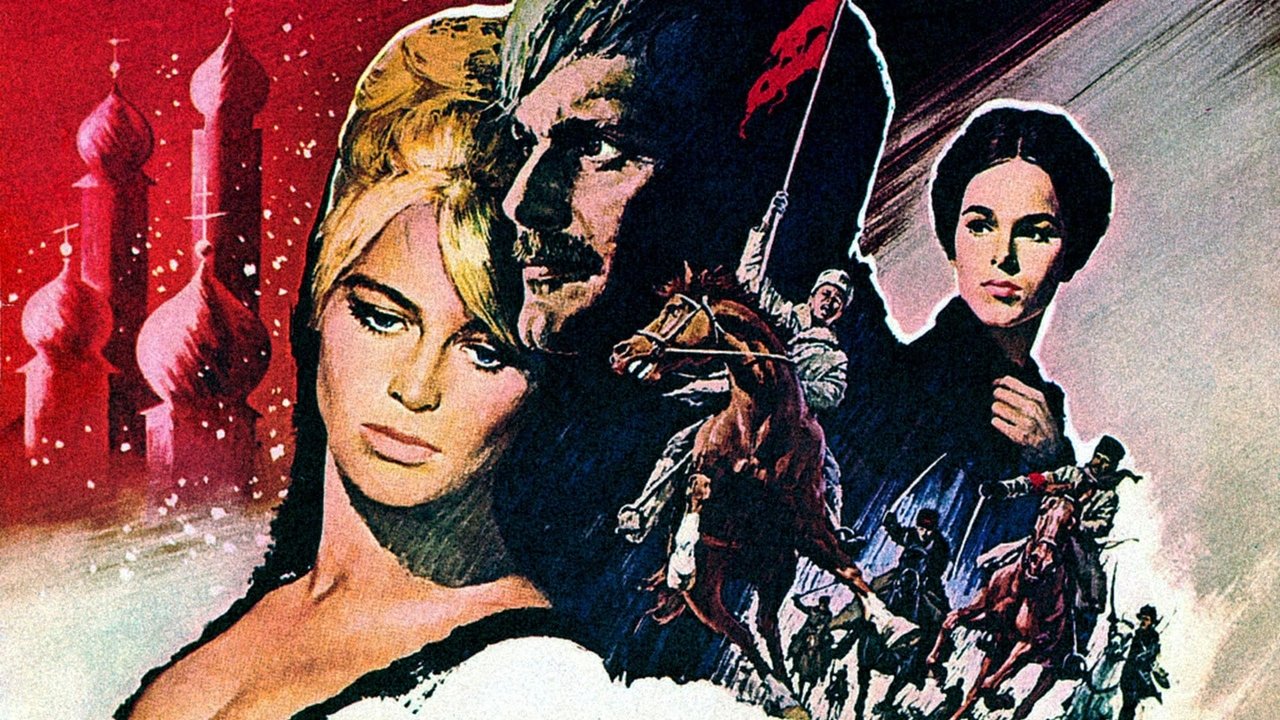
David Lean spent his career trying to capture the horizon, but in Doctor Zhivago, he finally realized the horizon doesn’t care if you live or die. After the sweeping desert triumph of Lawrence of Arabia (1962), Lean traded the scorching sands of Jordan for the biting frost of the Russian Revolution, proving that he was the undisputed king of the "intimate epic." It is a film that feels massive enough to swallow a continent yet small enough to fit inside a locket.
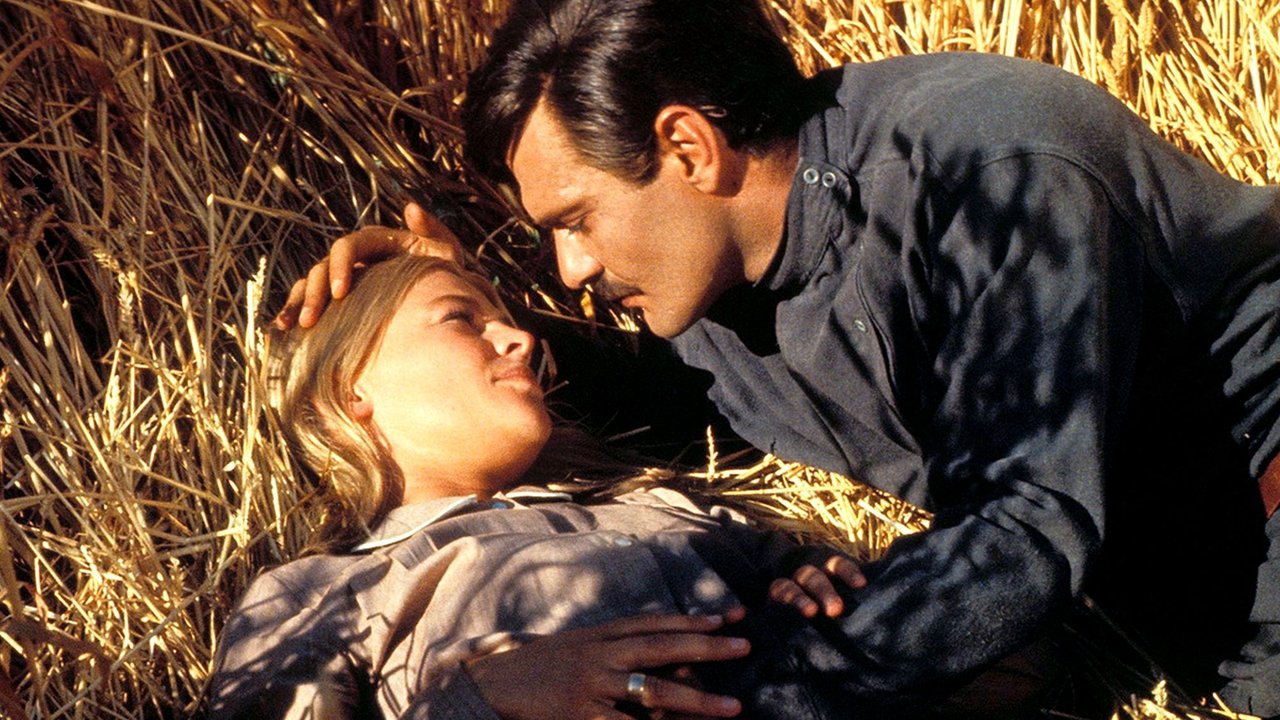
I first sat down with this three-hour-and-twenty-minute behemoth while sitting on a particularly squeaky, uncomfortable wicker chair. By the time the intermission title card rolled around, the physical numbness in my legs weirdly mirrored the emotional desolation on screen. It’s a film that demands your entire afternoon and, in return, offers a hauntingly beautiful autopsy of a dying world.
The Frost of the Human Soul
At its core, this is a story about Yuri Zhivago (Omar Sharif), a physician and poet who is essentially a sentient bruise. He feels everything too deeply in a world that is rapidly deciding that individual feelings are a counter-revolutionary luxury. The drama isn't just in the sweeping cavalry charges or the burning villages; it’s in the way Omar Sharif uses his eyes to convey a man watching his soul being slowly paved over by history.
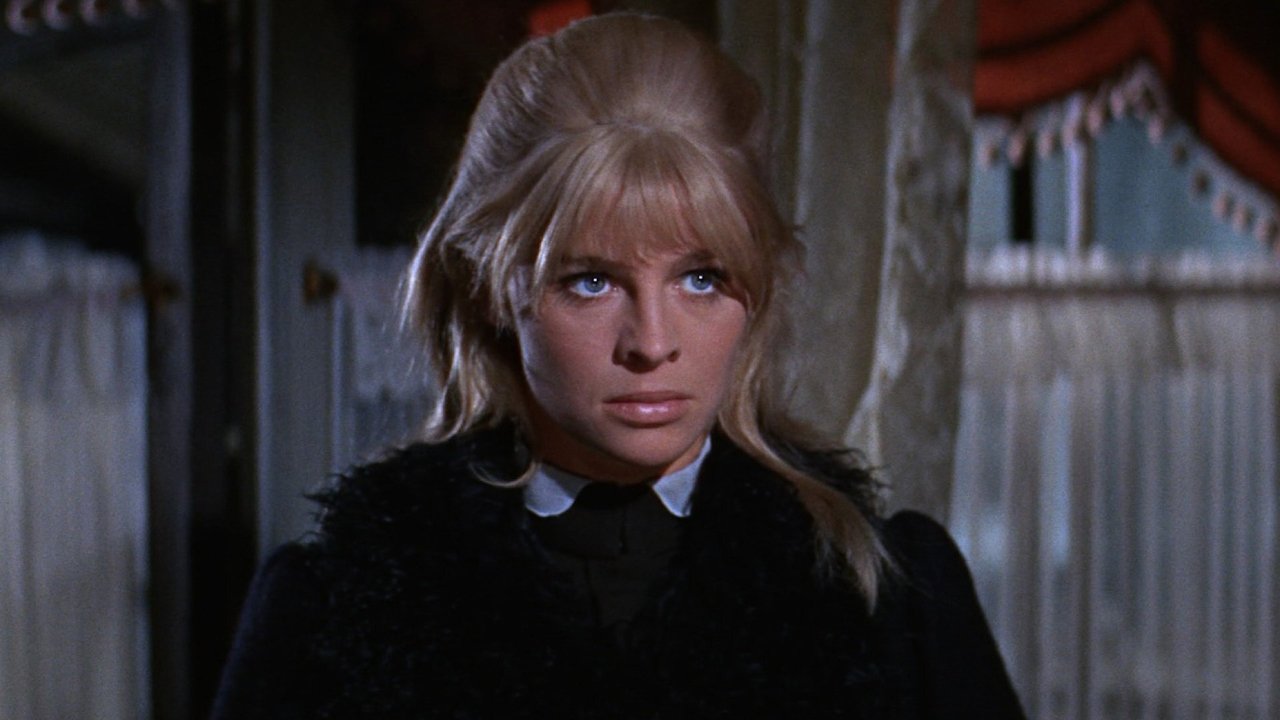
The central tension—Zhivago’s torn devotion between his steadfast wife, Tonya (Geraldine Chaplin), and the magnetic, tragic Lara (Julie Christie)—could have been a standard soap opera in lesser hands. But Lean treats this triangle like a natural disaster. Julie Christie is incandescent here; she possesses a screen presence that feels like she’s constantly standing in a spotlight even when she’s in a dingy room. When she and Sharif finally share the screen, the chemistry is less about heat and more about a desperate, shared need for oxygen. My hot take? Zhivago is essentially a passenger in his own life, a man who lets the winds of war and the whims of women blow him wherever they please, yet you can't help but ache for him.
A Blockbuster Built on Fake Snow and Real Slaps
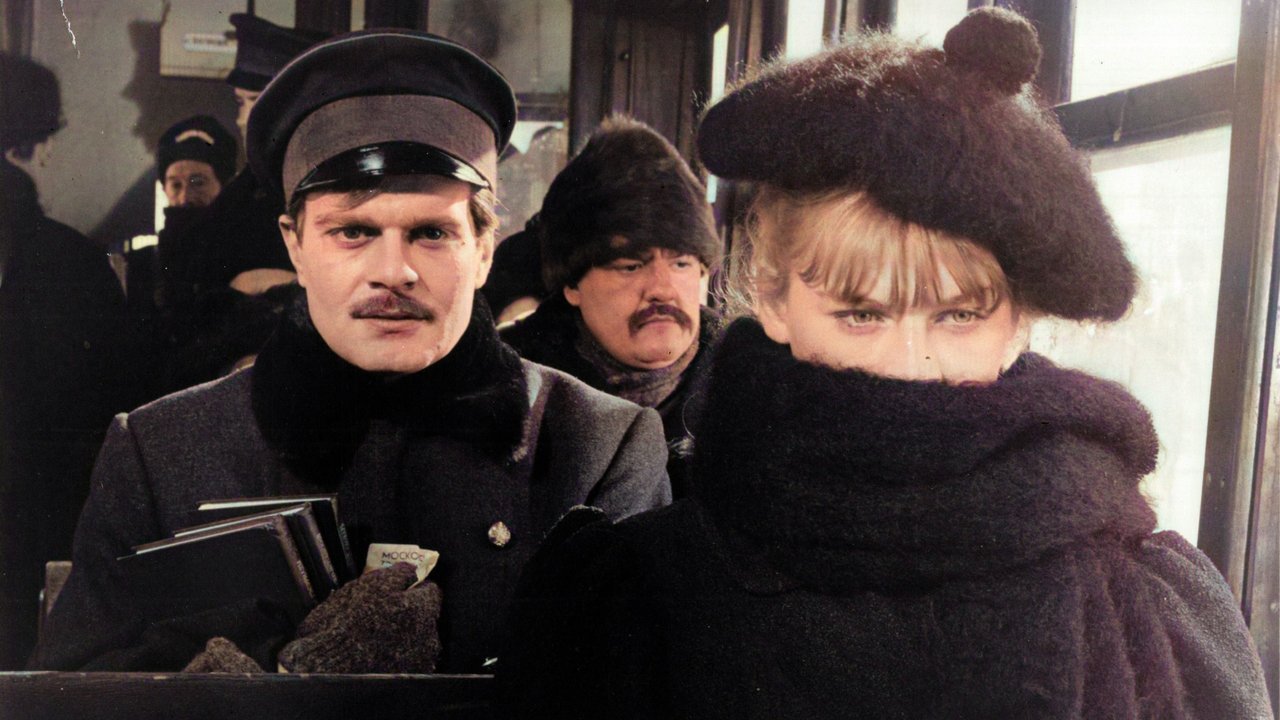
By the mid-1960s, the old studio system was gasping its last breath, but Doctor Zhivago was a final, thunderous roar of "Big Hollywood" craft. Metro-Goldwyn-Mayer poured $11 million into the production—a staggering sum at the time—and it paid off with a box office haul of over $111 million. Adjusted for inflation today, we’re talking about a gross of over $1 billion. It was a genuine cultural phenomenon, the kind of movie that stayed in theaters for a year and saw Maurice Jarre’s "Lara’s Theme" become a radio staple that your grandmother probably hummed until her final days.
The production stories are the stuff of legend. Because the novel by Boris Pasternak was banned in the USSR (it wouldn't be published there until 1988), Lean had to recreate Moscow in Spain. They built a ten-acre street set, but nature refused to cooperate. Most of those "frozen" Siberian landscapes were filmed during a Spanish heatwave; the "ice" in the famous dacha sequence was actually white wax poured over everything, and the snow was often marble dust or salt.
There’s a legendary intensity to the performances, too. During the scene where the villainous Komarovsky (Rod Steiger) slaps Lara, Rod Steiger actually struck Julie Christie for real without warning her. That look of shocked, tearful rage on her face isn't "acting"—it’s a genuine reaction to a veteran Method actor crossing a line to get the shot. It’s a brutal, effective moment that underscores the film’s darker themes of predatory power.
The Grinding Gears of Revolution
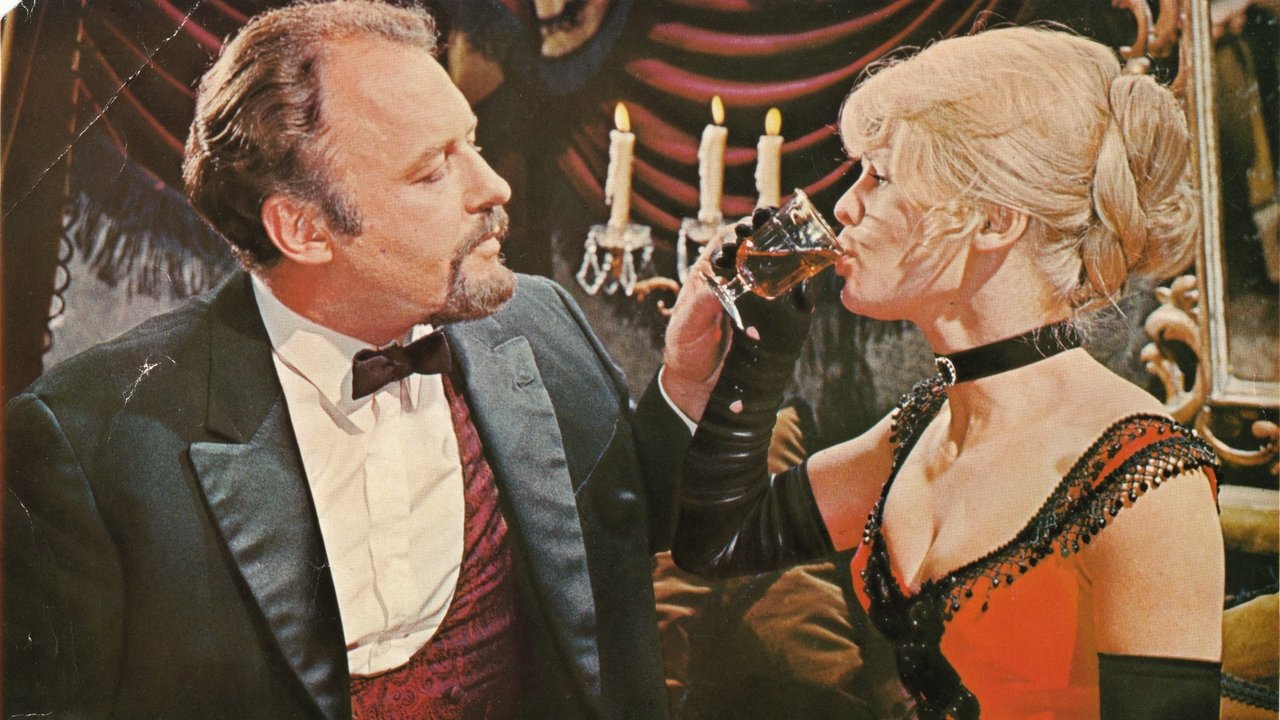
While the romance gets the posters, the film’s depiction of the October Revolution is where the real "Dark/Intense" energy resides. Tom Courtenay is chilling as Pasha, the idealistic student who transforms into the cold-blooded Bolshevik commander Strelnikov. His character arc is the film’s most terrifying warning: that revolution often requires you to burn away everything human about yourself to stay warm.
The film handles the transition from the opulent, candlelit world of the Czarist aristocracy to the gray, starving communal living of the Soviet era with a devastating visual eye. Freddie Young’s cinematography captures the change in the light itself—shifting from warm golds to a harsh, flat blue. It’s a reminder that Doctor Zhivago isn't just a love story; it’s a horror movie about the disappearance of the private individual.
Watching this in the context of the mid-60s, you can see Lean holding the line against the "New Hollywood" wave of Scorsese and Coppola that was about to break. He was still making movies where the sets were real, the extras numbered in the thousands, and the themes were as big as the screen. It’s an exhausting, beautiful, and deeply cynical piece of art that refuses to give you a happy ending because history doesn't give them out.
Doctor Zhivago is a rare beast: a commercial juggernaut that refuses to simplify its politics or its pain. It’s a film that earns every one of its 200 minutes by showing us that even in the middle of a global collapse, the most important thing in the world is the look on a woman’s face as she walks away into a crowd. Pack a sweater, clear your schedule, and let David Lean break your heart.
Keep Exploring...
-
Lawrence of Arabia
1962
-
Barry Lyndon
1975
-
Sophie's Choice
1982
-
The Bridge on the River Kwai
1957
-
Witness
1985
-

Platoon
1986
-
Good Morning, Vietnam
1987
-
Born on the Fourth of July
1989
-
Spartacus
1960
-
West Side Story
1961
-
The Longest Day
1962
-
Patton
1970
-

Legends of the Fall
1994
-
The English Patient
1996
-
The Wind Rises
2013
-

The Sound of Music
1965
-
The Great Escape
1963
-
Pierrot le Fou
1965
-
Butch Cassidy and the Sundance Kid
1969
-
The Graduate
1967