For a Few Dollars More
"The chimes ring for blood, and the hunters are listening."
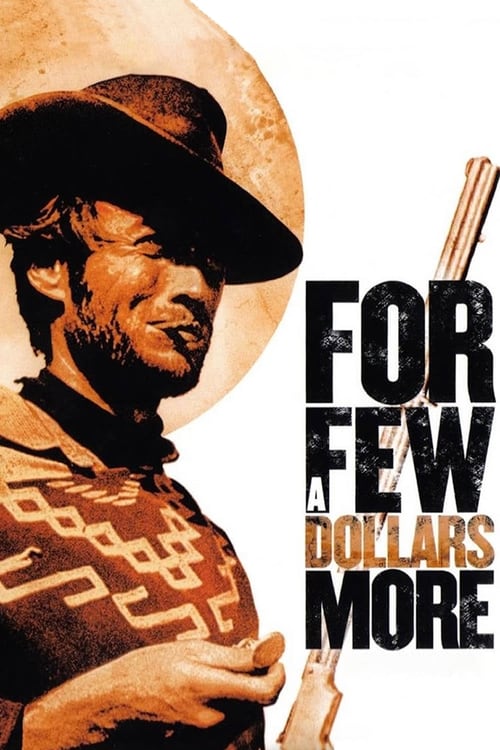
The first time I saw the hat-shooting sequence in For a Few Dollars More, I was trying to fix a leaky faucet in my kitchen. The rhythmic drip-drip-drip of the water into a plastic bucket ended up syncing perfectly with the tense, clicking spurs on screen. I stopped wrenching the pipe and just sat on the floor, mesmerized by the sheer arrogance of two men trying to out-smoke and out-shoot each other's headwear. It’s a scene that shouldn't work—it’s essentially two middle-aged men having a petty argument over a hat—but under the lens of Sergio Leone, it feels like a clash of tectonic plates.

While its predecessor, A Fistful of Dollars, introduced us to the squint, and the successor, The Good, the Bad and the Ugly, gave us the epic scope, this middle chapter is where the "Man with No Name" trilogy actually finds its soul. It’s a film that trades the simple "stranger in town" trope for a much more complex, psychological duel between two men who are technically on the same side, yet worlds apart in their motivations.
The Professional and the Predator
In many ways, this is the ultimate "buddy" movie before that genre was even a glimmer in a screenwriter's eye. We have Clint Eastwood as Manco—essentially the same bounty hunter he played in the first film, though the marketing departments of the era loved to pretend he was a nameless wraith. He’s the "young gun," motivated by the cold, hard logic of the dollar. He counts his bounty money with the same detached precision a banker might use to tally a ledger.
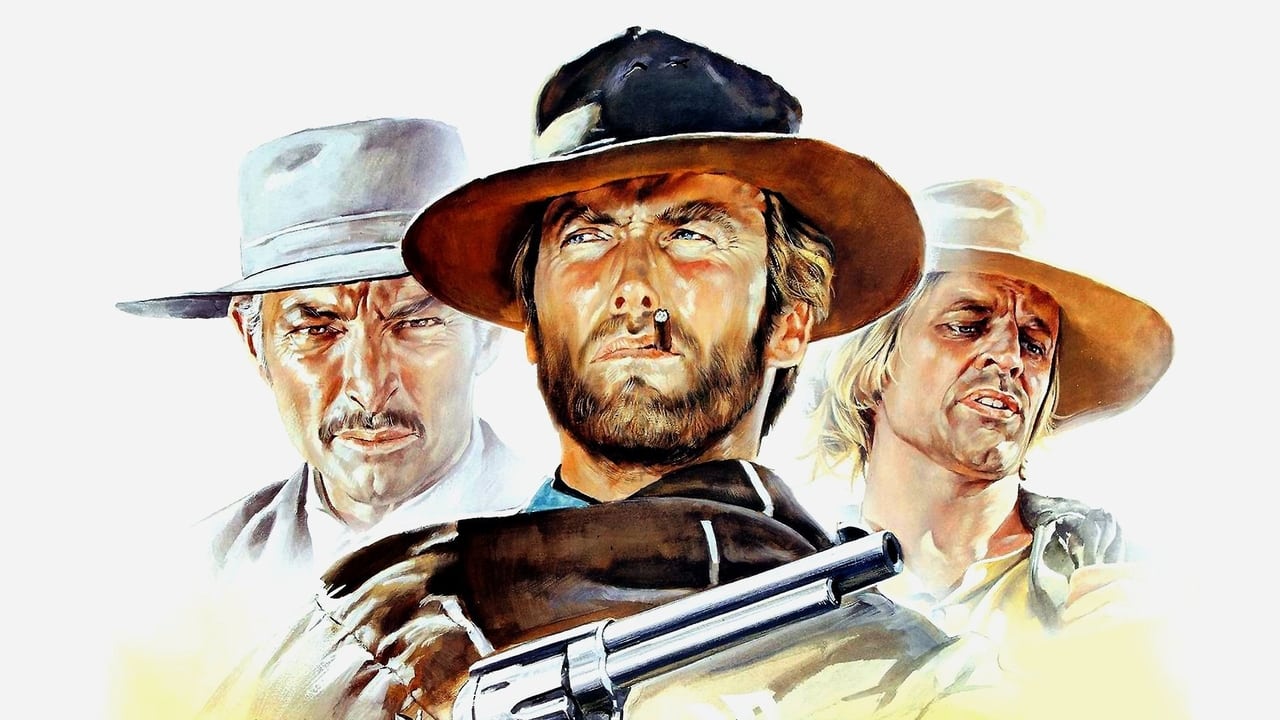
But the real revelation here is Lee Van Cleef as Col. Douglas Mortimer. Before Sergio Leone plucked him from obscurity, Van Cleef was a journeyman actor who had mostly retired from the screen to pursue painting. He brings an incredible, weathered dignity to the role. While Manco is a predator of opportunity, Mortimer is a man of ritual. He carries a rolling arsenal of custom weaponry and checks his pocket watch with a somber, funereal intensity.
I’ve always found the chemistry between these two fascinating. They don't bond over shared values; they bond over the shared recognition of each other's lethality. It’s a professional respect that feels more earned than any "we're friends now" dialogue could ever achieve. When they finally agree to team up to take down the bandit El Indio, the film shifts from a standard Western into a high-stakes chess match played with lead and gunpowder.
A Villain Haunted by the Chime
Most Western villains of the 1950s were cardboard cutouts who kicked dogs and sneered at orphans. Gian Maria Volonté’s El Indio is something entirely different. He is a drug-addicted, traumatized, and deeply philosophical monster. He doesn't just rob banks; he holds court. He preaches twisted sermons from church pulpits and collapses into fits of weeping when the musical chime of a stolen pocket watch triggers memories of a past crime he can’t escape.
This is where the film leans into its cerebral roots. The pocket watch isn't just a plot device; it’s a symbol of time, guilt, and the inevitable approach of death. Every time that tinkling, crystalline melody starts to play, the tension in the room becomes suffocating. Ennio Morricone, who of course provided the legendary score, used the watch's chime as an actual instrument within the soundtrack. It blurs the line between what the characters hear and what the audience feels. It’s a masterstroke of sound design that makes the eventual final duel feel like a predestined ritual rather than a random shootout.
Independent Ingenuity and the Spaghetti Revolution
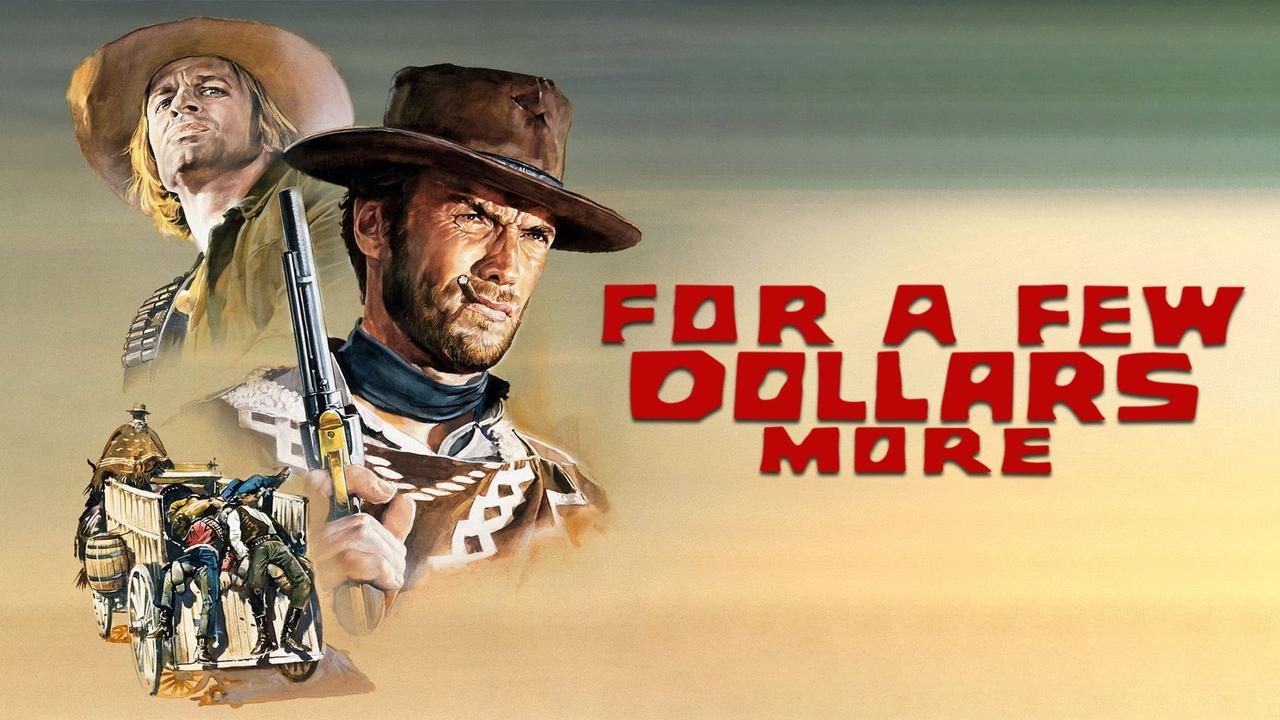
It’s easy to forget that this was essentially an "Indie" production by today’s standards. With a budget of only $600,000—peanuts compared to the Technicolor epics being churned out in Hollywood at the time—Sergio Leone had to be incredibly resourceful. He famously recycled sets from other films and used the rugged, arid landscapes of Almería, Spain, to stand in for the American Southwest. This "shoestring" reality actually worked in the film’s favor; everything looks dusty, lived-in, and appropriately grimey.
I’m particularly fond of the bit players who fill out Indio’s gang. You’ve got the legendary Klaus Kinski—who Joe Dante fans might recognize from his later career in bizarre horror—playing a twitchy, hunchbacked gunslinger. Apparently, Kinski was just as volatile on set as he was on screen, frequently clashing with Leone over how his character should move. That genuine friction bleeds into the performance; he looks like a man who might snap and kill everyone in the room at any second.
The film also serves as a fascinating bridge between the "Golden Age" of cinema and the "New Hollywood" of the 70s. It lacks the moral certainty of a John Wayne picture. There are no "good guys" here, only "less bad" ones. By the time this film hit the VHS rental market in the late 70s and 80s, it had become a staple for a generation of viewers who preferred their heroes with a bit of grit under their fingernails. I remember seeing those faded, sun-bleached VHS covers in the local shop, usually tucked away near the "Action" section, promising a world where justice was something you bought and paid for.
The final act of For a Few Dollars More is as close to a perfect sequence as you’ll find in the genre. It’s not about who draws fastest—though that’s part of it—it’s about the emotional resolution of a decades-old wound. As Manco stands back and lets Mortimer face his demons, the film transcends the "Spaghetti Western" label and becomes a genuine tragedy about the weight of memory. It’s a film that asks us to look closely at the men behind the guns, and what we find is a lot more interesting than just a few dollars.

Keep Exploring...
-
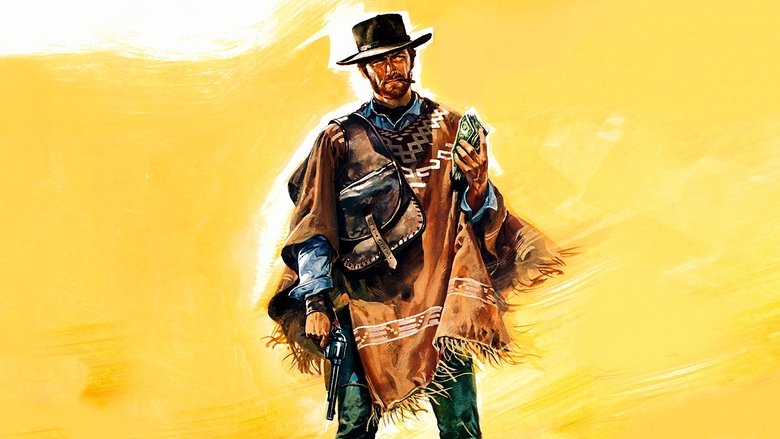
A Fistful of Dollars
1964
-
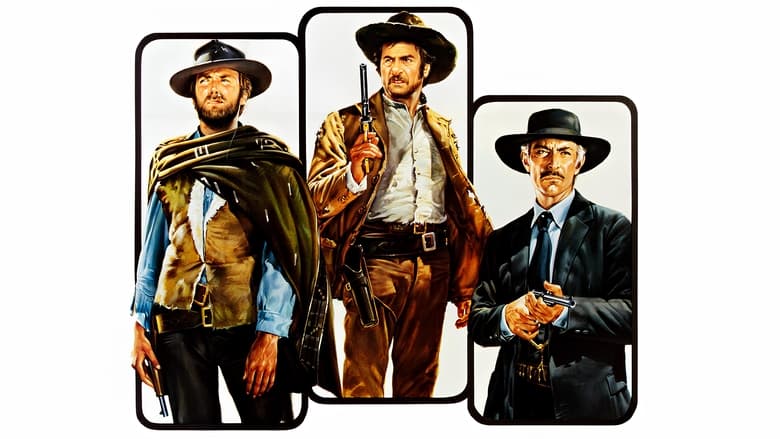
The Good, the Bad and the Ugly
1966
-
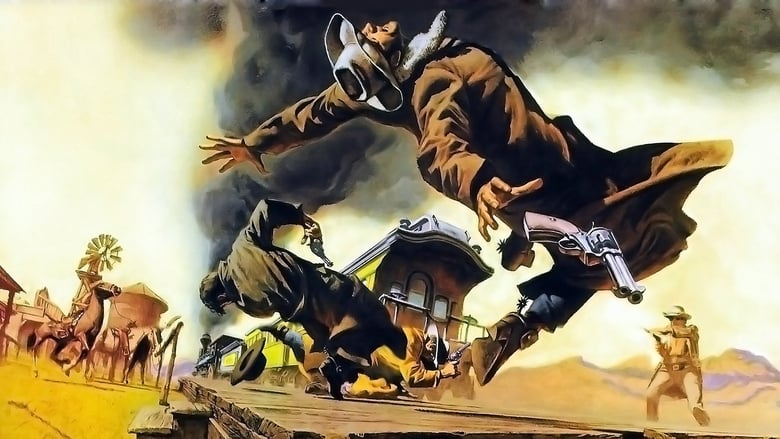
Once Upon a Time in the West
1968
-
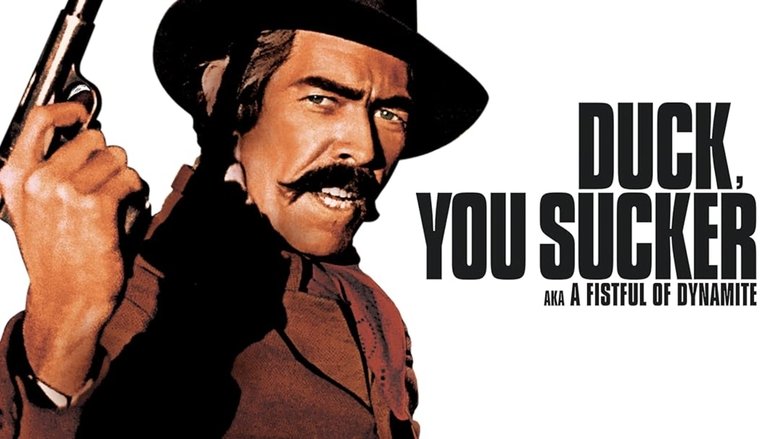
Duck, You Sucker
1971
-

The Magnificent Seven
1960
-

The Man Who Shot Liberty Valance
1962
-

Once Upon a Time in America
1984
-
The Wild Bunch
1969
-
The Apartment
1960
-
Judgment at Nuremberg
1961
-
Guess Who's Coming to Dinner
1967
-

Midnight Cowboy
1969
-
The Outlaw Josey Wales
1976
-
High Plains Drifter
1973
-
Pale Rider
1985
-
Dirty Harry
1971
-
The Holy Mountain
1973
-
Young Frankenstein
1974
-
Mirror
1975
-
Network
1976