Pierrot le Fou
"A primary-colored road trip to a beautiful, explosive end."
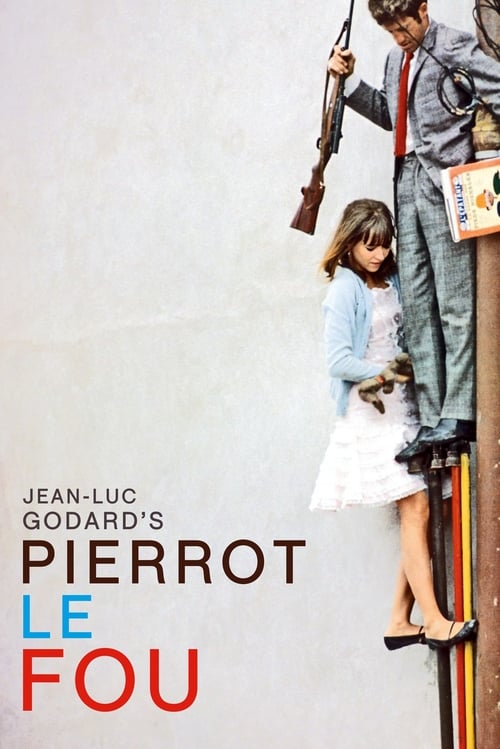
The first time I sat down with Pierrot le Fou, I was drinking a lukewarm espresso that tasted faintly of burnt rubber, and my neighbor was outside power-washing his driveway. The relentless, mechanical drone of the water against the pavement shouldn't have worked, but somehow, that industrial hum synced up perfectly with the restless, jagged energy of Jean-Luc Godard’s 1965 masterpiece. It felt like the world was vibrating, which is exactly how Ferdinand Griffon feels right before he decides to set his entire life on fire.
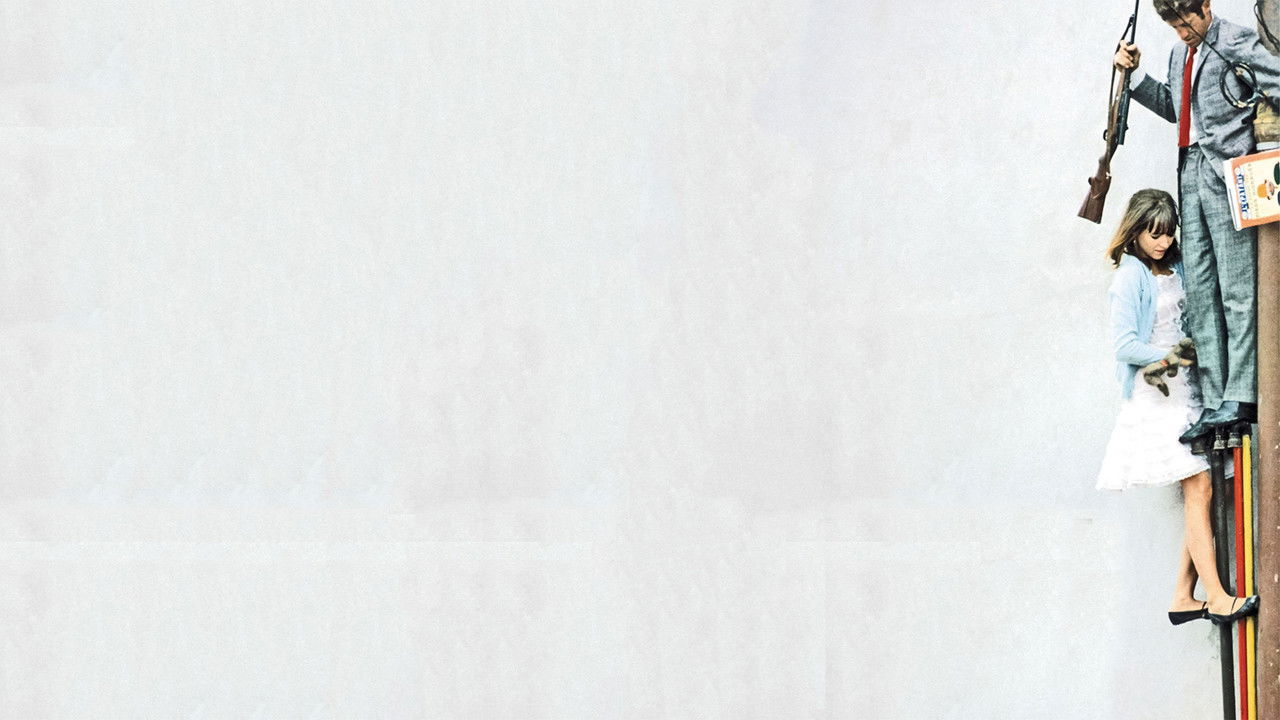
For years, the "tame" Godard had given us the cool, monochromatic rebellion of Breathless (with the legendary Jean-Paul Belmondo) and the heartbreaking pop-art of Vivre sa Vie. But with Pierrot le Fou, the director finally stopped trying to play by anyone else’s rules. He had $300,000, a handful of fast cars, and two of the most beautiful people on the planet. He didn’t even bother with a finished script. He just started driving south, and we were all stuck in the passenger seat.
A Funeral in Primary Colors
The film opens at a Parisian party that looks like a nightmare of high-society boredom. People aren’t talking; they’re reciting advertising copy. It’s a plastic world, and Ferdinand—or "Pierrot," as his lover Marianne insists on calling him despite his protests—is suffocating. When he runs off with Anna Karina’s Marianne, who happens to be babysitting his kids and possibly involved with a group of O.A.S. hitmen, the movie explodes into a riot of red, blue, and yellow.
This isn't a "romantic comedy" in any sense that a Hollywood executive would recognize. Godard isn't making a movie here; he's conducting a public autopsy on his own failing marriage. You can feel the genuine tension between Anna Karina and Godard radiating through the lens. She is ethereal, dangerous, and perpetually bored; Belmondo is rumpled, philosophical, and desperately trying to find meaning in a world that Godard is actively dismantling frame by frame.
The cinematography by Raoul Coutard (who also shot Jules and Jim) is arguably the best work of his career. He treats the Mediterranean sun like a spotlight and the blood like house paint. Everything is heightened, vivid, and deeply artificial. When the pair steals a car or stubs out a cigarette, it’s not just an action; it’s a statement against the "boring" cinema of the past.
The Art of the Creative Collapse
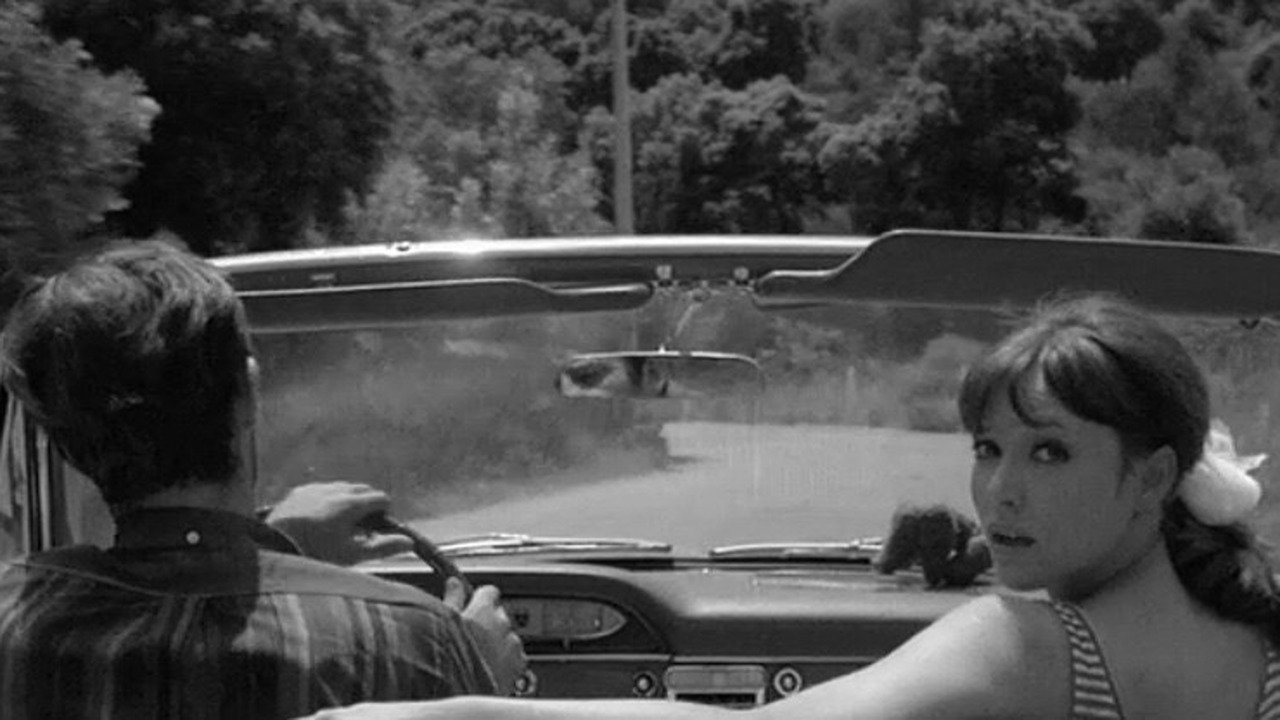
What makes Pierrot le Fou a quintessential indie gem isn't just the low budget—it’s the sheer resourcefulness of a director who decided that logic was a secondary concern to feeling. Because there was no formal script, the actors often didn't know what they were doing until the morning of the shoot. Jean-Paul Belmondo reportedly spent much of the production wondering if they were making a movie at all or just wandering around the woods with a camera.
That uncertainty gives the film an edge of genuine danger. In one of the most famous sequences, the duo performs a "Vietnam" skit for a group of American tourists to hustle some cash. It’s clumsy, improvised, and biting—a reminder that while this is a "romance," the real world and its political violence are always scratching at the door. Godard’s insistence on breaking the fourth wall—having Belmondo look directly into the lens to talk to us—was a middle finger to the studio system's "magic" that still feels fresh today.
The film’s middle act slows down significantly, reflecting the characters' own existential drift. They hide out on the coast, living a Robinson Crusoe existence that eventually curdles into resentment. Marianne wants "records and clothes," while Ferdinand wants to read books and contemplate the sea. It’s the classic tragedy of two people who love each other but have absolutely nothing to say to one another.
A Blue-Faced Goodbye
By the time the third act rolls around, the "Crime" aspect of the genre tags finally catches up with them. The hitmen arrive, the double-crosses begin, and the film takes a turn into a dark, nihilistic territory that justifies its "Wild Godard" tagline. The ending—involving a container of blue paint and several sticks of dynamite—is one of the most iconic images in cinema history, but it’s also deeply sad. It’s the ultimate expression of "giving up" after realizing that the "unorthodox life" is just as exhausting as the boring one you ran away from.
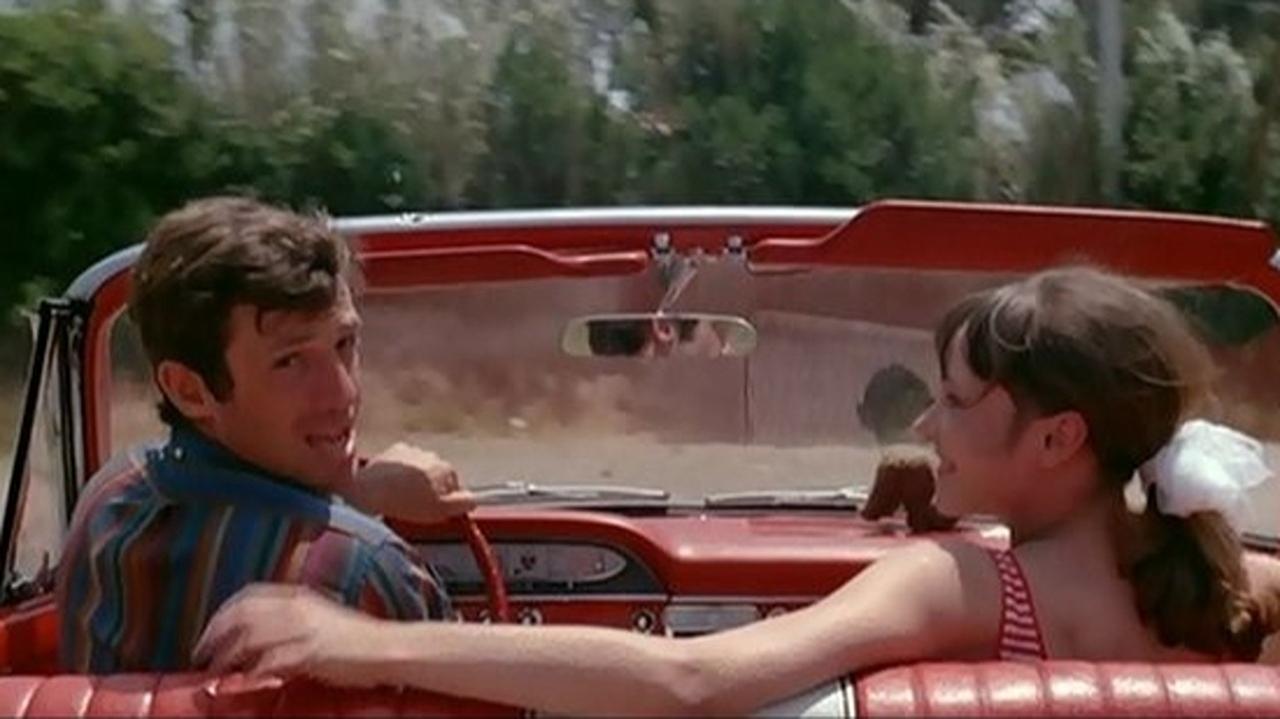
Looking back, Pierrot le Fou serves as a bridge between the playful experimentation of the early 60s and the grittier, more cynical auteur-driven cinema of the 70s. It’s a movie that demands your attention but refuses to hold your hand. It’s messy, it’s pretentious in the way only a Frenchman can be, and it’s undeniably brilliant.
If you’re used to the polished, focus-tested dramas of the modern era, this film will feel like someone threw a bucket of cold water in your face. It’s a reminder that movies don't have to be "about" things in a linear way—they can just be about the way a certain shade of red looks against a clear blue sky, or the way a woman’s face changes when she realizes she’s stopped loving the man standing in front of her.
Pierrot le Fou is the sound of a filmmaker breaking his favorite toys just to see how they work. It’s a vibrant, tragic, and utterly lawless piece of cinema that proves you don’t need a massive budget to create something that stays burned into the viewer's brain for decades. Whether you view it as a crime thriller, a failed romance, or a long-form poem about the color blue, you won't walk away from it feeling indifferent. It’s the ultimate "midnight movie" for the soul—best enjoyed with a strong coffee and a complete disregard for the rules.

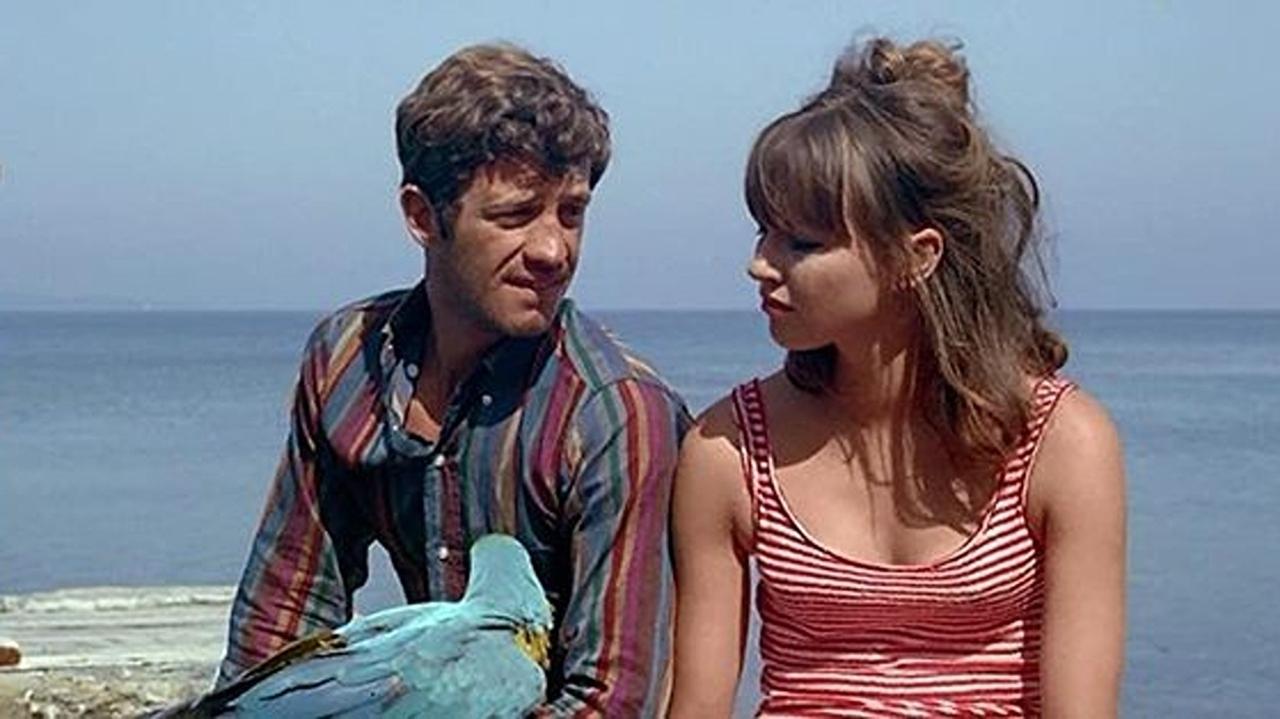
Keep Exploring...
-

Breathless
1960
-
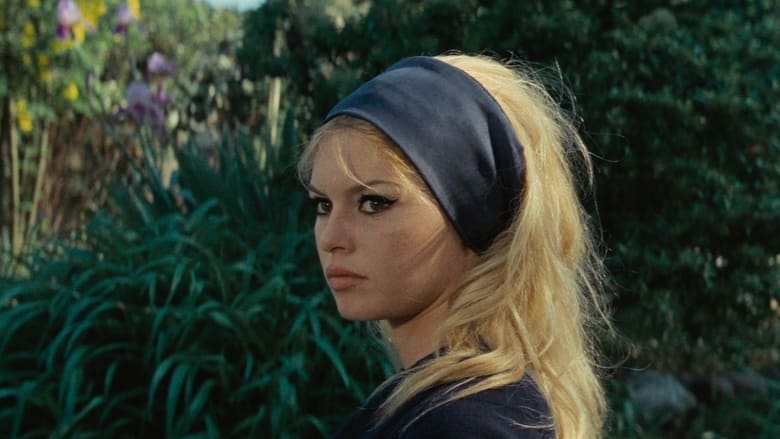
Contempt
1963
-
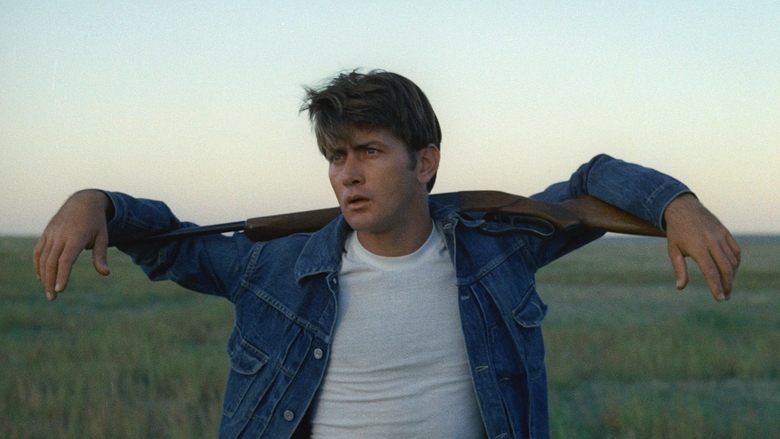
Badlands
1974
-
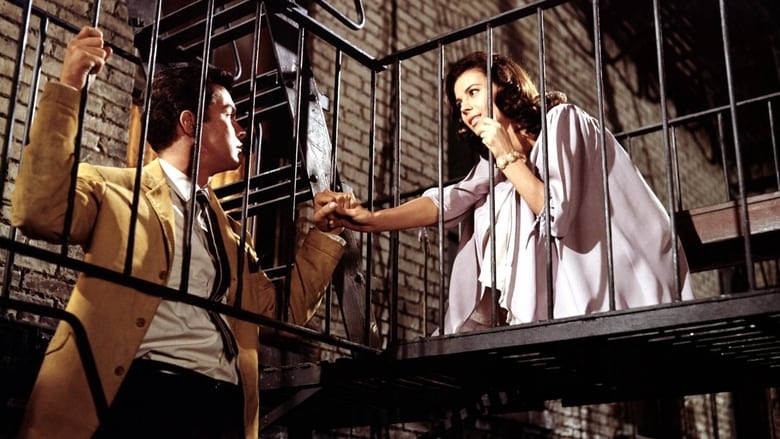
West Side Story
1961
-
In the Heat of the Night
1967
-
Witness
1985
-
Straw Dogs
1971
-
Mean Streets
1973
-
Serpico
1973
-

The Conversation
1974
-
Midnight Express
1978
-

The Umbrellas of Cherbourg
1964
-

On the Waterfront
1954
-
Bonnie and Clyde
1967
-
Cool Hand Luke
1967
-
Le Samouraï
1967
-
The Apartment
1960
-
High and Low
1963
-
Guess Who's Coming to Dinner
1967
-
Doctor Zhivago
1965