Repulsion
"The walls are watching. The ceiling is screaming."
There is a specific kind of silence in an old apartment that isn’t truly empty, but rather waiting. It’s the sound of a ticking clock that becomes a sledgehammer, or the hum of a refrigerator that starts to feel like a low-frequency threat. I watched Repulsion on a particularly grey Tuesday afternoon with a lukewarm cup of Earl Grey that I completely forgot to drink. By the time the credits rolled, the tea was stone cold and I was genuinely hesitant to walk down my own hallway.
Roman Polanski’s first English-language feature is a masterclass in how to make a four-walled room feel like an infinite, shifting labyrinth of the mind. Released in 1965, it stands as a pivotal bridge between the polite psychological thrillers of the 1950s and the raw, unflinching "New Hollywood" that was about to explode. It’s a film that doesn't just depict a mental breakdown; it traps you inside one.
The Architecture of a Crumbling Mind
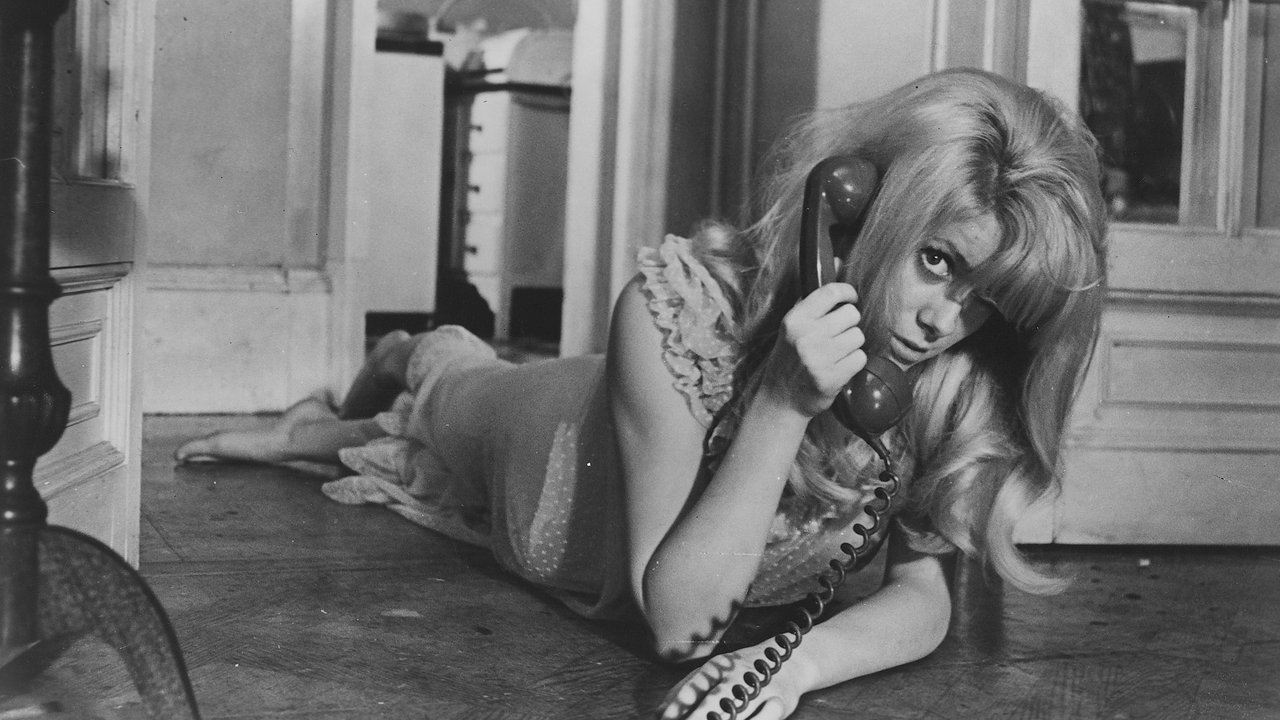
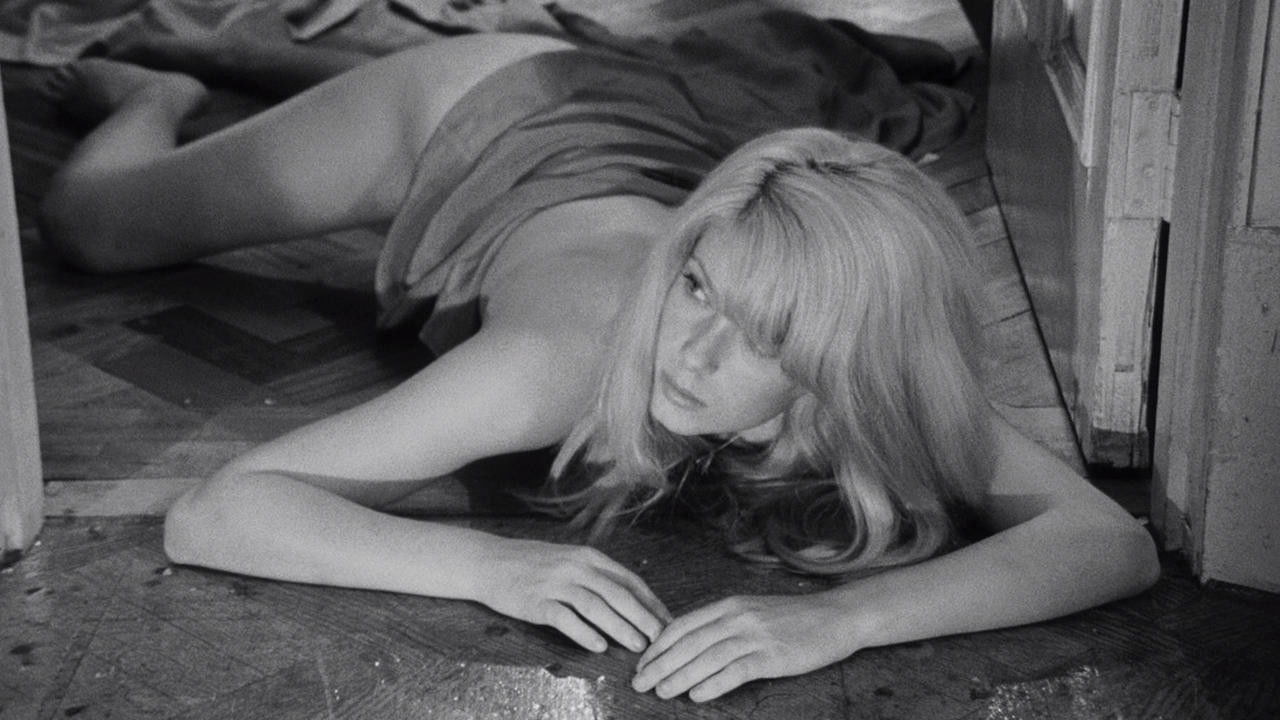
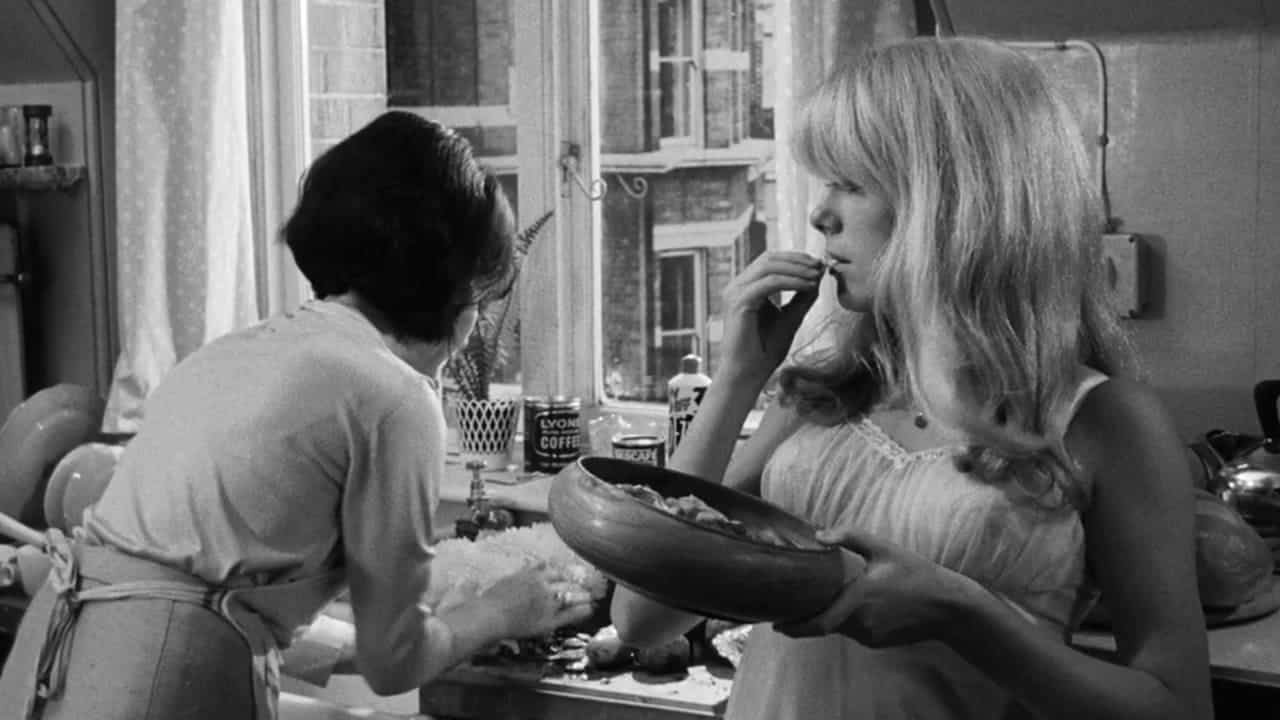
The plot is deceptively simple, which is exactly why it’s so effective. Carol, played with an eerie, porcelain fragility by Catherine Deneuve, is a young Belgian manicurist living in a London flat with her sister, Hélène (Yvonne Furneaux). Carol is profoundly uncomfortable with the world—specifically the world of men. When Hélène leaves for a holiday with her married boyfriend, Carol is left alone. The flat, once a sanctuary, slowly begins to mutate.
What makes Repulsion so effective isn't just the "scares," but the atmosphere of mounting dread. The cinematography by Gilbert Taylor—who would later bring his incredible eye to Star Wars and The Omen—is stark and high-contrast. He uses wide-angle lenses to make the apartment look both cavernous and suffocating. There’s a shot of a hallway that seems to stretch into eternity, and for my money, Deneuve’s face is the most terrifying landscape in the history of the genre. Her silence is more deafening than any scream.
Practical Nightmares and Rotten Rabbits
As Carol loses her grip on reality, the film deploys some of the most famous practical effects in horror history. There is a scene involving hands reaching out from the walls to grab at her—a sequence that has been imitated a thousand times but never quite bettered. These weren't high-tech animatronics; they were real actors hidden behind the set walls, poking their arms through holes in the plaster. There’s a tactile, sweaty reality to the horror here that modern CGI simply cannot replicate.
Then, of course, there is the rabbit. Carol leaves a skinned rabbit out on a plate, intended for dinner, and as she forgets to eat, we watch the meat slowly, realistically decay. This wasn't some prop department trick; the production actually let a carcass rot on set to capture the grisly progression. It’s a stomach-turning metaphor for Carol’s own psyche, and honestly, watching the rabbit rot is a better metaphor for depression than most modern Oscar-bait dramas.
The sound design is equally oppressive. The score by jazz drummer Chico Hamilton is nervous and discordant, but it’s the ambient noise that really gets under your skin. The sound of a bell, the distant laughter of neighborhood kids, the dripping of a faucet—these are the textures of Carol's isolation. By the time the landlord (Patrick Wymark) or her suitor (John Fraser) try to intervene, the audience is as far gone as Carol is.
The Independent Hustle
For all its artistic prestige now, Repulsion started as a quintessential indie gamble. Roman Polanski and his co-writer Gérard Brach were desperate for funding and eventually found it through Compton Films, a studio that primarily made low-budget "nudie-cuties" and exploitation flicks. They weren't looking for a landmark of European cinema; they wanted something they could sell as a "shocker."
The film was shot for a mere $300,000, which even in 1965 was a shoestring. Because the budget was so tight, Polanski was forced to be incredibly resourceful. The apartment set was built at Twickenham Studios, but it was designed to be modular so the walls could literally be moved to accommodate those disorienting camera angles. This wasn't a project backed by a massive studio machine; it was a small, focused team of creators trying to make something that felt "real" in its unreality.
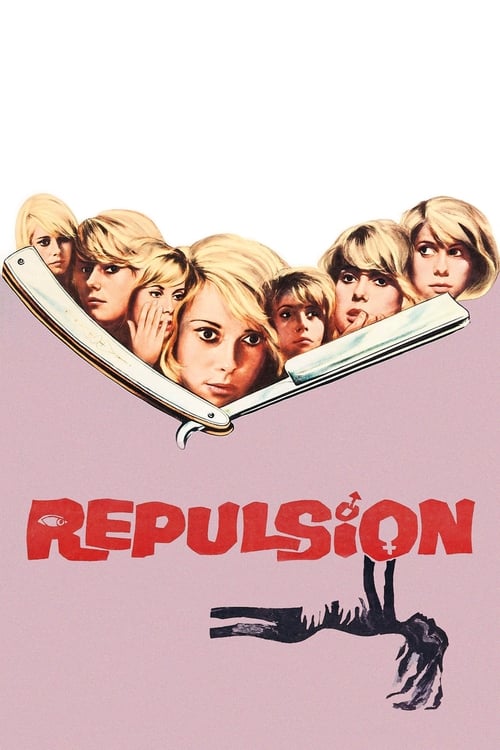
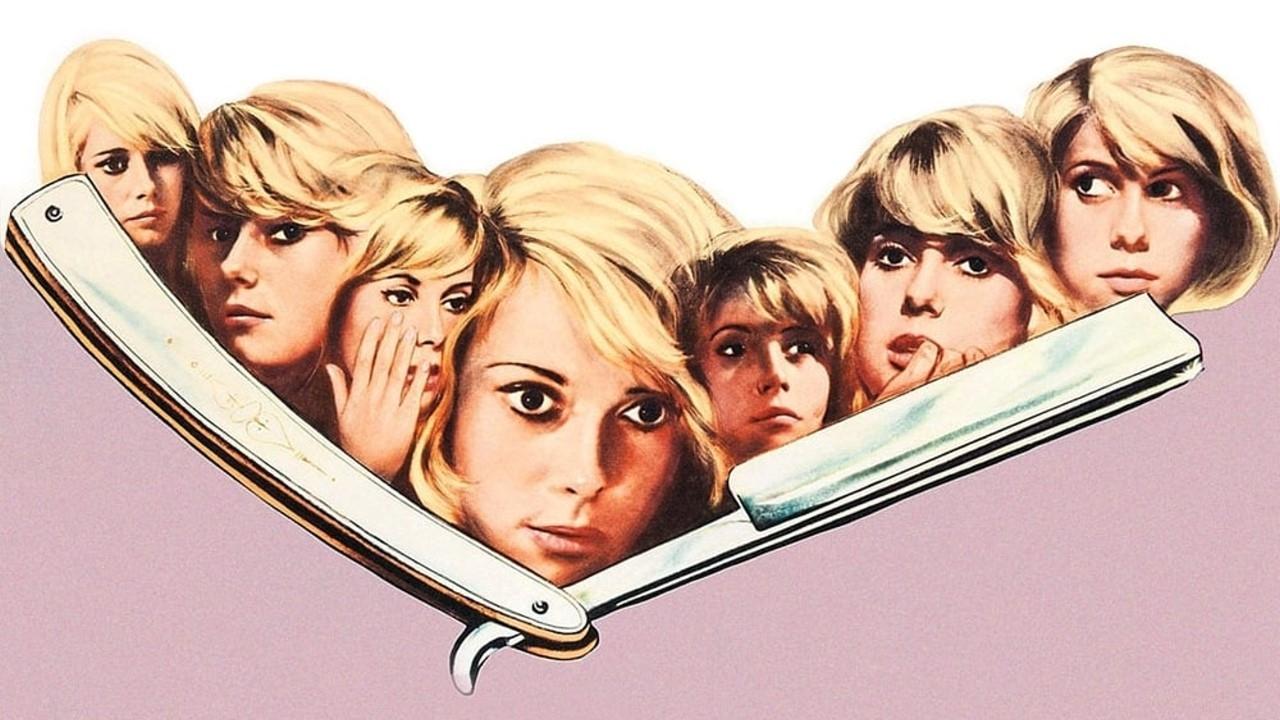
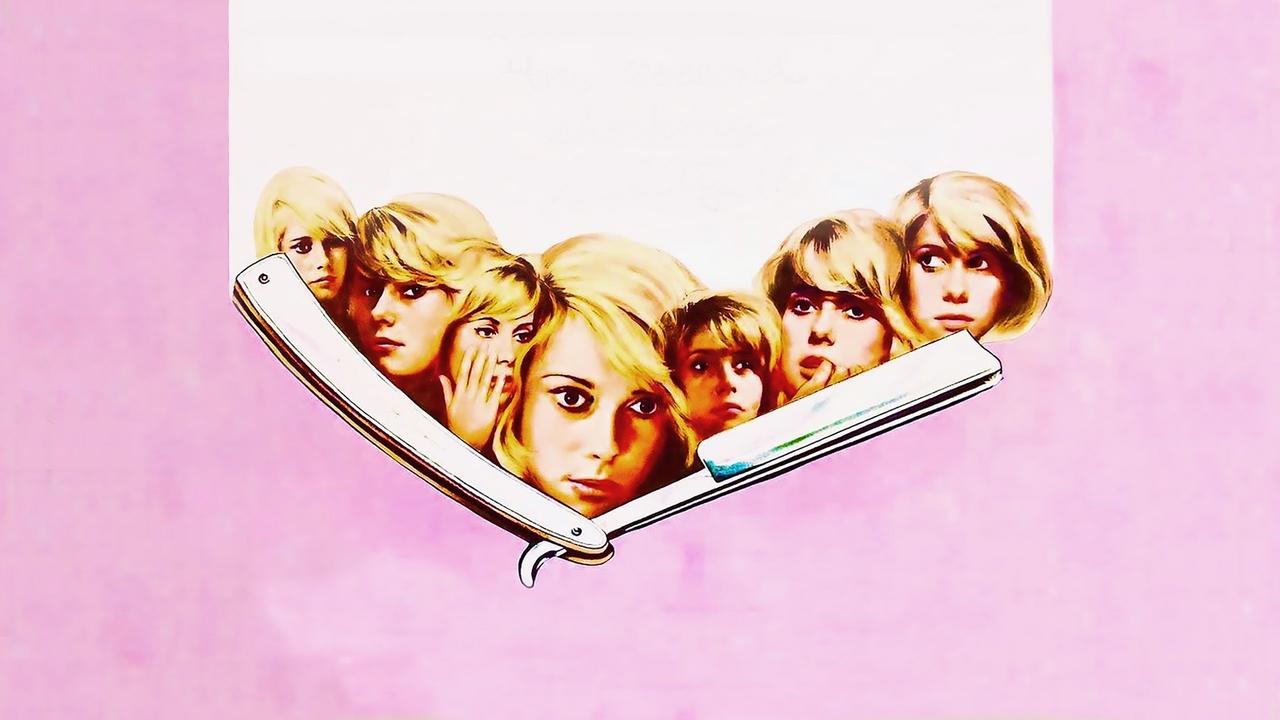
While it’s too early for the peak of the VHS boom, Repulsion found a massive second life in video stores during the 80s. I remember seeing the old rental cases for this; the cover art often tried to sell it as a standard slasher movie, highlighting the "virgin’s dreams" tagline to lure in the midnight movie crowd. Imagine the shock of those renters when they sat down expecting Friday the 13th and instead got an avant-garde descent into absolute madness.
Repulsion is a difficult, intense, and deeply rewarding watch that proves you don't need a monster under the bed when the bed itself—and the walls surrounding it—are the enemy. It respects the gravity of its subject matter, treating Carol’s trauma not as a plot point, but as a visceral experience. It’s the kind of film that lingers in the back of your mind long after you’ve turned off the TV, making you wonder if that crack in your own ceiling was there yesterday. If you’re looking for a horror film that values atmosphere over body count, this is the gold standard.
Keep Exploring...
-
Rosemary's Baby
1968
-
Peeping Tom
1960
-
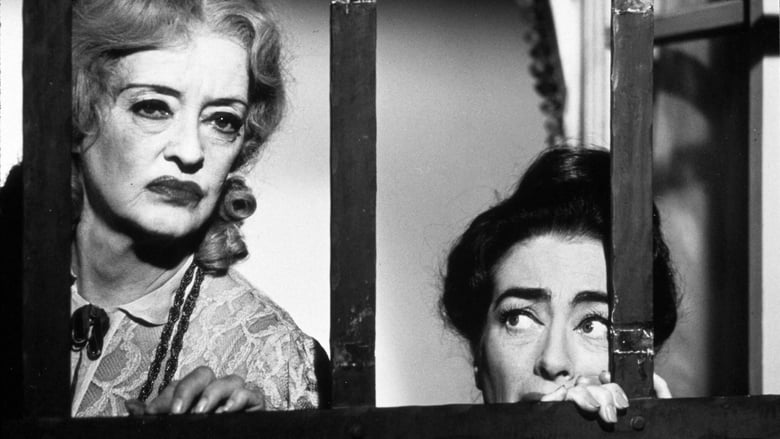
What Ever Happened to Baby Jane?
1962
-
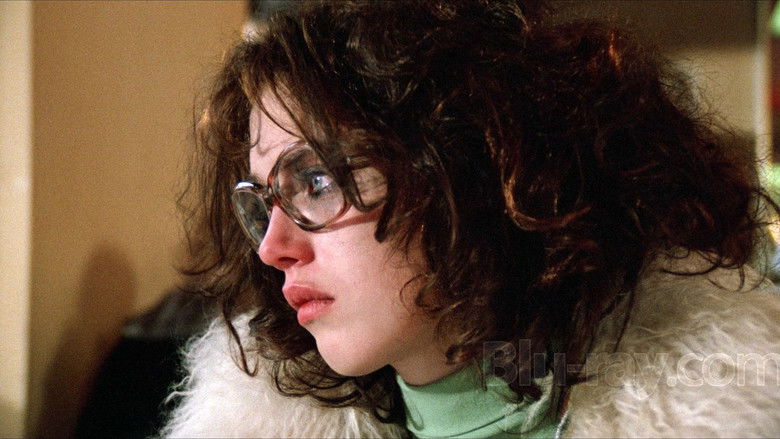
The Tenant
1976
-
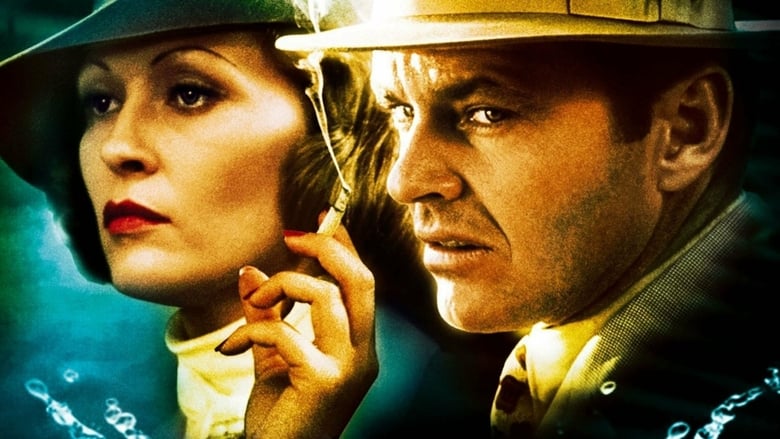
Chinatown
1974
-
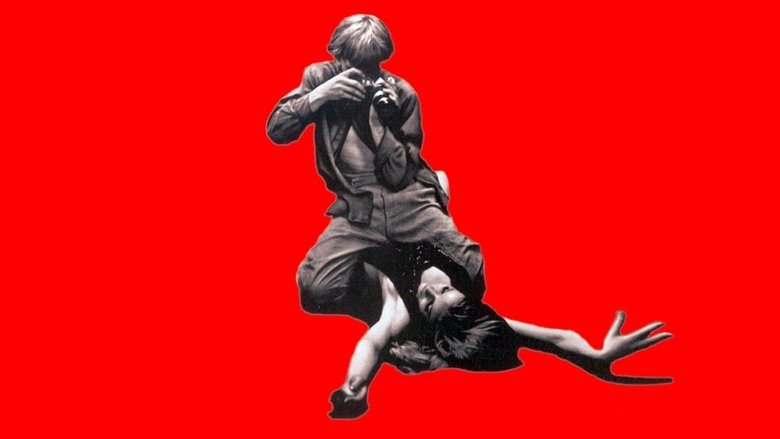
Blow-Up
1966
-
The Birds
1963
-
In the Heat of the Night
1967
-
Night of the Living Dead
1968
-
Straw Dogs
1971
-
Murder on the Orient Express
1974
-
Don't Look Now
1973
-
An Officer and a Spy
2019
-

Fist of Fury
1972
-
Carrie
1976
-
Eraserhead
1977
-

Halloween
1978
-
Nosferatu the Vampyre
1979
-
After Hours
1985
-

Day of the Dead
1985