The Sound of Music
"Music is the last line of defense."
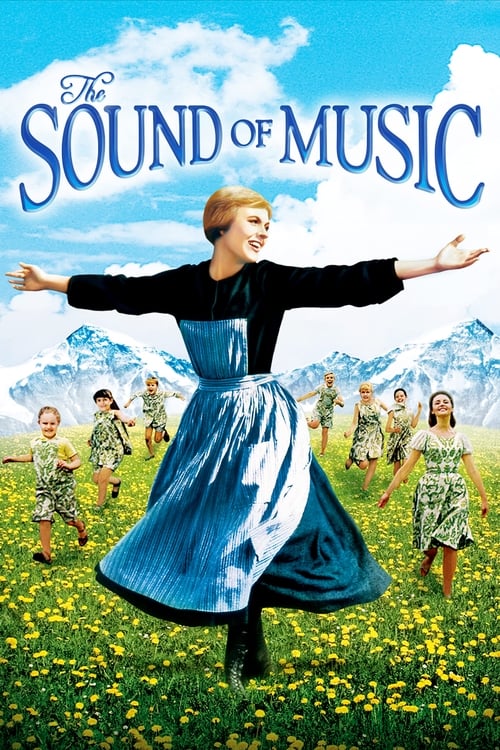
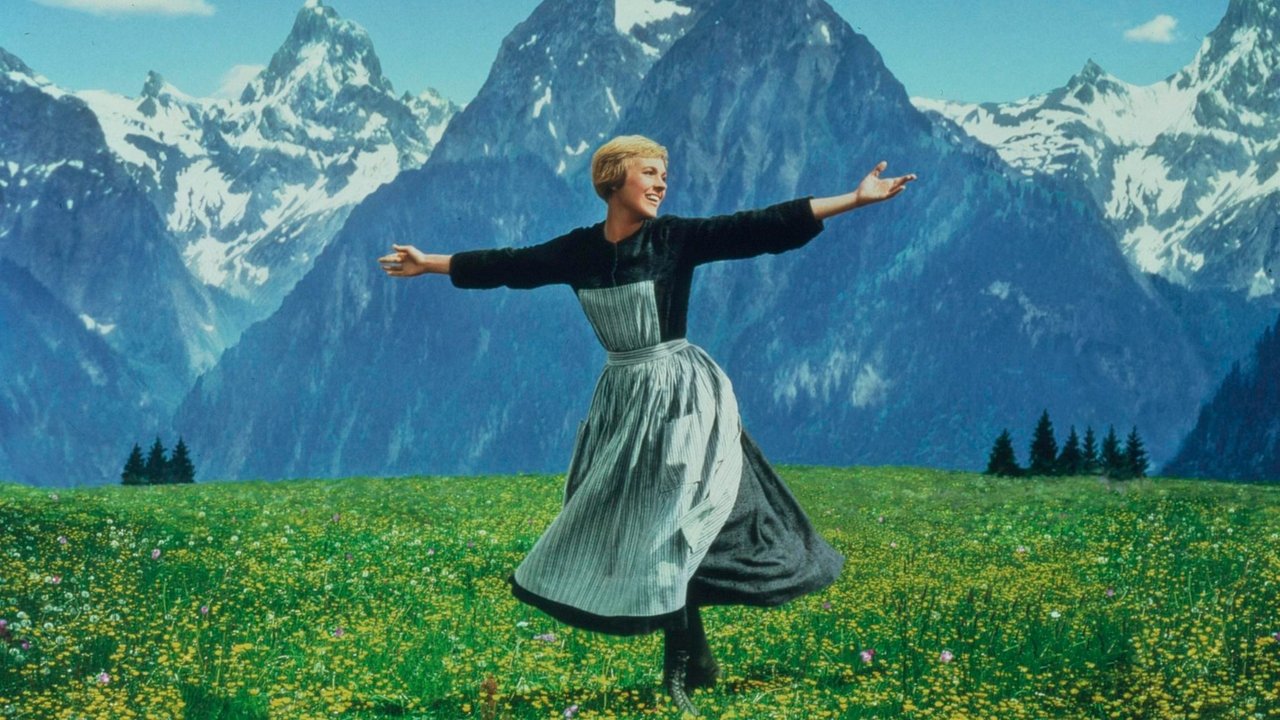
Imagine a landscape where 20th Century Fox simply ceases to exist. No Star Wars, no Alien, no Die Hard. That was almost the reality in the mid-60s. The studio was hemorrhaging cash after the beautiful disaster that was Cleopatra (1963), and they needed a miracle. They found it in the green hills of Salzburg. Directed by Robert Wise—fresh off the success of West Side Story—and written by Ernest Lehman, The Sound of Music didn't just save a studio; it became a cultural behemoth that defined the "Roadshow" era of cinema before the gritty cynicism of New Hollywood swept the deck.

I first sat through all 174 minutes of this epic on a sagging beanbag chair that eventually caused my left leg to go completely numb, yet I couldn't bring myself to stand up and break the spell. There is a specific, gravity-defying magic here that resists even the most hardened modern irony.
The Weight Beneath the Edelweiss
While many dismiss this film as "nuns and sunshine," there is a surprisingly cerebral layer to the drama if you look past the dirndls. At its heart, the film explores the friction between rigid structure and the messy, unpredictable nature of the human spirit. The Abbey represents a spiritual structure Maria (Julie Andrews) can’t fit into, while the von Trapp villa represents a military structure the children are suffocating under.
The transition of Christopher Plummer’s Captain Georg von Trapp from a whistling disciplinarian to a man who finds his voice again is a masterclass in restrained acting. Plummer famously referred to the movie as "The Sound of Mucus," and that internal disdain actually serves the film. He brings a jagged, cold edge to the first hour that prevents the movie from dissolving into a puddle of syrup. When he finally joins in on the title song, it’s not just a musical cue; it’s an existential surrender. He is choosing to be human again in a world that is rapidly turning toward the robotic cruelty of the Third Reich.
A Box Office Behemoth
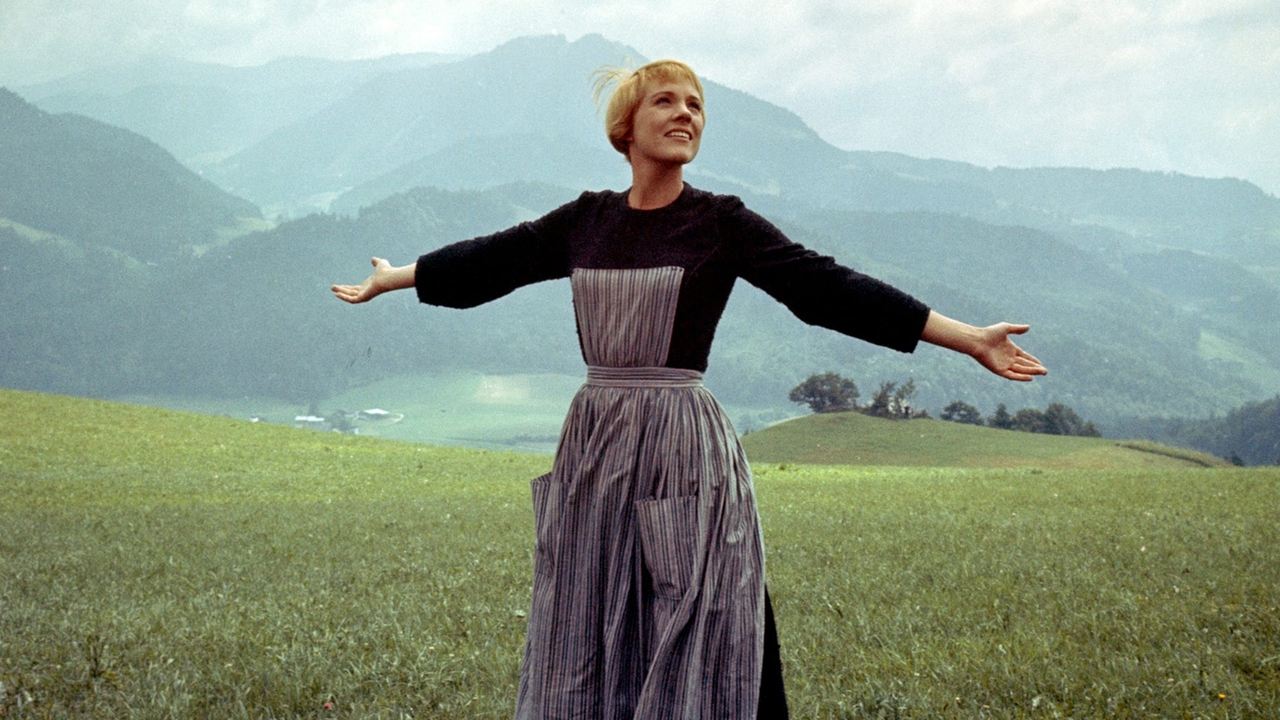
The scale of this production was unprecedented. With a budget of roughly $8.2 million, it was an enormous gamble. To put its success into perspective, it eventually raked in over $286 million. Adjusted for inflation, we are talking about roughly $2.5 billion in today's money. It didn't just "do well"—it held the title of the highest-grossing film of all time for five years until The Godfather arrived.
Part of this success came from the technical prowess of Ted D. McCord’s cinematography. Those opening shots, filmed from a helicopter (which nearly knocked Julie Andrews over with its downdraft every time they took a pass), felt like a proto-IMAX experience in 1965. This was "Big Cinema" at its most confident. My personal hot take? The Baroness, played by Eleanor Parker, is actually the most sensible person in the movie and deserved a spin-off about navigating the Viennese social scene. She loses the guy, but she keeps her dignity and her fabulous wardrobe, which is a win in my book.
The Chemistry of Resistance
The film’s final act shifts from a family drama into a tense political thriller, and this is where the "drama" genre tag really earns its keep. The way the film uses music as a form of non-violent resistance is fascinating. When the family sings "Edelweiss" at the festival, it isn't just a folk song; it’s a middle finger to the Nazi officers in the front row. It’s a declaration of Austrian identity in the face of annexation.
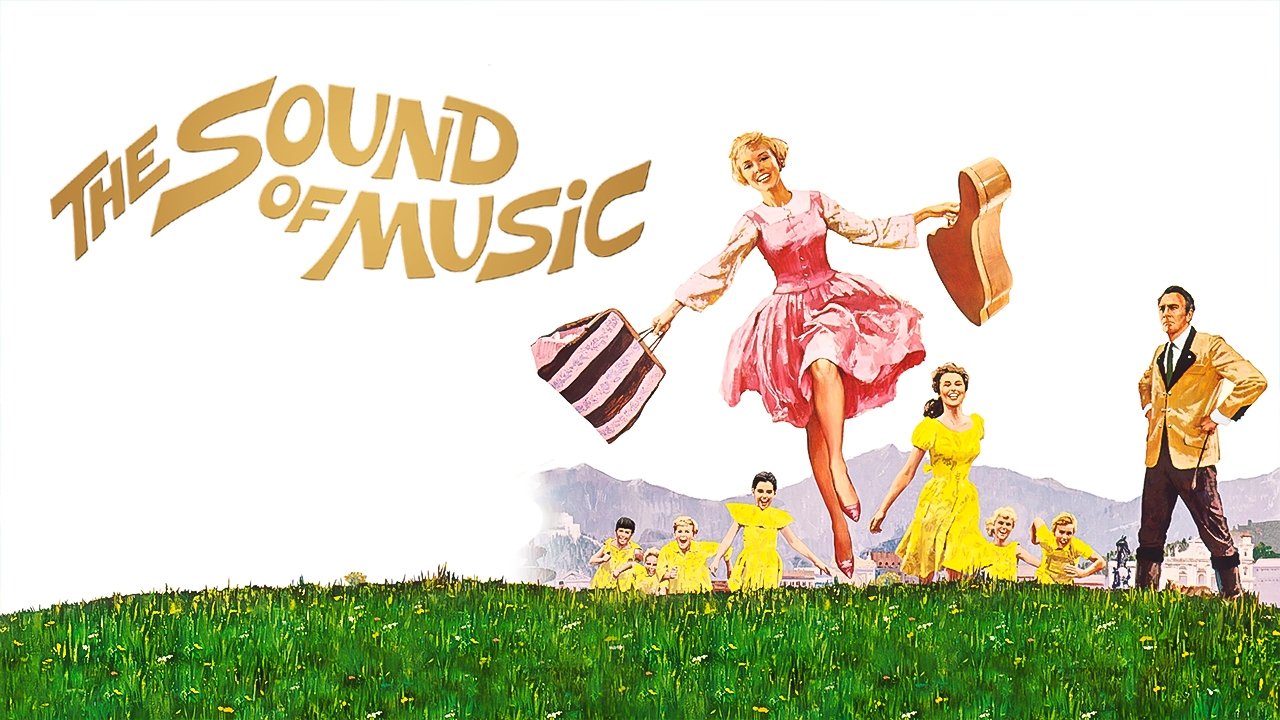
Julie Andrews is, of course, the sun around which everything orbits. Her performance is so technically perfect that it’s easy to overlook the nuance—the way she captures Maria’s frantic, holy-fool energy in the early scenes before maturing into a woman capable of standing up to the Captain’s iron will. The trivia is endless: the real Maria von Trapp actually has a blink-and-you’ll-miss-it cameo in the background during "I Have Confidence," and she was notoriously annoyed that she wasn't invited to the film's premiere. Meanwhile, the child actors were growing so fast that Charmian Carr (Liesl) had to stand on a box for some scenes, and Nicholas Hammond (Friedrich) grew six inches during production, forcing the crew to constantly adjust his heel lifts.
The Sound of Music is a rare creature: a blockbuster with a brain and a heart. It captures a moment in film history just before the industry moved toward the "New Hollywood" grit of the late 60s, serving as a glorious, widescreen farewell to the Golden Age musical. It manages to be intellectually engaging about the nature of family and political integrity while still being the kind of movie you can watch with your grandmother. Even if you think you’re too cool for musicals, the sheer craft on display here demands respect. It’s a three-hour investment that pays dividends in pure, unadulterated cinematic joy.
Keep Exploring...
-
West Side Story
1961
-
Dirty Dancing
1987
-

Mary Poppins
1964
-
The Apartment
1960
-
Breakfast at Tiffany's
1961
-

The Hustler
1961
-
Guess Who's Coming to Dinner
1967
-
Moulin Rouge!
2001
-
Who's Afraid of Virginia Woolf?
1966
-
Doctor Zhivago
1965
-
The Graduate
1967
-
Manhattan
1979
-
Amadeus
1984
-
The Karate Kid Part II
1986
-
Jules and Jim
1962
-
La Jetée
1962
-
Cabaret
1972
-
An Officer and a Gentleman
1982
-
The Karate Kid
1984
-
Out of Africa
1985