Batman
"The world's greatest villains vs. a very large bomb."
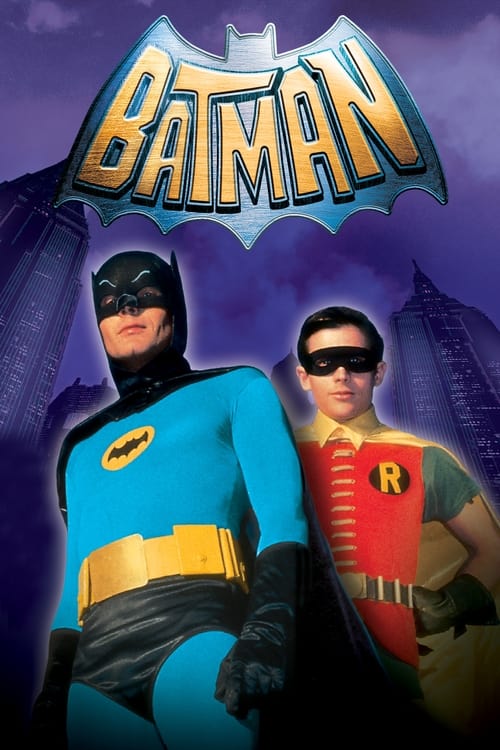
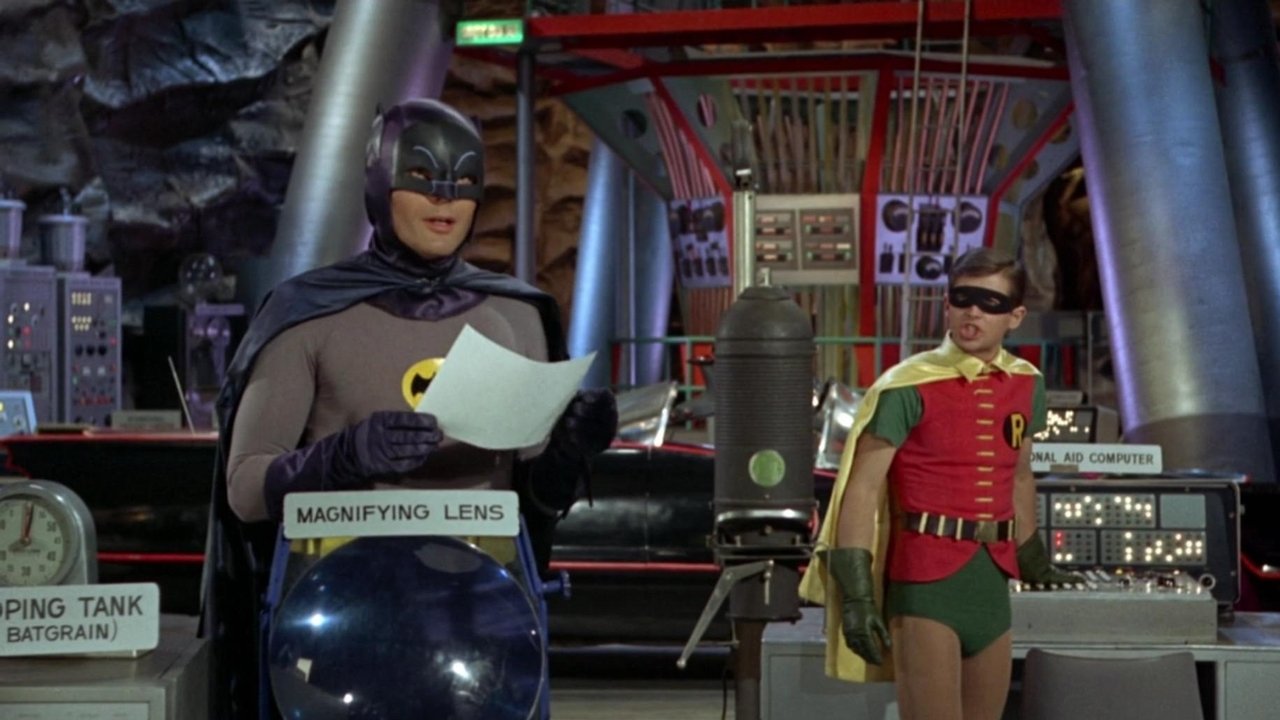
Imagine a man in grey spandex, sporting painted-on eyebrows on his cowl, sprinting down a crowded pier while holding a giant, sputtering black bomb over his head. He encounters a group of nuns, a marching band, and a family of adorable ducks, frantically turning back each time because "some days you just can't get rid of a bomb!" It is a sequence of pure, unadulterated slapstick that would make Charlie Chaplin proud, yet it’s delivered with the gravity of a Shakespearean tragedy. This is Batman (1966), a film that understands the inherent absurdity of a billionaire punching clowns better than almost any adaptation that followed.
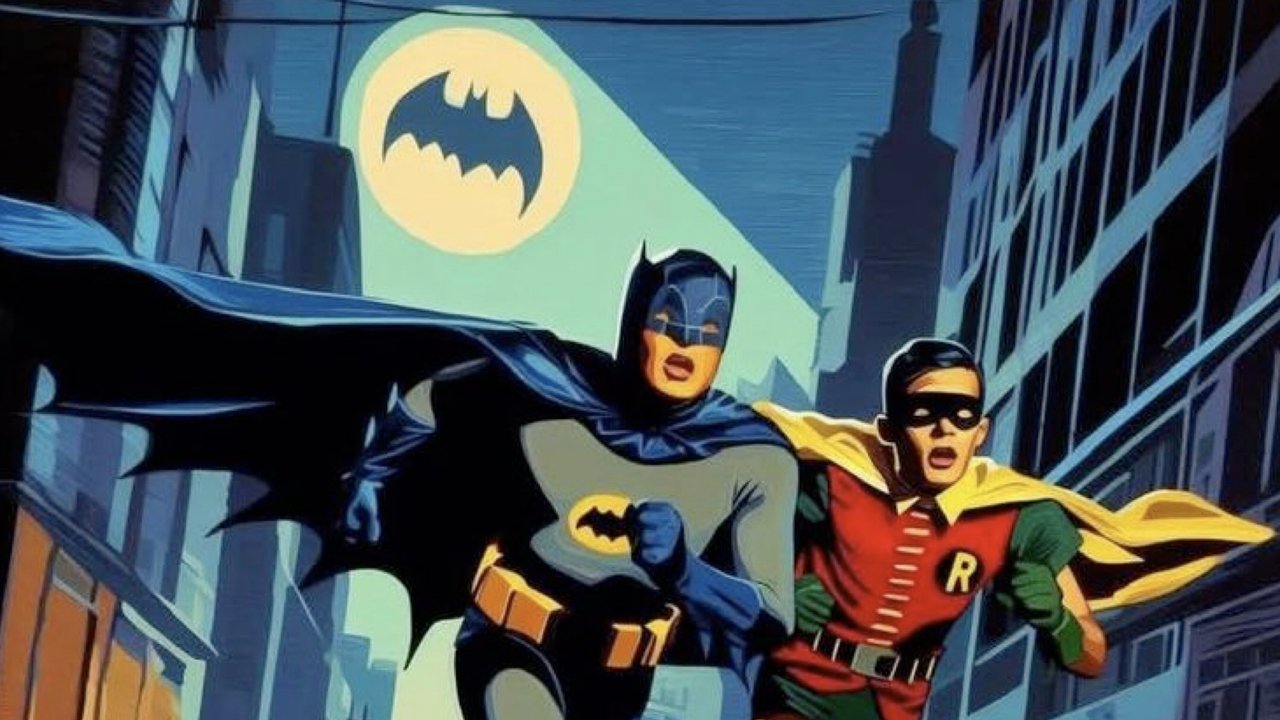
I sat down to revisit this classic while picking a stubborn piece of green lint off a thrift-store sweater I bought yesterday, and honestly, the neon-soaked insanity of the film was the perfect companion for a mundane afternoon. This isn't the brooding, rain-slicked Gotham we’ve become accustomed to in the modern era. This is a Technicolor fever dream where the "Bright Knight" reigns supreme.
The Art of the Deadpan
The secret sauce of this movie—and the reason it remains a joy to watch nearly sixty years later—is the absolute commitment of Adam West. As Batman, he doesn't play the character as a joke; he plays him as a man who genuinely believes that "the use of a Bat-Signal in broad daylight is a flagrant violation of the municipal code." It is a performance of high-wire deadpan brilliance. West treats every ludicrous line from Lorenzo Semple Jr.’s screenplay with the weight of a presidential address.
Beside him, Burt Ward as Robin provides the perfect high-energy foil. His "Holy [insert noun]!" interjections are legendary, but his physical performance is equally impressive. Watching him leap around in those green pixie boots with a straight face is a lesson in professional endurance. Adam West is the most physically imposing Batman because he didn't need rubber muscles to command a room; he just needed a sturdy belt and perfect posture.
A Rogues' Gallery of High-Caliber Ham
While the Dynamic Duo plays it straight, the villains are given a mandate to chew the scenery until there’s nothing left but sawdust. This film is a rare treat because it unites the "Big Four" villains. Cesar Romero returns as The Joker, famously refusing to shave his mustache and simply slathering white greasepaint over it. It’s a wonderful bit of "don't-give-a-damn" energy that fits the character perfectly. Frank Gorshin brings a manic, twitchy intensity to The Riddler that feels genuinely dangerous, while Burgess Meredith (later of Rocky fame) delivers the definitive Penguin squawk.

Replacing Julie Newmar from the series, Lee Meriwether steps into the heels of Catwoman. She brings a sultry, slightly more grounded vibe to the group, even when participating in a plot to dehydrate the United Nations Security Council into little piles of colorful dust. The chemistry between these four is chaotic and delightful; they feel like a bickering theater troupe that accidentally stumbled into a life of crime.
Practical Gadgets and Pop-Art Action
Technically, the film is a fascinating bridge between the old Hollywood serials and the looming blockbuster era. Director Leslie H. Martinson keeps the camera moving, but the real star of the production design is the Bat-gear. This was the first time audiences got to see the Bat-Copter and the Bat-Boat in all their glory. My favorite remains the Bat-Copter, mainly because of the infamous scene involving a rubber shark that explodes when sprayed with "Shark Repellent Bat-Spray." The Shark Repellent Bat-Spray is a more logical gadget than anything in the Snyderverse, mostly because Batman clearly anticipates the most ridiculous possibilities of his job.
The action choreography is a "Wham! Pow! Zlook!" explosion of staged chaos. The climactic battle on the deck of the Penguin’s submarine is a masterclass in clear, wide-angle action filmmaking. You can actually see what’s happening—a refreshing change from the "shaky-cam" editing of the 2000s. You can tell the stunt team was having a blast, even if the "punches" land three inches away from the actors' faces. It’s a physical reality that feels tactile and handmade, from the painted backdrops to the flickering light of the dehydration machine (which, let’s be honest, looks like a glorified vacuum cleaner).
The VHS Legacy and Cultural Impact
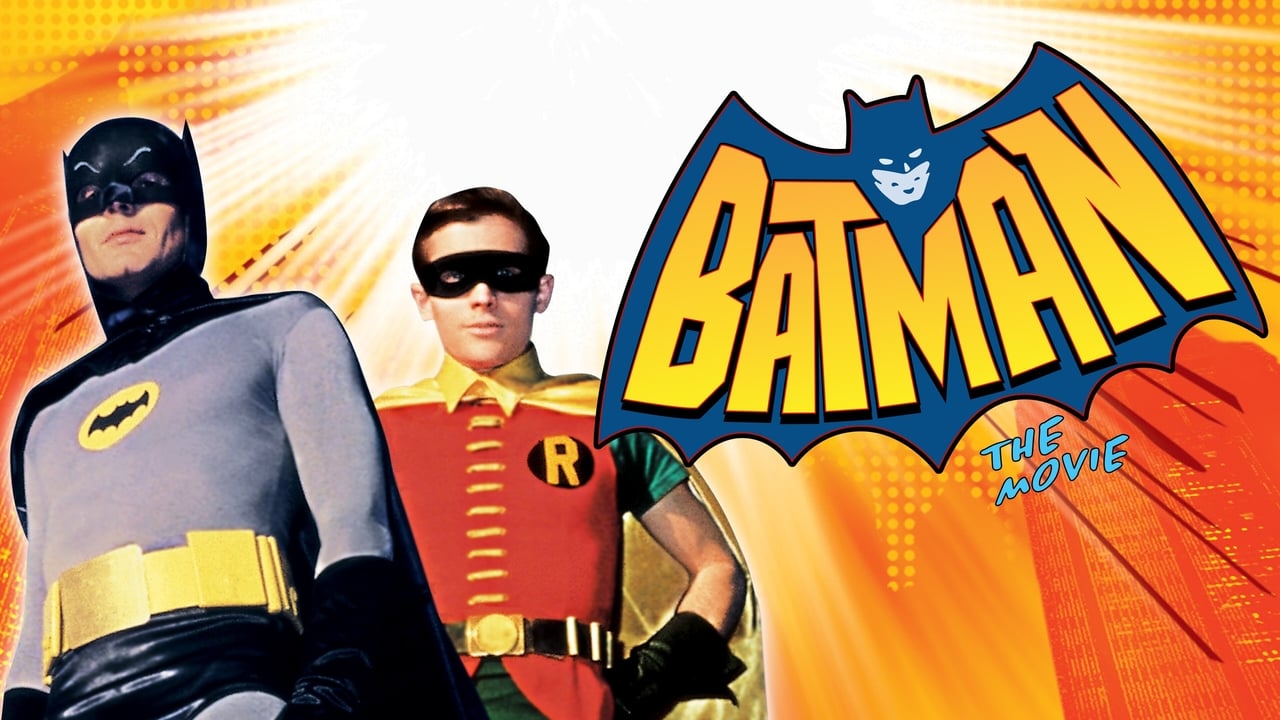
For those of us who grew up in the 1980s, this film occupied a strange space. When the 1989 Batman was looming, video stores saw a massive surge in rentals for this 1966 version. I remember the specific VHS box art with its bright yellow border and the promise of a "Bat-Epic." For a generation waiting for Michael Keaton’s dark take, watching Adam West dance the "Batusi" was a jarring but essential education. It reminded us that the character could be flexible.
The film didn't just capitalize on a fad; it defined an aesthetic. This is the peak of the 1960s "Camp" movement, turning comic book pages into living pop art. While some might scoff at the lack of grit, there is a profound sincerity in its silliness. It’s a film that respects the intelligence of children while winking furiously at the adults.
Ultimately, Batman (1966) is an antidepressant in cinematic form. It’s a reminder of a time when the biggest threat to the world wasn’t a cosmic god or a philosophical crisis, but four colorful weirdos with a submarine and a heat ray. It’s bright, it’s loud, and it features a man in a cape trying to flirt with a woman while wearing a giant utility belt. If you can’t find the joy in that, you might need to check your own Shark Repellent levels. Grab some popcorn, ignore the visible wires on the Bat-Copter, and enjoy the ride.
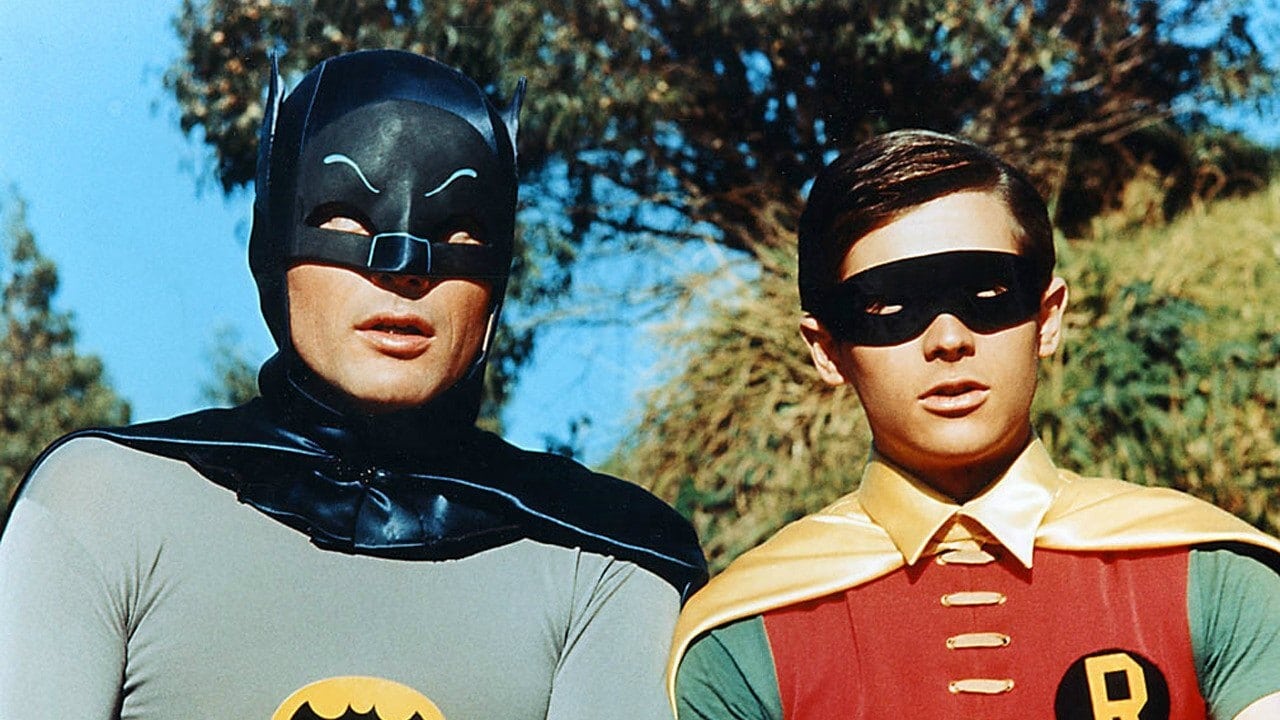
Keep Exploring...
-
48 Hrs.
1982
-

Midnight Run
1988
-
K-9
1989
-
Turner & Hooch
1989
-
Beverly Hills Cop II
1987
-
Lethal Weapon 2
1989
-
Tango & Cash
1989
-
Stripes
1981
-
Romancing the Stone
1984
-
The Jewel of the Nile
1985
-

The Golden Child
1986
-

Innerspace
1987
-

Drunken Master
1978
-
Blue Streak
1999
-

The Mexican
2001
-
Shoot 'Em Up
2007
-

Keanu
2016
-

Masterminds
2016
-
Shaft
2019
-

Beverly Hills Cop: Axel F
2024