Fahrenheit 451
"The future is bright. Especially the books."

The very first thing you notice about François Truffaut’s Fahrenheit 451 isn’t an image, but a voice. There are no written opening credits. Instead, a narrator speaks the names of the cast and crew over shots of television antennas. It’s a jarring, brilliant way to establish a world where the written word is a death sentence. I first saw this as a teenager on a flickering CRT television while eating a piece of slightly charred sourdough toast, and the smell of the burnt bread felt like a 4D cinema experience I hadn't asked for.
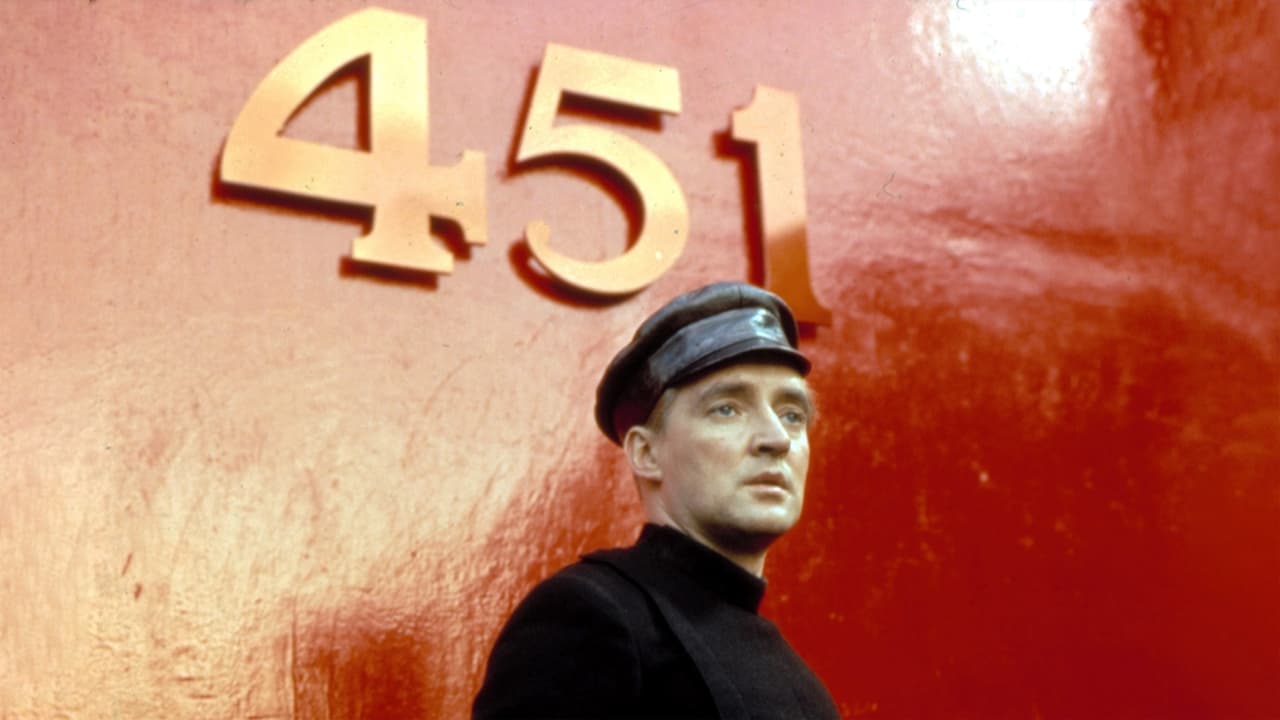
Truffaut, the darling of the French New Wave, making a big-budget English-language sci-fi film seems like a recipe for disaster. On some levels, it was. He barely spoke English during production, and he famously clashed with his lead actor, Oskar Werner, to the point where they were barely on speaking terms. Yet, that friction birthed something deeply strange and hypnotic. It’s a film that looks like a mid-60s Sears catalog but feels like a cold sweat.
A Cold War Fever Dream
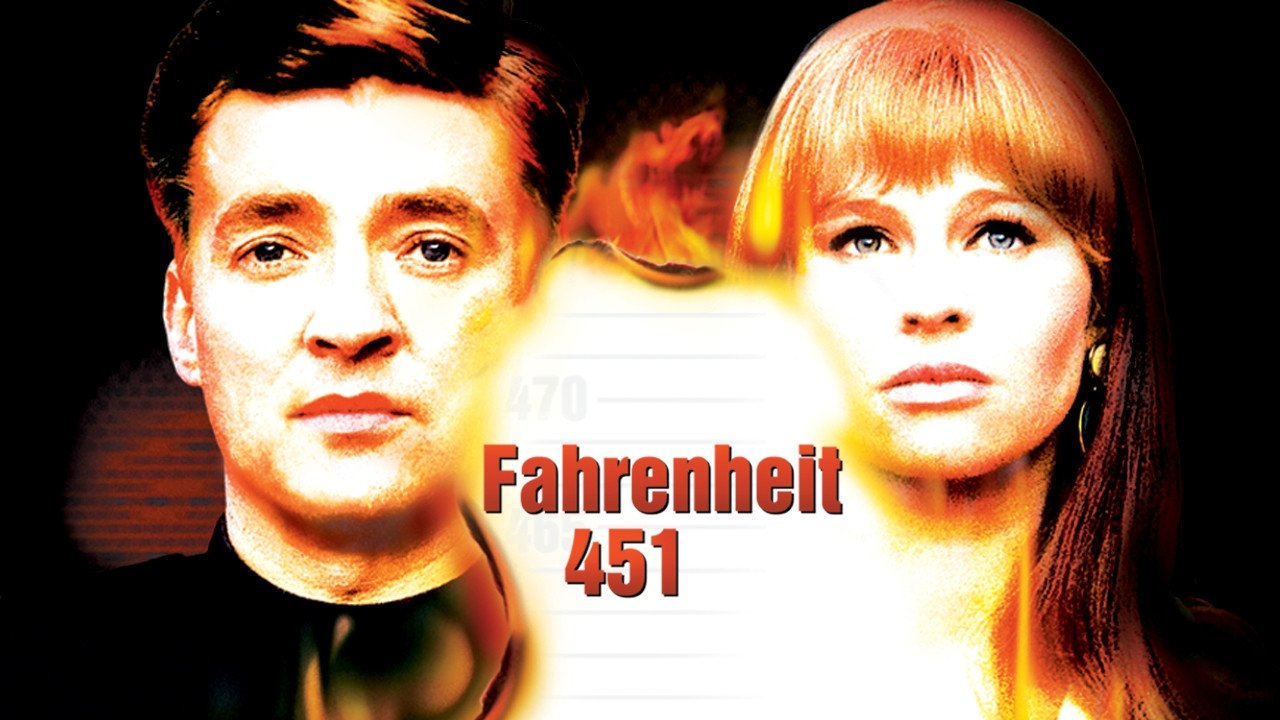
In this version of the future, "Firemen" don't put out fires; they start them. Their targets? Books. Oskar Werner plays Guy Montag, a high-ranking fireman who goes about his business with a robotic, Teutonic efficiency. He lives in a plastic-looking suburb with his wife, Linda (played by Julie Christie), who is addicted to "interactive" television and pill-popping.
The drama really kicks in when Montag meets Clarisse (also played by Julie Christie, in a daring dual-role choice). Clarisse is a rebel because she asks "why" instead of "how." She plants the seed of doubt that leads Montag to steal a book—David Copperfield, if you’re curious—and suddenly, the man who burns for a living starts feeling the heat of his own conscience.
Oskar Werner’s performance is so detached he practically feels like he’s acting from a different time zone, but it works. He portrays a man waking up from a lifelong coma. When he finally starts reading, he doesn't look inspired; he looks terrified. It’s an authentic take on intellectual awakening—it’s not a montage of smiles; it’s a painful, confusing realization that your entire life is a lie.
The Beauty of the Burn
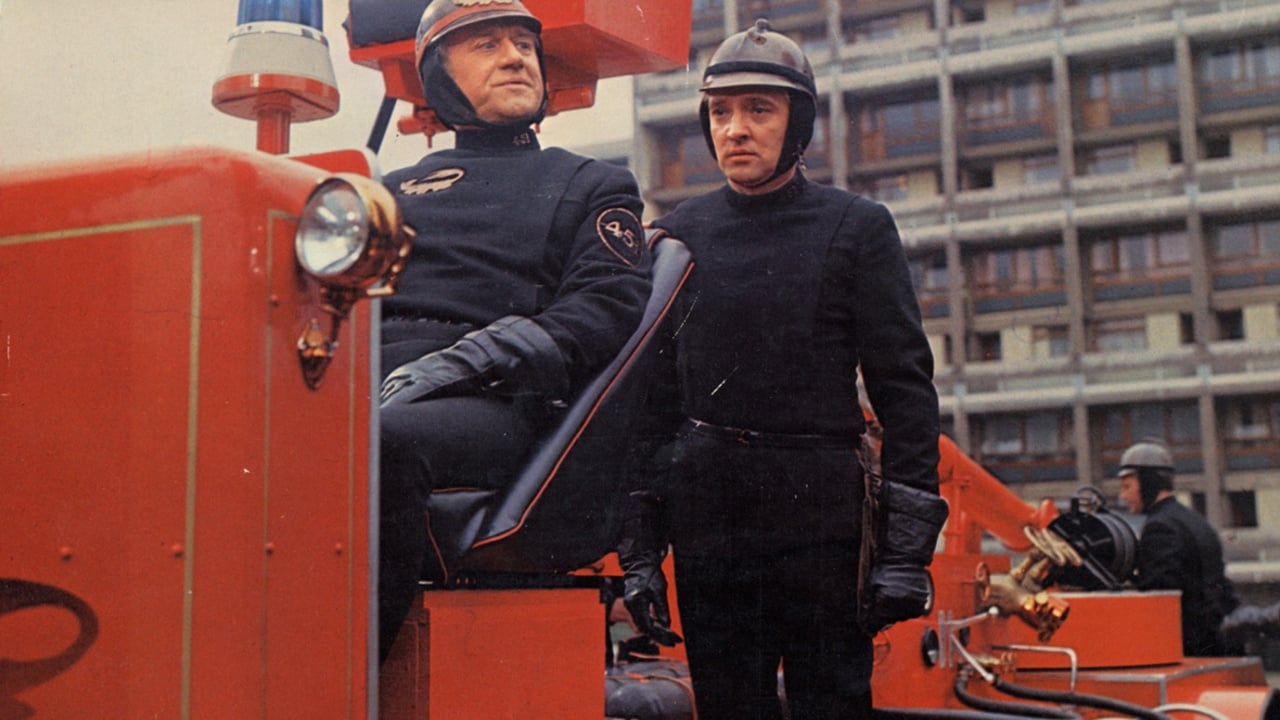
Coming from the scrappy, handheld world of The 400 Blows, Truffaut had to adapt to the machinery of a studio production. This was a "passion project" that took years to finance, eventually landing at Universal. Because the budget was tight for a futuristic epic, the "future" here is mostly just 1966 with a few weird tweaks. There’s a monorail (the SAFEGE test track in France) and some funky fire trucks, but the lack of "Star Wars" style world-building actually makes it more unsettling. It feels like this could happen in your own neighborhood next Tuesday.
The secret weapon here is cinematographer Nicolas Roeg, who would later direct mind-benders like Don’t Look Now. Roeg uses a saturated, almost violent color palette. The reds of the fire engines and the firemen’s uniforms scream against the drab greys of the city. Since this was the era of practical effects, every book burning you see is real. There’s a scene involving a "Book Woman" (Bee Duffell) who chooses to go up with her library that is genuinely haunting. Watching the pages of classic literature curl and blacken under real flamethrowers carries a weight that CGI simply can’t replicate. The way the paper blisters and dances in the heat is more expressive than half the dialogue.
From Cinema to the VHS Shelf
While it wasn't a massive hit in 1966, Fahrenheit 451 found a second life during the home video boom of the late 70s and 80s. I remember the MCA Home Video box art vividly—it featured a stylized Montag in his black uniform, looking like a dystopian riot cop. For a generation of kids growing up with the threat of nuclear war or government overreach, this movie was a staple of the "Discovery" section at the local rental shop.
The film’s "Indie" soul shines through in its ending. Without spoiling the specifics, Truffaut pivots from a tense political thriller to something lyrical and almost fairytale-like. He moves away from the studio-mandated "action" and focuses on the human spirit. It’s a move a committee-driven blockbuster would never allow today.
There are plenty of "cool details" for the eagle-eyed viewer, too. Look closely at the books being burned; Truffaut snuck in a copy of Cahiers du Cinéma, the film magazine where he started as a critic. Also, the legendary Bernard Herrmann (the man behind the Psycho shower screams) provides the score. It’s one of his most underrated works—melancholic, driving, and surprisingly warm.
Fahrenheit 451 is a bit of an odd duck. It’s a French director’s take on an American novel, filmed in England, starring a German actor who wasn't happy to be there. This cocktail of creative tension shouldn't work, but it creates a specific, eerie atmosphere that lingers long after the credits are (spoken) and done. It’s a drama that values ideas over explosions, reminding us that the most dangerous thing you can own isn't a weapon, but a library card. If you can handle the 60s pacing, it’s a burn worth feeling.
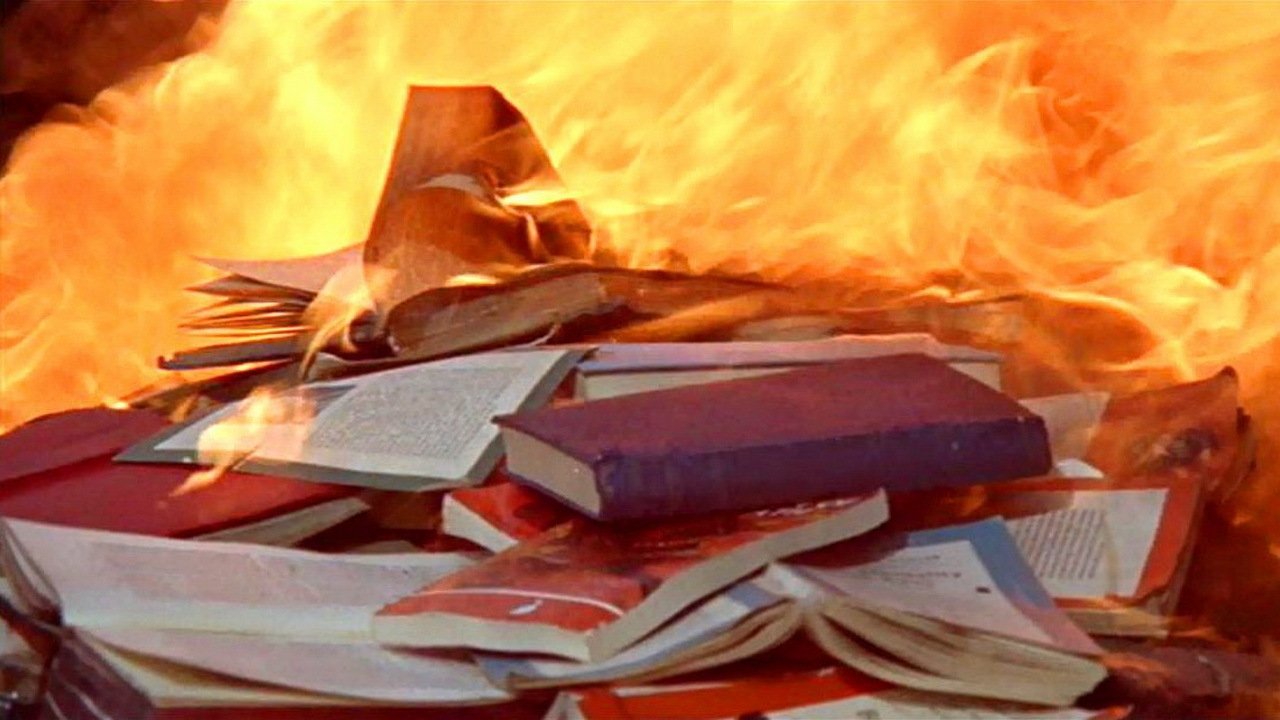
Keep Exploring...
-
Jules and Jim
1962
-
Stalker
1979
-
THX 1138
1971
-

Repulsion
1965
-
Blow-Up
1966
-
Straw Dogs
1971
-
Nineteen Eighty-Four
1984
-
La Jetée
1962
-
Planet of the Apes
1968
-
Judgment at Nuremberg
1961
-
Lolita
1962
-
What Ever Happened to Baby Jane?
1962
-
Contempt
1963
-
The Great Escape
1963
-

The Umbrellas of Cherbourg
1964
-
Pierrot le Fou
1965
-
Guess Who's Coming to Dinner
1967
-
In the Heat of the Night
1967
-
Easy Rider
1969
-

Midnight Cowboy
1969