Persona
"Two women, one face, and the loudest silence in cinema."

I remember the first time I sat down with Persona. I was in my early twenties, armed with a lukewarm cup of peppermint tea that I completely forgot to drink because I was too busy trying to figure out if my TV was actually possessed. Watching it back then felt like a rite of passage—the kind of movie you rented from the "Director’s Suite" section of a local video store to prove you were a "serious" film person, only to realize the movie didn't care about your ego at all. It just wanted to dismantle your psyche.
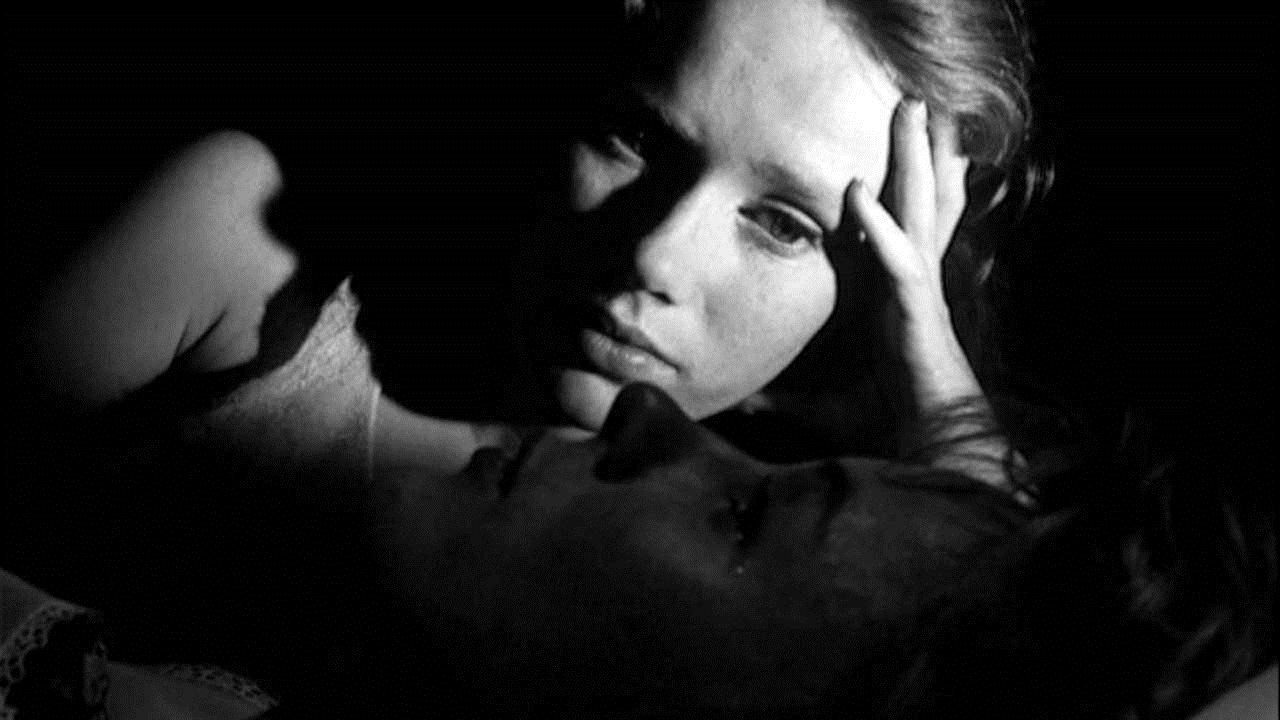
Released in 1966, Ingmar Bergman’s Persona arrived right as the old Hollywood studio system was gasping its last breath. While Americans were starting to experiment with the "New Hollywood" grit of The Graduate or Bonnie and Clyde, Bergman was over in Sweden essentially inventing the psychological thriller-as-art-form. It’s a film that feels less like a story and more like a fever dream you’re having while staring too long in a mirror.
The Staring Contest from Hell
The setup is deceptively simple, almost like a stage play. An actress named Elisabet Vogler (Liv Ullmann) suddenly stops speaking in the middle of a performance of Electra. She isn't sick; she just chooses silence. She’s sent to a seaside cottage to recover, accompanied by a chatty, youthful nurse named Alma (Bibi Andersson).
For the next eighty minutes, it’s just the two of them. Alma talks—about her life, her secrets, a particularly scandalous day on a beach—and Elisabet listens. And listens. And listens. It’s basically the world’s most intense therapy session where the therapist is a mute vampire.
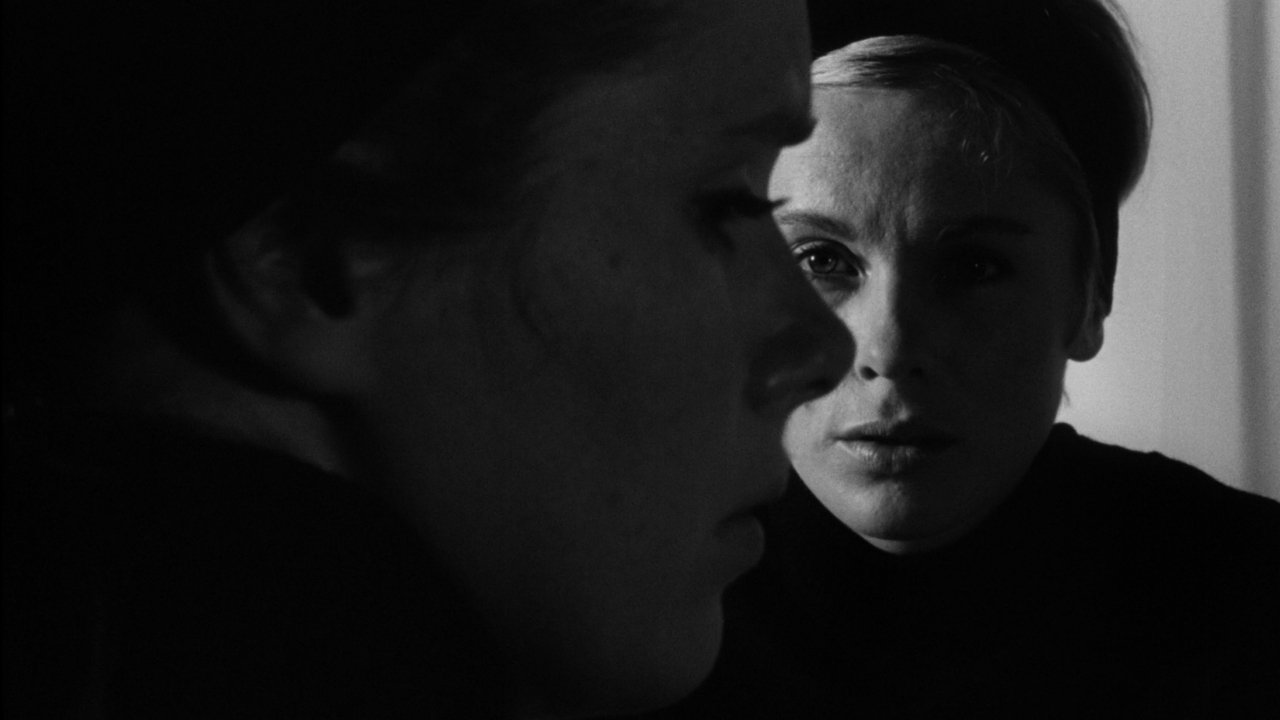
As Alma pours her soul into the vacuum of Elisabet’s silence, the boundaries between the two women start to liquefy. They dress alike, they move in sync, and eventually, in one of the most famous shots in history, their faces literally merge into one. It’s terrifying, not because of ghosts or monsters, but because it taps into that universal fear: Who am I when no one is looking?
Behind the Mask and the Lens
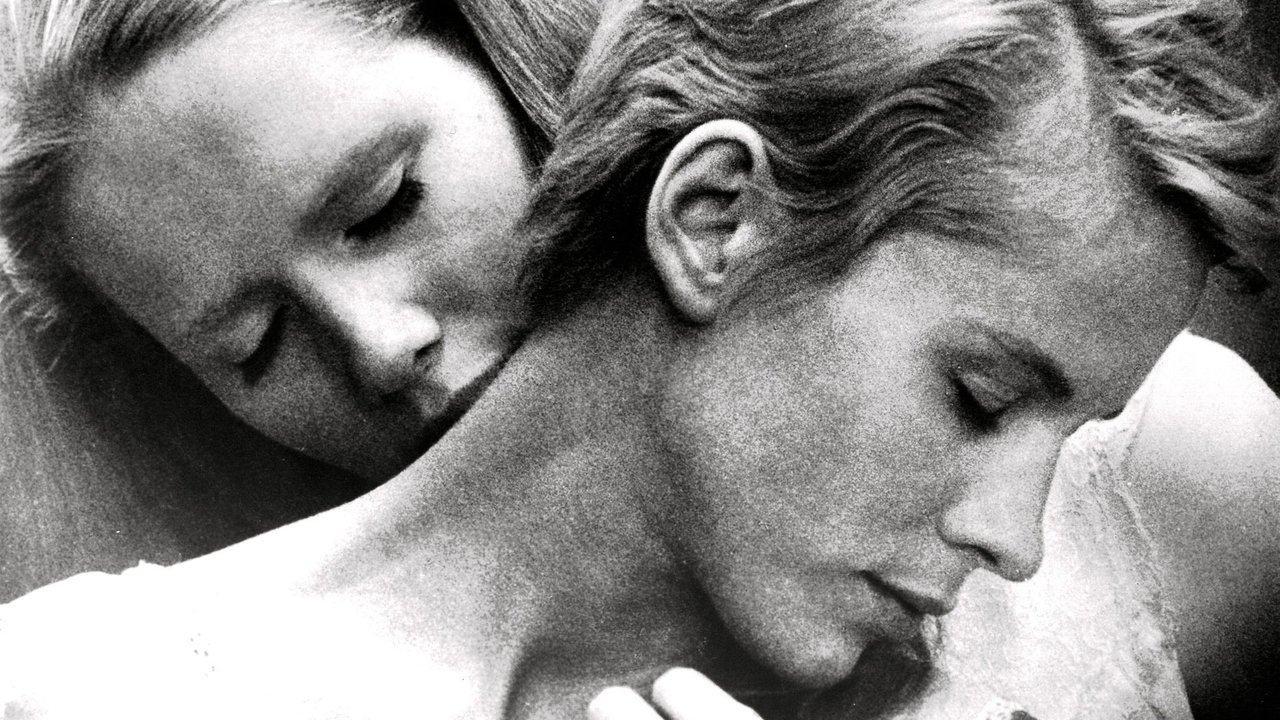
The production of Persona is as legendary as the film itself. Bergman actually wrote the screenplay while hospitalized with double pneumonia and a devastating bout of vertigo. He claimed the idea came to him when he saw Bibi Andersson and Liv Ullmann standing together and realized they looked strikingly similar. He became obsessed with the idea of two people trading identities.
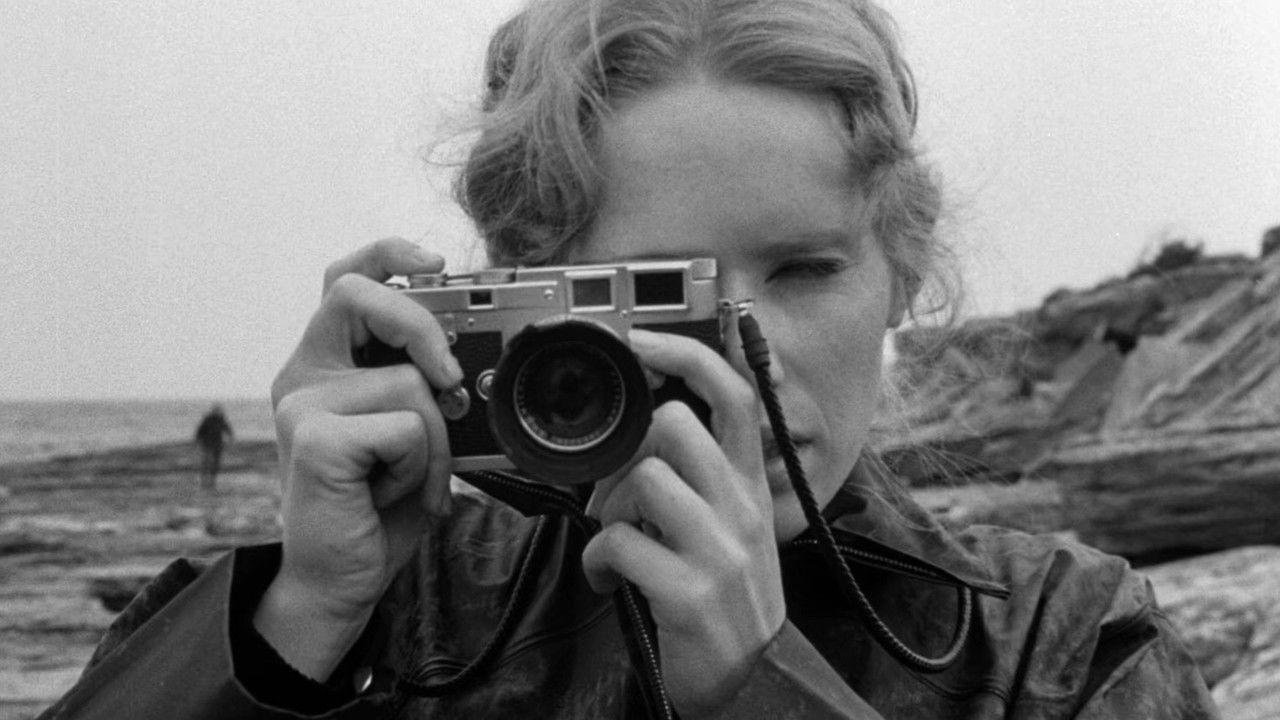
This wasn't just a professional collaboration, either. During the shoot on the bleak, rocky island of Fårö, Bergman and Liv Ullmann began a long-term romantic relationship that would define both of their careers. You can feel that intimacy on screen. The cinematographer, Sven Nykvist, uses lighting that feels almost invasive. He catches every micro-expression, every twitch of Ullmann's lip. Nykvist’s high-contrast black and white makes skin look like marble and shadows look like ink.
When this hit the home video market in the late 70s and 80s, it became a cornerstone of cult cinema. Unlike a big-budget blockbuster, Persona gained a second life on VHS because it rewards the "pause" button. Fans would obsessively rewind the opening sequence—a chaotic montage of a film projector starting up, a nail being driven into a hand, and a boy reaching for a blurred face. On a grainy tape, that intro felt like a forbidden broadcast from another dimension.
Why It Still Bites
People often describe Bergman as "difficult" or "slow," but I’ve always found Persona to be remarkably brisk. At 84 minutes, it’s shorter than your average Pixar movie, yet it packs more dread and tension into a single frame than most modern horror flicks. The "film-within-a-film" opening is the original jumpscare, reminding you that you aren't just watching a story—you’re watching a piece of physical media that can break, melt, or turn on you.
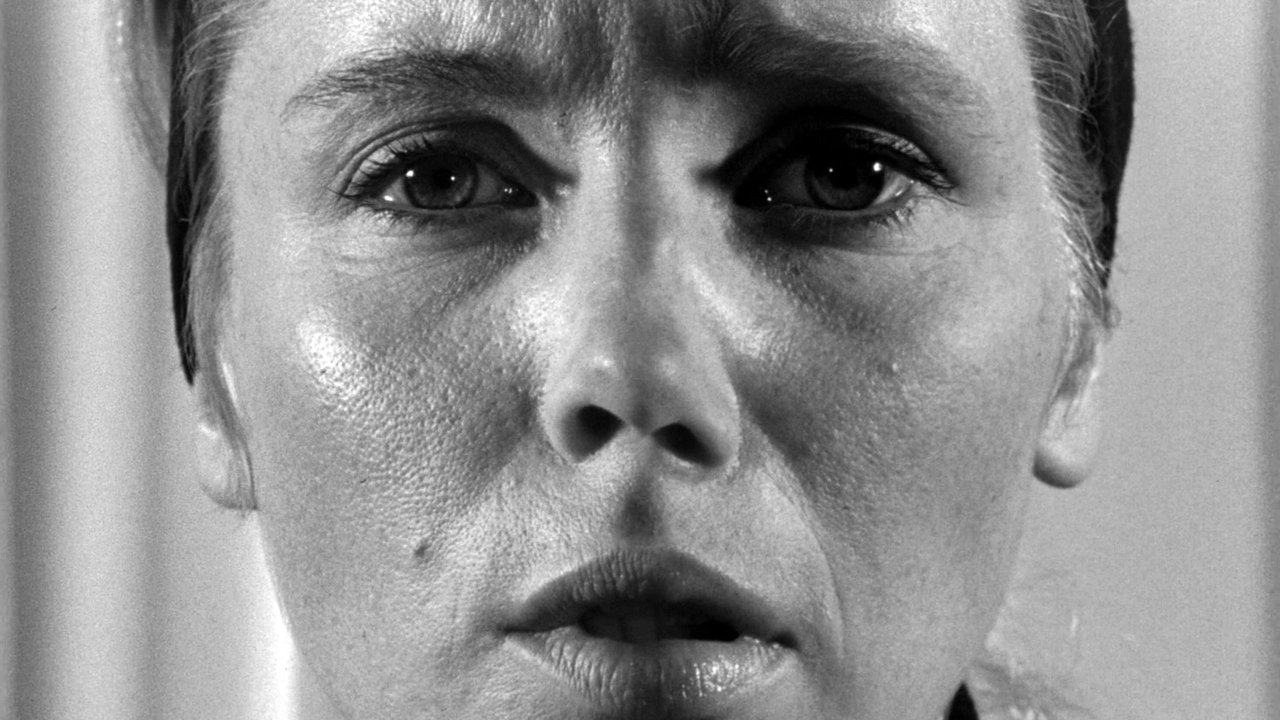
The film's cult status didn't come from catchy catchphrases or cool merchandise; it came from the way it refuses to give you a straight answer. Is Alma imagining the whole thing? Is Elisabet a psychological parasite? Is the boy at the beginning and end Elisabet’s son, or the director himself?
I love that we’re still arguing about it. In an era where every plot point is explained by a "five-minute breakdown" video on YouTube, Persona remains an unsolvable puzzle. It’s a movie that demands you bring your own baggage to the table. When I watched it recently, I found myself sympathizing with Alma’s desperation to be seen; ten years ago, I was fascinated by Elisabet’s power in saying nothing.
Persona is the ultimate "mind-meld" movie. It’s a gorgeous, haunting, and occasionally mean-spirited look at the masks we wear to survive the world. It might not be the "fun" pick for a Friday night, but I promise it’s a film that will sit in the back of your brain, unblinking, long after the credits roll. If you’ve ever felt like you were just performing a version of yourself for other people, this movie is going to hit you like a freight train. Just remember to drink your tea before it gets cold.
Keep Exploring...
-
Wild Strawberries
1957
-
The Seventh Seal
1957
-
Breakfast at Tiffany's
1961
-

To Kill a Mockingbird
1962
-
8½
1963
-
Planet of the Apes
1968
-
Manhattan
1979
-
Gandhi
1982
-

The Breakfast Club
1985
-
Judgment at Nuremberg
1961
-

The Hustler
1961
-
Harakiri
1962
-
Jules and Jim
1962
-
La Jetée
1962
-
The Leopard
1963
-

The Sound of Music
1965
-
Andrei Rublev
1966
-
Who's Afraid of Virginia Woolf?
1966
-
Guess Who's Coming to Dinner
1967
-
Once Upon a Time in the West
1968