The Good, the Bad and the Ugly
"In a world of lead, gold is the only god."
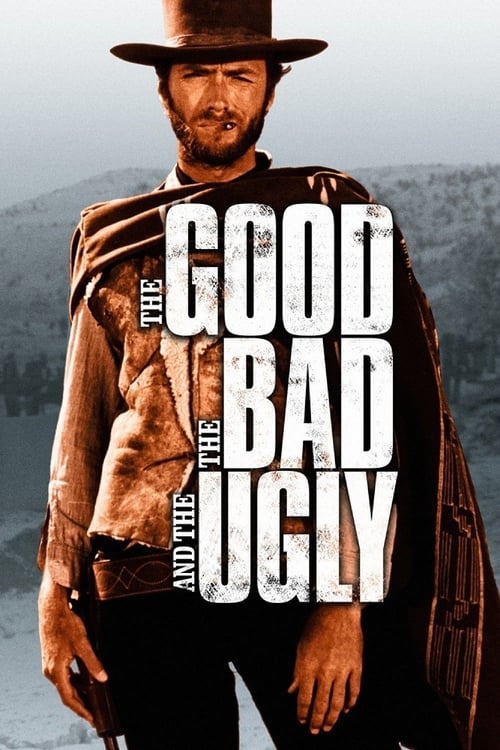
The first time I sat down to watch Sergio Leone’s The Good, the Bad and the Ugly, I was nursing a spectacular case of the flu and my cat, Barnaby, was aggressively trying to steal my buttered popcorn. Despite the fever and the feline interference, I was pinned to my seat. There is a specific kind of cinematic gravity in this film that defies the usual 1960s pacing. It’s a movie that takes ten minutes to show three men staring at each other, and somehow, it feels more action-packed than a modern CGI-bloated blockbuster.
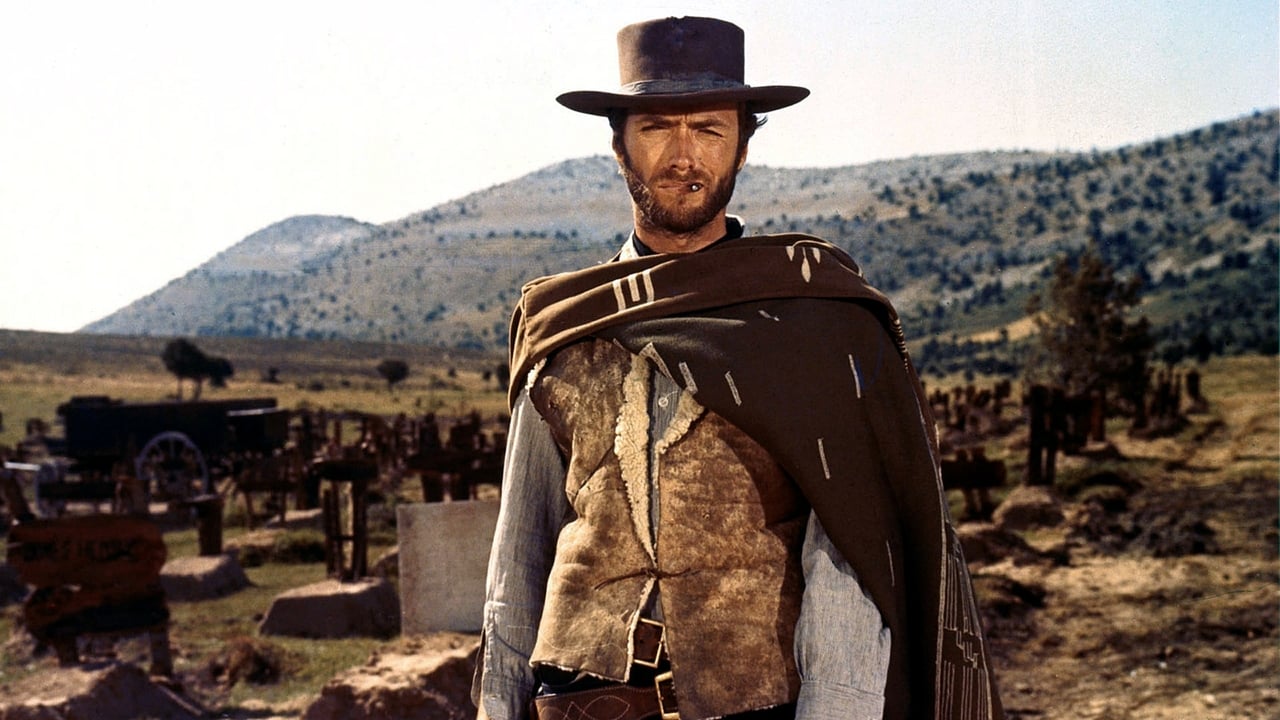
Leone didn't just make a Western; he created an opera where the libretto is written in gunpowder and sweat. By 1966, the classic Hollywood Western—the kind with clean hats and moral clarity—was dying. Leone didn’t just bury it; he danced on the grave and invited us to enjoy the view.
The Landscape of the Human Face
While the American Southwest (mostly Spain, actually) provides a sprawling, dusty canvas, the real geography of this film is the human face. Leone and cinematographer Tonino Delli Colli pioneered the use of the extreme close-up in a way that feels almost intrusive. We see every pore, every bead of sweat, and the shifting pupils of men who haven't seen a drop of water in days.
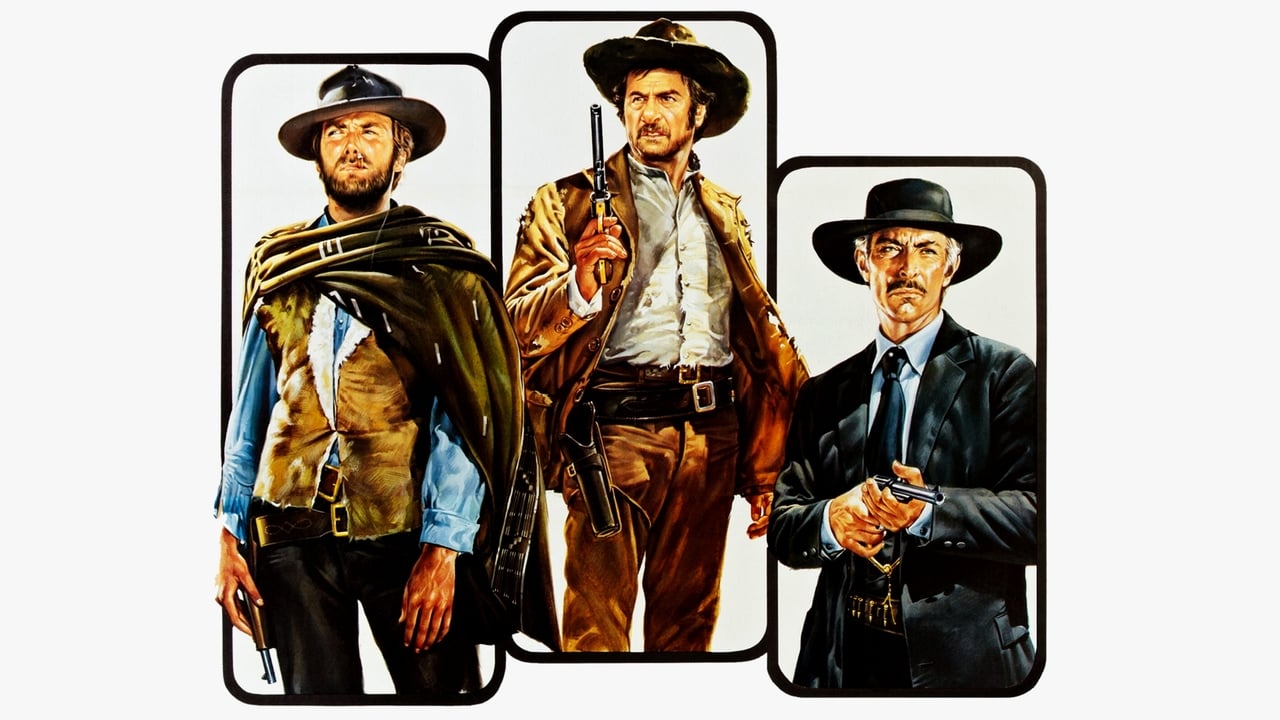
Eli Wallach as Tuco (The Ugly) is the undisputed soul of the film. While Clint Eastwood (The Good/Blondie) perfected the "Man with No Name" persona—a minimalist performance that relies entirely on a squint and a cigarillo—Wallach is a hurricane of frantic energy. He is grotesque, hilarious, and strangely vulnerable. There’s a philosophical depth to Tuco; he’s a man who has realized the world is a cruel joke, so he’s decided to be the loudest person laughing. Lee Van Cleef (The Bad/Angel Eyes) rounds out the trinity with a cold, predatory stillness. Van Cleef’s eyes are like two holes poked in a dark curtain, and he brings a genuine sense of menace that balances the film’s more absurd moments.
A War Within a War
What elevates this beyond a simple "treasure hunt" movie is the backdrop of the American Civil War. In many Westerns, the war is a heroic memory or a distant cause. Here, it is a senseless, grinding machine of death that constantly interrupts the protagonists' greed. The scene at the Langstone Bridge is arguably the most cerebral moment in the entire "Dollars Trilogy."
Blondie and Tuco find themselves caught between two armies fighting over a strategically useless piece of wood. The Alcoholic Union Captain, played with tragic weariness by Aldo Giuffrè, explains the absurdity of it all. It strikes me that the Civil War is treated as a massive, inconvenient prank played on three guys who just want to get rich. There’s a profound cynicism here that echoed the burgeoning anti-war sentiment of the mid-60s. When Blondie looks at the piles of bodies and mutters, "I’ve never seen so many men wasted so badly," it’s not just a line of dialogue; it’s the film’s thesis.
The Ecstasy of Gold and the Tension of Time
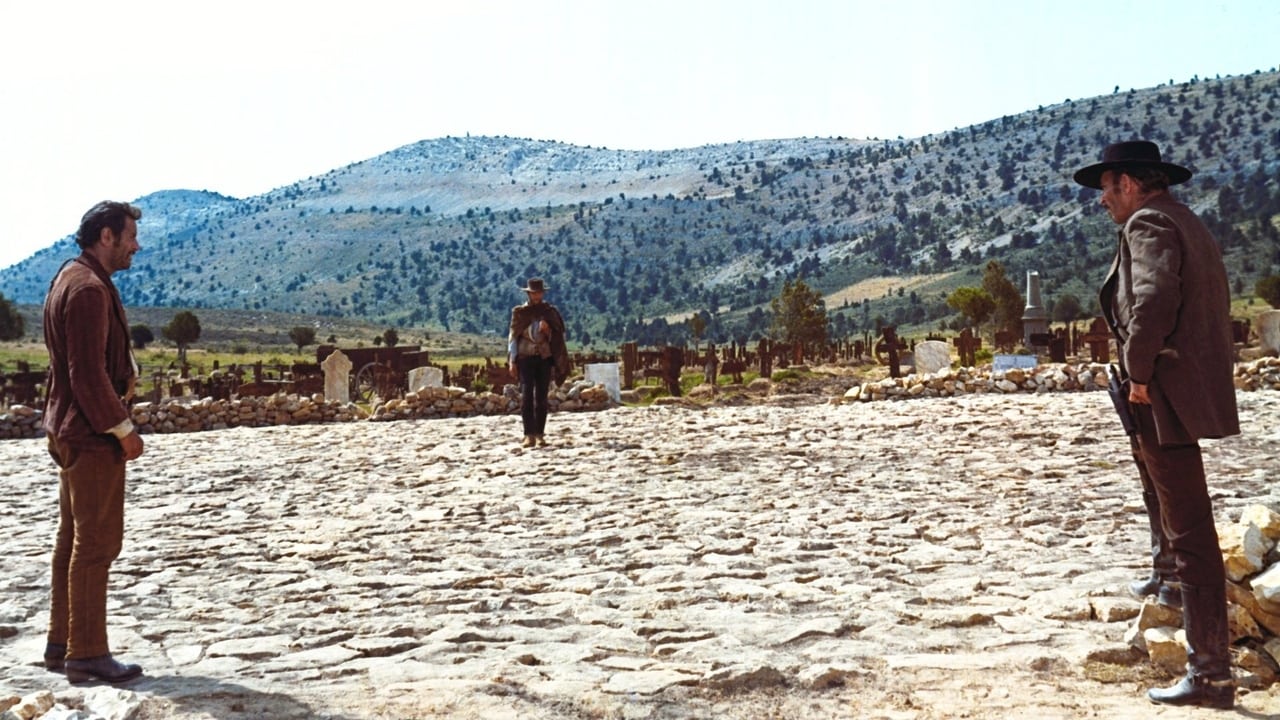
We cannot talk about this film without the Maestro, Ennio Morricone. His score is so integral that Leone often timed the actors' movements to the music on set. The main theme—that iconic "coyote howl"—is part of our global DNA now, but the track "The Ecstasy of Gold" is where the film achieves transcendence. As Tuco runs through the circular Sad Hill Cemetery, the camera spinning and the music building to a fever pitch, it stops being a Western and becomes a religious experience.
The production trivia alone is a testament to the "wild west" era of filmmaking. During the bridge explosion scene, a Spanish army captain accidentally detonated the explosives before the cameras were ready because he misinterpreted a signal. Leone was devastated, but the Spanish army—apparently having nothing better to do—simply rebuilt the entire bridge so he could blow it up again. You don’t get that kind of practical-effects dedication in the age of green screens. They literally moved mountains and rebuilt history for a three-minute sequence.
The VHS Two-Tape Marathon
For many of us, the true legacy of The Good, the Bad and the Ugly was cemented during the VHS era. Because of its massive 161-minute runtime, it was often a "Double Tape" rental. I remember the heft of that big plastic clamshell case; it felt like you were checking out a piece of history. There was a ritual to it—watching the first half, the screen going black, and then the physical act of swapping the tapes. It forced a mid-movie intermission that allowed the tension of the desert trek to sink in.
It’s a film that rewards repeated viewings because of its subtext. Is Blondie actually "Good"? Not really. He’s just a professional who happens to have a sliver of a conscience. Is the film a comedy? Often, yes. Is it a tragedy? Absolutely. It’s a messy, beautiful, long-winded masterpiece that proved European directors could take an American myth and sell it back to us with more grit and honesty than we ever put into it ourselves.
This is the ultimate cinematic "last meal." If you’ve never seen it, clear your afternoon, find the biggest screen possible, and let Morricone’s trumpets blare. It’s a film that reminds us why we love the movies: for the scale, for the faces, and for the reminder that in a world of chaos, sometimes the only thing you can count on is a loaded gun and a partner you can’t trust.


Keep Exploring...
-
For a Few Dollars More
1965
-
A Fistful of Dollars
1964
-
Once Upon a Time in the West
1968
-
Duck, You Sucker
1971
-

The Magnificent Seven
1960
-

The Man Who Shot Liberty Valance
1962
-

Once Upon a Time in America
1984
-
The Wild Bunch
1969
-
Judgment at Nuremberg
1961
-
Guess Who's Coming to Dinner
1967
-

Midnight Cowboy
1969
-
The Apartment
1960
-
The Holy Mountain
1973
-
Young Frankenstein
1974
-
Mirror
1975
-
Network
1976
-
Annie Hall
1977
-
Life of Brian
1979
-
Stalker
1979
-
Nausicaä of the Valley of the Wind
1984