Who's Afraid of Virginia Woolf?
"The drinks are cold, but the hospitality is lethal."
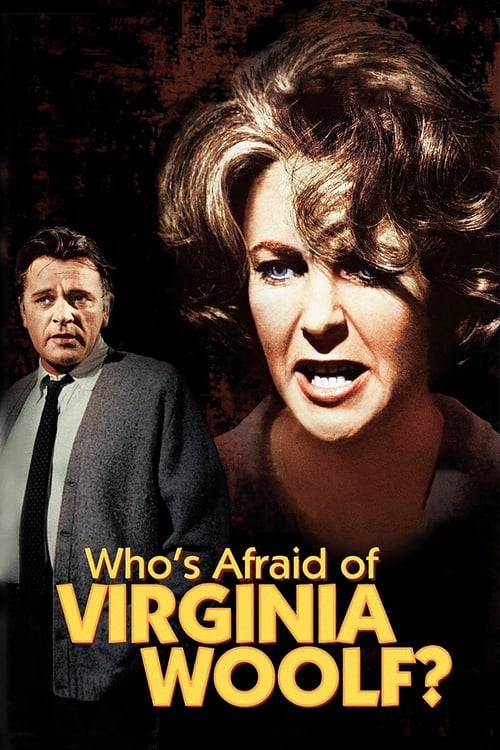
I once tried to watch this film while assembling a particularly stubborn IKEA bookshelf, and by the hour mark, I found myself wanting to hurl a hex key at the wall for no reason other than the sheer, contagious atmospheric spite radiating from my television. Who's Afraid of Virginia Woolf? isn't just a movie; it’s a contact sport played with glassware and polysyllabic insults.
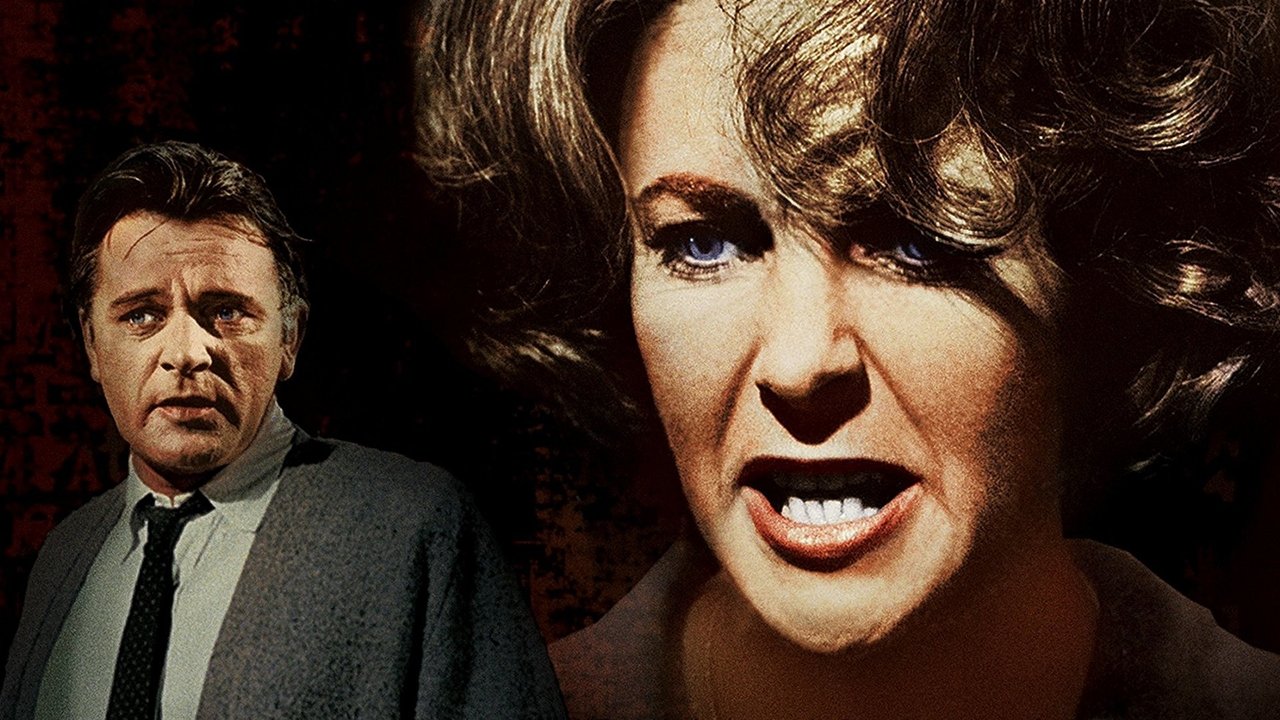
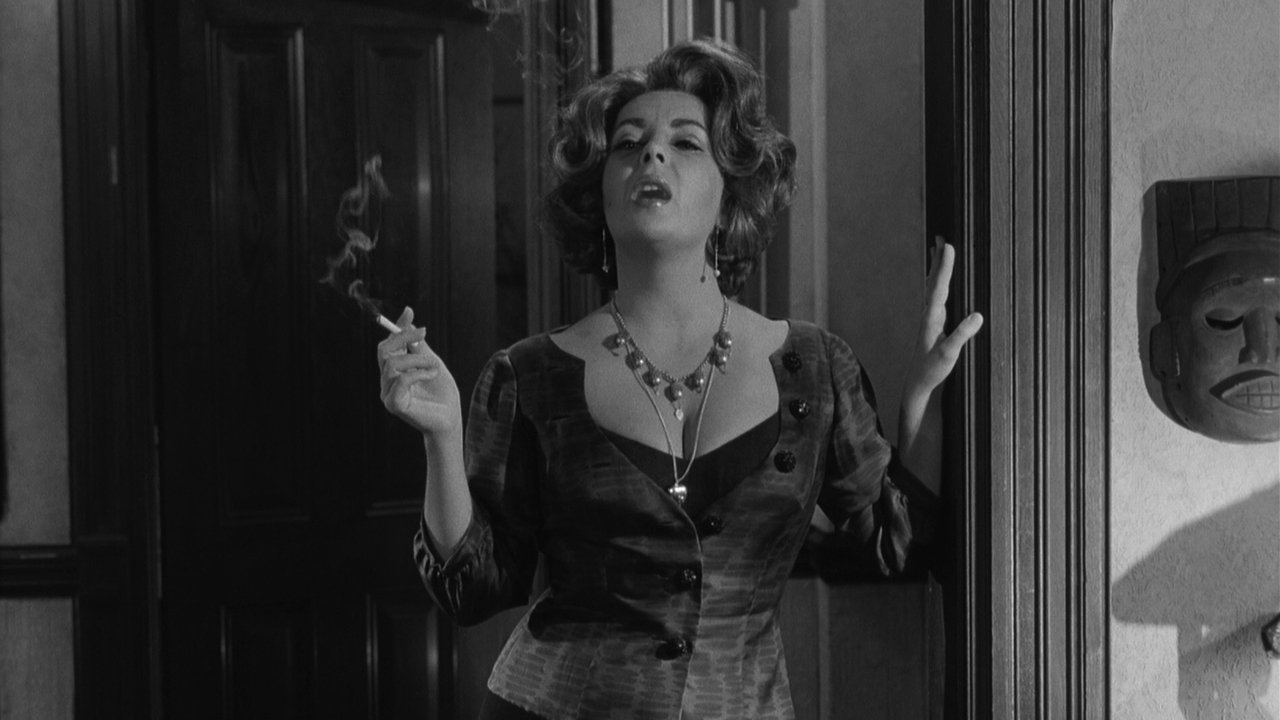
From the opening moments, where we see a middle-aged couple walking home across a moonlit campus, there’s a sense of impending doom that usually belongs to a slasher flick. But the monster here isn't a guy in a mask—it's the resentment lurking behind a faculty marriage. When Elizabeth Taylor lets out that first, jagged bray of a laugh as Martha, you realize the "Grand Dame" of Hollywood has checked her glamour at the door. She’s messy, she’s loud, and she’s ready to burn the house down just to see if her husband, George, is still capable of feeling the heat.
The Blood on the Living Room Floor
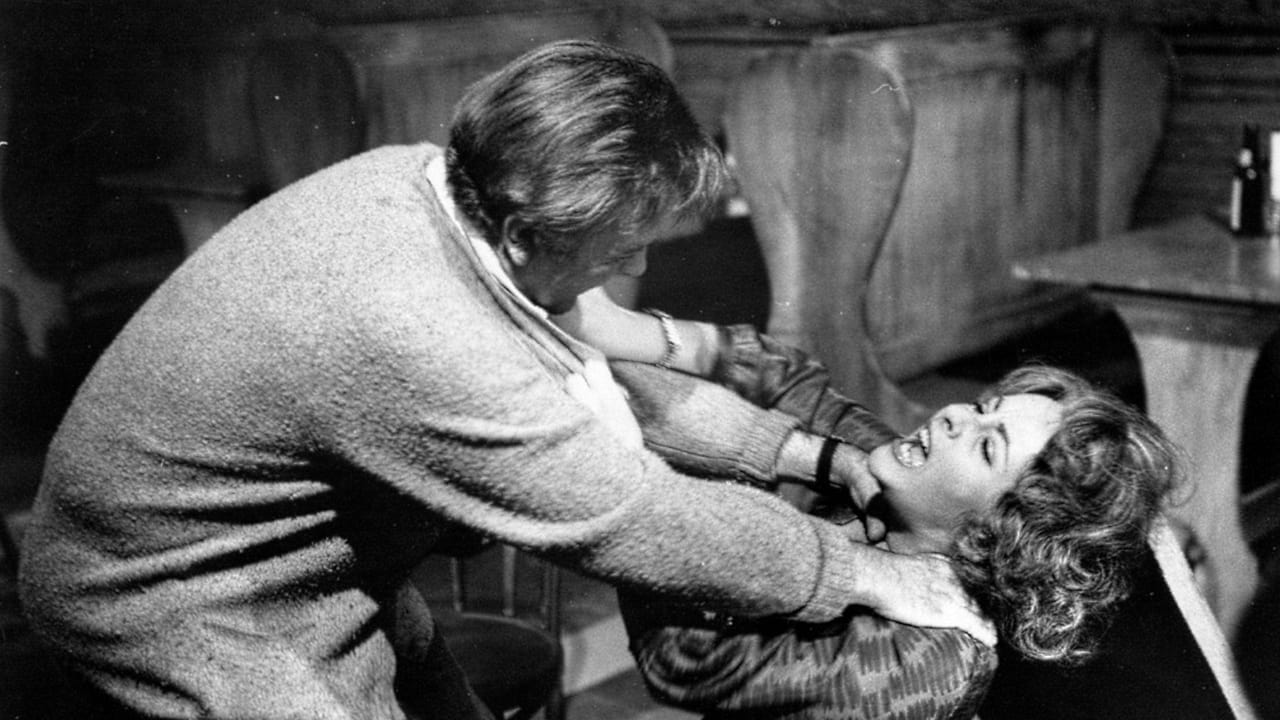
The "plot" is deceptively simple: George and Martha invite a younger couple, Nick and Honey, over for late-night drinks after a faculty party. What follows is a four-way psychological demolition derby. Richard Burton, as George, gives what I consider to be his career-best performance. He doesn't play George as a victim; he plays him as a man who has mastered the art of the "calculated recoil." He’s a failed history professor who uses his intellect as a scalpel, waiting for the perfect moment to twist the blade in Martha’s side.
Their chemistry is terrifyingly authentic, likely because Elizabeth Taylor and Burton were living their own high-voltage, tabloid-fodder romance at the time. Watching them is like witnessing a controlled demolition. Taylor’s performance isn't just acting; it’s a total, sweaty assassination of her own violet-eyed screen persona. She gained 30 pounds, wore a gray wig, and leaned into a rasping, gin-soaked vulgarity that would have been unthinkable for a leading lady just five years earlier.
The younger couple, played by George Segal and Sandy Dennis, serve as our proxies. They start the night with polite smiles and end it in a state of total spiritual collapse. Sandy Dennis, in particular, is a marvel of nervous tics and "brandy-induced" fragility. She’s the "lamb" that George and Martha eventually decide to slaughter just to keep the conversation lively.
The Death of the Hays Code
You have to understand the seismic shift this film caused in 1966. This was the movie that basically broke the back of the Hays Code—the industry’s long-standing moral censorship guidelines. Before this, you couldn't say "bugger" or "son of a bitch" on screen without the sky falling. Director Mike Nichols, making his film debut after a legendary career in theater and comedy, fought to keep the "blue" language of Edward Albee’s play intact.
It wasn't just about the swearing, though. It was the adultness of it all. Nichols and cinematographer Haskell Wexler chose to shoot in stark, high-contrast black and white, which makes the characters look like they’ve been dragged through a coal mine by 2:00 AM. The camera is restless, often shoving itself right into the actors' faces, forcing us to see every bead of sweat and every shattered expression. It’s claustrophobic in a way that makes you want to open a window in your own house.
Technically, the film is a masterclass in pacing. Despite being 131 minutes of four people talking in a house, it moves faster than most action movies. This is due to Ernest Lehman’s screenplay, which preserves the musicality of the dialogue. The insults aren't just mean; they’re rhythmic. They’re "games," as George calls them: "Humiliate the Host," "Get the Guests," and the final, devastating "Hump the Hostess."
Truth, Illusion, and the Imaginary Son
Beneath the screaming and the flying ice cubes, there is a deep, philosophical ache that I find more haunting every time I revisit it. The film grapples with the terrifying necessity of "life-lies." George and Martha have invented a complex mythology—specifically an imaginary son—to fill the void of their own disappointment.
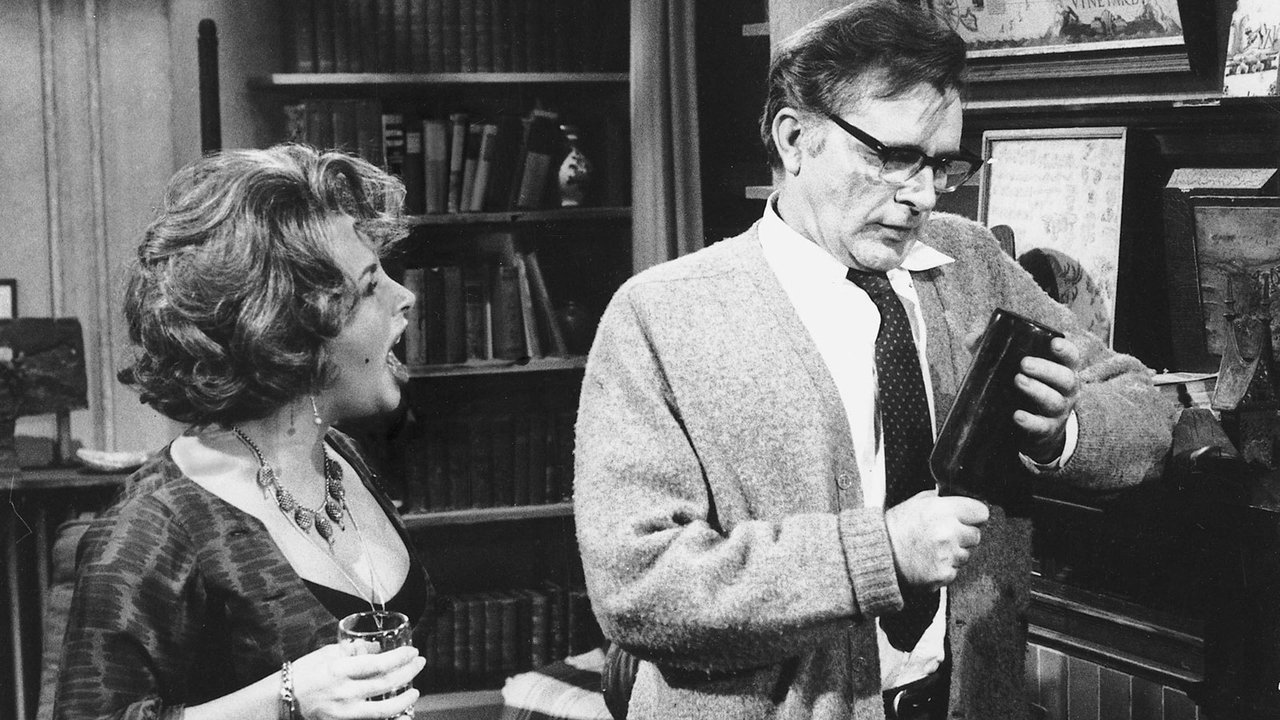
I’ve always been fascinated by the ending, where the sun finally comes up and the "games" are over. The film poses a brutal question: once you strip away all the illusions and the booze-fueled performances we put on for others, is there anything left of us? Or are we just hollowed-out shells held together by the people we choose to hate? It’s a cynical thought, but Nichols handles the final moments with a strange, bruised tenderness. George and Martha are monsters, yes, but they are monsters who need each other to exist.
Apparently, the production was just as intense as the film. Taylor was so committed to the role that she reportedly stayed in character between takes, keeping the house on edge. It’s one of those rare instances where the behind-the-scenes ego-clashing actually served the final product. It’s the ultimate ‘anti-date’ movie, a film that makes you want to go home and hug your partner—or perhaps check their drink for hemlock.
Who's Afraid of Virginia Woolf? is a towering achievement that signaled the arrival of New Hollywood. It’s a film that demands your full attention and rewards it with some of the most scorching dialogue ever put to celluloid. It captures a specific kind of domestic horror that feels just as sharp today as it did in the sixties. If you can stomach the acidity, it’s an essential piece of cinematic history that proves sometimes the most explosive special effects are just two people in a room with a lot to lose. Don't watch it if you're feeling emotionally fragile, but definitely watch it if you want to see what happens when Hollywood finally grows up.
Keep Exploring...
-

The Sound of Music
1965
-
The Graduate
1967
-
West Side Story
1961
-

The Hustler
1961
-
Harold and Maude
1971
-

Do the Right Thing
1989
-
Harakiri
1962
-
Jules and Jim
1962
-
La Jetée
1962
-
The Longest Day
1962
-
The Leopard
1963
-
Andrei Rublev
1966
-
Planet of the Apes
1968
-
Being There
1979
-
Pink Floyd: The Wall
1982
-
Ran
1985
-
The Last Emperor
1987
-
Patton
1970
-
La Dolce Vita
1960
-
Breakfast at Tiffany's
1961