Belle de Jour
"Boredom is a very dangerous aphrodisiac."
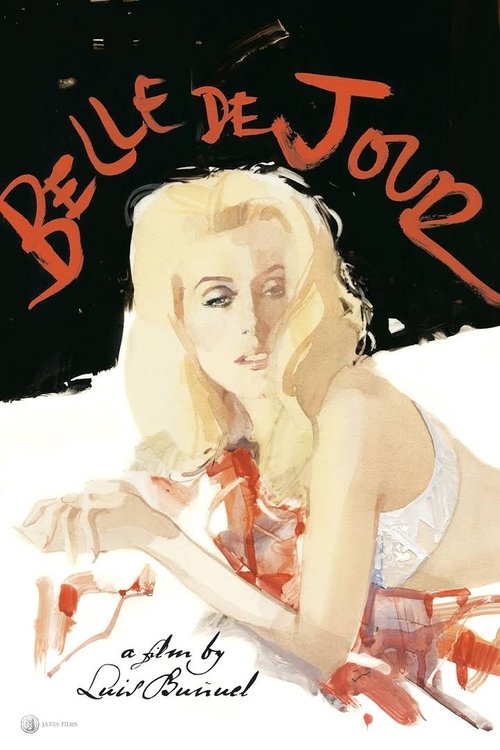
There is a specific, polished coldness to 1967 that you don't find anywhere else in cinema history. It was the year the world finally realized that the prim, buttoned-up elegance of the post-war era was hiding a massive, pulsating mid-life crisis. While America was tripping on Hendrix at Monterey, Luis Buñuel was in Paris, busy peeling back the wallpaper of high society to see what kind of insects were crawling underneath. The result was Belle de Jour, a film that manages to be erotic without being pornographic and haunting without being a ghost story.
I watched this recently while a fly kept buzzing around my lamp, making a tiny, persistent ticking sound that felt exactly like one of Luis Buñuel’s auditory tricks—a minor annoyance that slowly drives you to the brink of a psychological breakdown.
The Ice Maiden in Saint Laurent
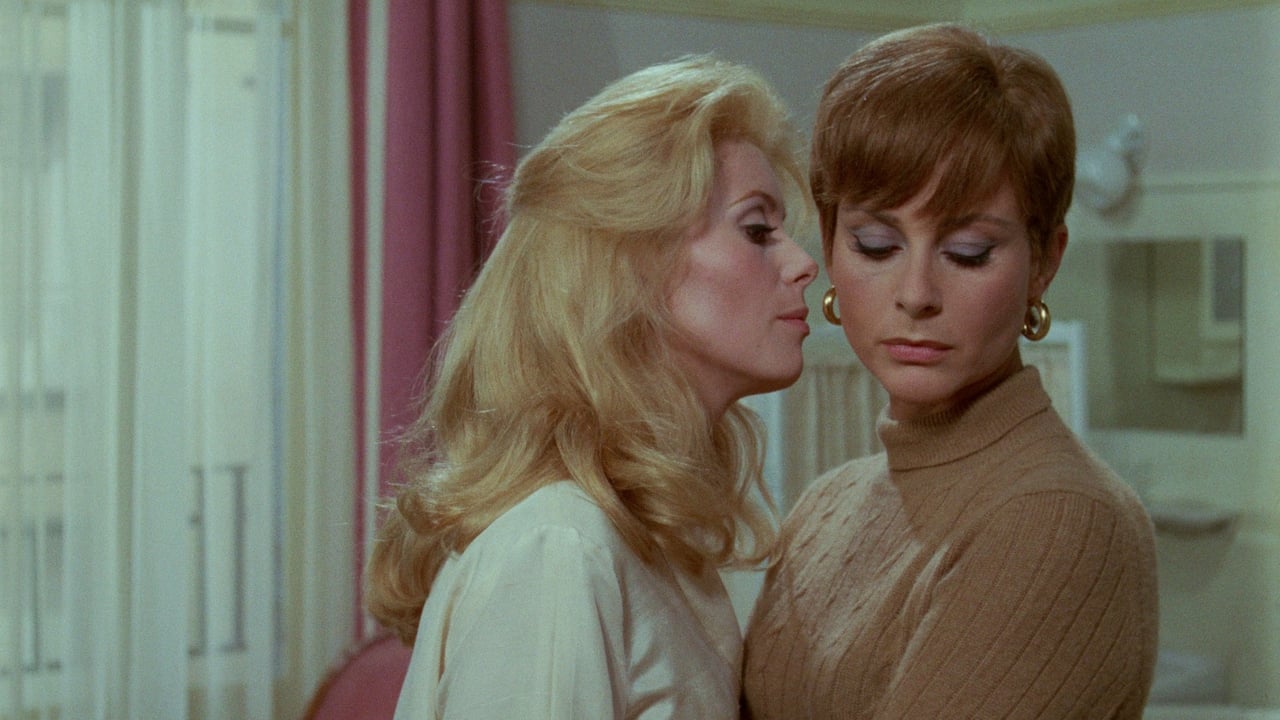
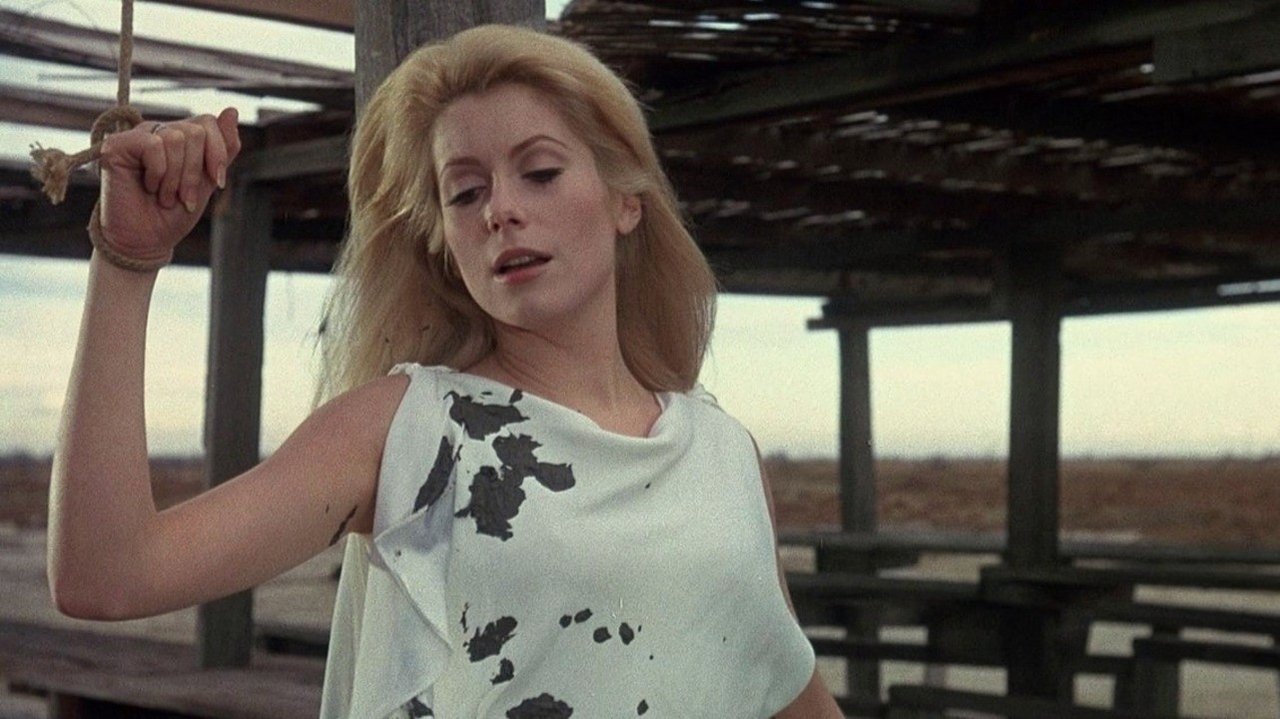
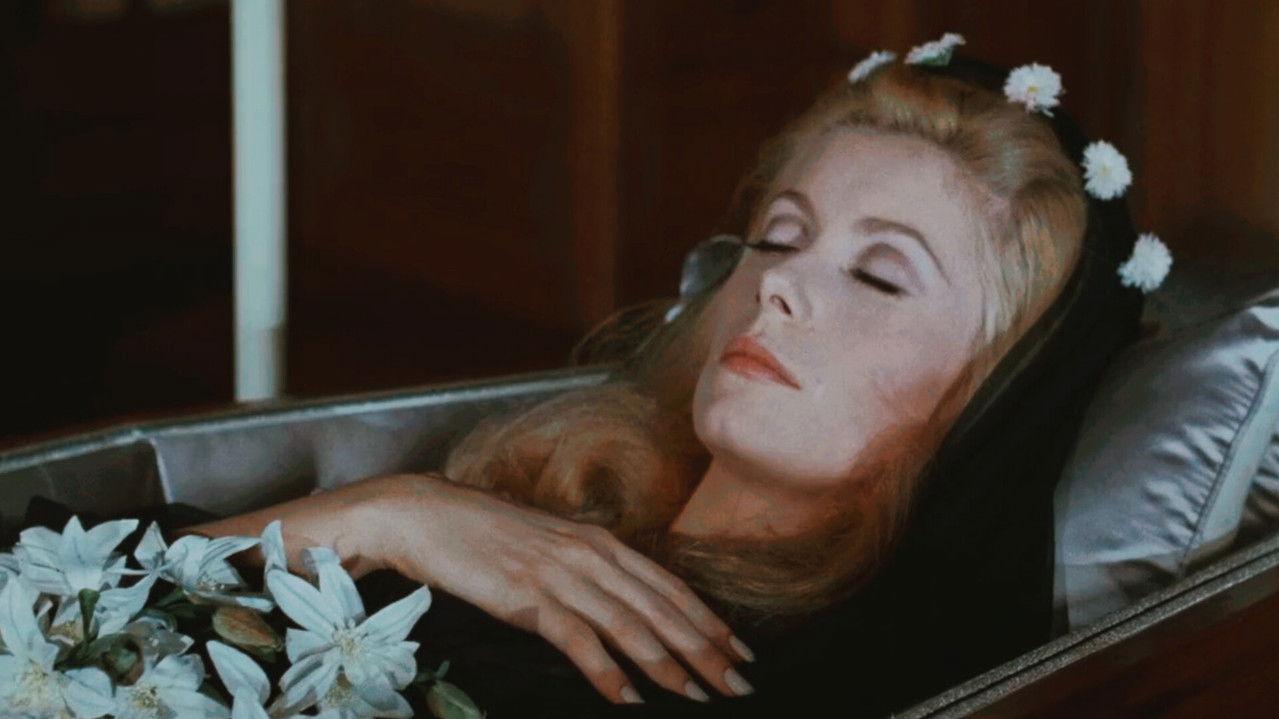
At the center of this stylish nightmare is Catherine Deneuve, playing Séverine Serizy. If there were an Olympic event for "Looking Immaculate While Mentally Unraveling," Deneuve would take the gold, silver, and bronze. She is a woman who seemingly has everything—a handsome, devoted husband in Jean Sorel, a sprawling Paris apartment, and a wardrobe of Yves Saint Laurent outfits that probably cost more than my first car. But Séverine is bored. Not the "I should probably take up sourdough" kind of bored, but a deep, spiritual ennui that can only be cured by masochistic daydreams involving horse-drawn carriages and mud.
When she hears about a high-class brothel run by Madame Anais (Geneviève Page), she doesn't just go there; she signs up for the 2:00 PM to 5:00 PM shift. Deneuve’s performance is a masterwork of stillness; she looks like a porcelain doll that’s just realized it’s trapped in a glass case. Her blankness isn't a lack of acting; it’s a mask. She makes Séverine feel utterly unreachable, which is exactly why the men she encounters are so desperate to break her.
A Dream That Doesn't Give You Directions
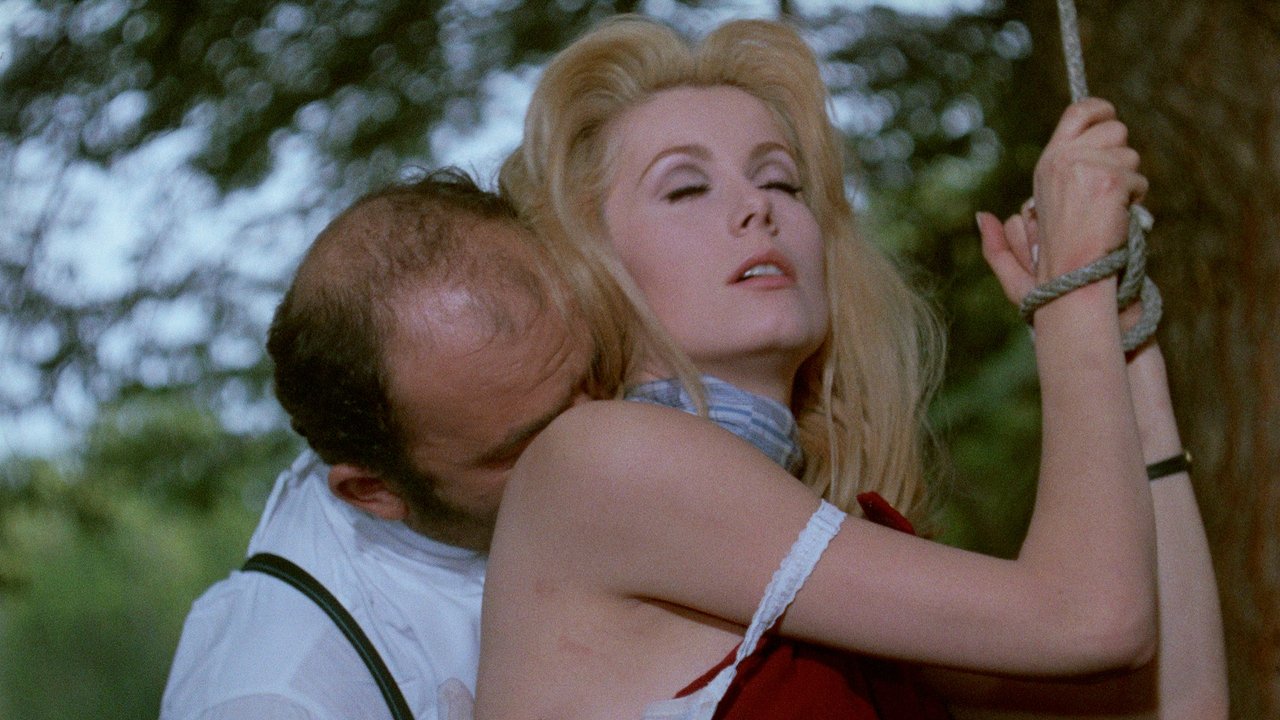
What makes Belle de Jour so delicious—and occasionally frustrating—is Luis Buñuel’s refusal to use "dream logic" cues. In a modern film, the edges of the screen might get blurry, or the music might swell to tell you, "Hey, this is a fantasy!" Buñuel hates that. He transitions from Séverine’s reality to her darkest desires with the same flat, matter-of-fact cinematography (courtesy of Sacha Vierny, who also shot Last Year at Marienbad).
You’ll be watching a scene of her at a cafe with Michel Piccoli (playing the delightfully sleazy Henri Husson), and suddenly, cats are meowing in a way that feels... wrong. Or a bell rings. The bells are everywhere in this movie, acting as anchors to a reality that Séverine is trying to drift away from. Luis Buñuel and co-writer Jean-Claude Carrière (who worked on The Discreet Charm of the Bourgeoisie) aren't interested in explaining the "why" of Séverine's desires. They just want to show you the "how." It’s a film about the privacy of the mind, and how we can be completely unknown to the people who sleep right next to us.
The VHS Afterlife of a Scandal
While Belle de Jour was a massive hit in 1967, it found a second, perhaps more illicit life during the home video revolution of the late 70s and 80s. For the suburban VHS hunter, the box art—usually featuring Deneuve looking provocatively distressed—promised a level of "European sophistication" that was often code for "stuff they won't show on HBO." It became a staple of the "Prestige/Adult" section in video stores, the kind of tape you’d rent alongside a Kurosawa film to feel cultured, even if you were mostly there for the psychological thrills.
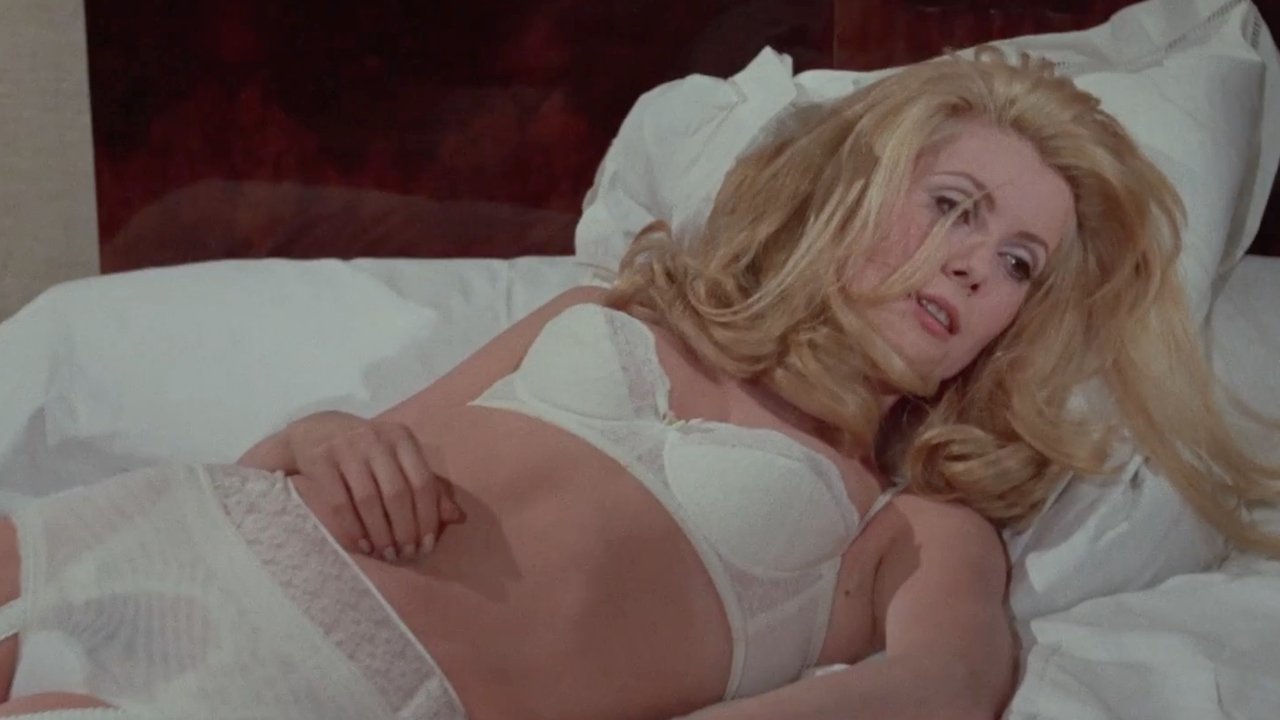
The practical production details add to the film's weirdly tactile vibe. Apparently, Deneuve was incredibly uncomfortable with the nudity requested, which led to the film being much more chaste than the original novel. This actually works in the movie’s favor. By hiding the "act," Buñuel forces our imagination to do the heavy lifting. Then there’s the famous "box" brought in by an Asian client. We never see what’s inside—we only hear a buzzing sound—and the look of sheer terror/fascination on the girls' faces remains one of cinema’s great MacGuffins. If you think you know what’s in the box, you’re probably a weirder person than Séverine.
The film takes a sharp turn toward the gritty when Pierre Clémenti enters as Marcel, a young gangster with silver teeth and a leather coat that practically screams "trouble." He represents the moment Séverine’s two worlds collide, and Clémenti plays him with a feral, unpredictable energy that makes Jean Sorel’s husband character look like a bowl of unseasoned oatmeal.
Belle de Jour is a masterpiece of the "unreliable lifestyle." It’s a drama that feels like a thriller, dressed up in the highest of high fashions. It challenges the viewer to look at their own secret lives and wonder which part of their day is the dream. Even if you aren't a fan of 60s French cinema, the sheer audacity of the ending—which refuses to give a "happy" or even "clear" resolution—is enough to keep you talking about it for days. It’s a beautiful, cold, and deeply strange trip through the boudoirs of Paris that hasn't lost a shred of its provocative power.
Keep Exploring...
-

The Umbrellas of Cherbourg
1964
-
Jules and Jim
1962
-
La Jetée
1962
-
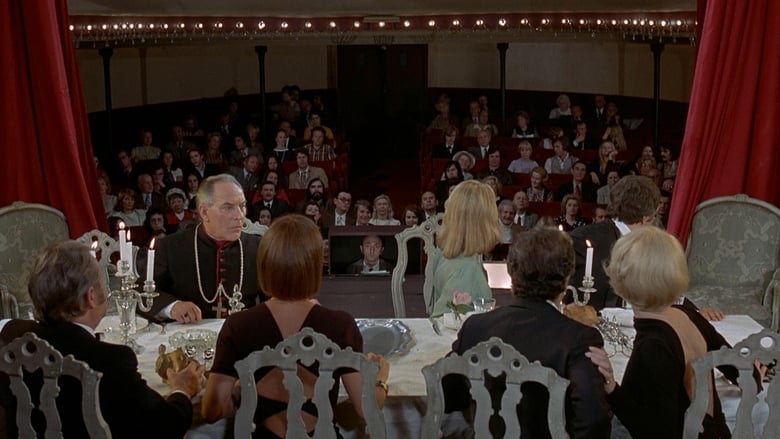
The Discreet Charm of the Bourgeoisie
1972
-
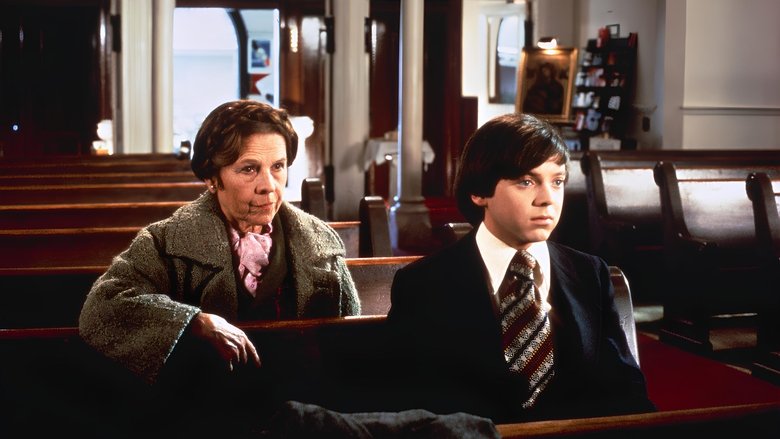
Harold and Maude
1971
-
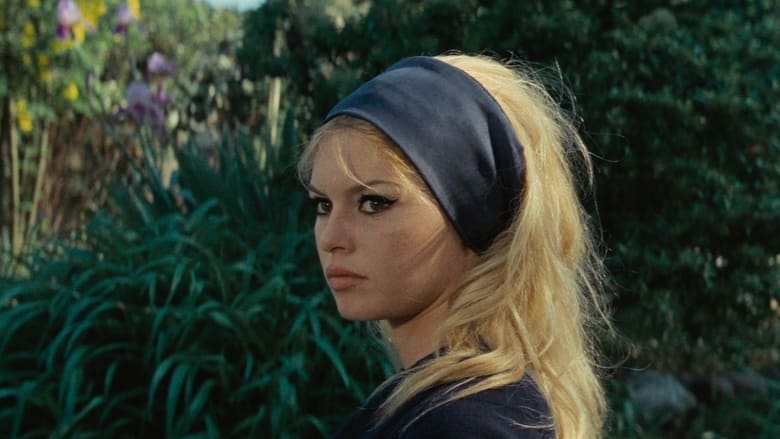
Contempt
1963
-
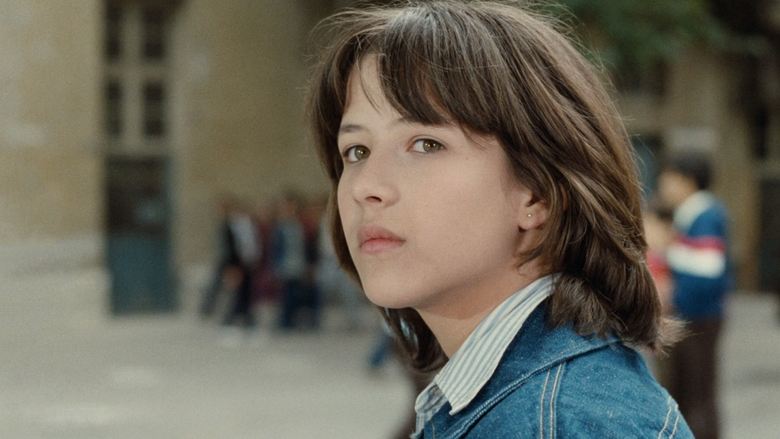
The Party
1980
-

The Big Blue
1988
-

The Hustler
1961
-
West Side Story
1961
-
Pierrot le Fou
1965
-
Days of Heaven
1978
-
Sophie's Choice
1982
-

Risky Business
1983
-
Starman
1984
-
Pretty in Pink
1986
-
Dangerous Liaisons
1988
-
Say Anything...
1989
-
The Leopard
1963
-
Doctor Zhivago
1965