Bonnie and Clyde
"They’re young… they’re in love… and they kill people."
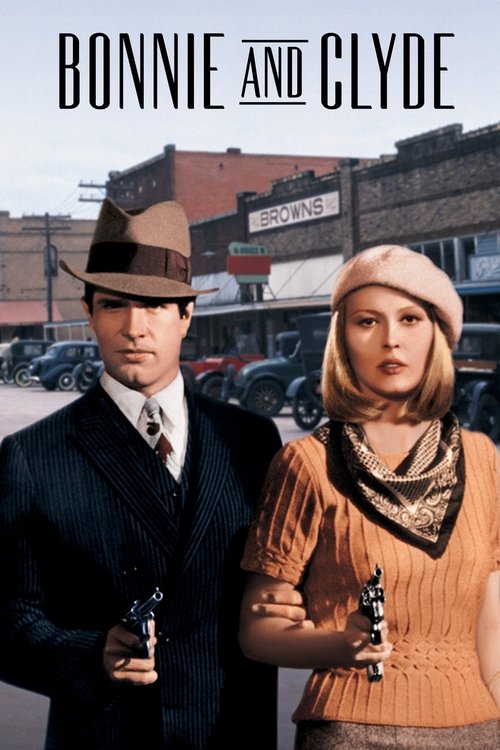
The first time I saw the ending of this movie, I was sitting on a sagging floral sofa in a basement, nursing a lukewarm Diet Coke and a slice of peach cobbler that had gone suspiciously gummy. When the screen finally cut to black after that final, rhythmic eruption of gunfire, I didn’t even finish the crust. I just sat there in the dark, wondering how a movie from the late sixties could make every modern action flick I’d seen feel like a sanitized Saturday morning cartoon.
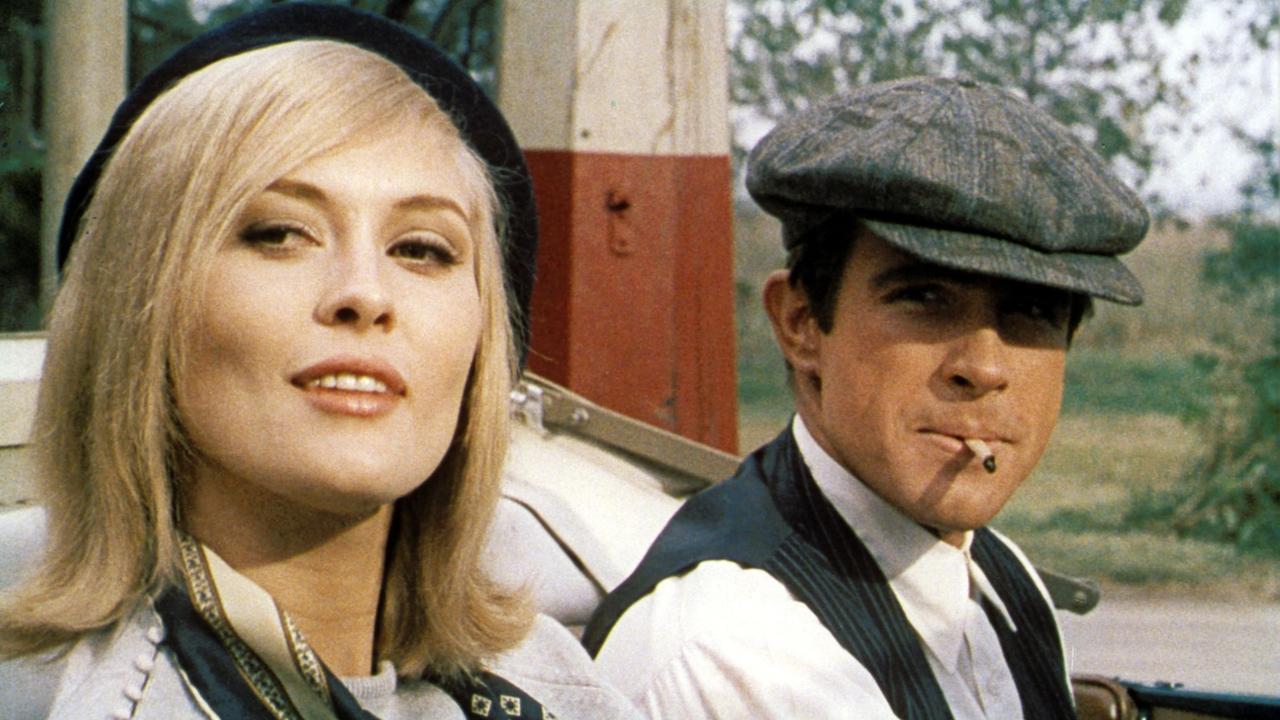
The Face of Boredom and the Birth of New Hollywood
Before the first bank is ever robbed, Bonnie and Clyde captures a very specific, humid kind of desperation. We meet Faye Dunaway as Bonnie Parker, and she isn’t a criminal mastermind; she’s just a bored waitress in a dusty Texas town who is tired of looking at her own reflection. When she spots Warren Beatty’s Clyde Barrow trying to boost her mother’s car, she doesn't call the cops. She goes for a walk with him.
There’s a restless, electric energy in these early scenes that signaled the end of the "Old Hollywood" era. The studio system was crumbling, the Hays Code (the set of industry moral guidelines that kept movies "clean") was gasping its last breath, and director Arthur Penn was standing over it with a shovel. You can feel the influence of the French New Wave here—the jittery editing, the tonal shifts between slapstick comedy and sudden, jarring brutality. It was a movie that refused to behave, much like the characters themselves. Bonnie Parker’s beret did more for the French fashion industry than any diplomat ever could, but beneath the style was a hollow, aching need for something—anything—to happen.
A Family Affair of Chaos
The film really finds its groove when the "Barrow Gang" starts to coalesce. Gene Hackman is a powerhouse as Buck, Clyde’s brother, bringing a boisterous, "good ol' boy" energy that makes the impending tragedy feel even heavier. Beside him is Estelle Parsons as Blanche, whose performance is famously polarizing. Personally, I find her indispensable; Estelle Parsons’ Blanche Barrow might be the most effective human air-raid siren in cinematic history, and her constant, high-pitched shrieking during the shootouts provides a frantic, realistic soundtrack to the chaos. It reminds you that these aren't cool action heroes; they are terrified people in over their heads.

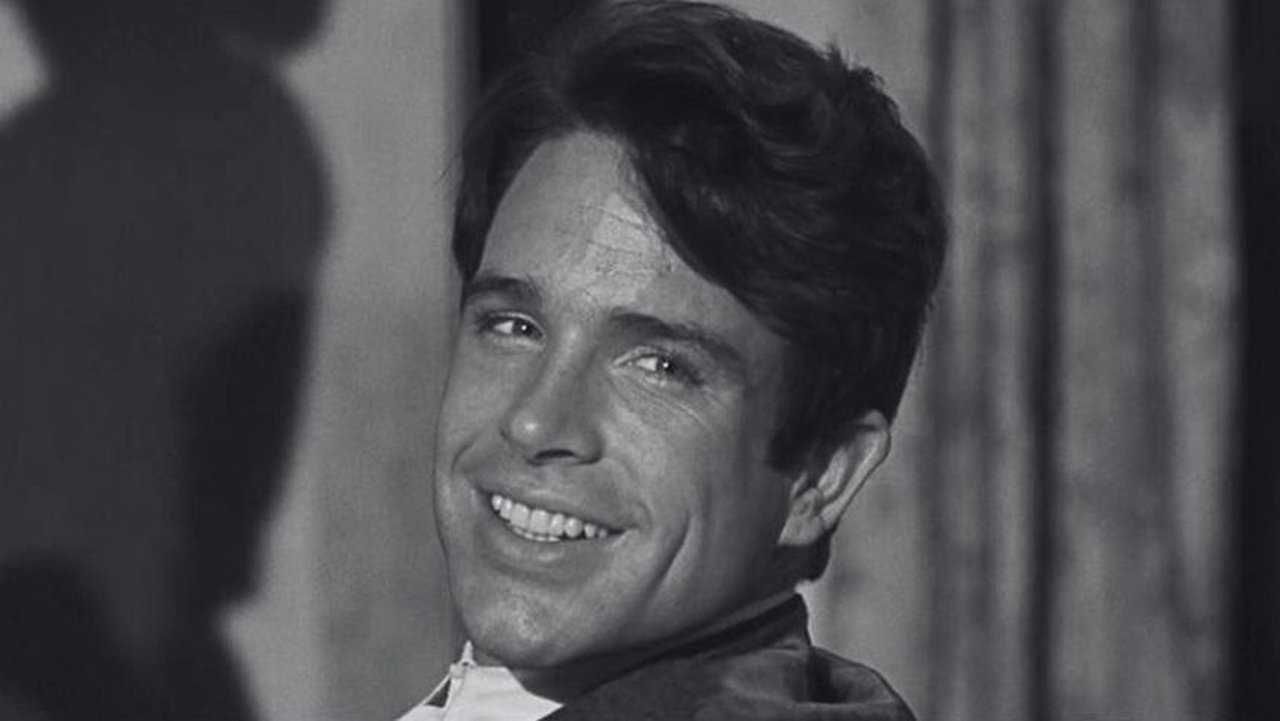
Then there’s Michael J. Pollard as C.W. Moss, the dim-witted gas station attendant who joins them. He brings a strange, almost childlike innocence to the group, which only makes the moral rot more uncomfortable. The screenplay by David Newman and Robert Benton makes a bold choice with Clyde, too. Warren Beatty plays him not as a suave lady-killer, but as a man struggling with impotence. It’s a brilliant subversion of the "outlaw" archetype. He can shoot a gun and rob a bank, but he can’t perform the one act that would actually connect him to the woman he loves. Their romance is built on fame and adrenaline rather than physical intimacy, which makes their eventual fate feel like the only way their "story" could ever truly end.
The Shot Heard 'Round the World
We have to talk about the violence. Before 1967, if you got shot in a movie, you usually just clutched your chest, groaned, and fell over with a clean shirt. Bonnie and Clyde changed the physics of cinema. Arthur Penn used multiple cameras at different speeds and a revolutionary use of "squibs" (small explosive charges used to simulate bullet hits) to make the gunfire feel tangible.
The climax of the film—the ambush—is still one of the most harrowing sequences ever put to film. It’s edited with a frantic, staccato rhythm that feels like a heart attack. It doesn't celebrate their death; it records a slaughter. It’s the moment the counter-culture rebellion of the 1960s met the cold, hard reality of the establishment. The film’s cinematographer, Burnett Guffey, captures the dusty, golden-hued Americana of the Depression era perfectly, making the sudden splashes of bright red blood look even more unnatural and shocking.
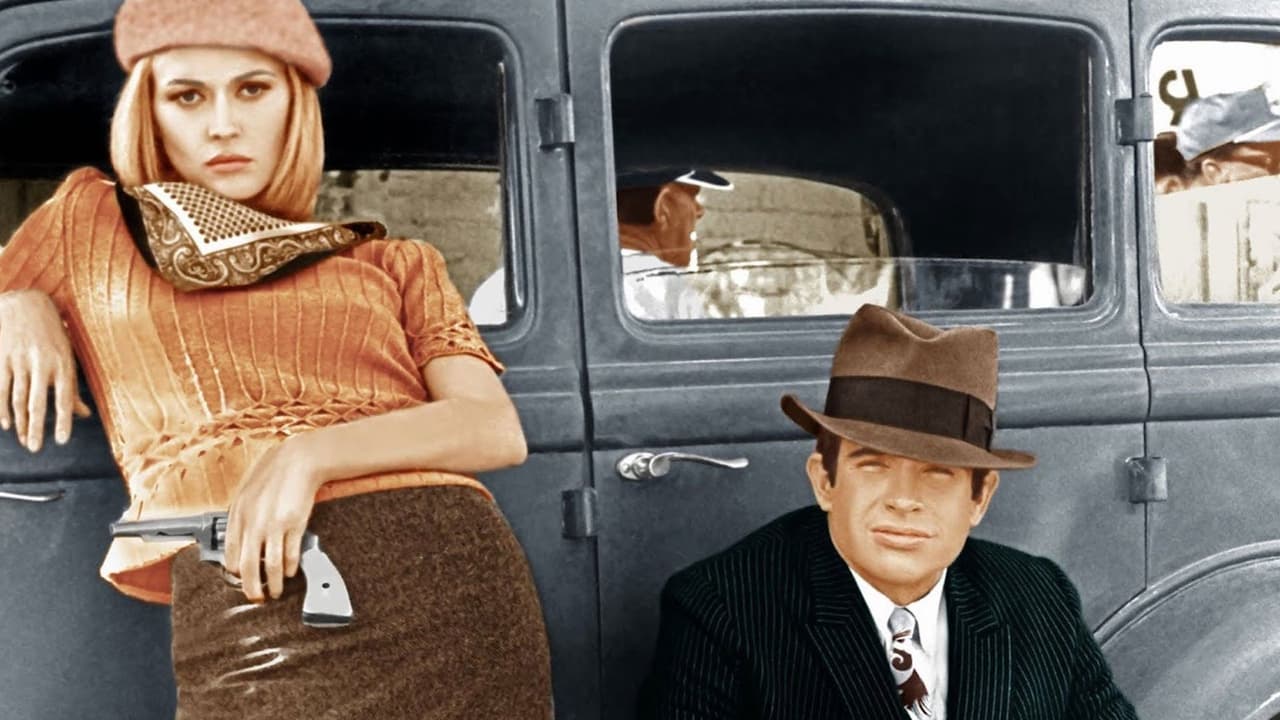
Interestingly, the film was almost buried by Warner Bros. because the executives hated it. They thought it was a mess. It was only because Warren Beatty (acting as producer) fought tooth and nail—reportedly even getting on his knees to beg Jack Warner for a proper release—that the movie found its audience. It became a rallying cry for a younger generation who felt just as alienated as Bonnie and Clyde, though hopefully with fewer bank robberies on their resumes.
This isn't just a "classic" you watch out of a sense of duty for film history; it’s a movie that still feels dangerous. It’s a character study wrapped in a road movie, topped off with a banjo-heavy score by Charles Strouse that stays in your head long after the smoke clears. Whether you’re a fan of Gene Hackman’s early grit or you just want to see the moment cinema grew up and got its hands dirty, Bonnie and Clyde is essential. It’s beautiful, it’s loud, and it still stings.

Keep Exploring...
-
Cool Hand Luke
1967
-
Blood Simple
1985
-
Le Samouraï
1967
-
West Side Story
1961
-
In the Heat of the Night
1967
-

Magnum Force
1973
-
Marathon Man
1976
-
The Outsiders
1983
-
Mississippi Burning
1988
-
Crimes and Misdemeanors
1989
-
High and Low
1963
-
Pierrot le Fou
1965
-
Butch Cassidy and the Sundance Kid
1969
-
Straw Dogs
1971
-
The Killer
1989
-
Deliverance
1972
-
Chinatown
1974
-
Mean Streets
1973
-
Serpico
1973
-
Badlands
1974