Cool Hand Luke
"A smile that breaks the system's back."
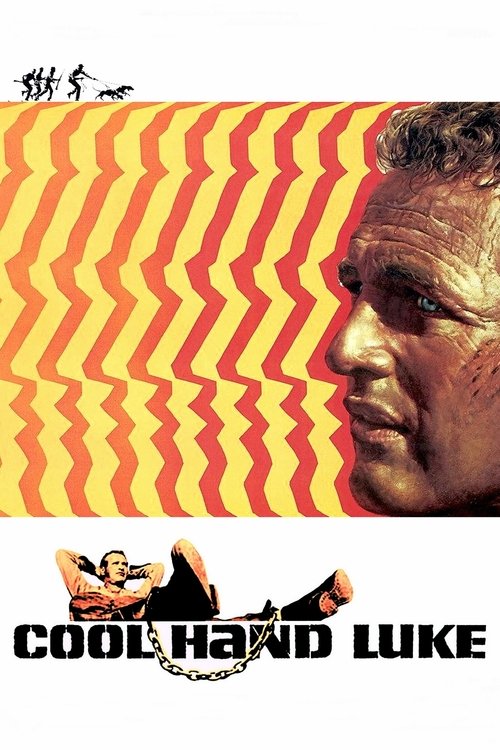
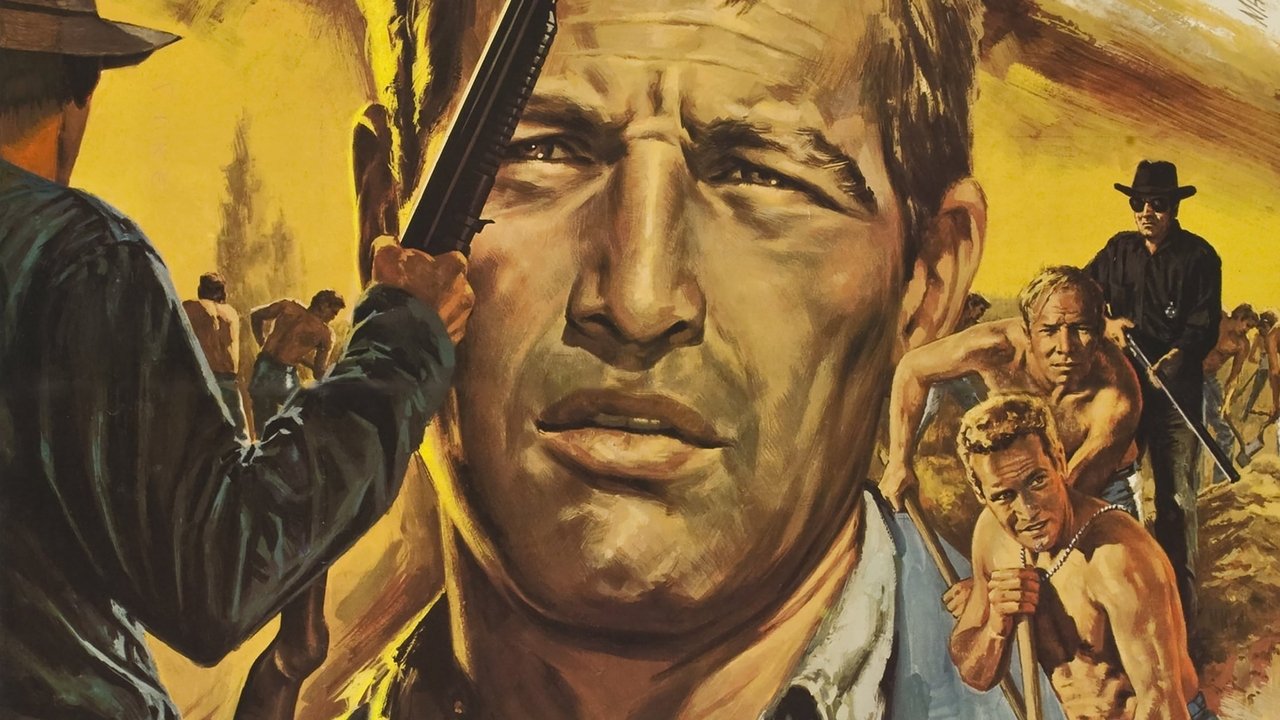
The sound of those parking meters being decapitated—a metallic, rhythmic clink-clink-clink—is the sound of a man deciding he’s had enough of the 20th century. When we first meet Luke Jackson, he isn’t a revolutionary or a martyr; he’s just a drunk guy with a pipe wrench and a smirk that looks like it was carved out of trouble. This isn't the noble, jaw-clenched rebellion of the 1950s. This is 1967, and the old Hollywood polish is melting away under a Florida sun that looks hot enough to blister the film reel itself.
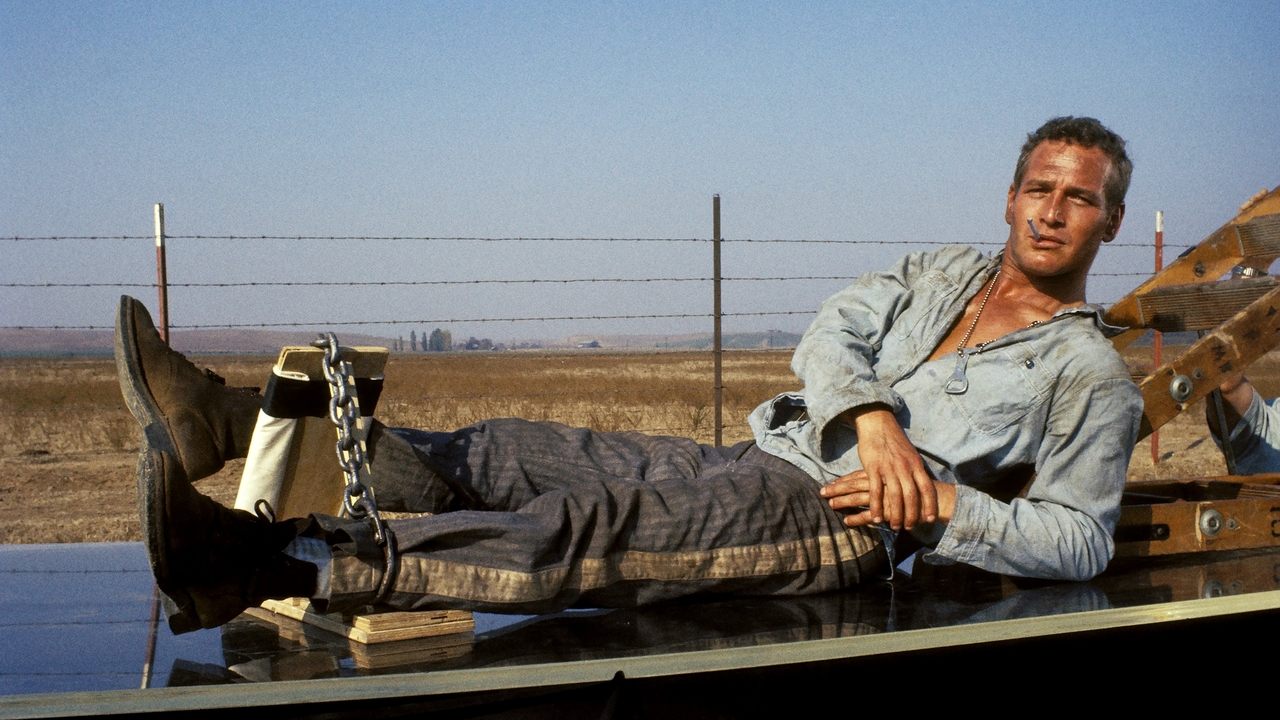
I recently rewatched this on a humid Tuesday evening while a single, persistent housefly kept landing on the top-left corner of my screen, and honestly, the extra layer of annoyance only made the prison farm atmosphere feel more authentic. You can almost smell the asphalt and the unwashed denim radiating off the screen. Paul Newman doesn't just play Luke; he inhabits the space between "cool" and "completely doomed" with a grace that few actors have ever touched.
The Anatomy of a Rebel
What strikes me every time is how the film refuses to give Luke a "why." We don't get a tragic backstory about a lost love or a misunderstood childhood. Luke is a war hero who simply cannot exist within the confines of a "system," whether that’s the military, a job, or a chain gang. Paul Newman (who had already cemented his "anti-hero" credentials in Hud) uses his eyes—those famous, piercing blues—to convey a terrifying vacuum. He’s empty, and he fills that emptiness with pure, uncut defiance.
But a rebel needs a foil, and George Kennedy as Dragline is arguably one of the greatest "heavy-turned-hype-man" performances in cinema history. Watching their relationship evolve from a brutal backyard boxing match to a genuine, albeit tragic, bromance is the heart of the movie. George Kennedy won an Oscar for this, and you can see why in the way he looks at Luke. He doesn't just respect him; he needs him to be the legend that the rest of the prisoners are too scared to be. The supporting cast is a "Who's Who" of gritty character actors, including a young, frantic Dennis Hopper and the eternally soulful Harry Dean Stanton, who brings a haunting, folk-music melancholy to the yard.
Sweat, Dust, and the Man with No Eyes
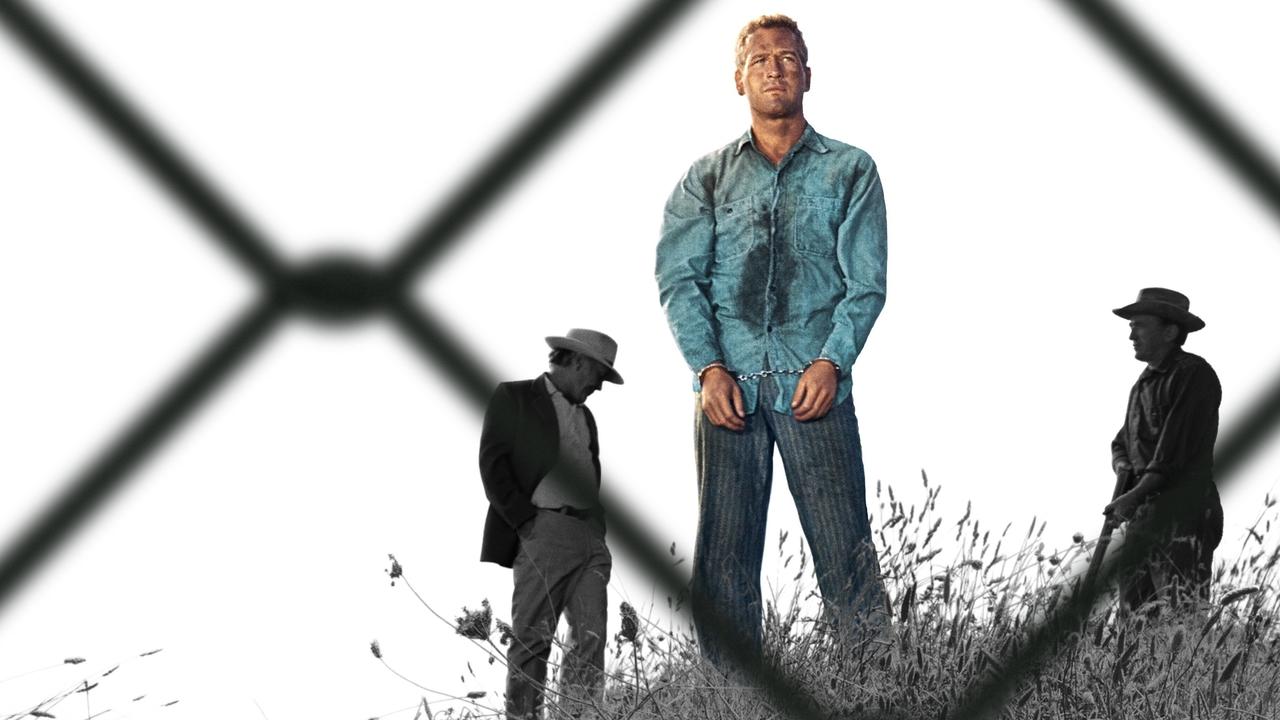
Director Stuart Rosenberg and cinematographer Conrad L. Hall (who also shot the gorgeous In Cold Blood the same year) leaned into the "New Hollywood" aesthetic by making everything feel tactile and oppressive. They used long lenses to compress the heat, making the air look thick. There’s a specific focus on the "Bosses," particularly Morgan Woodward as Boss Godfrey, the "Man with No Eyes." By keeping his mirrored sunglasses on and his mouth shut, the film transforms a low-level prison guard into an elemental force of nature. He isn't a man; he’s the gaze of the state, cold and unblinking.
The production design is so effective that you feel the physical toll of the "road gang" work. When the men are tasked with spreading hot tar at breakneck speed just to spite the guards, it’s one of the most exhilarating sequences in any drama. It’s a moment where labor becomes a weapon. However, the egg-eating scene is actually the most stressful horror sequence of the 1960s. I’ve seen slashers that didn't make me squirm as much as watching Newman shove that 50th hard-boiled egg into his mouth. It’s a grotesque, funny, and deeply weird bit of Americana that serves as a perfect metaphor for Luke’s life: he’ll take whatever the world throws at him, even if it kills him, just to prove he can.
A Failure to Communicate
As the film moves into its final act, the tone shifts from a gritty ensemble piece to something much more isolated and existential. The "Dark" modifier here isn't an exaggeration—the scenes involving "the box" (solitary confinement) are agonizing. We watch the guards systematically try to break Luke’s spirit, not through violence alone, but through the sheer exhaustion of pointless labor. "Get your dirt out of my hole," says Luke Askew as Boss Paul, forcing Luke to dig and refill the same plot of land until he collapses. It’s Sisyphus in a denim shirt.

There’s a heavy layer of Christian symbolism throughout—the "cross" pose Luke strikes on the table after the egg bet, the final prayer in the church—but it never feels like a Sunday school lesson. Instead, it feels like the story of a man looking for a God who has gone AWOL, leaving only the "Bosses" in charge. By the time we get to the legendary "What we've got here is failure to communicate" speech, delivered with chilling, soft-spoken malice by Strother Martin, the tragedy is already written in the dust.
Interestingly, Strother Martin was actually quite nervous about that line, fearing it was too "intellectual" for a Southern warden. It turns out that his high-pitched, almost polite delivery made it ten times more terrifying than a standard shout.
Cool Hand Luke is the quintessential "Loneliness of the Long-Distance Rebel" movie. It’s a film that captured the shifting gears of the 1960s, moving away from the black-and-white morality of the past into a world where the "hero" is just the guy who refuses to say "Uncle." It’s sweat-soaked, beautifully acted, and carries a sting in its tail that stays with you long after the credits roll. If you’ve only ever seen the parodies or heard the quotes, do yourself a favor and watch the real thing. It’s a masterclass in how to tell a story about the human spirit without ever getting sentimental. Newman’s final smile is the ultimate middle finger to every "Boss" who ever lived.
Keep Exploring...
-
Butch Cassidy and the Sundance Kid
1969
-
Bonnie and Clyde
1967
-
Dog Day Afternoon
1975
-
Blood Simple
1985
-
Le Samouraï
1967
-
The Sting
1973
-
West Side Story
1961
-
In the Heat of the Night
1967
-

Magnum Force
1973
-
Marathon Man
1976
-
The Outsiders
1983
-
Mississippi Burning
1988
-
Crimes and Misdemeanors
1989
-
High and Low
1963
-
Pierrot le Fou
1965
-
Straw Dogs
1971
-
The Godfather
1972
-
The Killer
1989
-
Deliverance
1972
-
Mean Streets
1973