Guess Who's Coming to Dinner
"The guest list that changed American cinema forever."
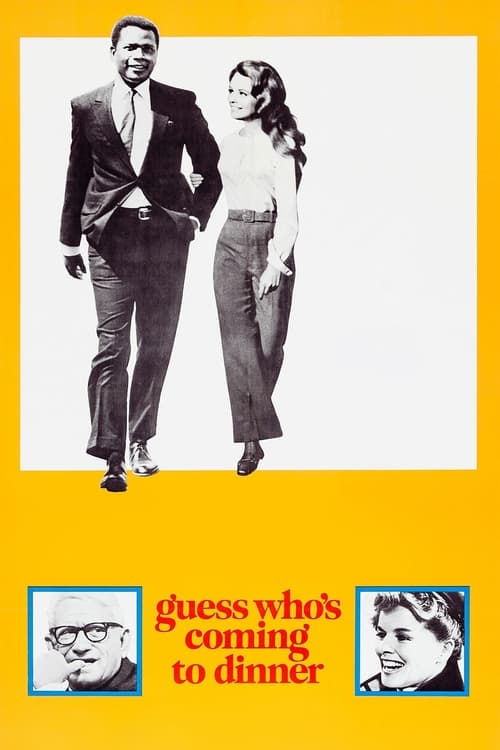
In June 1967, the U.S. Supreme Court finally struck down laws banning interracial marriage in Loving v. Virginia. Six months later, Columbia Pictures released a film that felt less like a legal victory and more like a polite, albeit high-stakes, ambush of the American psyche. I watched this on a rainy Tuesday while trying to ignore a stack of unpaid parking tickets, which somehow made Matt Drayton’s middle-class anxieties feel strangely relatable. It is a movie that functions like a ticking clock—90% of the runtime is spent in a single house, and yet it feels more explosive than most of the blockbusters that would follow it into the 70s.
The Perfection of the Problem
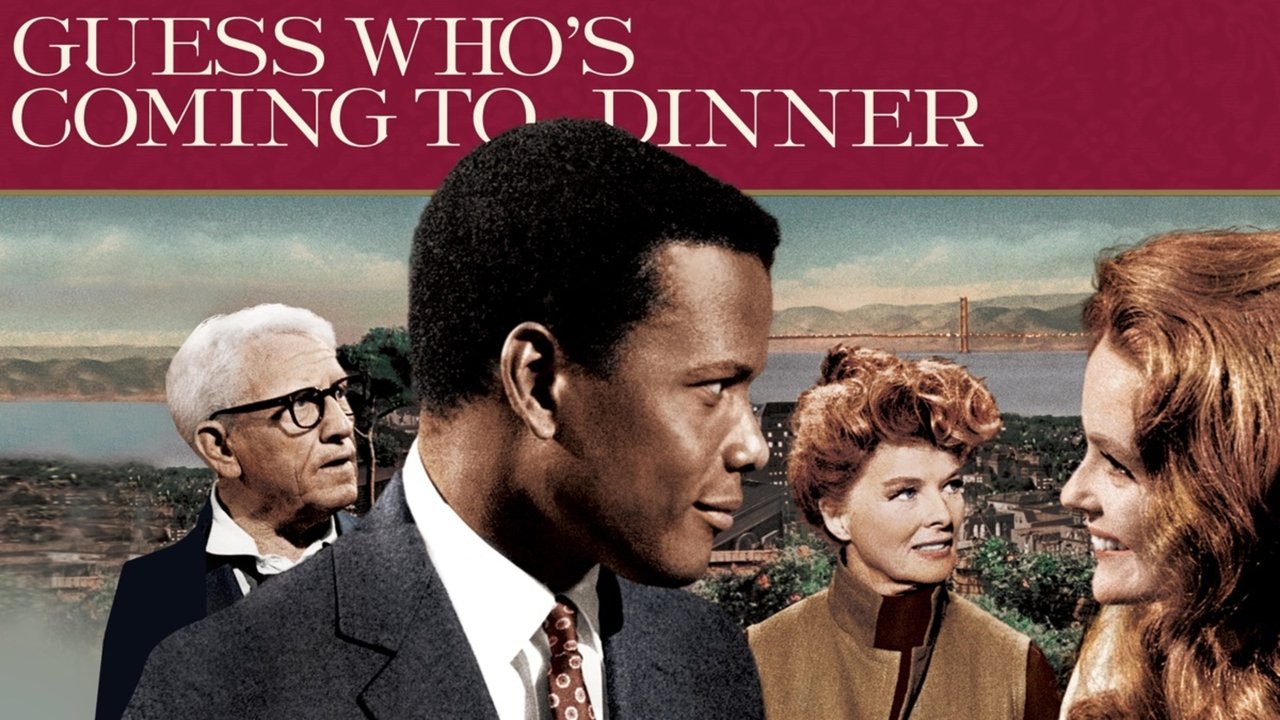
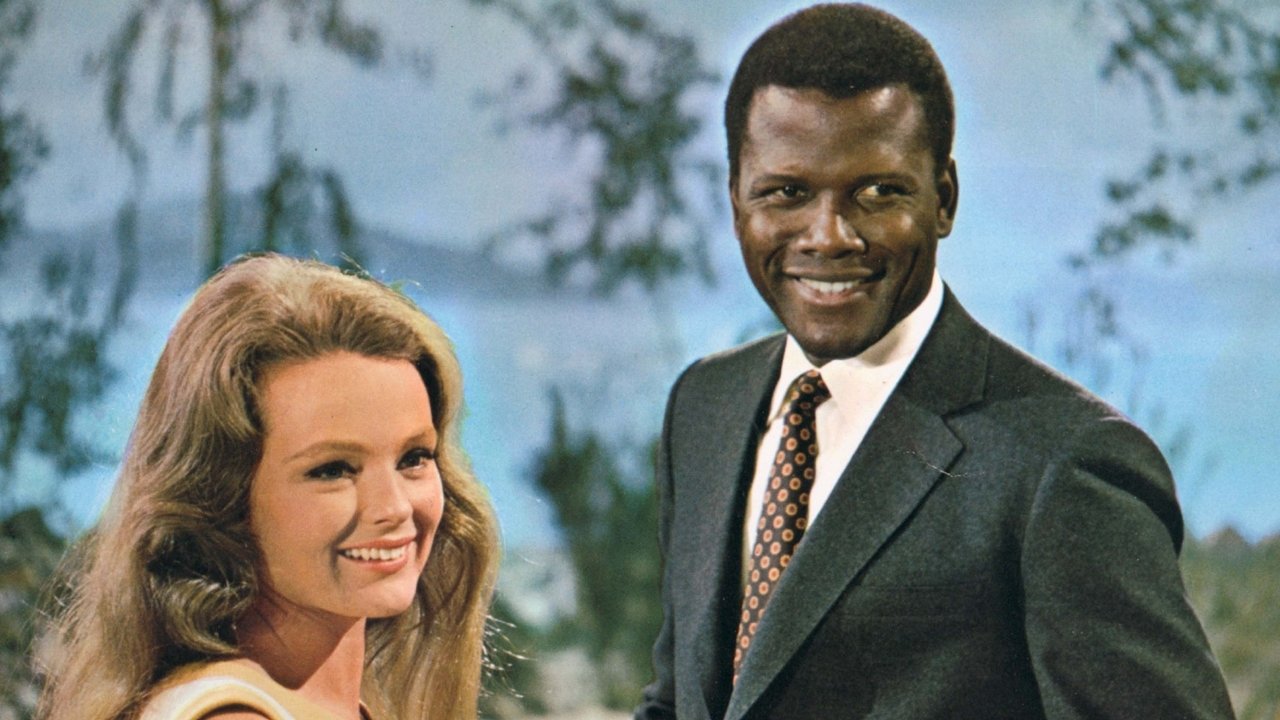
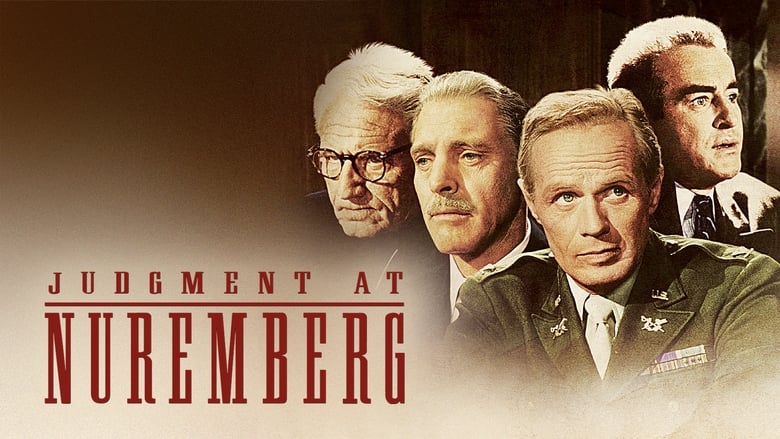
Director Stanley Kramer was never a man for subtlety. He was the king of the "social issue" film, having already tackled evolution in Inherit the Wind (1960) and the Holocaust in Judgment at Nuremberg (1961). With Guess Who’s Coming to Dinner, he and writer William Rose set a very specific trap. They didn't just give us a "good" suitor; they gave us Dr. John Prentice, played by the incomparable Sidney Poitier.
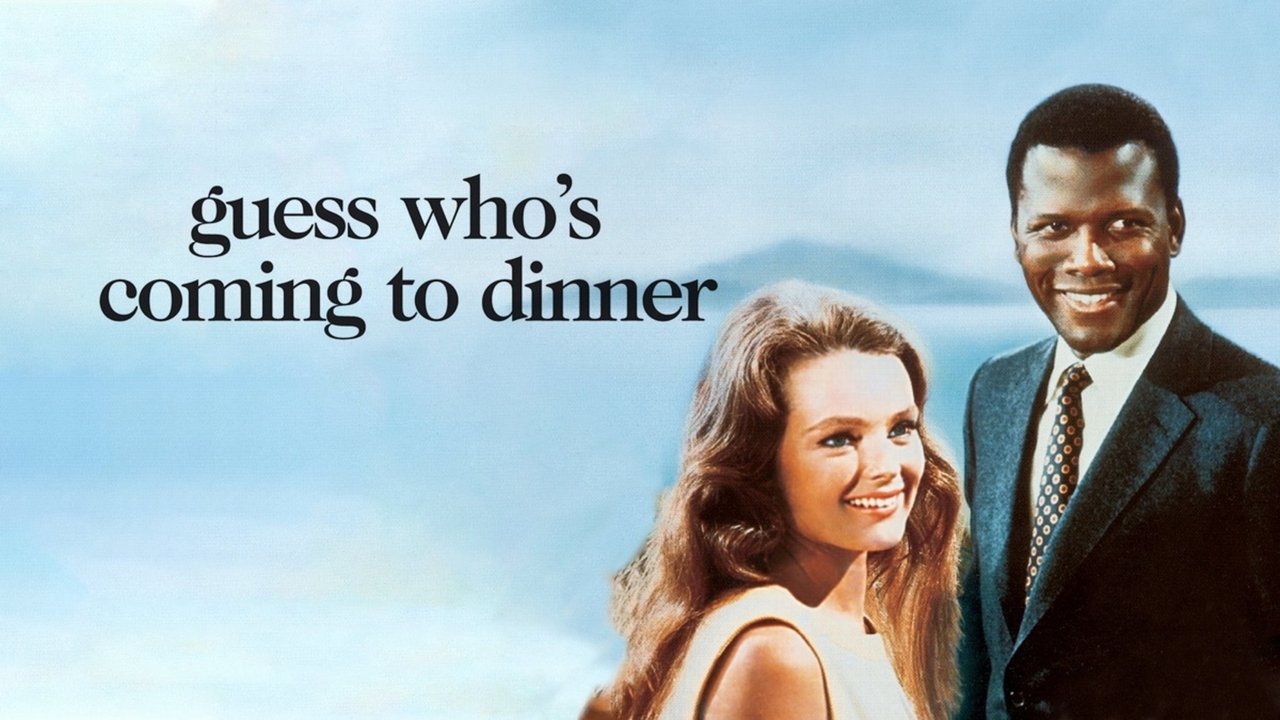
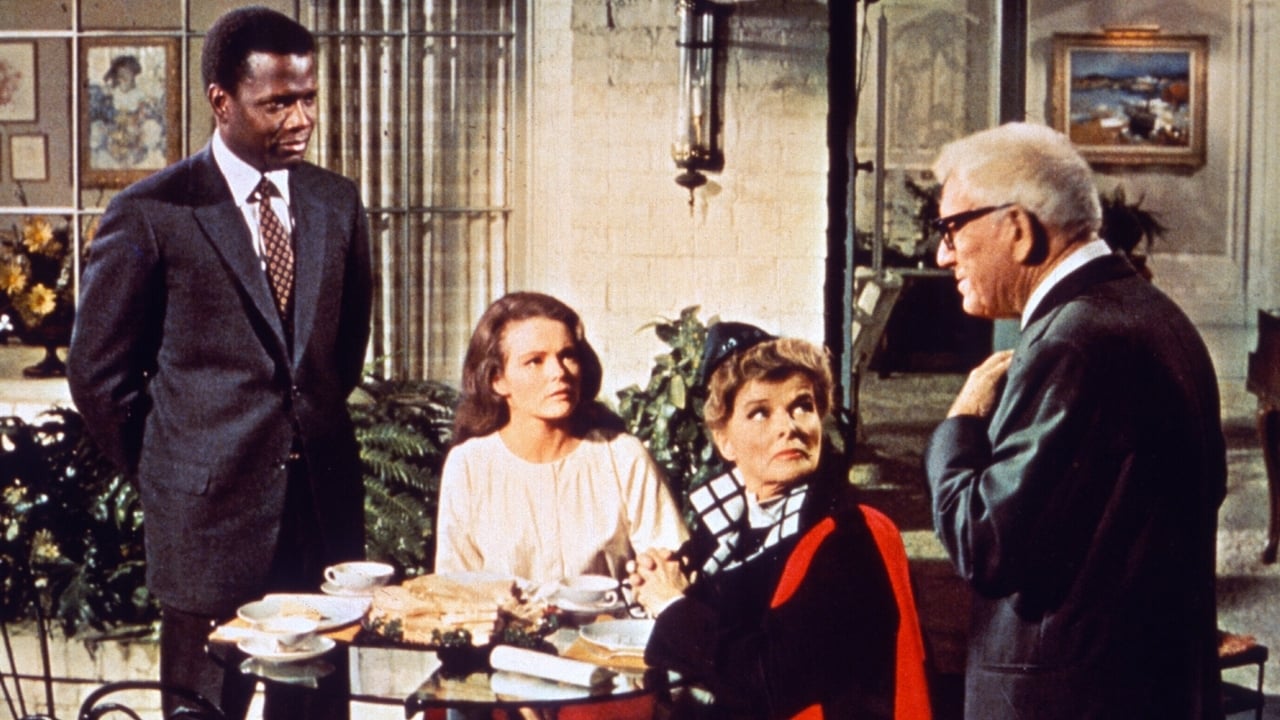
Prentice is a widower, an associate director of the World Health Organization, and a man of such blinding integrity and intelligence that he makes the rest of the human race look like a collective of unwashed toddlers. This was a deliberate, cerebral move by Kramer. By making John "too perfect," the film strips away every possible objection the parents could have except for the color of his skin. It forces the audience—and the characters—to stare directly into the sun of their own prejudice. Joanna "Joey" Drayton is basically a sentient ray of sunshine with the self-preservation of a lemming, played by Katharine Houghton (who was Katharine Hepburn’s real-life niece), and her relentless optimism acts as the catalyst that turns a quiet home into a philosophical boxing ring.
A Masterclass in the "Slow Burn"
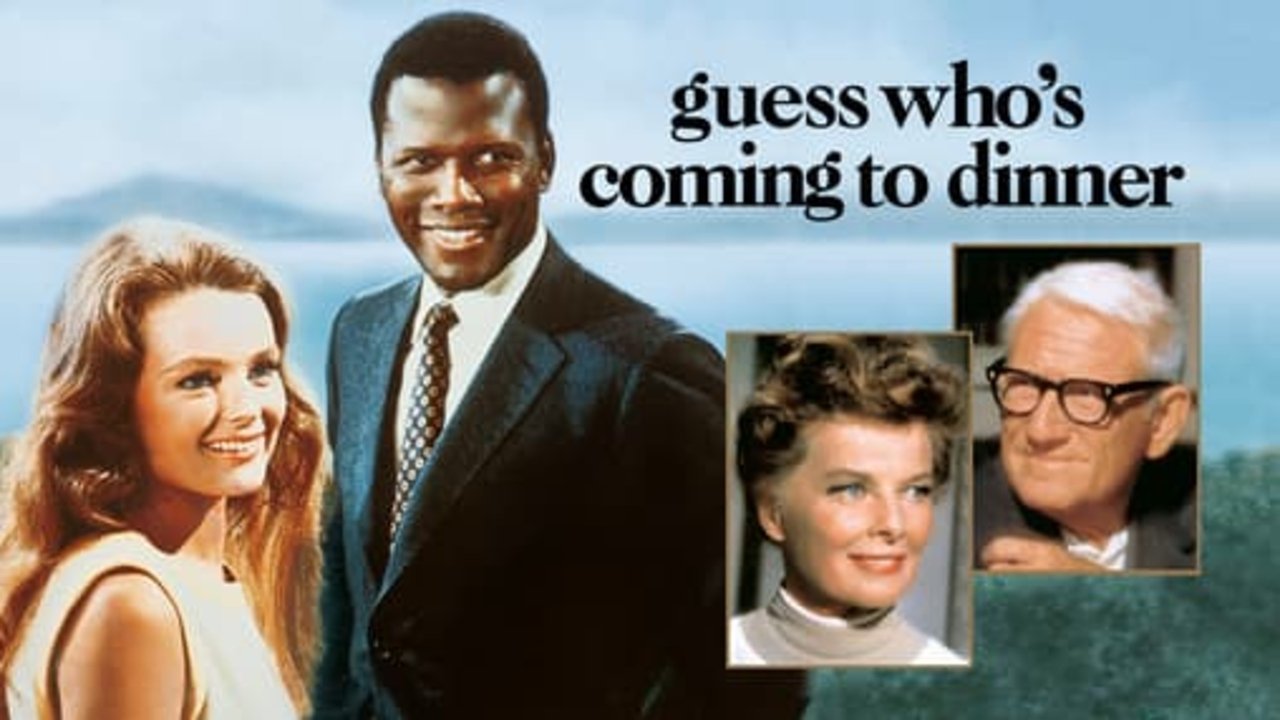
While the film is famous for its social impact, I found myself increasingly mesmerized by the quiet technical mastery of the acting. This was the ninth and final collaboration between Spencer Tracy and Katharine Hepburn, and the chemistry is so lived-in it feels like looking through someone's living room window. Tracy, playing the "liberal" newspaper editor Matt Drayton, gives a performance that is agonizingly human. He’s a man who has spent his life fighting for the "right" causes, only to find that his principles feel much heavier when they’re sitting across from him at the dinner table.
The way Hepburn watches him—her eyes often brimming with actual tears—isn't just acting. Tracy was dying during the shoot. He was so ill that he could only work a few hours a day, and the insurance companies refused to cover him. In a move that defines "indie spirit" within a studio system, Kramer and Hepburn actually put their own salaries into escrow as a guarantee so the film could be finished if Tracy passed away. He died just 17 days after filming his final scene. When you watch his climactic seven-minute monologue about love and memory, you aren't just watching Matt Drayton; you’re watching one of the titans of the Golden Age give his final testament to the woman he loved.
The Echoes of the Era
It’s fascinating to look at this through the lens of the late 60s transition. We’re standing right on the edge of the New Hollywood revolution. The year 1967 also gave us The Graduate and Bonnie and Clyde, films that were tearing down the walls with grit and handheld cameras. Guess Who’s Coming to Dinner is, by comparison, very traditional. It’s colorful, it’s polished, and the score by Frank De Vol feels like a warm hug from a simpler time.
But beneath that glossy surface, the film is doing some heavy lifting. The most interesting intellectual friction comes from the parents of the groom, specifically Beah Richards as Mrs. Prentice. Her brief conversation with Tracy about how "old men forget what it's like to be in love" is arguably the philosophical heart of the movie. It shifts the debate from a racial one to a generational one. The most revolutionary thing about the movie isn't the marriage, it's the fact that they actually let the black maid have an opinion, even if it’s a grumpy one. The character of Tillie (played by Isabell Sanford) offers a complex look at internalized bias that still sparks debate today.
I think it’s easy to dismiss this film as "dated" because the world has changed so much, but that’s a mistake. The dialogue is sharp, the pacing is theatrical but never boring, and the central question—how do we react when our comfortable beliefs are actually tested?—is evergreen. It’s a film that asks us to be better than our fears, wrapped in the guise of a polite comedy of manners. Whether you're here for the historical significance or just to see Sidney Poitier be the coolest man on the planet, it’s a dinner party you shouldn't skip.
Keep Exploring...
-
Judgment at Nuremberg
1961
-
The Apartment
1960
-
Annie Hall
1977
-
Harold and Maude
1971
-
Wings of Desire
1987
-
Cabaret
1972
-

The Sound of Music
1965
-

Midnight Cowboy
1969
-
Breakfast at Tiffany's
1961
-

The Hustler
1961
-
Contempt
1963
-

The Umbrellas of Cherbourg
1964
-
Pierrot le Fou
1965
-
Last Tango in Paris
1972
-
Jules and Jim
1962
-
La Jetée
1962
-
Badlands
1974
-
Manhattan
1979
-
The Holy Mountain
1973
-
Network
1976