In the Heat of the Night
"In Sparta, the truth is the most dangerous weapon."
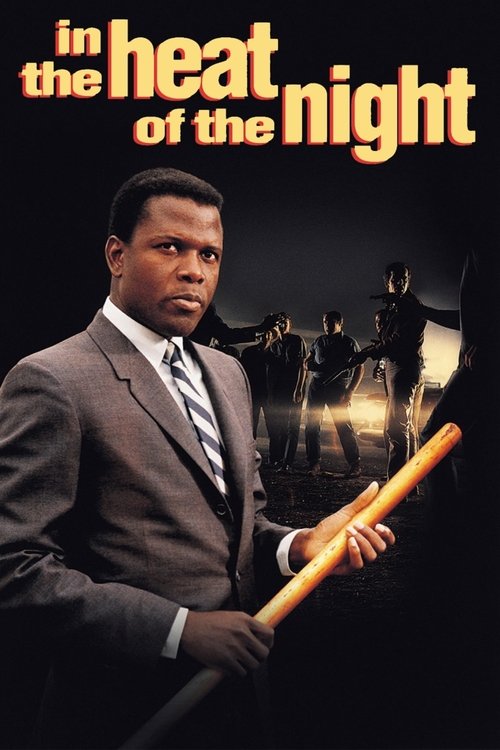
The silence of Sparta’s train station at midnight isn’t peaceful; it’s a physical weight, a humid blanket that smells of stale tobacco and impending violence. When Virgil Tibbs sits on that bench, waiting for a connection, he isn’t just a traveler; he’s a catalyst for a chemical reaction this town isn’t prepared to survive. I watched this most recently on a tablet while my kitchen faucet was rhythmically dripping in the next room, and that steady tink-tink-tink weirdly synchronized with the ticking-clock tension of the opening act, making the inevitable explosion of racial animosity feel even more claustrophobic.

The Humidity You Can Taste
While the 1960s were gasping their final breaths, Norman Jewison (who would later give us the vastly different Moonstruck) delivered a film that felt less like a studio product and more like an emergency broadcast. Despite its United Artists backing, In the Heat of the Night carries the scrappy, dangerous energy of an independent production. With a budget of just $2 million—roughly the price of a single elaborate set in a contemporary Cleopatra-style epic—it relied on the sheer, unadulterated friction between its leads to generate heat.
The film looks and feels "sweaty." That’s the genius of cinematographer Haskell Wexler, who also lensed the gritty Who's Afraid of Virginia Woolf?. He captures the Southern heat not as a setting, but as an antagonist. You can practically feel the grit under your fingernails as the camera lingers on the sheen of perspiration on Rod Steiger’s forehead. It’s a masterclass in atmospheric pressure; the environment is so oppressive that you understand, even before a word is spoken, why everyone is so damn angry.
A Collision of Acting Titans
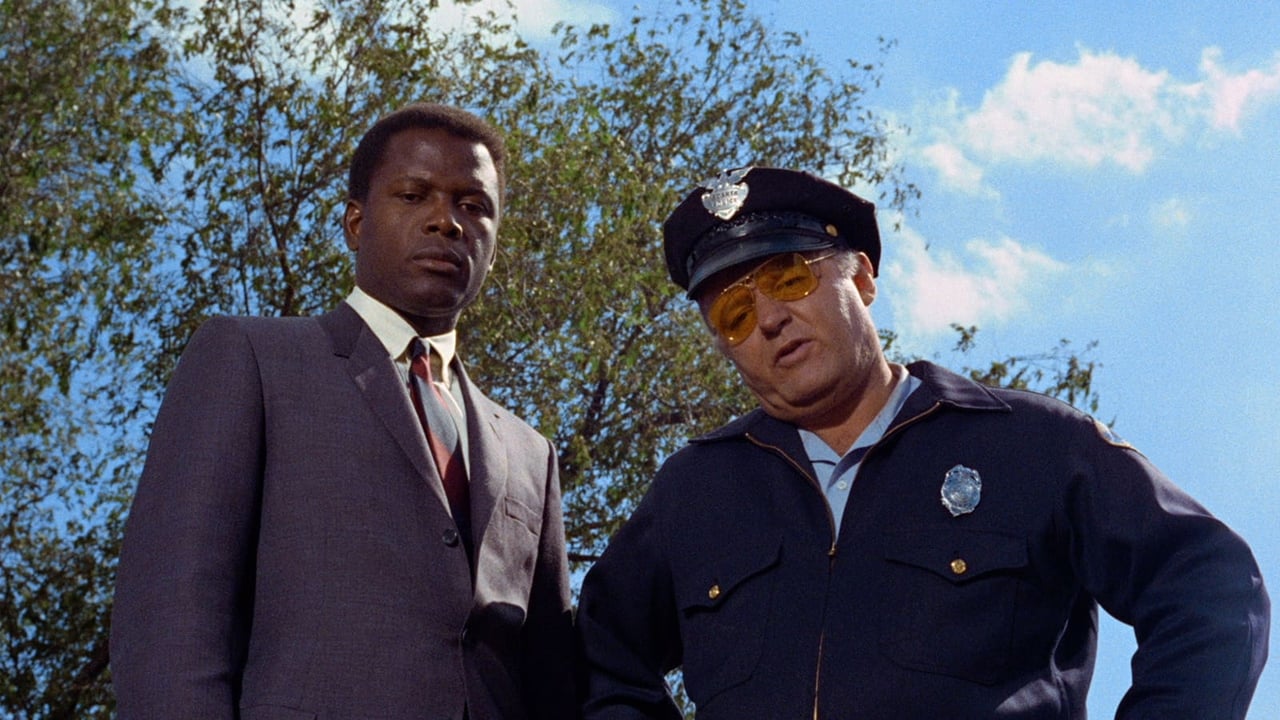
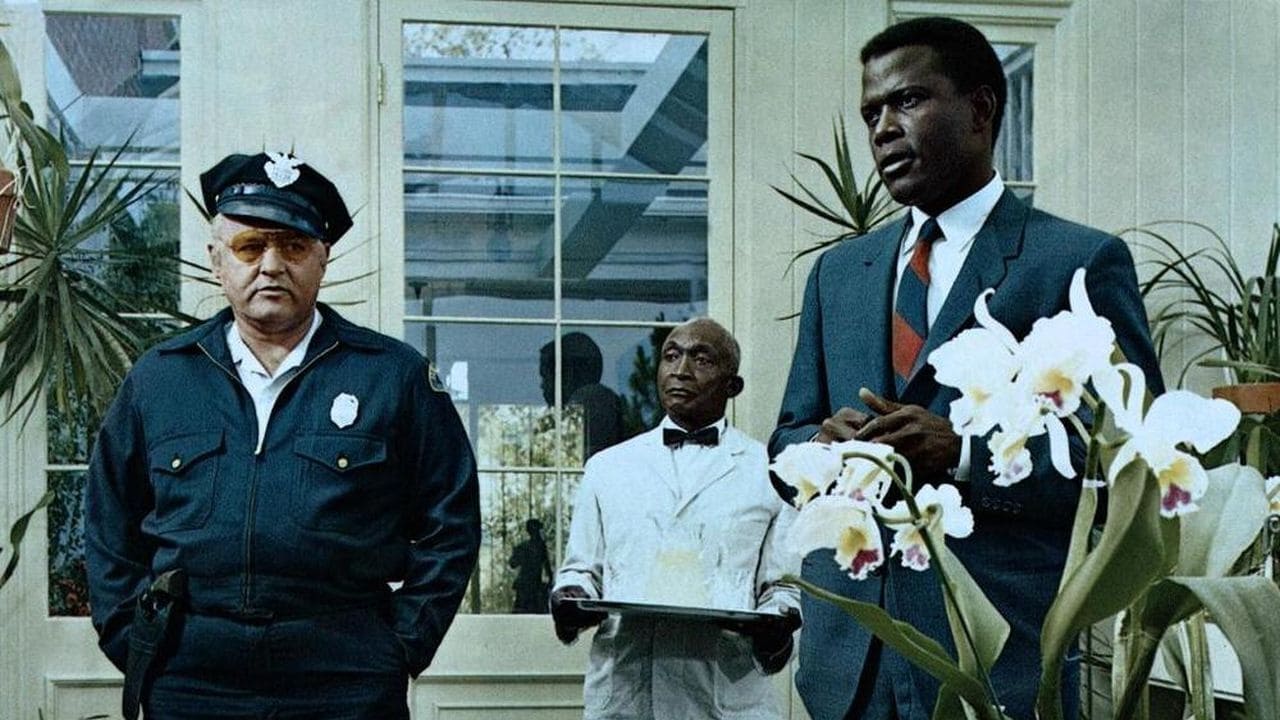
At the heart of the storm is the dynamic between Sidney Poitier and Rod Steiger. This isn't just "good acting"; it’s a heavyweight bout where neither fighter is willing to go down. Poitier as Virgil Tibbs is a marvel of restrained fury. He moves with a surgical precision that stands in stark contrast to the sloppy, gum-chewing chaos of Steiger’s Chief Bill Gillespie. Steiger’s chewing is essentially a supporting character that deserves its own Oscar, representing a man trying to masticate his own burgeoning realization that he is wildly outclassed by the "boy" he just arrested.
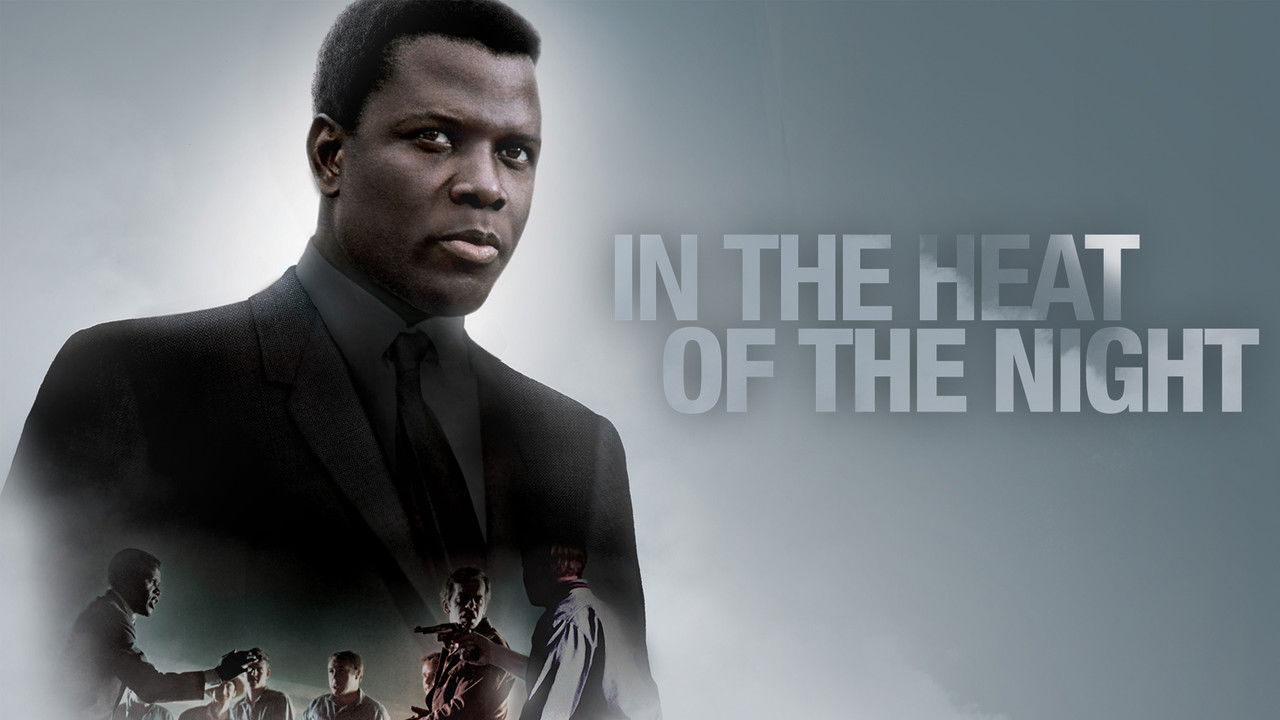
What I love about their relationship is that it refuses to offer the easy, sentimental "we’re all the same deep down" resolution that plagued lesser message movies of the era. They don't become best friends; they become reluctant professionals. Steiger plays Gillespie as a man whose bigotry is intertwined with his incompetence, while Poitier gives Tibbs a sense of intellectual superiority that he uses as both a shield and a weapon. Watching them navigate a murder investigation involving a dead industrialist and a town full of suspects like Warren Oates’ creepy Deputy Sam Wood or Anthony James’ twitchy Ralph is like watching two people try to defuse a bomb while the townspeople throw matches at them.
The Slap Heard 'Round the World
We have to talk about the scene at the Endicott estate. When the wealthy white patriarch slaps Tibbs, and Tibbs immediately slaps him back, it wasn’t just a plot point—it was a seismic shift in American cinema. In the original script, Tibbs didn't strike back, but Poitier famously insisted on the change, refusing to do the film otherwise. It remains one of the most satisfying moments in film history because it isn't "movie violence"; it’s a demand for dignity.
The film also benefits immensely from Quincy Jones’ score. It’s bluesy, funky, and occasionally dissonant, perfectly capturing the transition from the polished sounds of Old Hollywood to the jagged, experimental vibes of the New Hollywood era. It doesn't tell you how to feel; it just heightens the anxiety.
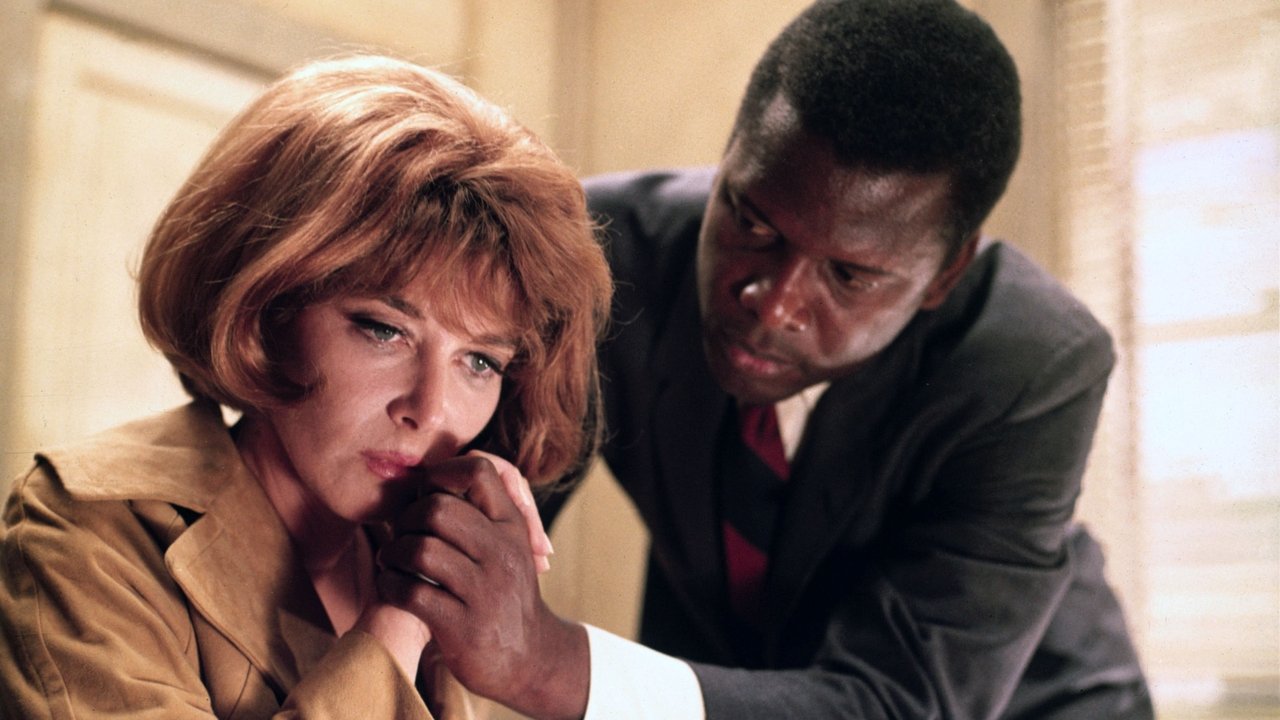
Production-wise, the film’s "indie" spirit was born of necessity. Because of the volatile racial climate of 1967, Poitier—understandably—refused to film in the actual South after being harassed by the KKK during a previous trip to Mississippi. Consequently, this quintessential "Southern" film was largely shot in Sparta, Illinois. The crew had to paint the grass and change the foliage to make the Midwest look like the Mississippi Delta. It’s a testament to the production design that you’d never know; the sense of place is so vivid you’ll find yourself reaching for a glass of iced tea just to cope with the onscreen humidity.
In the Heat of the Night is the rare "socially conscious" film that works better as a gritty crime thriller than a lecture. It swept the Oscars, beating out the more avant-garde The Graduate and Bonnie and Clyde, and while those films were arguably more "hip," Jewison’s film had the rawest nerves. It captures a moment in time where the old guard was failing and the new world was arriving with a badge and a bone to pick. It’s a film that demands your attention and, decades later, still refuses to let go of your collar.
Keep Exploring...
-
Blow-Up
1966
-
Straw Dogs
1971
-
Chinatown
1974
-
Mississippi Burning
1988
-

The Conversation
1974
-
Murder on the Orient Express
1974
-
What Ever Happened to Baby Jane?
1962
-
Dirty Harry
1971
-
Badlands
1974
-
Dog Day Afternoon
1975
-
Blood Simple
1985
-
Le Samouraï
1967
-
High and Low
1963
-
Pierrot le Fou
1965
-

Repulsion
1965
-
Fist of Fury
1972
-
The Poseidon Adventure
1972
-
All the President's Men
1976
-
Marathon Man
1976
-

Murder by Death
1976