Le Samouraï
"Precision is a lonely business."

The film begins not with a bang, but with a puff of smoke and a lie. A quote from the Bushido—the code of the samurai—appears on the screen, detailing the devastating loneliness of the warrior. It’s a beautiful, evocative sentiment, and Jean-Pierre Melville completely made it up. That’s your first clue into the world of Jef Costello: everything is a meticulously constructed facade, a layer of armor designed to protect a man who has already checked out of the human race.
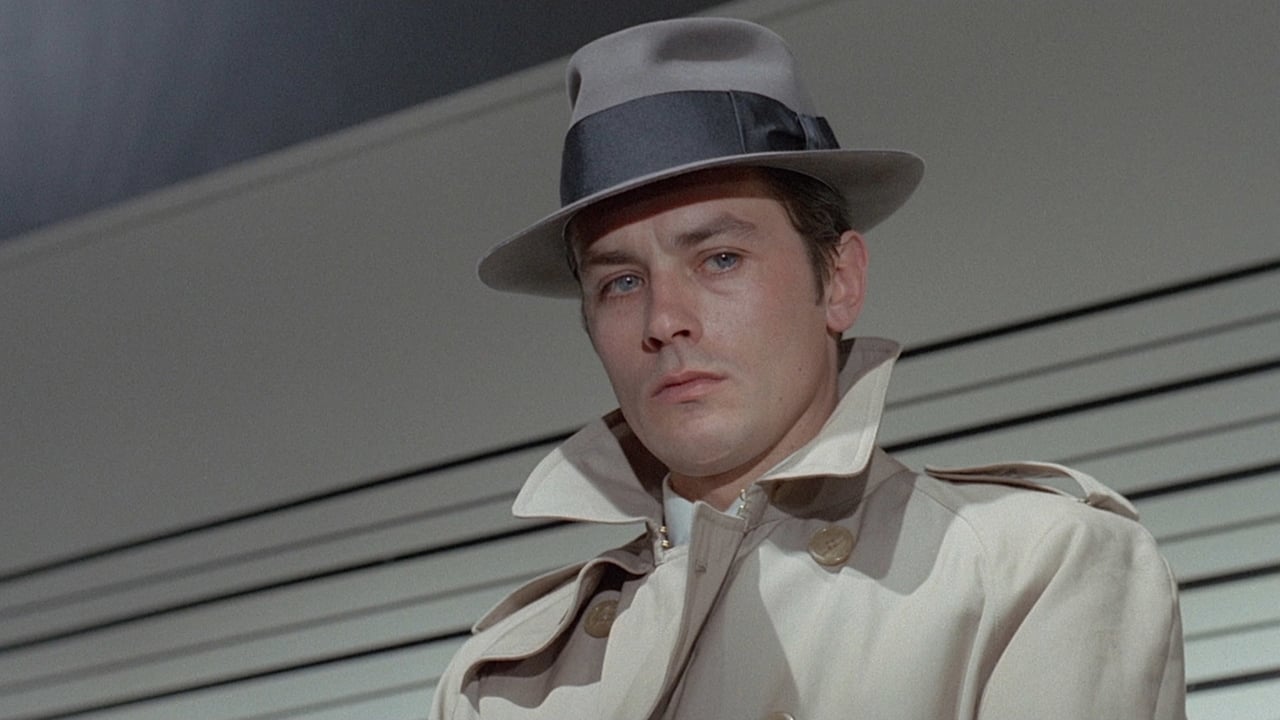
I first watched this on a rainy Tuesday while trying to fix a leaky faucet with duct tape, and Alain Delon’s surgical competence made me feel like a total amateur. There is a specific kind of "cool" that exists only in French cinema of the late 1960s, a transition period where the glossy artifice of the Golden Age was being strangled by the gritty, existential cynicism of the New Wave. Le Samouraï is the peak of that collision. It’s a film that doesn't just ask for your attention; it demands your silence.
The Architecture of Silence
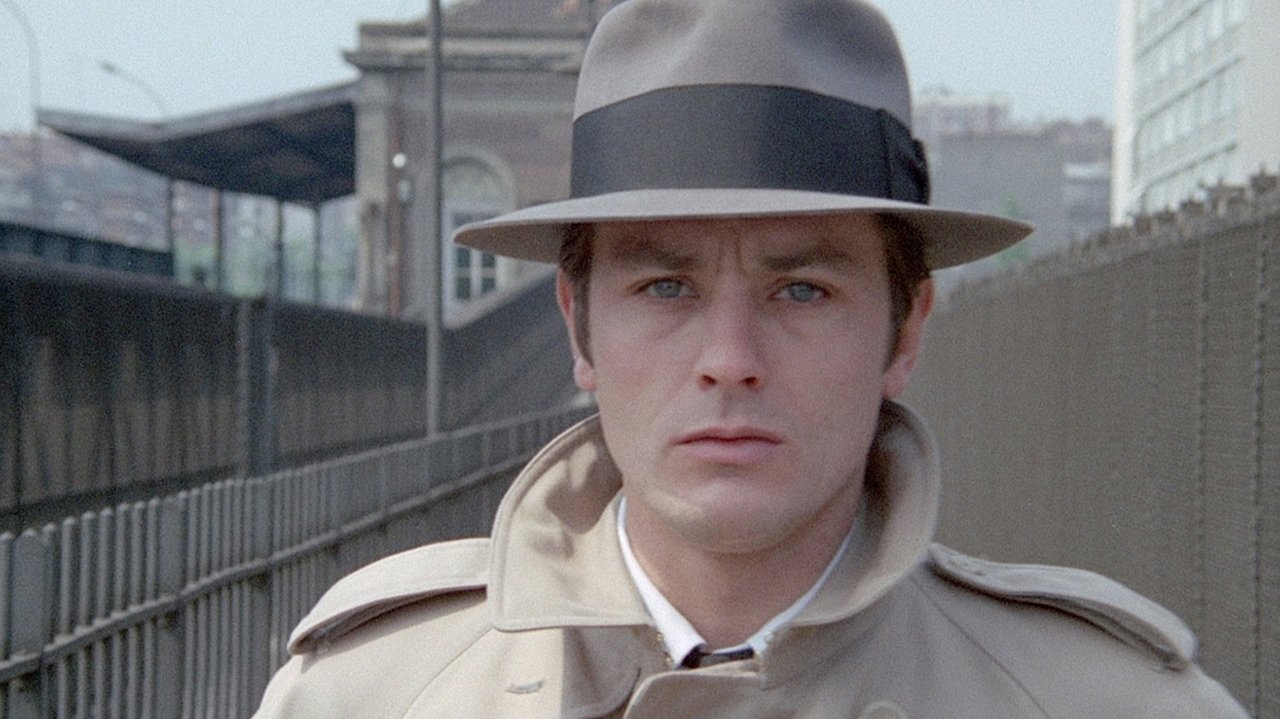
Alain Delon is Jef Costello, a contract killer who lives in a room that looks like a high-end monk’s cell. He has no books, no photos, just a caged bird and a bottle of mineral water. When he prepares for a hit, he doesn't check his pulse; he checks the brim of his fedora. The ritual is everything. Melville directs these opening sequences with a rhythmic, hypnotic pace that feels like watching a master clockmaker at work.
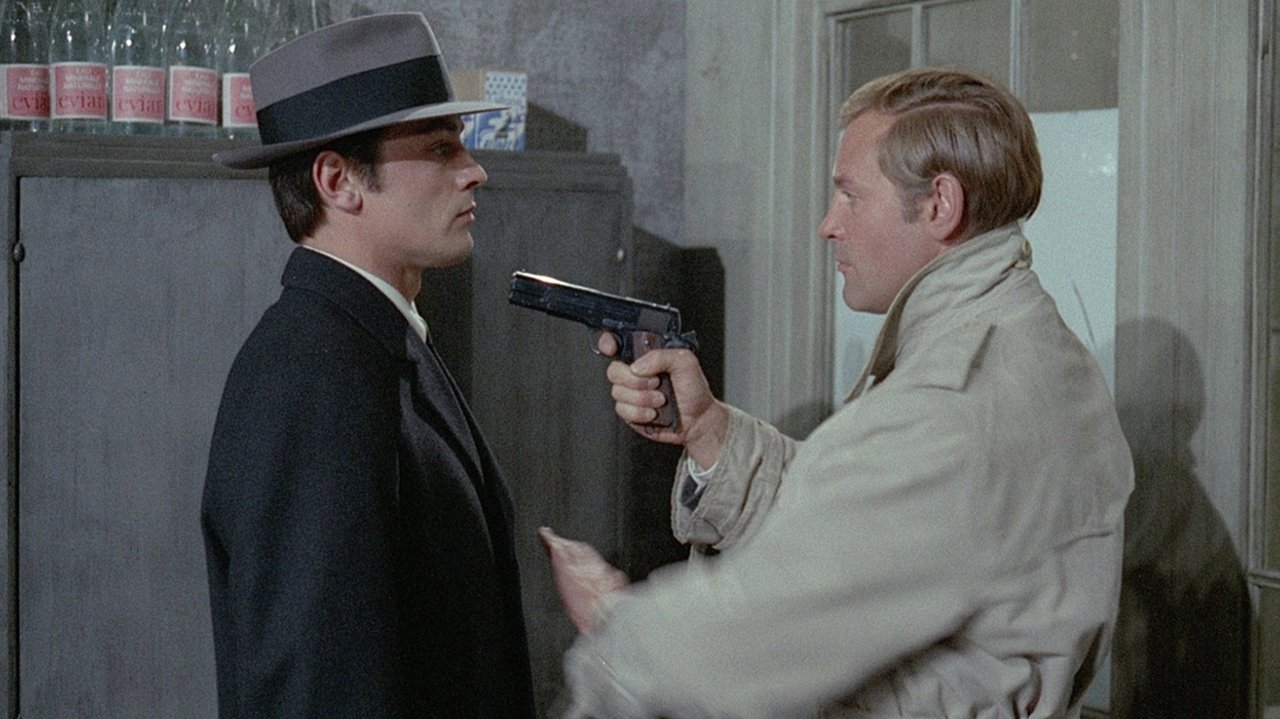
Costello’s latest job involves taking out a nightclub owner. He does it with a chilling, detached efficiency, but there’s a witness—the club's piano player, Valérie (played by the stunning Cathy Rosier). What follows isn't a high-speed chase, but a psychological chess match between Costello and a relentless police Superintendant (François Périer).
The film operates in a world of muted greys and washed-out blues. Cinematographer Henri Decaë—who worked on everything from The 400 Blows to The Boys from Brazil—strips the color out of Paris until it looks like a graveyard for the living. It’s a dark, intense atmosphere where the stakes aren't just about staying out of jail; they’re about maintaining the integrity of a doomed identity.
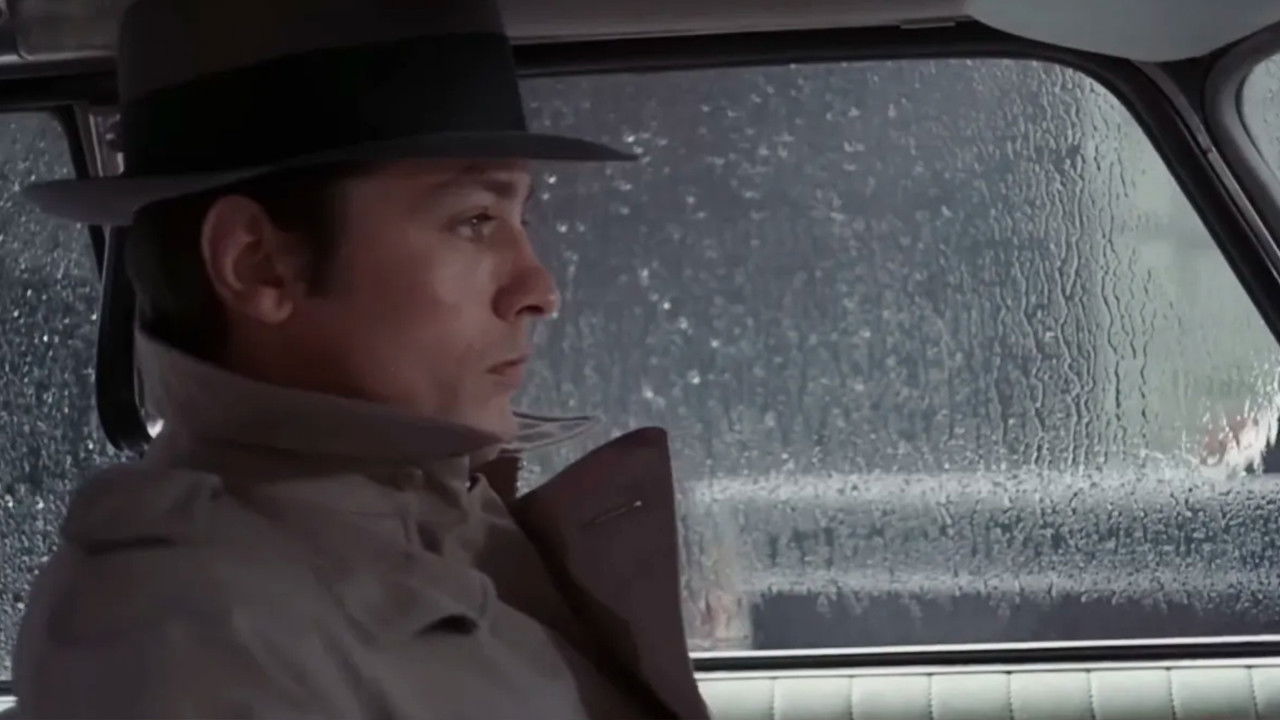
A Blue-Grey Ghost in a Fedora
If Alain Delon had any more screen presence, the film would probably collapse under the weight of it. He barely speaks, but his eyes do enough heavy lifting for an entire ensemble cast. He plays Costello as a man who is essentially a ghost already, haunting the Metro stations and rainy alleys of Paris. There’s a scene where he’s being interrogated in a police lineup, and the way he stands—perfectly still, totally unreadable—is more terrifying than any monologue. If Jef Costello had a LinkedIn profile, it would just be a picture of a gun and a 'Do Not Disturb' sign.
The supporting cast is equally sharp. Nathalie Delon, Alain’s real-life wife at the time, plays Jane, the woman who provides his alibi. Their chemistry is brittle and tragic; there’s a sense that they care for each other, but Costello’s "code" doesn't allow for the messiness of love. Meanwhile, François Périer gives us one of the most competent "antagonists" in crime cinema. He isn't a bumbling cop; he’s a professional who respects Costello’s craft enough to want to dismantle it piece by piece.
The Melville Mythos
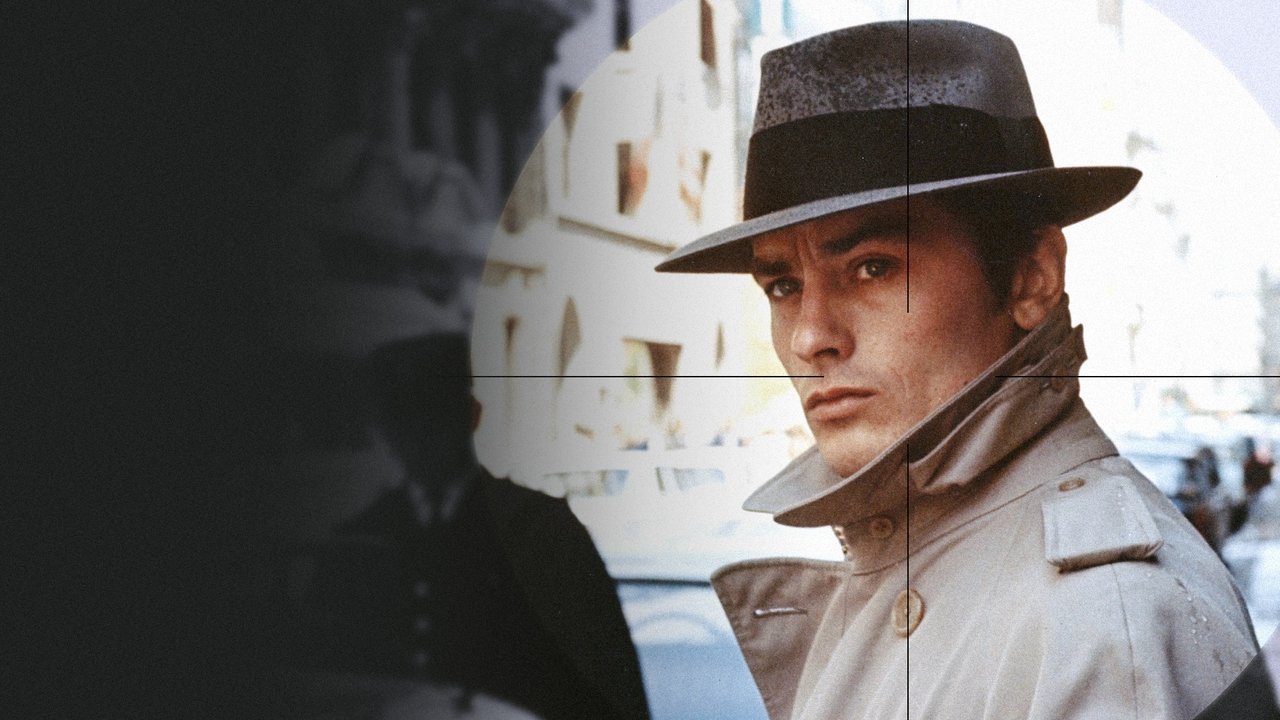
Jean-Pierre Melville was obsessed with the American gangster film, but he filtered that obsession through a uniquely French sensibility. He loved the trench coats and the "tough guy" posturing, but he stripped away the bravado, leaving behind a cold, existential dread. During the production, Melville’s own film studio actually burned to the ground, a catastrophe that could have ended the project. Instead, he pushed through, rebuilding sets and finishing the film with a grim determination that mirrored his protagonist.
While Le Samouraï predates the VHS boom, its second life in the 1980s is what cemented its status as a "director’s favorite." This was the tape that guys like Quentin Tarantino and Jim Jarmusch were passing around like a secret text. You can see Costello’s DNA in the DNA of John Wick, the silent driver in Drive, and the hitman in The Killer. It’s the ultimate "vibe" movie, yet it’s anchored by a narrative that is as tight as a piano wire.
The score by François de Roubaix is another masterclass in restraint. It’s a jazzy, organ-heavy soundtrack that feels both of its time and oddly futuristic. It punctuates the silence without ever breaking the film's spell. Every element—from the way Costello steals a car with a ring of master keys to the final, heartbreaking showdown—is executed with the same precision as the hitman’s own work.
Le Samouraï is a perfect piece of clockwork. It’s a film that understands that the most intense moments in life don't happen during explosions, but in the quiet seconds before a choice is made. It’s a dark, clinical, and profoundly beautiful exploration of a man who realized too late that even the best armor has a chink. If you haven't seen it, turn off the lights, ignore your phone, and let Melville’s blue-grey world wash over you. It's a reminder that sometimes, the coolest guy in the room is the one who says nothing at all.
Keep Exploring...
-
Marathon Man
1976
-
Blood Simple
1985
-
Mississippi Burning
1988
-
The Killer
1989
-
In the Heat of the Night
1967
-
Straw Dogs
1971
-
Bonnie and Clyde
1967
-
Cool Hand Luke
1967
-
Bullitt
1968
-
Deliverance
1972
-
Frenzy
1972
-
The Poseidon Adventure
1972
-
Chinatown
1974
-
Dog Day Afternoon
1975
-
Witness
1985
-
The Tenant
1976
-
West Side Story
1961
-

Yojimbo
1961
-
Pierrot le Fou
1965
-

Magnum Force
1973