The Dirty Dozen
"Twelve death-row convicts. One suicide mission. No heroes."

I remember the first time I sat down with The Dirty Dozen. I was sitting on a plastic-covered sofa in my uncle’s basement, drinking a lukewarm Tab that had definitely lost its fizz, and watching the movie on a CRT television that hummed like a low-flying bomber. I didn't know then that I was watching the moment Hollywood finally stopped pretending that war was a noble adventure.
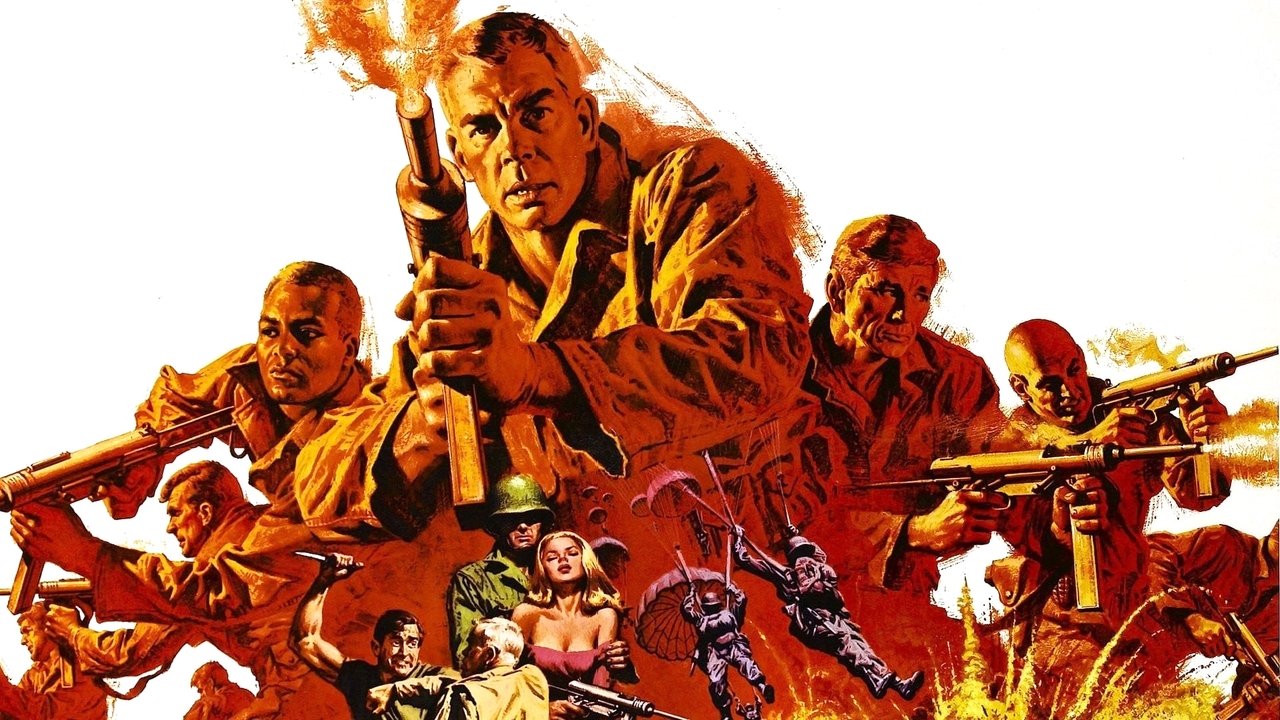
Released in 1967, Robert Aldrich’s masterpiece arrived right as the glossy, Technicolor heroics of the 1950s were being dragged into the mud. It was the year of The Graduate and Bonnie and Clyde, but while those films were busy being hip and revolutionary, The Dirty Dozen was busy being mean, sweaty, and profoundly cynical. It doesn’t just deconstruct the "men on a mission" trope; it sets it on fire and tosses it down a ventilation shaft with a bundle of grenades.
The Trash of the Stockade
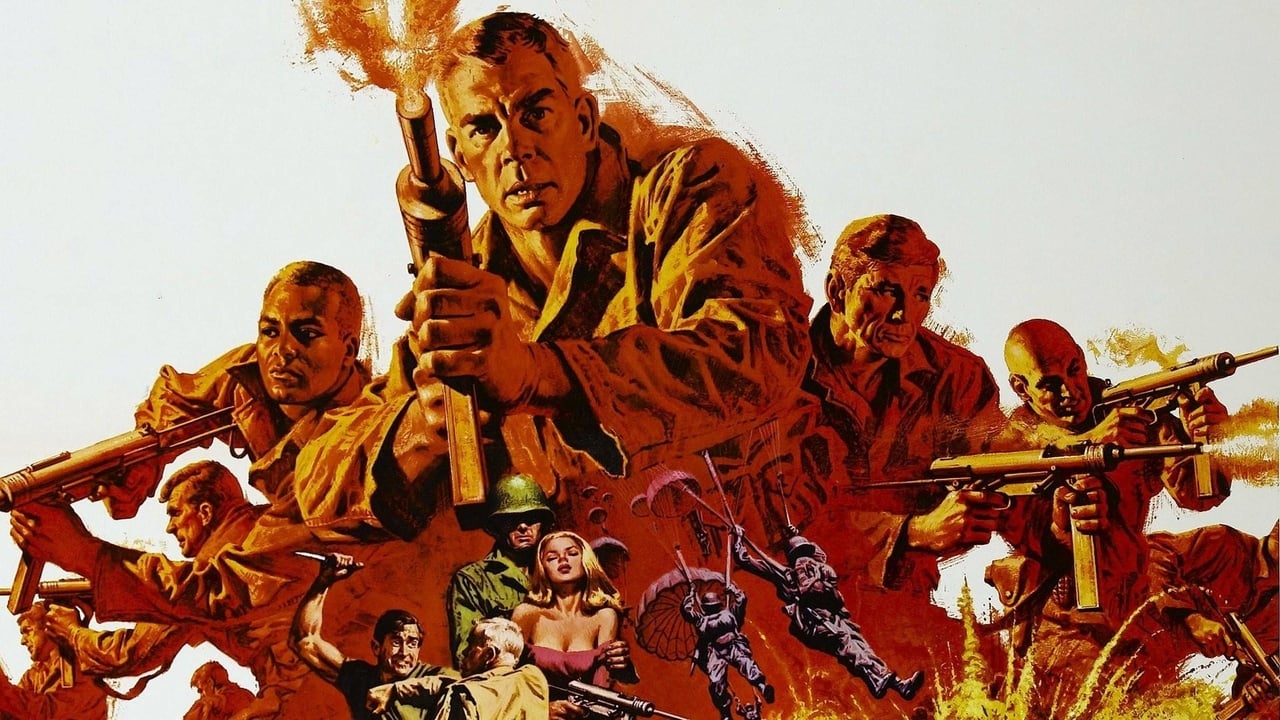
The premise is deceptively simple: Major John Reisman (Lee Marvin) is a rebellious officer tasked with training twelve military prisoners—most facing the rope or life in a cage—for a suicide mission. They are to infiltrate a French château where high-ranking Nazi officers are vacationing and kill everyone inside. The prize? A second chance at life.
Lee Marvin is the gravitational center here. Having been a real-life Marine who was wounded in the Pacific, Marvin brings an authenticity that you just can't fake. He doesn’t play Reisman as a mentor; he’s a warden who happens to be wearing the same uniform. When he squares off against the military brass, represented by a deliciously pompous Ernest Borgnine (who I’ll always associate with The Wild Bunch), you can feel the disdain for authority radiating off the screen.
The "dozen" themselves are a casting director’s fever dream. You have John Cassavetes as Victor Franko, a twitchy, anti-authority punk who nearly steals the movie. Charles Bronson brings his trademark quiet lethality as Joseph Wladislaw, while football legend Jim Brown provides a physical presence that makes everyone else look like they’re standing in a hole. Even a young Donald Sutherland shows up as the simple-minded Pinkley, a role he supposedly got because another actor refused to do a scene. John Cassavetes is the only one who actually looks like he’s having a mental breakdown, while everyone else just looks like they need a cigarette.
Training for the Meat Grinder
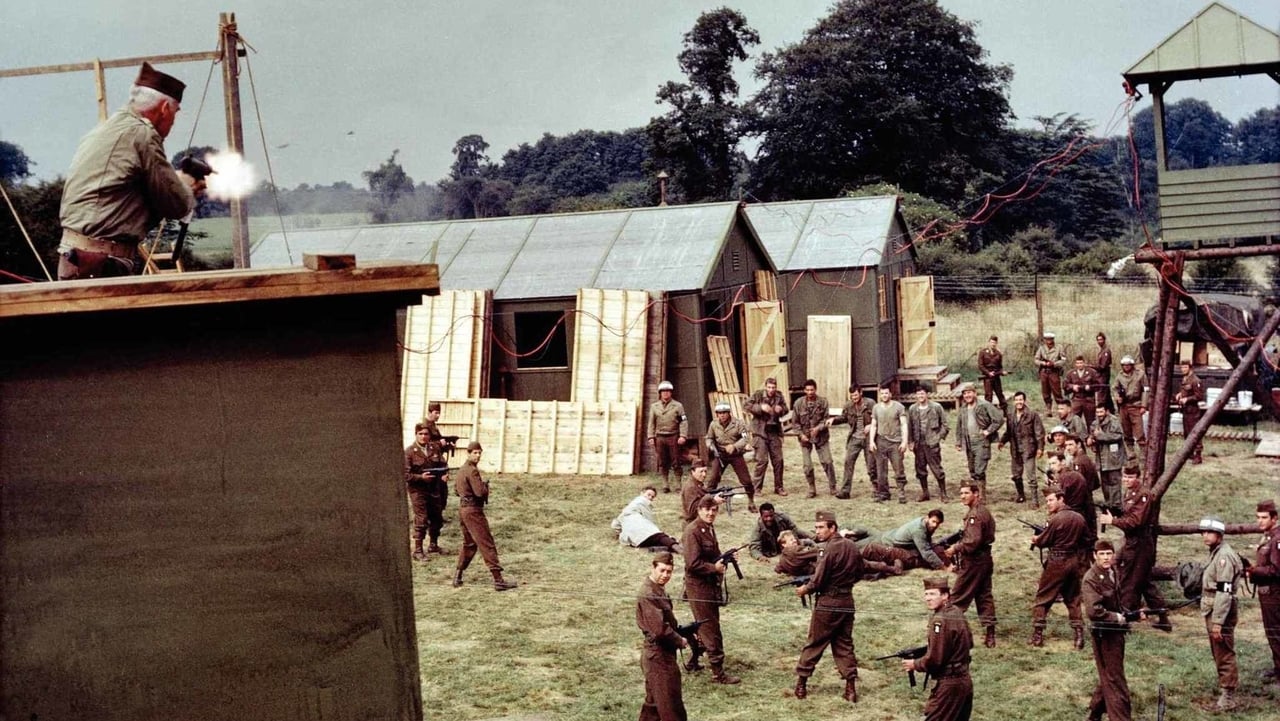
The film is famously split into two halves: the training and the execution. The training sequence is where the movie builds its rhythm. It’s not just about learning to shoot; it’s about the dehumanizing process of becoming a unit. Robert Aldrich stages these scenes with a gritty, unvarnished texture. There’s no soft lighting here. Everything is dirt, sweat, and the claustrophobia of the stockade.
The pacing is deliberate, taking its time to let us find the humanity in men the world has already discarded. We see them build their own barracks, we see them rebel, and we see them eventually bond over a shared hatred of Reisman. This leads to the legendary "rhyme" sequence, where the men recite the steps of the mission like a macabre nursery rhyme. It’s a brilliant bit of writing by Lukas Heller and Nunnally Johnson that turns the tactical plan into a rhythmic, haunting countdown.
The Massacre at the Château
When the mission finally begins, the tone shifts from dark comedy to sheer, unadulterated intensity. This isn't a clean tactical strike. It’s a chaotic, bloody mess. The action choreography is focused on the physical reality of the space—the layout of the château, the ticking clock, and the mounting body count.
The climax is particularly harrowing. The way the film handles the "collateral damage" of the Nazi wives and girlfriends is a gut-punch that separates The Dirty Dozen from its peers. The third act is basically a prototype for the slasher genre, except the killer is a group of American convicts and the victims are trapped in a basement. There is no glory in the way these men die, and there is certainly no glory in the way they kill.
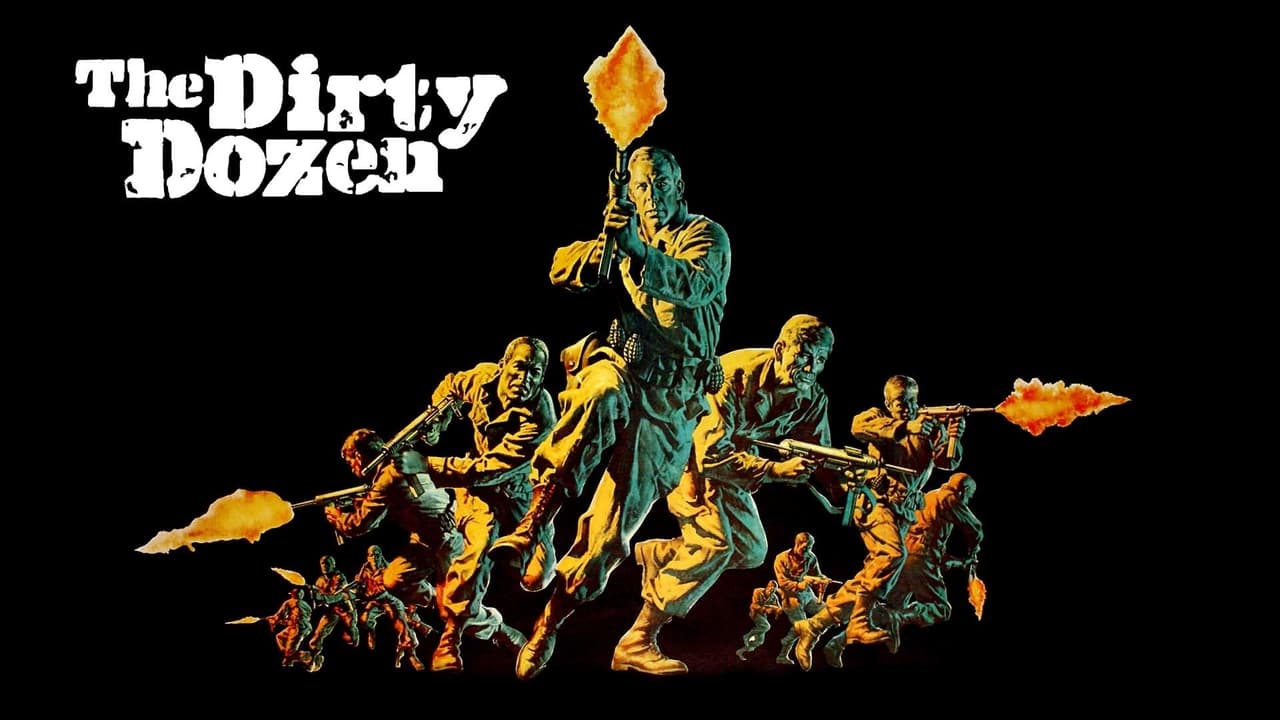
The practical effects are stellar. When a building explodes in this movie, you feel the shockwave. There’s a weight to the gunfire and a genuine sense of peril because, by this point, you actually care about these degenerates. The sound design during the final assault is an abrasive symphony of screaming engines and shattering glass that stays with you long after the credits roll.
A Legacy of Grime
The Dirty Dozen was a massive hit, earning over $45 million against a $5 million budget, proving that audiences in 1967 were hungry for a war movie that didn't lie to them. It paved the way for everything from Inglourious Basterds to Suicide Squad, though few have ever matched its balance of pitch-black humor and genuine nihilism.
Behind the scenes, the production was as chaotic as the film. Jim Brown famously retired from the NFL during filming because the owner of the Cleveland Browns threatened to fine him for staying in London to finish the movie. Brown chose the movie, and football lost one of its greats to the silver screen. That level of commitment—that "to hell with it" attitude—is baked into the very celluloid of the film. It's a reminder of an era where movies were made by people who weren't afraid to get their hands dirty.
The Dirty Dozen remains the gold standard for the "men on a mission" genre because it refuses to sanitize the ugliness of its premise. It’s a loud, violent, and brilliantly acted exploration of what happens when you use monsters to fight devils. If you can handle the grit and the lack of easy answers, it’s one of the most rewarding experiences of the 1960s. Just don’t expect a hero’s welcome when it’s over.
Keep Exploring...
-
Where Eagles Dare
1968
-
The Longest Day
1962
-
First Blood
1982
-
What Ever Happened to Baby Jane?
1962
-
The Great Escape
1963
-
The Poseidon Adventure
1972
-

Lawrence of Arabia
1962
-
Rambo: First Blood Part II
1985
-
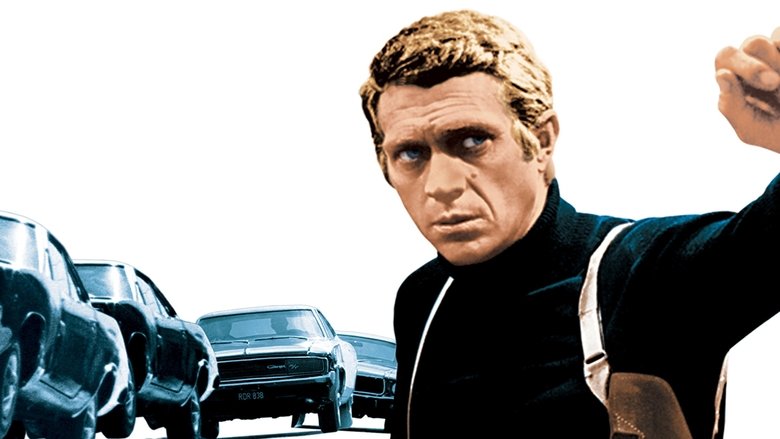
Bullitt
1968
-
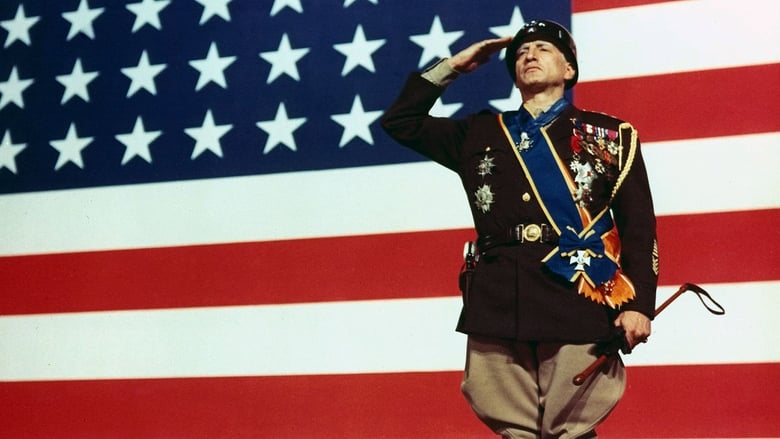
Patton
1970
-
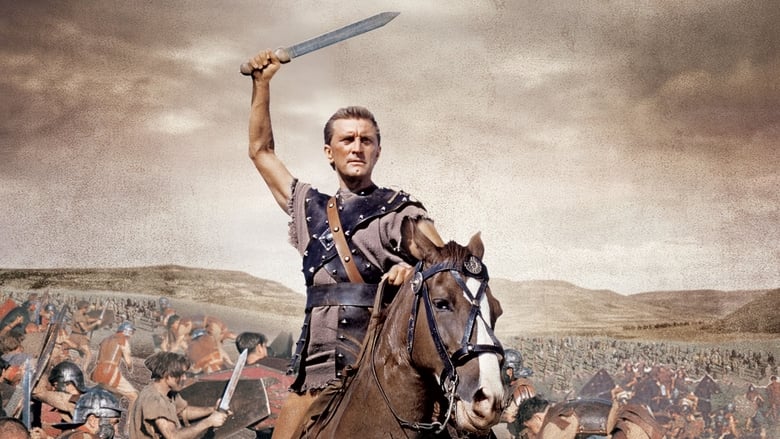
Spartacus
1960
-

Star Trek II: The Wrath of Khan
1982
-

Platoon
1986
-

Predator
1987
-
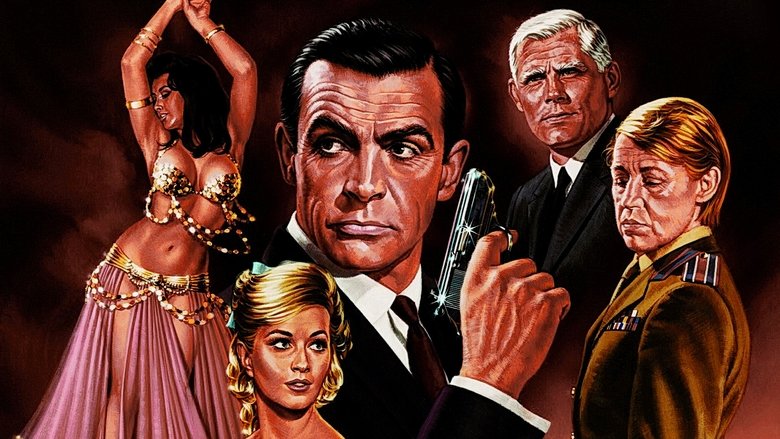
From Russia with Love
1963
-

Goldfinger
1964
-
Rurouni Kenshin Part I: Origins
2012
-
Deliverance
1972
-
Romancing the Stone
1984
-
Star Trek III: The Search for Spock
1984