The Graduate
"Plastics, predators, and the terrifying silence of what comes next."
I watched The Graduate again last night while eating a slightly stale bagel, and the rhythmic crunch of the poppy seeds oddly synchronized with Dustin Hoffman’s nervous, wet-fish gulping sounds. It’s a film that thrives on that kind of awkward intimacy. Most movies from 1967 feel like museum pieces—beautiful, but behind glass. This one feels like it’s still breathing down your neck, smelling slightly of chlorine and Scotch.
When we first meet Benjamin Braddock, he’s drifting on an airport walkway to the melancholy hum of Simon & Garfunkel. He’s just graduated, he’s won all the awards, and he is absolutely, paralyzingly terrified. He’s a blank slate in a sharp suit. Mike Nichols (fresh off Who’s Afraid of Virginia Woolf?) captures this existential dread not through a boring internal monologue, but through the crushing weight of "stuff." The Braddock house is a suburban fortress of glass, leather, and overbearing parents played with a delightful, suffocating chirpiness by William Daniels and Elizabeth Wilson.
The Scuba Suit and the Suburban Cage
There is a specific kind of 1960s satire here that doesn't feel dated because the core anxiety is universal: the fear that your life is being gift-wrapped by people who don't know you at all. The famous "plastics" scene at the party is legendary for a reason. When that family friend corners Ben, it isn't just a career tip; it’s a death sentence. It’s the sound of a prison door slamming shut.
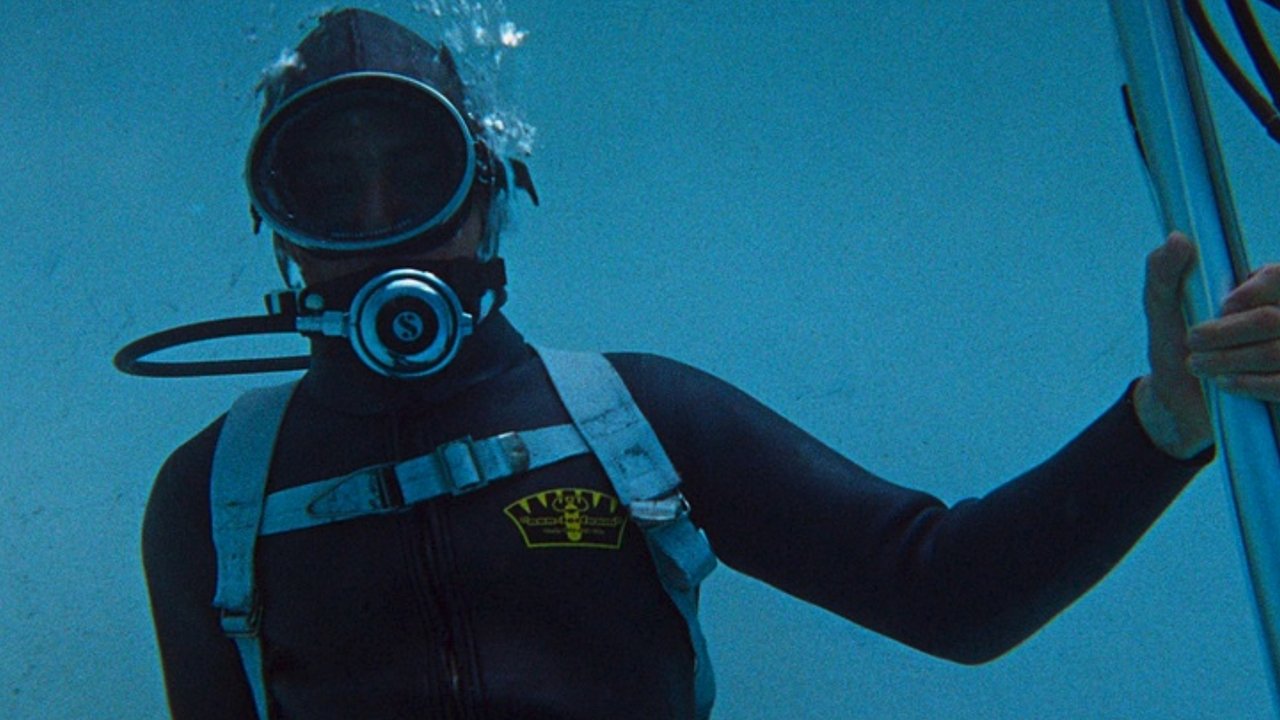
Mike Nichols uses the camera like a psychological weapon. My favorite sequence remains the scuba diving bit. Ben is forced into a full diving suit—harpoons and all—to show off for his father’s friends in the backyard pool. The perspective shifts to inside the mask; we hear Ben’s heavy, rhythmic breathing, isolated and drowning in four feet of water while his father literally pushes him back down every time he tries to surface. It’s hilarious, it’s pathetic, and it’s the most accurate depiction of post-grad life ever filmed.
I’ll go out on a limb with a hot take: The most terrifying monster in 1960s cinema wasn't Godzilla or a Hitchcockian psycho; it was the polite, insistent smile of a suburban parent holding a martini.
The Robinson Affair
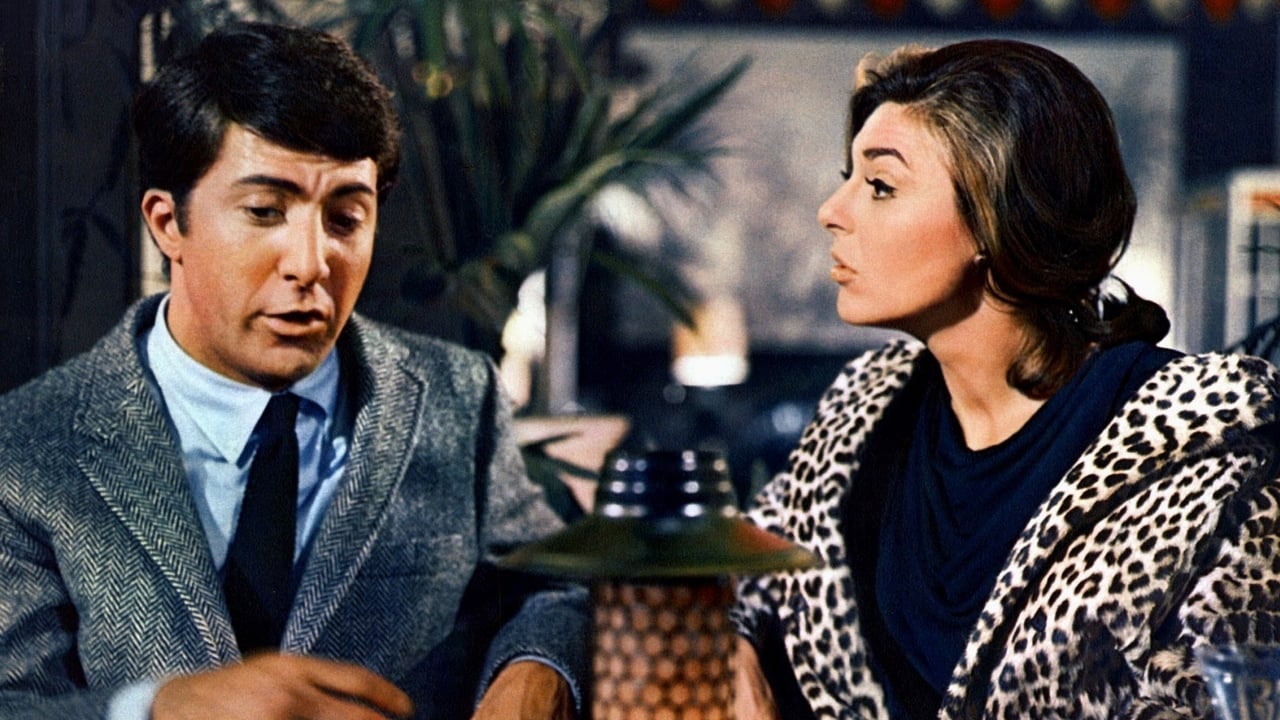
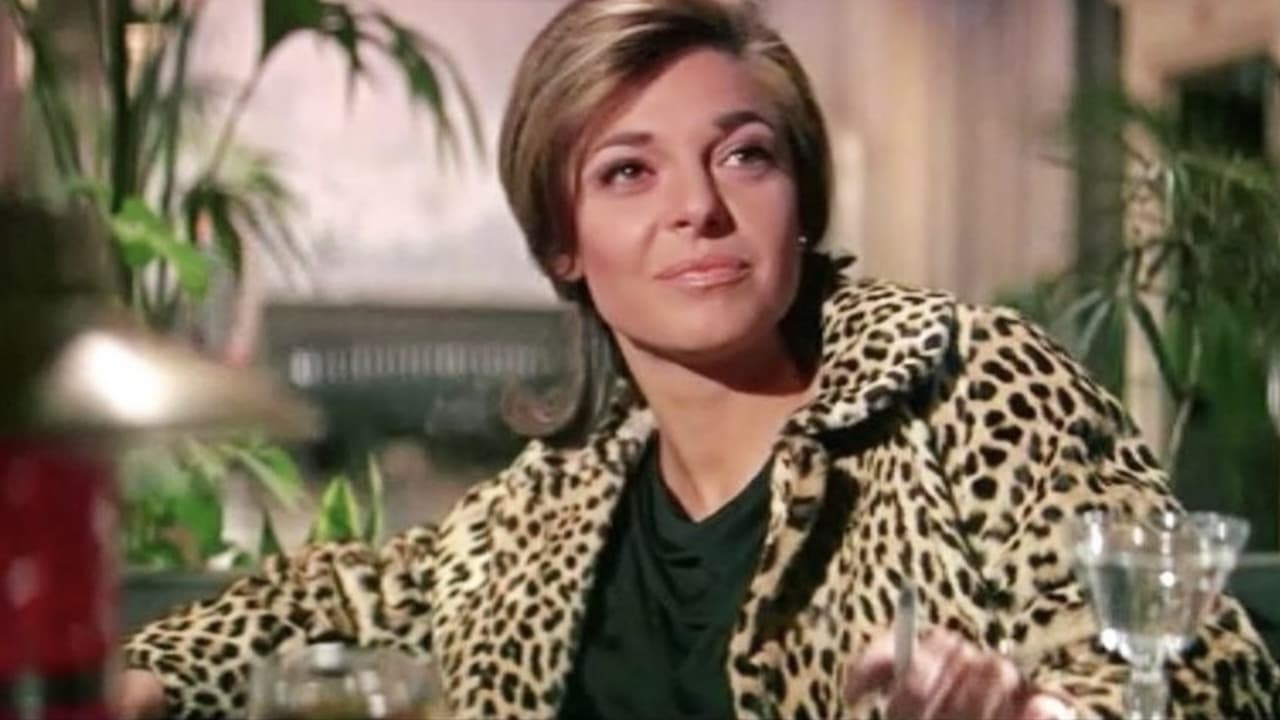
Then comes Anne Bancroft. Good grief, what a performance. As Mrs. Robinson, she is the ultimate cinematic shark—still, lethal, and profoundly bored. Bancroft was actually only six years older than Katharine Ross (who plays her daughter, Elaine), and only six years older than Dustin Hoffman himself. Through the magic of lighting and Bancroft’s sheer, predatory gravitas, she feels a thousand years older and wiser than the fumbling Benjamin.
The affair isn't romantic; it’s transactional. Ben is looking for a distraction from his future, and Mrs. Robinson is looking for a distraction from her past. Their scenes in the Taft Hotel are masterclasses in editing. Nichols uses jump cuts to show the passage of time—Ben jumping from the pool into the hotel bed, or a door opening on a sun-drenched patio and closing on a dark, clandestine room. It’s slick, cynical, and feels remarkably modern.
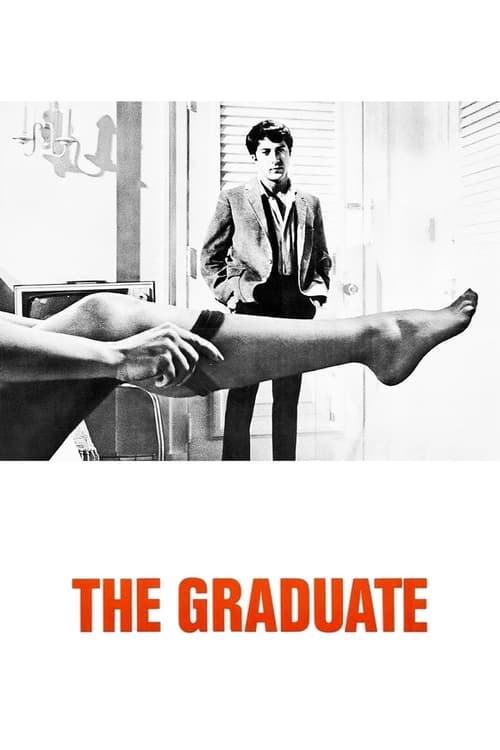
Apparently, the production was a bit of a chaotic gamble. Mike Nichols originally wanted Gene Hackman to play Mr. Robinson, but fired him after a few days of rehearsal because he felt Hackman was too young and didn’t have that "old guard" energy. It’s hard to imagine anyone but Murray Hamilton now, with his weary, gin-soaked disappointment. Even the iconic poster has a secret: those famous legs in the foreground aren't Anne Bancroft’s. They belong to a then-unknown model named Linda Gray, who would later find her own fame on Dallas.
The Bus Ride to Nowhere
By the time Katharine Ross enters as Elaine, the movie shifts gears from a cynical comedy into something more desperate. Elaine is the only person who looks at Ben like a human being rather than a trophy or a toy. But even their "romance" is tinged with the same manic impulsivity that ruins everything else.
The ending—the famous church scene—is where The Graduate cements its status as a masterpiece of "New Hollywood." We’ve all seen the parodies: Ben banging on the glass, the frantic escape, the use of a cross as a door bolt. It’s the ultimate "screw you" to the establishment. But it’s the final sixty seconds on the bus that haunt me.
As they sit in the back of the bus, the adrenaline fades. The "Hallelujah" moment dies. They look at each other, then they look away, and the realization sets in: They didn't actually have a plan for the next stop. It’s the greatest "now what?" in movie history.
From a financial standpoint, the film was a juggernaut. It cost about $3 million to make and raked in over $104 million—which, adjusted for inflation, is basically Avengers money today. It proved to the studios that the "youth market" wasn't just interested in beach parties and Elvis musicals; they wanted to see their own confusion reflected on screen.
The Graduate is a time capsule that refused to stay buried. It’s a comedy that leaves a bruise and a romance that ends in a shrug. Whether you’re a collector who owns the Criterion 4K or someone who just knows the "Mrs. Robinson" song from the radio, it demands a rewatch. It’s a sharp, stylish reminder that the only thing scarier than not getting what you want is actually getting it.
Stuff You Didn't Notice
The Age Gap Illusion: While Mrs. Robinson is treated as a "mature" woman, Anne Bancroft was only 35 during filming. Dustin Hoffman was 30, making the "cougar" dynamic more about performance than actual biology. Placeholder Music: Mike Nichols used Simon & Garfunkel tracks as placeholders during editing. He eventually realized he couldn't live without them and paid a then-staggering sum to keep them, birthing the modern "pop soundtrack" movie. The "Plastics" Guy: The actor who played Mr. McGuire (the "plastics" guy), Walter Brooke, actually hated the line and thought it was nonsense. Little did he know it would become the definitive quote of a generation. Hoffman's Audition: Dustin Hoffman was so nervous during his screen test that he forgot his lines and was convinced he’d failed. Nichols loved the awkwardness so much he cast him specifically for that lack of "leading man" polish.

Keep Exploring...
-
Working Girl
1988
-
The Lost Boys
1987
-
Say Anything...
1989
-
Harold and Maude
1971
-
Moonstruck
1987
-

Lolita
1962
-
Grease
1978
-

Tootsie
1982
-

Big
1988
-
Lost in Translation
2003
-
The Apartment
1960
-
Breakfast at Tiffany's
1961
-
Annie Hall
1977
-
As Good as It Gets
1997
-
Stepmom
1998
-
About a Boy
2002
-
Something's Gotta Give
2003
-
Love & Other Drugs
2010
-
Silver Linings Playbook
2012
-
The Aristocats
1970