The Jungle Book
"Forget your worries—the jungle is jumpin'."
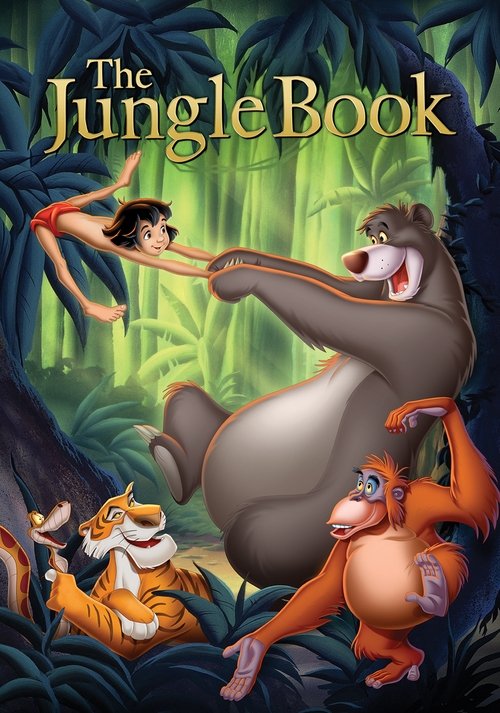
Walt Disney died during the production of The Jungle Book, and you can almost feel the studio exhaling a collective, bittersweet sigh through the ink and paint. While earlier Disney features like Bambi or Pinocchio were obsessed with a sort of terrifying, literal realism, this 1967 swan song opted for something much more radical: it decided to throw a party. It’s the first time a Disney film felt less like a storybook and more like a jazz session at 2:00 AM, and honestly, the world of animation was never the same after.

I recently rewatched this while eating a bowl of cereal that had gone slightly soggy because I got distracted by the opening credits, and I realized that I don't actually care about the plot. Neither does the movie. It’s a series of "hang out" sequences, and because the company is so high-quality, it’s some of the best hanging out in cinema history.
The Swingin’ Sixties in the Deep Jungle
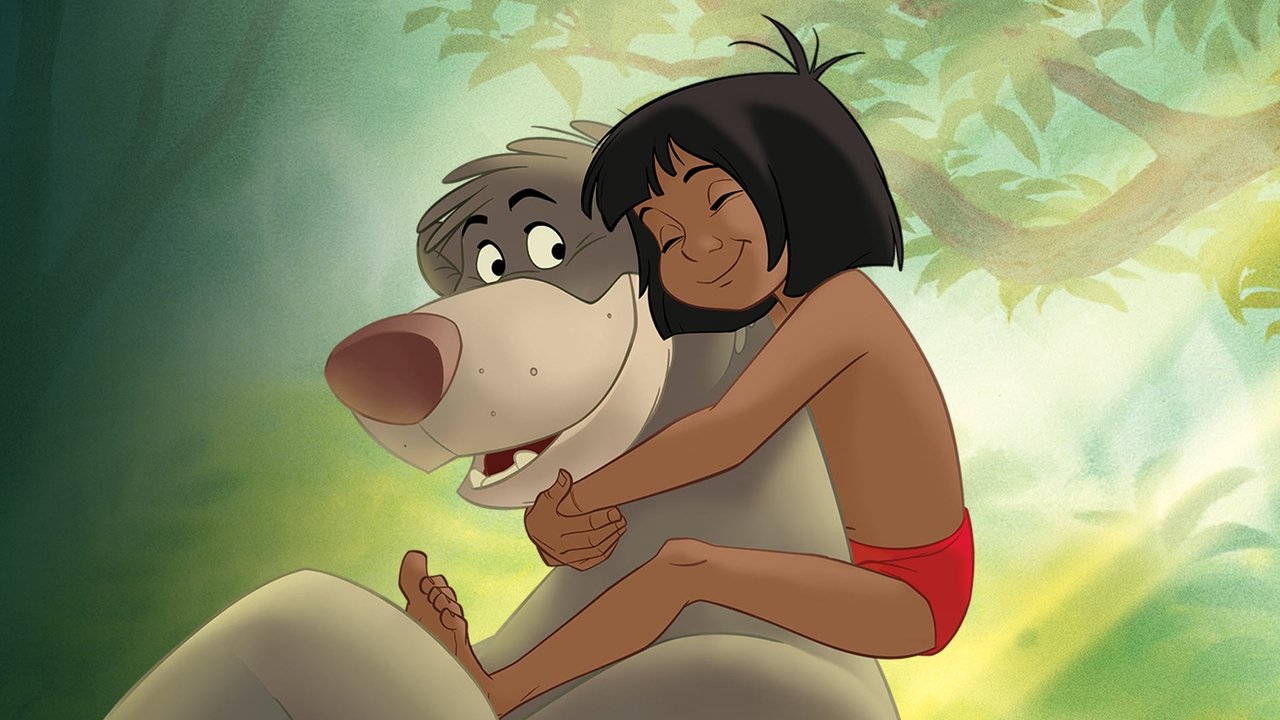
The most striking thing about The Jungle Book is the "Xerox" look. Back then, Disney had moved away from the hand-inked, polished lines of the 1950s in favor of a process that scanned the animators' rough pencil sketches directly onto the cells. You can see the construction lines; you can see the scratchiness. To some, it looks unfinished, but to me, it gives the characters a kinetic, breathing energy. When Phil Harris (who also voiced the titular hero in Wolfgang Reitherman's later Robin Hood) shakes his hips as Baloo, you feel the weight of the fur and the looseness of the sketches.
This film also pioneered the "celebrity voice cast" before it became a cynical marketing ploy. Before this, voice actors were often anonymous specialists. But here? You’ve got Louis Prima bringing his Vegas energy to King Louie and George Sanders delivering a Shere Khan so sophisticated he makes every other Disney villain look like they’re trying too hard. George Sanders basically played a Bond villain in tiger skin, and his delivery is so dry it could dehydrate a rainforest.
A Masterclass in Character Chemistry
The heart of the movie isn't Mowgli (Bruce Reitherman) trying to get to the Man-Village; it’s the friction between Sebastian Cabot’s Bagheera and Baloo. Bagheera is the quintessential "straight man," the exhausted parent trying to keep the kid alive, while Baloo is the friend who shows up at your house with a six-pack and no plan. Their chemistry is what makes the adventure feel earned.
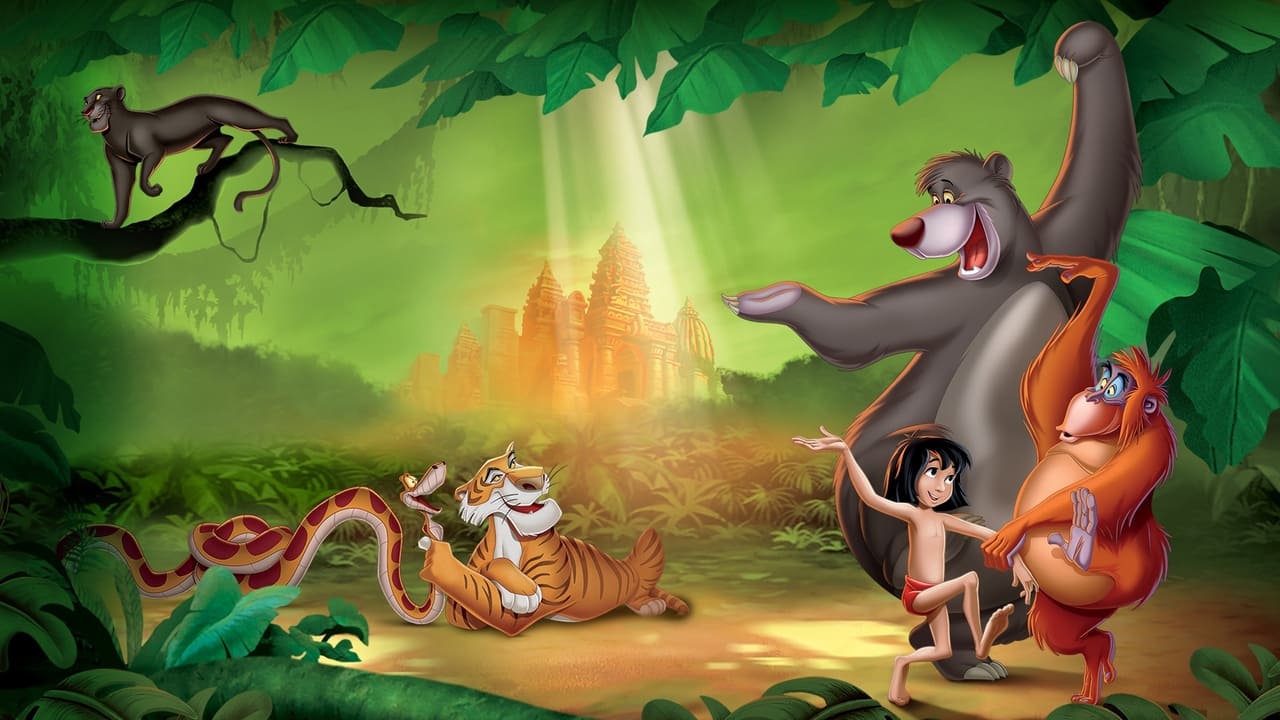
The sequence where they encounter the vultures is a perfect snapshot of the era’s pop culture. The vultures were originally intended to be voiced by The Beatles, but when the Fab Four declined, the studio kept the mop-top haircuts and the Liverpool accents anyway. The vultures were doing the 'mop-top' look before it was legally actionable, and the resulting barbershop quartet vibe is one of those weird, wonderful 1960s touches that shouldn't work but absolutely does.
The Blockbuster Legacy & The Vault
When people talk about blockbusters, they usually start with Jaws in 1975, but The Jungle Book was a financial juggernaut long before the shark showed up. On a $4 million budget, it eventually raked in over $378 million worldwide through various re-releases. It was the fourth highest-grossing film of 1967, standing tall alongside adult-skewing classics like The Graduate and Guess Who’s Coming to Dinner.
For those of us who grew up in the VHS era, this film held a legendary status because of "The Disney Vault." I remember the 1991 home video release—it was a genuine event. The cover art featured that lush, deep green jungle canopy that promised a world much bigger than my living room. That tape was one of the first "Masterpiece Collection" entries, and even through the tracking lines and the slightly muffled audio of a CRT television, the music of the Sherman Brothers popped.
I once tried to peel a banana with my feet just like Baloo does during "The Bare Necessities," and I ended up getting banana mush into the fibers of my favorite rug. It was a total disaster, but that’s the power of this movie—it makes the most difficult, dangerous jungle life look like the ultimate vacation.
Cool Details
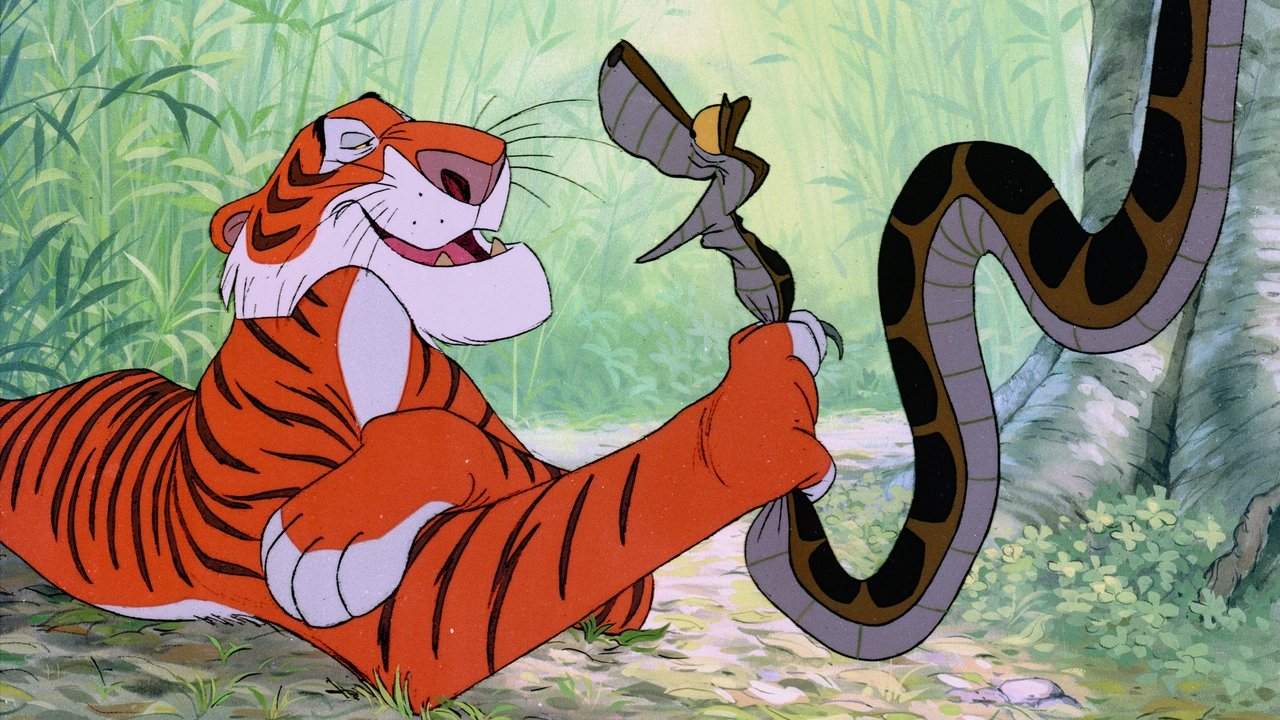
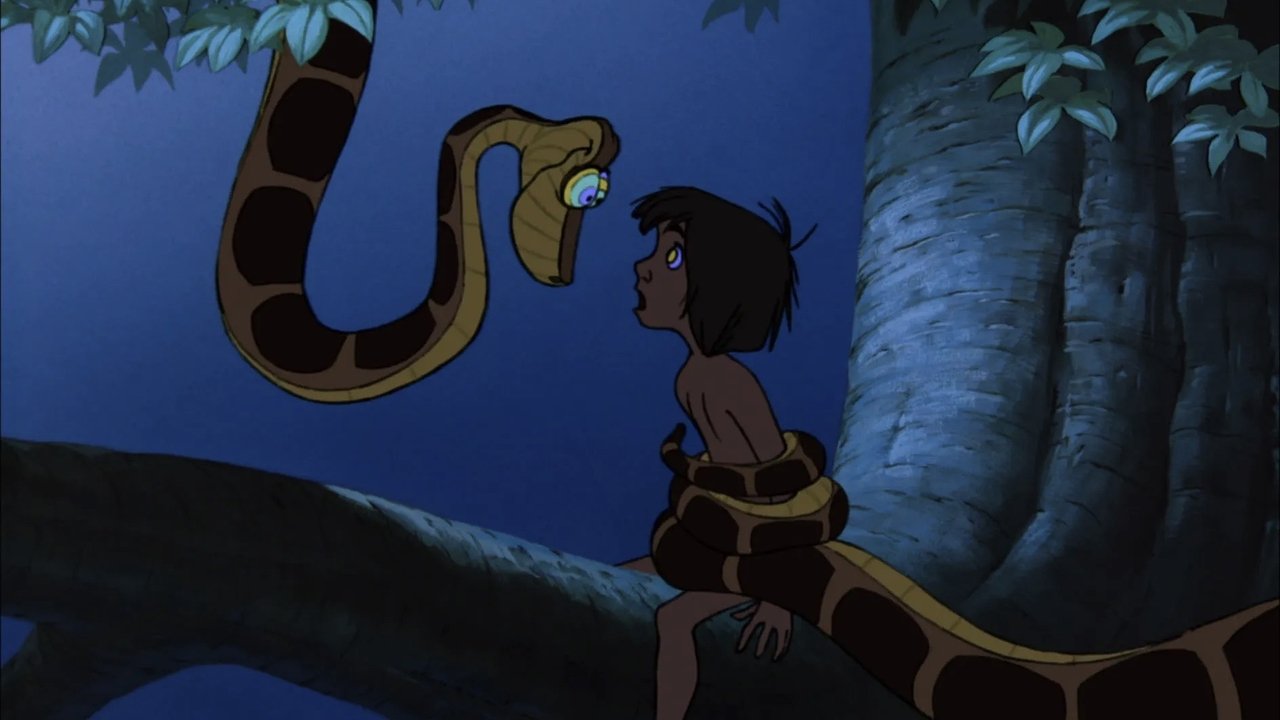
The Improv King: Phil Harris improvised much of his dialogue as Baloo. This was unheard of at Disney at the time, as the studio usually stuck to rigid scripts. His "off-book" energy is why Baloo feels so much more alive than Mowgli. A Family Affair: The director, Wolfgang Reitherman, cast his own son, Bruce Reitherman, as the voice of Mowgli to ensure the character sounded like a real, scrappy kid rather than a polished stage actor. The Serpent's Voice: Sterling Holloway, who voiced Kaa the Snake, was also the voice of Winnie the Pooh. Listening to Kaa try to eat Mowgli while using the "Pooh" voice is a surreal experience that adds a layer of unintentional horror. The Final Approval: This was the last film Walt Disney personally worked on before his death in December 1966. He reportedly told the crew to "stop following the book" (Rudyard Kipling's much darker source material) and just focus on the fun.
The Jungle Book isn't a film that demands you ponder the mysteries of the universe. It’s a film that asks you to snap your fingers and forget your worries. While the episodic structure means it lacks the emotional gut-punch of The Lion King, it compensates with an effortless, cool-cat vibe that hasn't aged a day. It’s a reminder that sometimes the best adventure isn't about the destination, but about who you’re dancing with along the way. Even if you're a Man-Cub and they're a bear with a penchant for jazz.
Keep Exploring...
-
The Aristocats
1970
-
One Hundred and One Dalmatians
1961
-
The Rescuers
1977
-
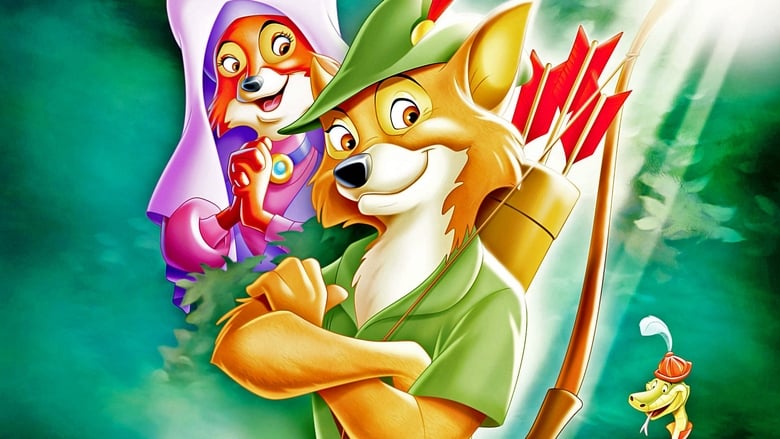
Robin Hood
1973
-
The Many Adventures of Winnie the Pooh
1977
-
The Sword in the Stone
1963
-

The Jungle Book 2
2003
-

Bedknobs and Broomsticks
1971
-
Asterix and Cleopatra
1968
-
The Fox and the Hound
1981
-
The Secret of NIMH
1982
-

An American Tail
1986
-
Castle in the Sky
1986
-
The Great Mouse Detective
1986
-
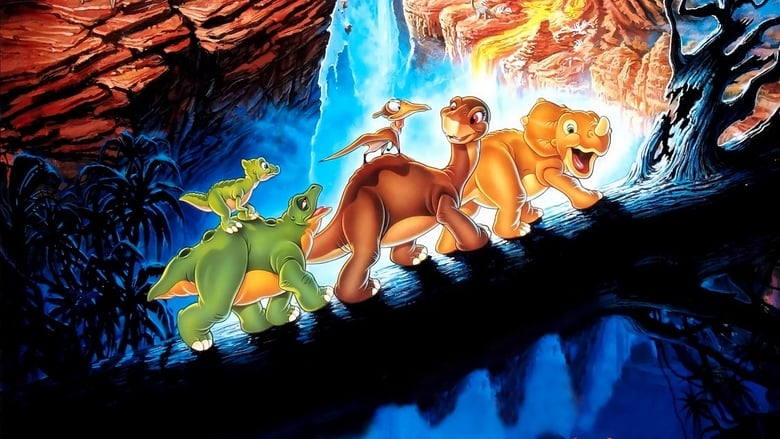
The Land Before Time
1988
-
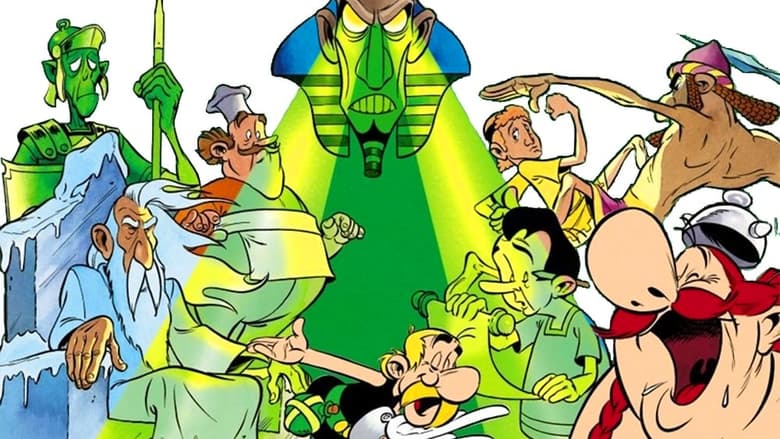
The Twelve Tasks of Asterix
1976
-
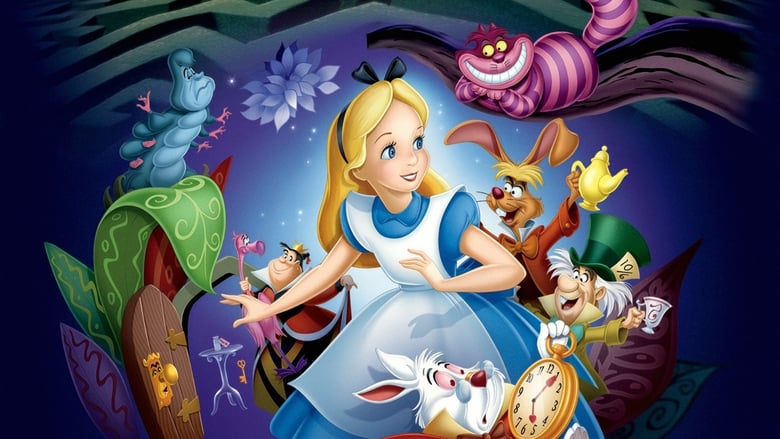
Alice in Wonderland
1951
-
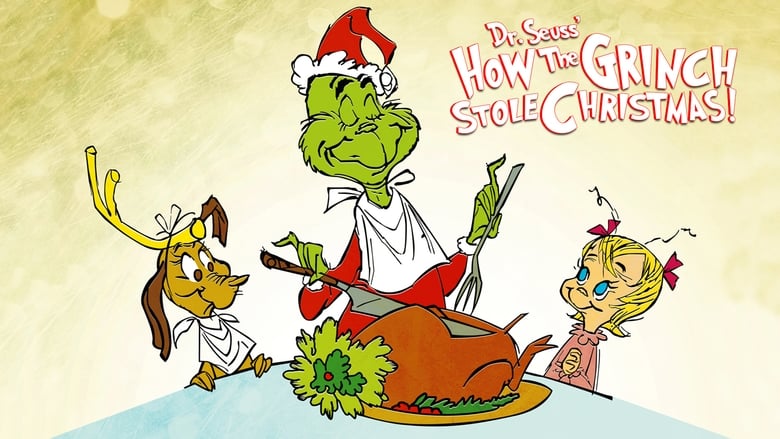
How the Grinch Stole Christmas!
1966
-
E.T. the Extra-Terrestrial
1982
-
The Karate Kid
1984