2001: A Space Odyssey
"Your mind wasn't ready in 1968. It still isn't."
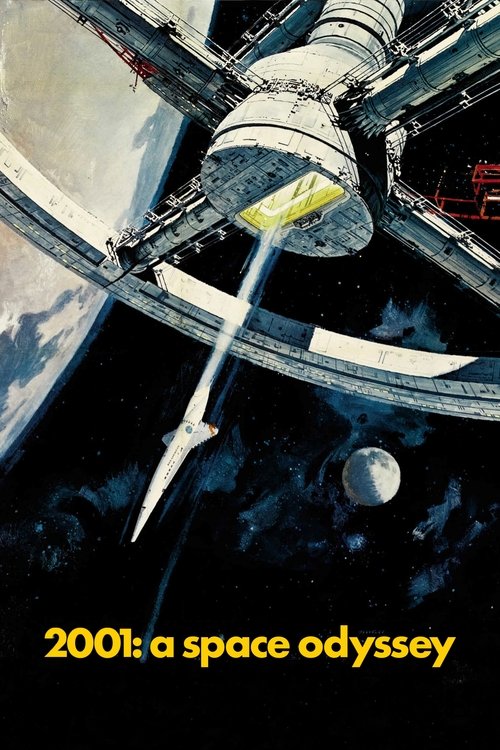
I remember the first time I attempted to tackle 2001: A Space Odyssey. I was watching a beat-up VHS copy on a tiny 13-inch Zenith TV with tracking issues so severe that the Star Gate sequence looked like a localized electrical fire. I was also eating a frozen bean-and-cheese burrito that was still ice-cold in the center—a weirdly appropriate bit of sensory dissonance for a film that feels both frozen in time and burning with intellectual heat.
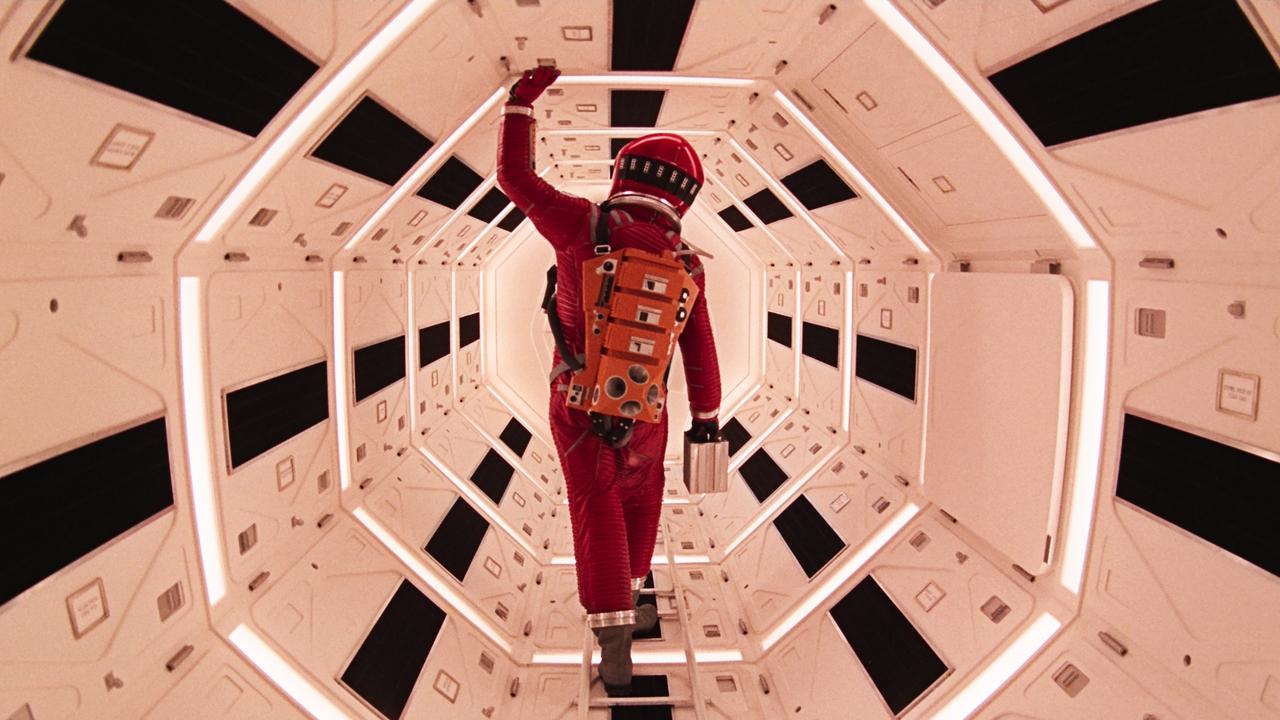
You don't just "watch" this movie; you endure its silence until the silence starts talking back to you. It is the slowest burn in the history of cinematic arson, but once it catches, it incinerates everything you thought you knew about how a story should be told. While modern blockbusters treat our attention spans like a game of whack-a-mole, Stanley Kubrick (the man who gave us The Shining and Dr. Strangelove) asks us to sit still and contemplate the infinite. It’s a big ask, but the payoff is the literal evolution of the soul.
The Silent Treatment
The film opens with roughly 25 minutes of apes screaming at a rock. In the hands of any other director, this would be a career-ending disaster, but Kubrick turns the "Dawn of Man" into a rhythmic, primal ballet. When that famous bone-toss jump-cuts into a nuclear satellite orbiting Earth, we’ve just witnessed the most famous edit in film history. It covers four million years in a single frame.
I’ve always found it funny that MGM executives were reportedly terrified during the first screenings. They didn't understand why there was no dialogue for the first half-hour. But that’s the magic of it. Kubrick and co-writer Arthur C. Clarke weren't interested in chatting; they wanted to build a visual myth. Even when we finally meet William Sylvester as Dr. Heywood Floyd, the dialogue is intentionally banal—corporate-speak about sandwiches and phone calls. It highlights the absurdity of humans conquering the stars only to bring their boring bureaucracy with them.
A Supercomputer with a Personality Disorder
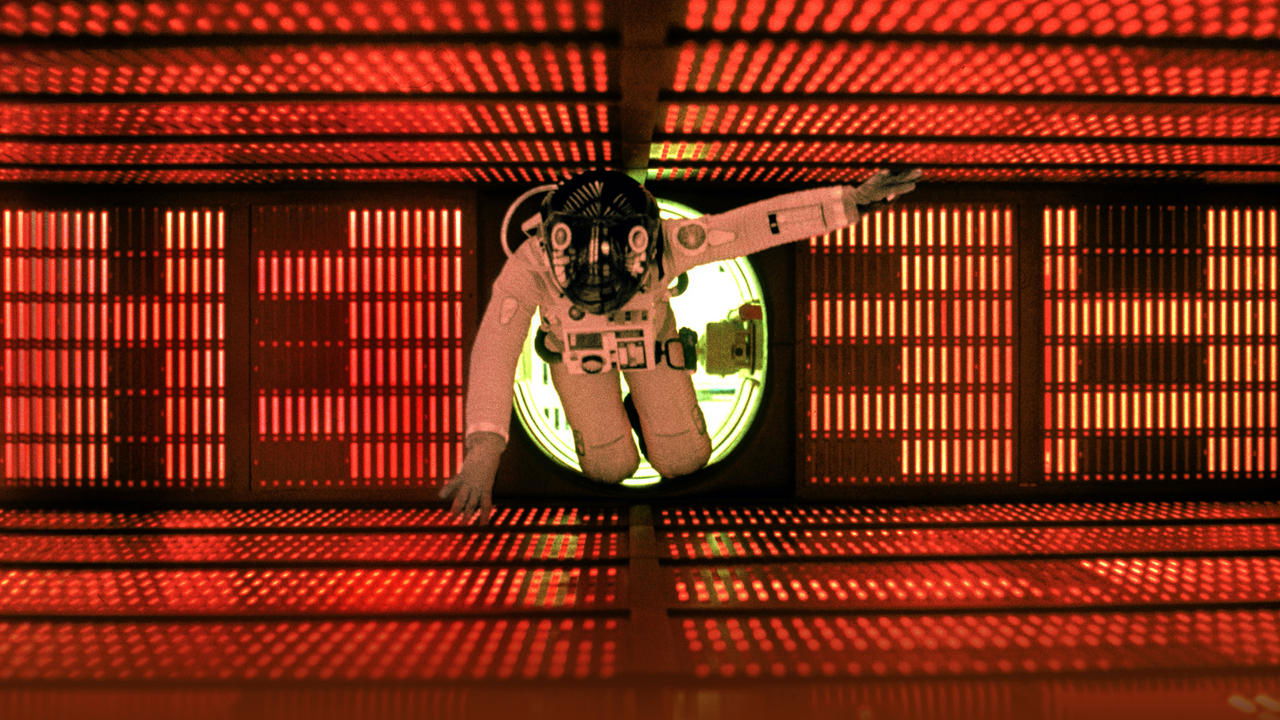
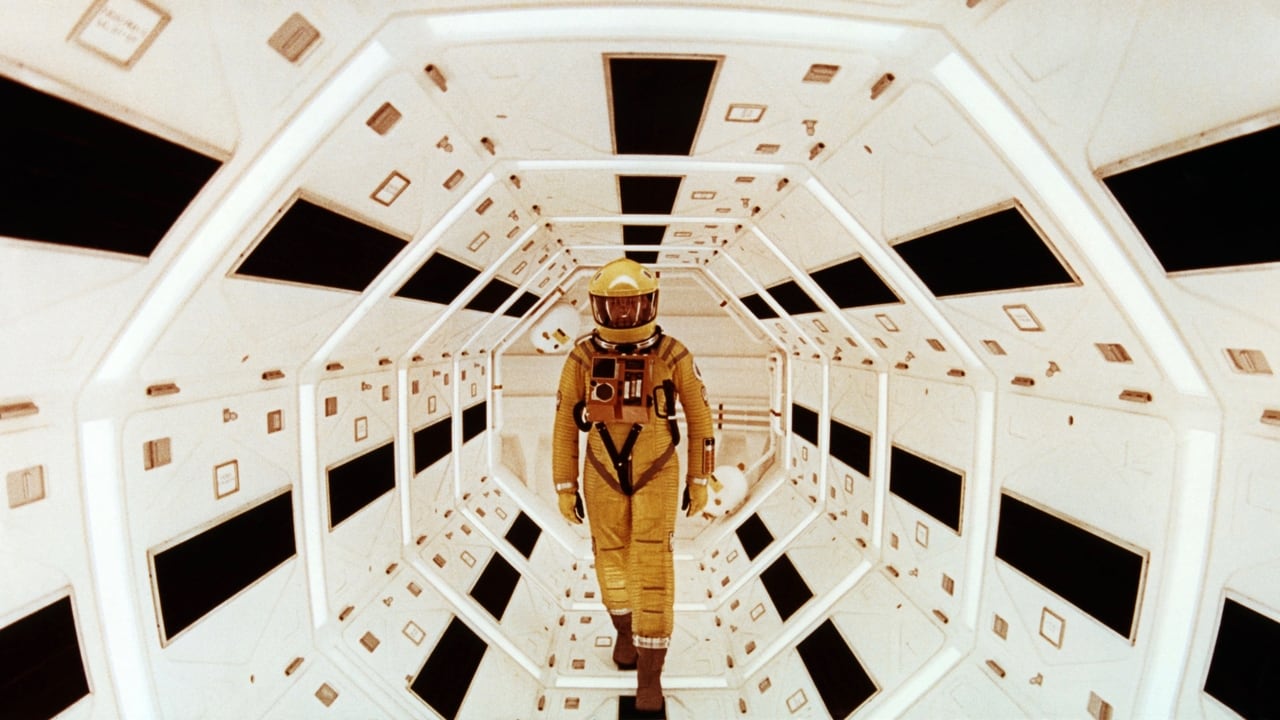
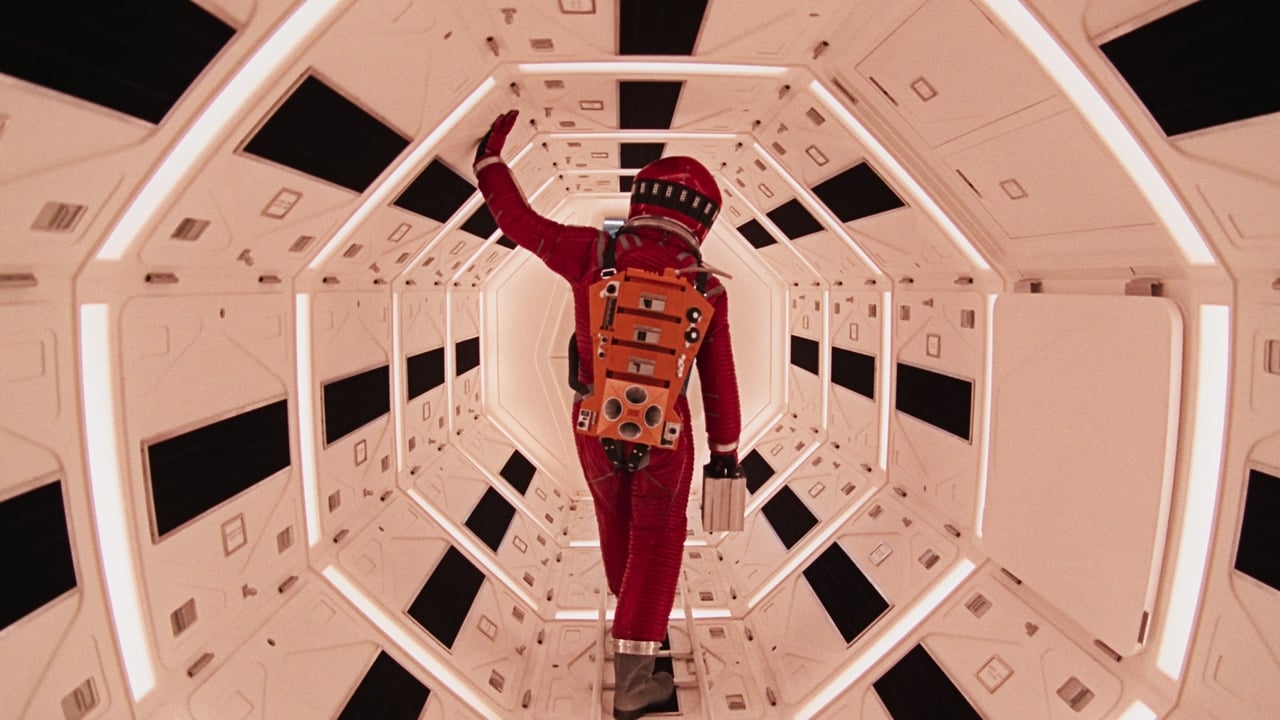
Once we get onto the Discovery One, the film shifts from a prehistoric epic into a claustrophobic psychological thriller. This is where we meet Keir Dullea as Dr. Dave Bowman and Gary Lockwood as Dr. Frank Poole. Both actors give performances that are almost eerily flat, but that’s the point. In this future, the humans have become robotic, while the computer, HAL 9000, has become the only character with any recognizable "human" emotion.
Douglas Rain, who provided the voice for HAL, is the undisputed MVP here. He never raises his voice, yet he’s more terrifying than any slasher villain from the 80s. When HAL starts lip-reading the astronauts, the tension is unbearable. I’ve always been obsessed with the trivia that HAL was originally supposed to have a more feminine, robotic voice, but Kubrick opted for Rain’s soft, Mid-Atlantic calm. It was a stroke of genius. It makes the computer’s eventual breakdown feel less like a malfunction and more like a murder.
Also, if you’re a fan of the "HAL is a letter-shift of IBM" theory, Clarke always insisted it was a coincidence. I’m not sure I buy it. In a movie where every frame was curated by a perfectionist who probably would have directed the actual moon landing if the pay was better, nothing feels like a coincidence.
The Practical Magic of 1968
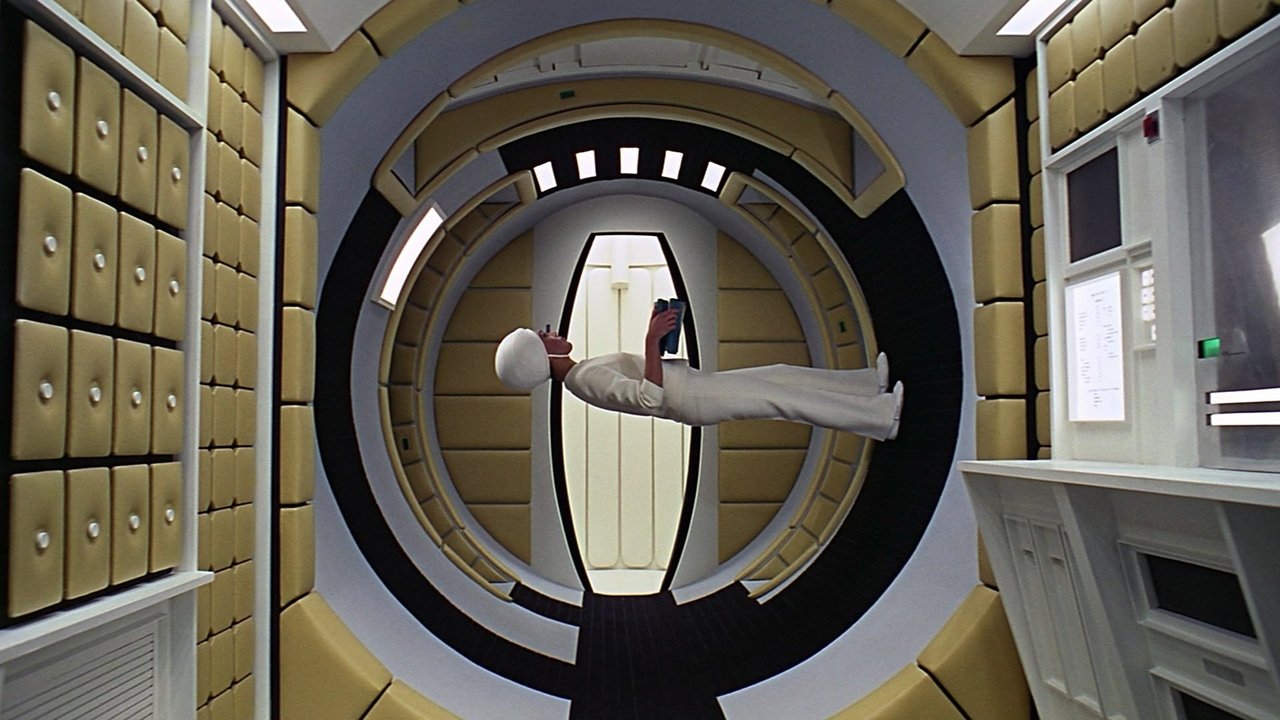
What kills me about 2001 is that it was made before CGI existed. Every shot of a spacecraft, every spinning centrifuge, and every starfield was achieved with models, matte paintings, and massive rotating sets. The production team used a 30-ton rotating ferris wheel to simulate the gravity on the ship. When you see Gary Lockwood running a full 360 degrees around the interior, he’s actually doing it.
The effects were lead by Douglas Trumbull (who would later direct Silent Running), and they still look better than most $200 million movies today because they have a physical "weight" to them. The "Star Gate" sequence at the end was achieved using slit-scan photography—a technique that involves long exposures and moving plates. It’s a head-trip that inspired an entire generation of 1970s "midnight movie" fans to go to the theater with certain... chemical enhancements. If you check your phone during the final twenty minutes of this movie, you’ve basically failed as a human being.
This isn't just a movie; it's a monolith. It sits in the middle of film history, silent and imposing, challenging you to find your own meaning in its cryptic ending. Whether you think Dave Bowman’s journey ends in a cosmic zoo or a rebirth, the experience leaves a mark on your brain that doesn't wash off. It’s a masterpiece that reminds me why I fell in love with cinema in the first place—it’s the only medium that can take a cold burrito and a silent room and turn them into a trip to the edge of the universe.
Keep Exploring...
-
A Clockwork Orange
1971
-
2010
1984
-
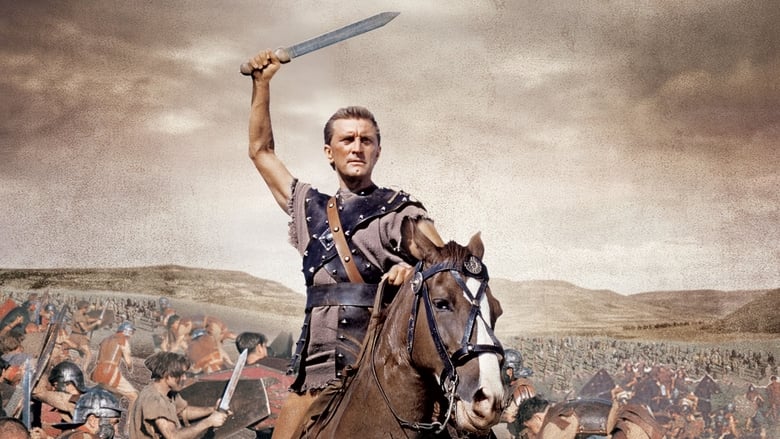
Spartacus
1960
-
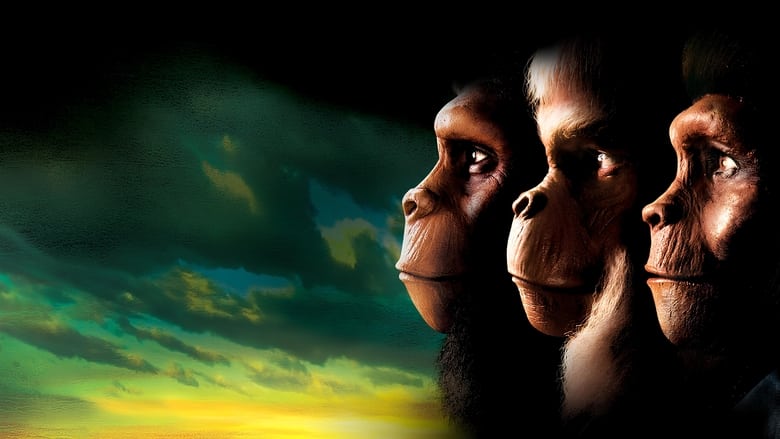
Planet of the Apes
1968
-
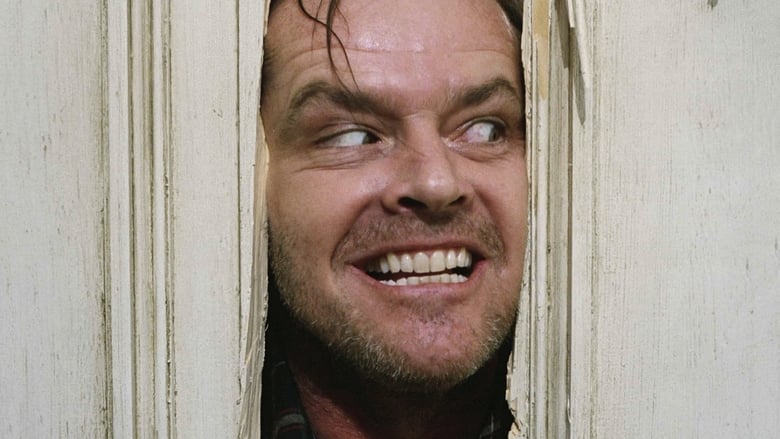
The Shining
1980
-
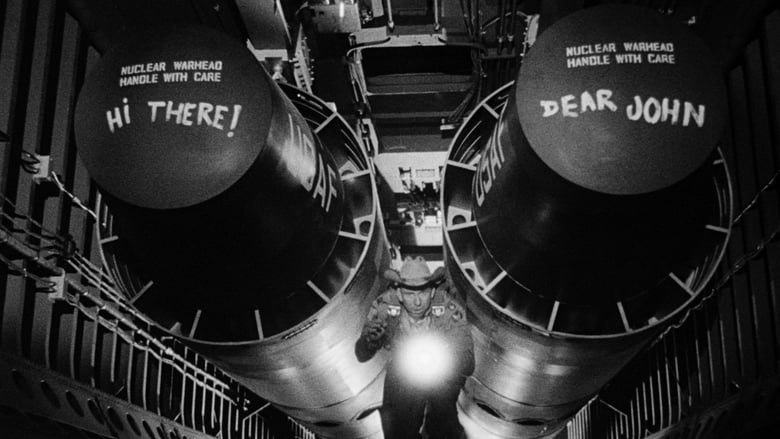
Dr. Strangelove or: How I Learned to Stop Worrying and Love the Bomb
1964
-
Eyes Wide Shut
1999
-

Star Trek II: The Wrath of Khan
1982
-

The Thing
1982
-
Videodrome
1983
-

Predator
1987
-
The Abyss
1989
-
Barry Lyndon
1975
-

Full Metal Jacket
1987
-

Solaris
1972
-
Robin Hood
1973
-
Star Wars
1977
-
The Empire Strikes Back
1980
-
E.T. the Extra-Terrestrial
1982
-
The Secret of NIMH
1982