Bullitt
"Coolness isn't a performance; it’s a survival tactic."
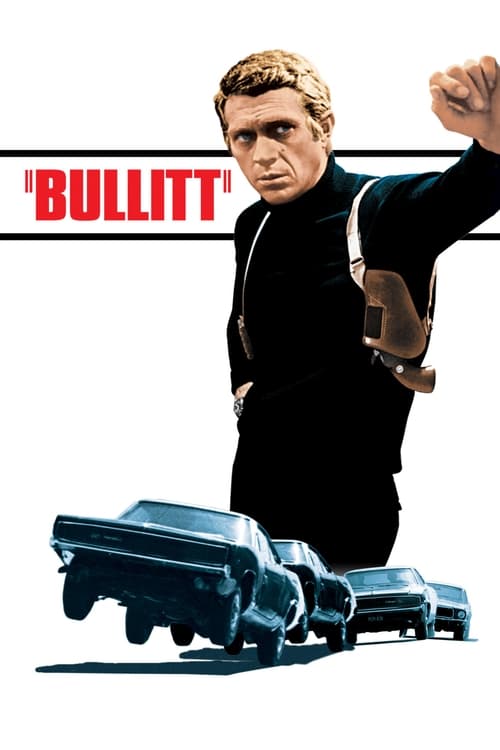
If you watch the first twenty minutes of Bullitt, you might think the film’s audio track has malfunctioned. There’s almost no dialogue. Instead, we get the rhythmic clacking of teletype machines, the hiss of hospital oxygen, and the low hum of San Francisco traffic. While most 1960s police procedurals were still trapped in the theatrical shadow of the "Golden Age"—all stagy line deliveries and backlot lighting—Director Peter Yates decided to let the silence do the heavy lifting. I watched this recently while drinking a room-temperature espresso that had gone slightly bitter, and honestly, the grit of the coffee perfectly matched the celluloid texture of this movie.

The King of Minimalist Cool
At the center of this quiet storm is Steve McQueen. By 1968, McQueen was already a titan, but as Lt. Frank Bullitt, he redefined what a cinematic hero looked like. He doesn't give rousing speeches. He doesn't even seem to like people very much. He wears a brown turtleneck under a tweed blazer like a suit of armor, moving through a world of bureaucratic filth with a weary, blue-eyed detachment.
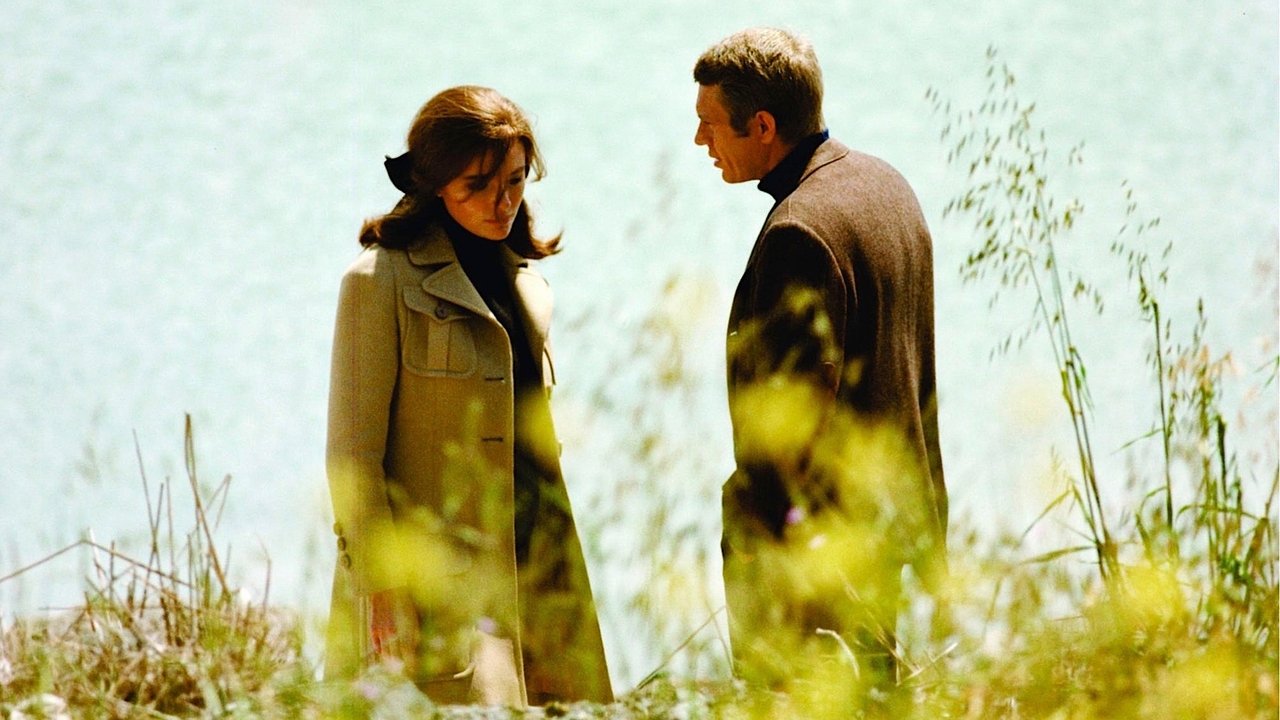
Opposite him is Robert Vaughn as Walter Chalmers, a social-climbing Senator who views the law as a ladder and Bullitt as a rung. Vaughn is magnificently oily here, radiating a type of polished, high-society menace that makes you want to wash your hands after every scene he’s in. The tension between them isn’t about a "buddy cop" dynamic; it’s a class war. McQueen represents the exhaustion of the working man, while Vaughn represents the cold machinery of the state. Even Jacqueline Bisset, playing Bullitt’s girlfriend Cathy, serves mostly to highlight how dehumanizing the job is. Her realization that Bullitt has become "cluttered and callous" is the emotional anchor that keeps this from being just another shoot-'em-up.
Ten Minutes of Burned Rubber
We have to talk about the chase. It’s the law of film criticism. But instead of just saying "it’s great," let’s look at why it’s the blueprint for everything from The French Connection to John Wick.
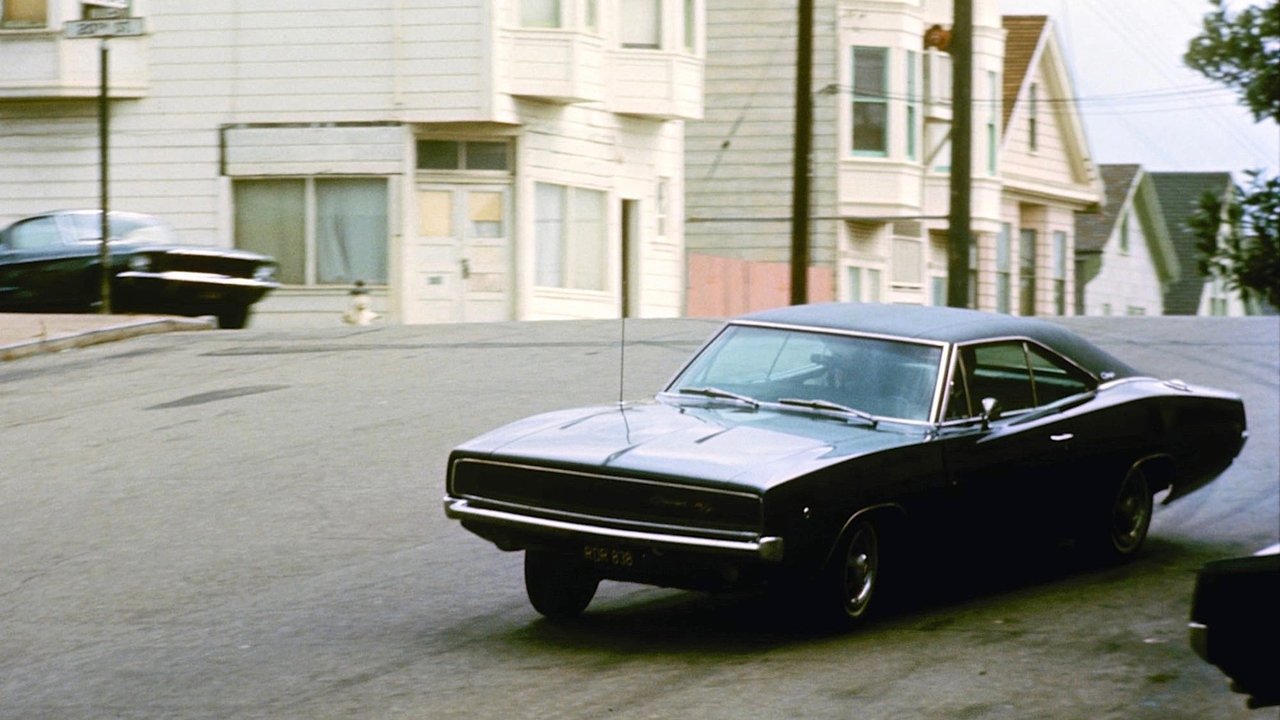
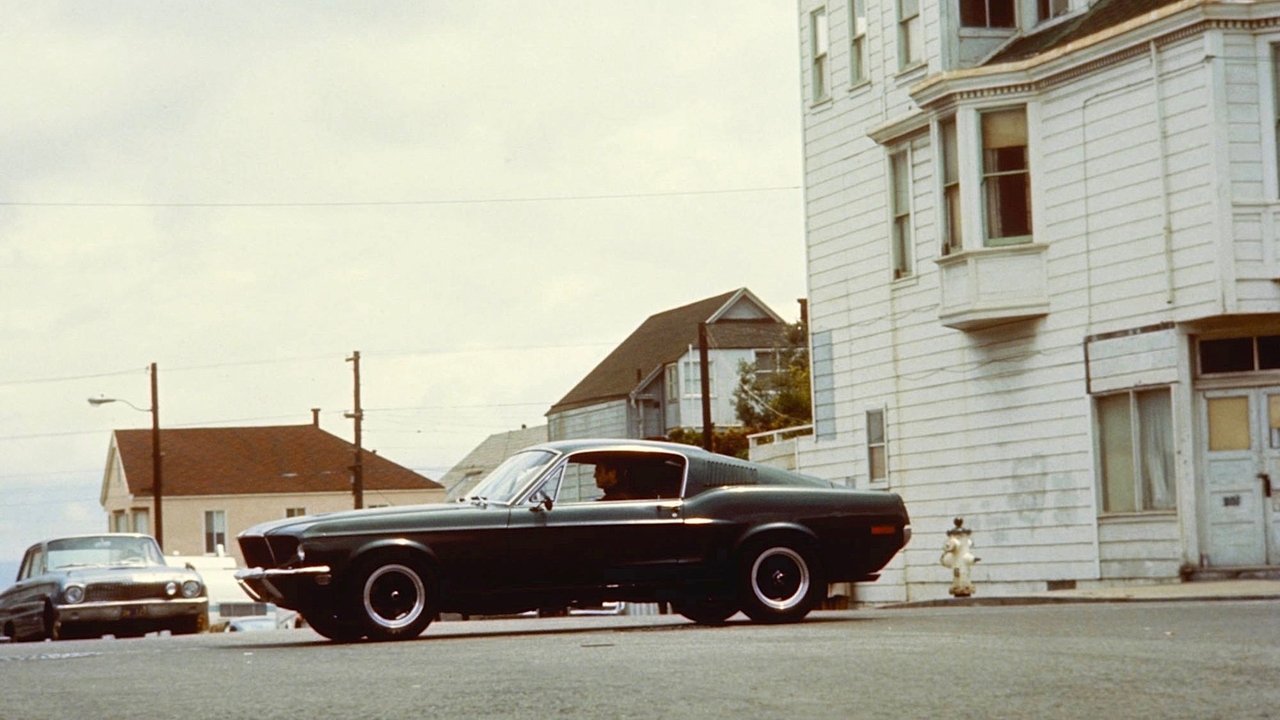
When Bullitt’s Highland Green Ford Mustang GT 390 squares off against the hitmen’s black Dodge Charger R/T, the music stops. Lalo Schifrin, who provided one of the most slick, jazz-fusion scores of the decade, was reportedly told by Yates to cut the music entirely for the sequence. It was a stroke of genius. The soundtrack becomes the roar of the big-block V8 engines and the legendary squeal of tires on asphalt.
The stunts were performed at speeds topping 110 mph on actual San Francisco streets—not a soundstage in sight. McQueen, a noted gearhead, did a significant portion of the driving, though the truly hair-raising jumps were handled by legendary stuntman Bud Ekins (who also performed the famous bike jump for McQueen in The Great Escape). If you look closely during the chase, you’ll see the same green Volkswagen Beetle appear in about four different shots; it’s a hilarious continuity hiccup in a sequence that is otherwise technically perfect. I’ve seen modern CGI chases that have less impact than a single shot of that Mustang’s hubcap flying off into the camera lens.
The Birth of the Gritty Procedural
Beyond the cars, Bullitt is a masterclass in New Hollywood atmosphere. William A. Fraker’s cinematography captures a San Francisco that feels lived-in and slightly decaying. This isn’t the postcard version of the city; it’s the version found in fluorescent-lit hospital corridors and foggy airport tarmacs. The final sequence at SFO airport is particularly haunting, utilizing the vast, empty spaces to create a sense of existential isolation.
The film marked a turning point. It moved the action hero away from the clean-cut perfection of the 50s and into the cynical, morally grey 70s. Frank Bullitt is the direct ancestor of Harry Callahan and Popeye Doyle. He’s a man doing a dirty job in a world that doesn’t appreciate the mess. The practical effects here—the real blood squibs, the actual glass shattering, the physical weight of the vehicles—give the film a "heavy" feeling that digital filmmaking struggles to replicate.
Bullitt is a film that demands you pay attention to the details rather than the plot, which—if we’re being honest—is a bit of a convoluted mess involving witness protection and identity swaps. But you aren't here for a complex mystery; you’re here to watch the coolest man in Hollywood drive a muscle car through a cloud of tire smoke. It is a mood piece disguised as an action movie, and it remains one of the most influential entries in the crime genre. If you can handle the deliberate, slow-burn pacing of the first hour, the payoff is a piece of cinema history that still feels like it was filmed yesterday.
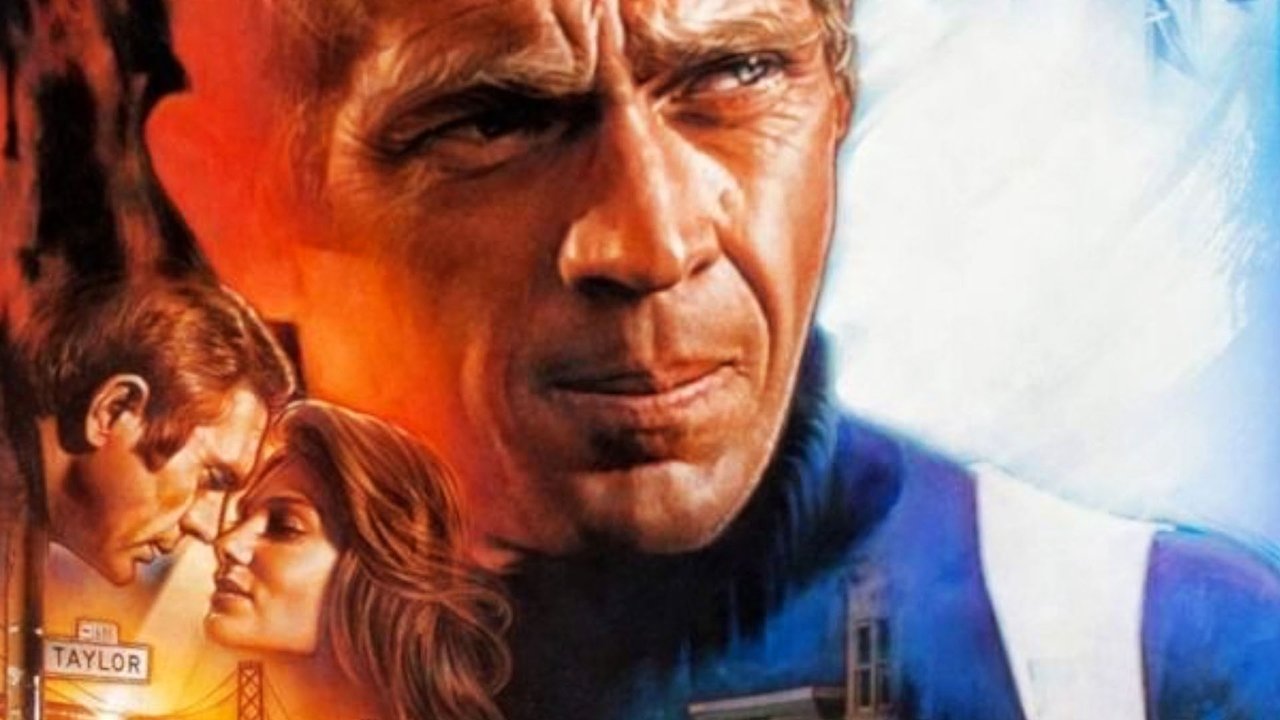
Keep Exploring...
-
Marathon Man
1976
-
Dirty Harry
1971
-
The French Connection
1971
-

The Towering Inferno
1974
-
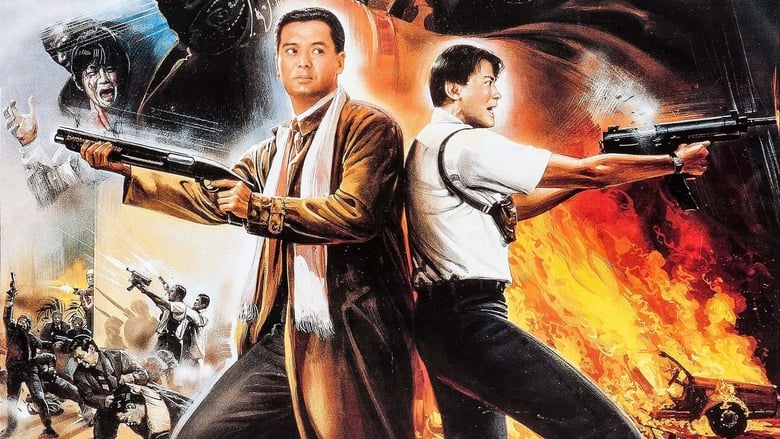
The Killer
1989
-

Magnum Force
1973
-
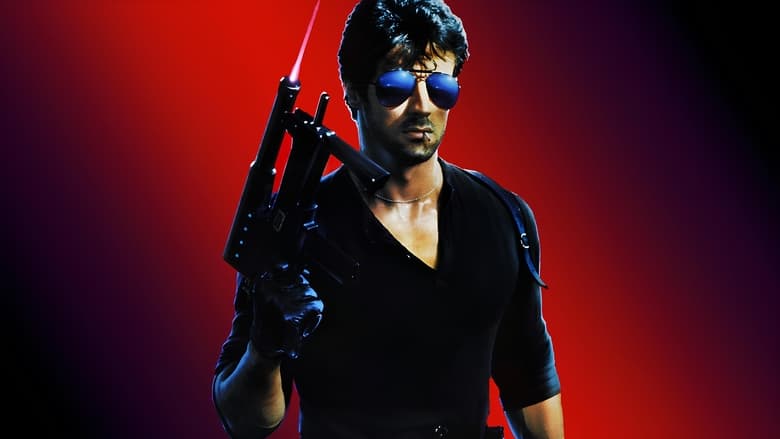
Cobra
1986
-

Midnight Run
1988
-
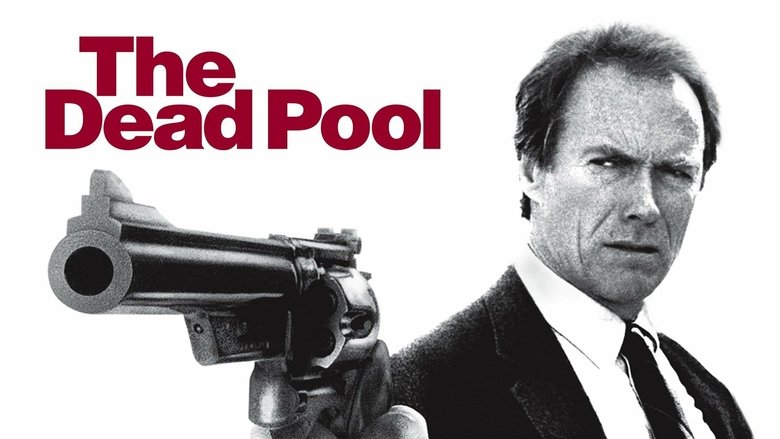
The Dead Pool
1988
-
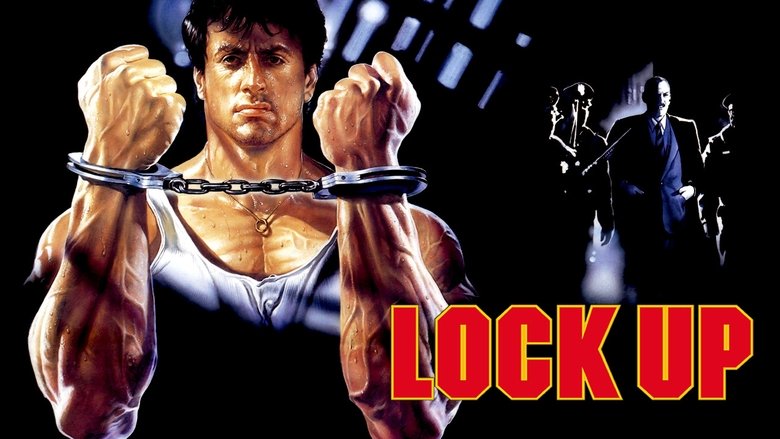
Lock Up
1989
-
Turner & Hooch
1989
-
Assault on Precinct 13
1976
-
Blow Out
1981
-
Clue
1985
-
Mississippi Burning
1988
-
Le Samouraï
1967
-

Frenzy
1972
-

Papillon
1973
-

Red Heat
1988
-

Murder by Death
1976