Night of the Living Dead
"They’re coming for you—and they’re not staying dead."
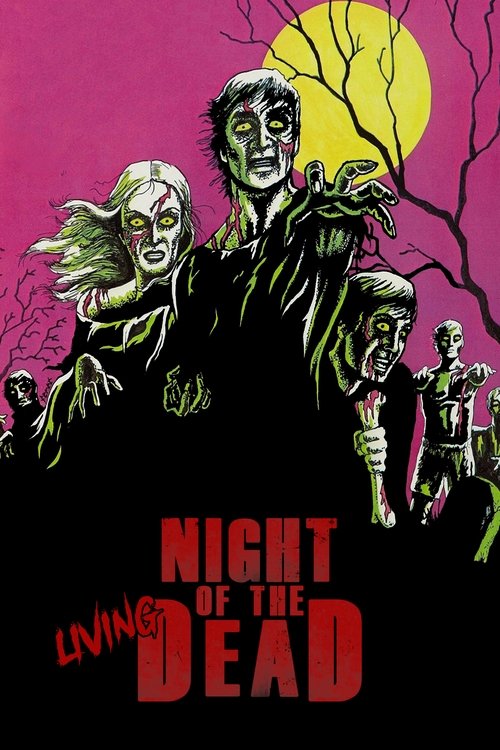
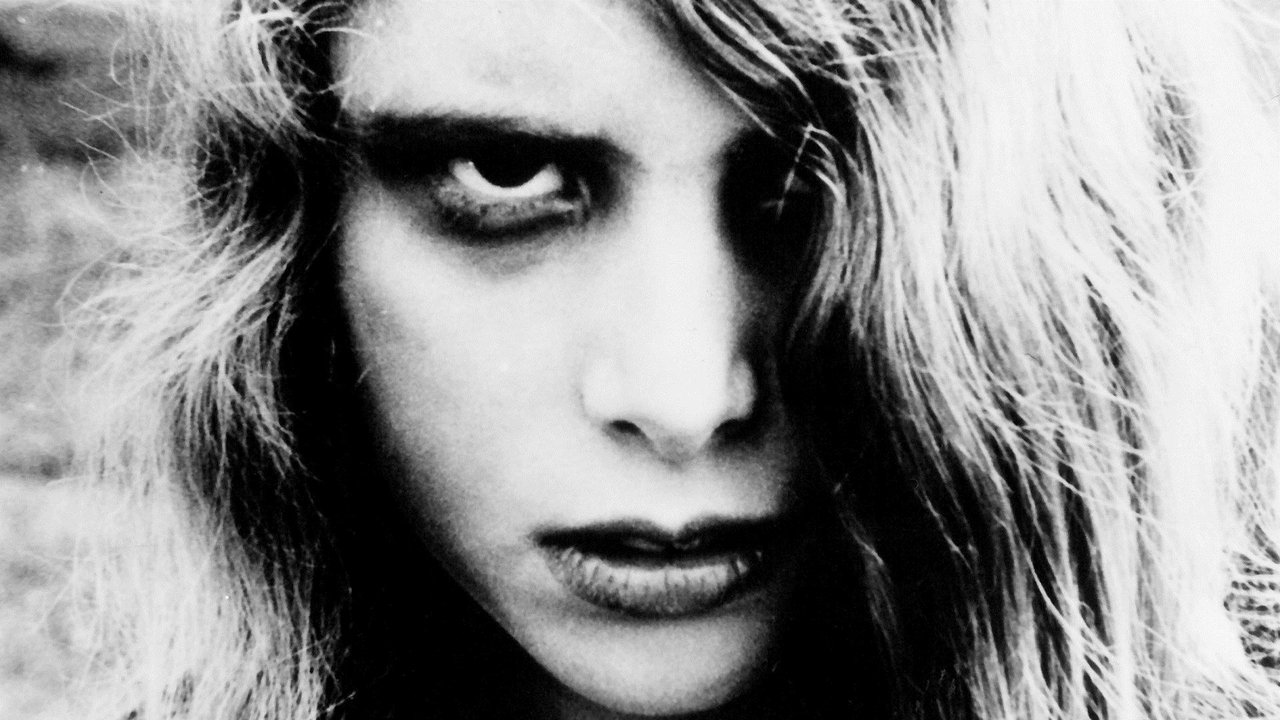
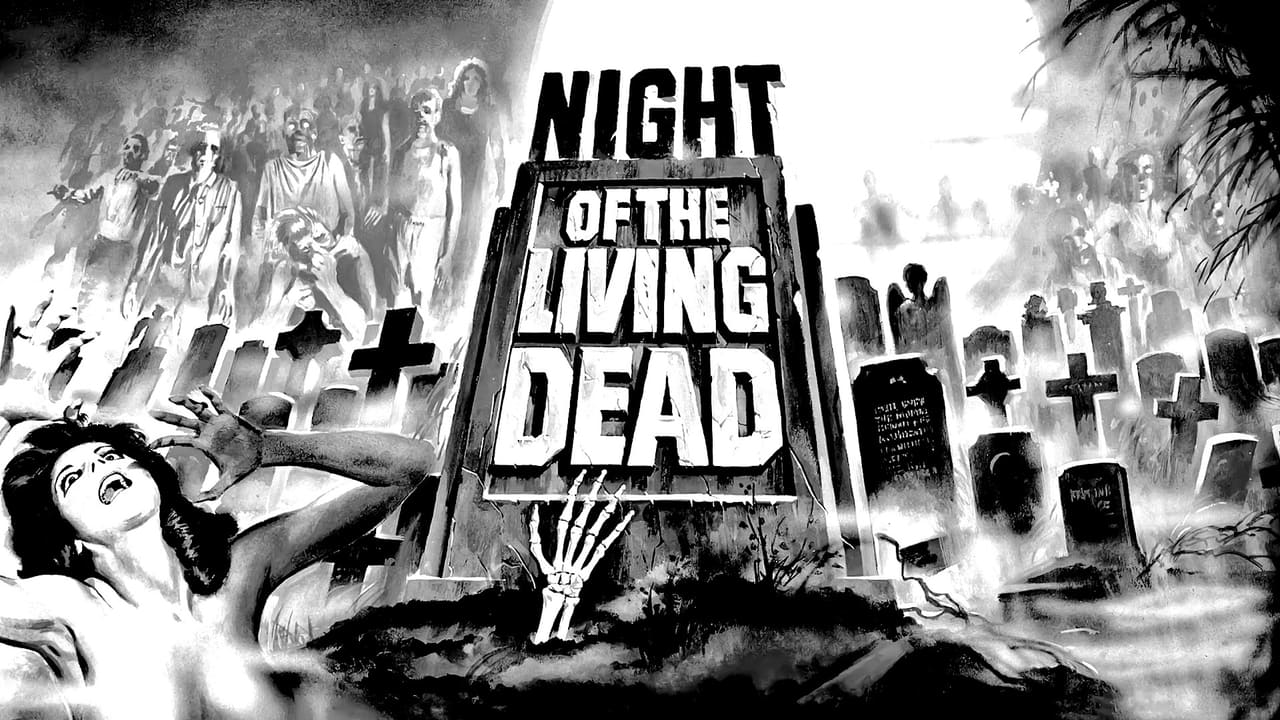
The sun is setting over a flat Pennsylvania horizon, and the first thing you notice isn't the monsters; it's the silence. There’s a grainy, documentary-style chill to the opening of Night of the Living Dead that modern horror rarely captures. When Judith O'Dea, playing the perpetually traumatized Barbra, wanders through that cemetery, the atmosphere feels thin and precarious. Then, a spindly man in a suit staggers into frame, and the world of cinema shifts on its axis. I watched this again last Tuesday while my upstairs neighbor was apparently practicing for a professional bowling tournament, and even the rhythmic thud-thud of a heavy ball hitting the floor couldn't dull the sheer, grinding anxiety this film generates.
The $114,000 Nightmare
It is almost impossible to talk about this film without marveling at the sheer audacity of its production. George A. Romero didn't have a studio; he had a group of friends called Image Ten and a dream of making something "commercial" enough to pay the bills. They scraped together $114,000—a figure that wouldn't cover the catering budget on a Marvel flick today—and headed to a farmhouse in Evans City.
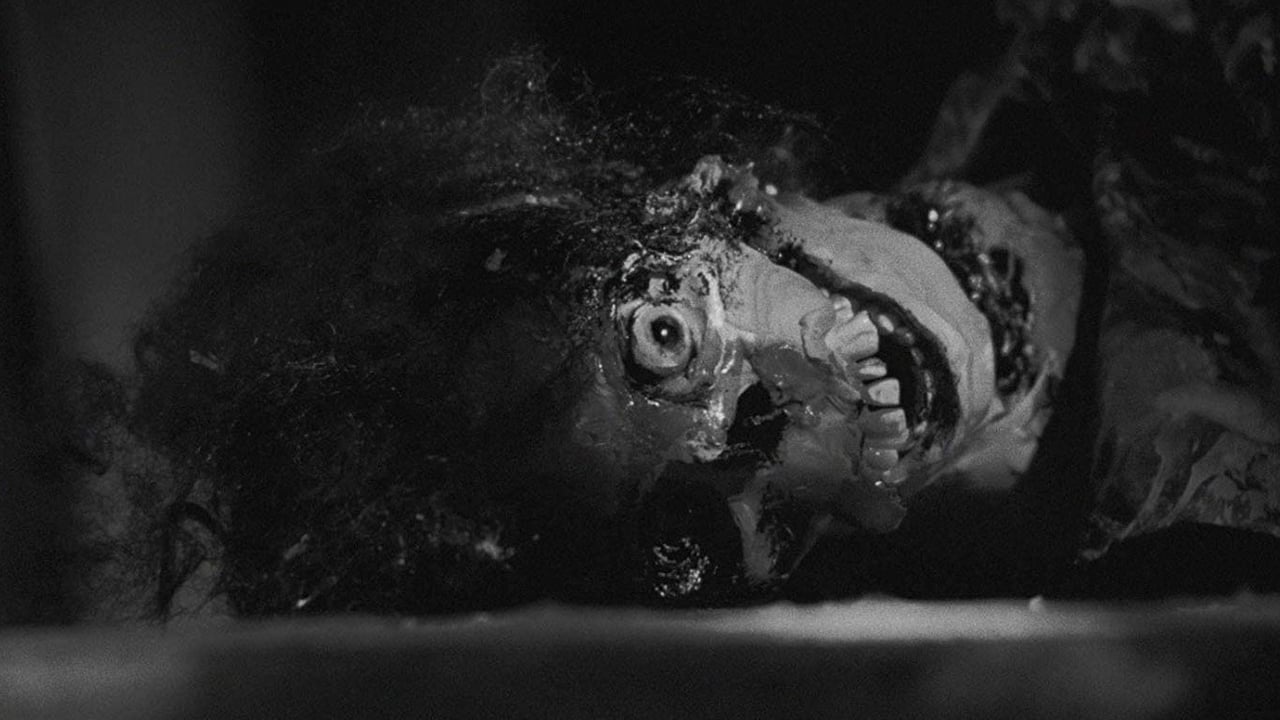
The budget constraints forced a level of ingenuity that defines the "Indie Gem" ethos. They couldn't afford elaborate blood rigs, so they used Bosco Chocolate Syrup. It looks pitch-black and thick on the monochrome film stock, far more unsettling than the bright neon red of the 1980s slasher era. The "ghouls"—Romero didn't actually call them zombies yet—were mostly locals who were paid in ham and t-shirts. Despite the shoestring nature of the shoot, there’s a professional crispness to the cinematography. George A. Romero handled the camera himself, opting for low angles and jarring cuts that make the farmhouse feel like a claustrophobic cage rather than a sanctuary.
A Hero for a Cynical Age
The heart of the movie, and its most revolutionary element, is Duane Jones as Ben. In 1968, casting a Black man as the capable, commanding lead of a horror film wasn't just rare; it was unheard of. The screenplay, co-written by John A. Russo, wasn't actually changed to accommodate Jones’s race—Ben was just written as the smartest guy in the room. Jones brings a weary, frantic energy to the role, desperately boarding up windows while Karl Hardman (who also produced the film) plays Harry Cooper, the ultimate "get off my lawn" antagonist.
The conflict between Ben and Harry is arguably more terrifying than the creatures outside. It’s a microcosm of the late 60s: the generational divide, the lack of trust, and the fatal inability to cooperate even when death is literally clawing at the door. Ben should have punched Harry Cooper into the basement five minutes into the movie, but the tension of their standoff is what keeps the mid-section of the film from sagging. While Barbra (O’Dea) sinks into a catatonic state, the men bicker over logistics, proving that humans are perfectly capable of sabotaging their own survival without any help from the supernatural.
The Accident That Changed Everything
If you’ve ever wondered why there are ten thousand zombie movies on every streaming service, you can thank a clerical error. When the theatrical distributor changed the title from Night of the Flesh Eaters to Night of the Living Dead, they accidentally omitted the copyright notice from the new title cards. This pushed the film immediately into the public domain. While it was a financial disaster for George A. Romero and his team at the time, it allowed the film to be broadcast everywhere, turning it into a ubiquitous cultural force. It became the ultimate "midnight movie," a staple of late-night TV that traumatized a generation of kids who stayed up past their bedtime.
The film's legacy is cemented by its ending, which remains one of the most soul-crushing finales in history. There is no triumphant music, no last-minute rescue, and no sense of justice. It’s a nihilistic gut-punch that mirrored the real-world violence of the Vietnam War and the assassinations of the era. The final grainy, still-frame shots look like newsreel footage of a lynching, a haunting image that ensures the horror lingers long after the credits crawl.
Night of the Living Dead isn't just a "classic" in the sense that it's old and important; it's a classic because it still works. The scares aren't dependent on CGI or loud jump-scares; they come from the realization that the walls are closing in and nobody is coming to save you. It’s a masterclass in tension that proved you don't need a million dollars to change the world—you just need a farmhouse, some chocolate syrup, and a bleak vision of humanity. If you haven't seen it, turn off the lights, ignore the neighbors, and prepare for a very long night.
Keep Exploring...
-

Day of the Dead
1985
-
Dawn of the Dead
1978
-
Land of the Dead
2005
-
The Birds
1963
-

Repulsion
1965
-
Psycho
1960
-
What Ever Happened to Baby Jane?
1962
-
Carrie
1976
-

Halloween
1978
-
Peeping Tom
1960
-
Rosemary's Baby
1968
-
Frenzy
1972
-
In the Heat of the Night
1967
-
Dirty Harry
1971
-
Don't Look Now
1973
-
The Omen
1976
-
From Russia with Love
1963
-
Blow-Up
1966
-
Straw Dogs
1971
-
Fist of Fury
1972