Once Upon a Time in the West
"The frontier is dying, and the ghosts are restless."
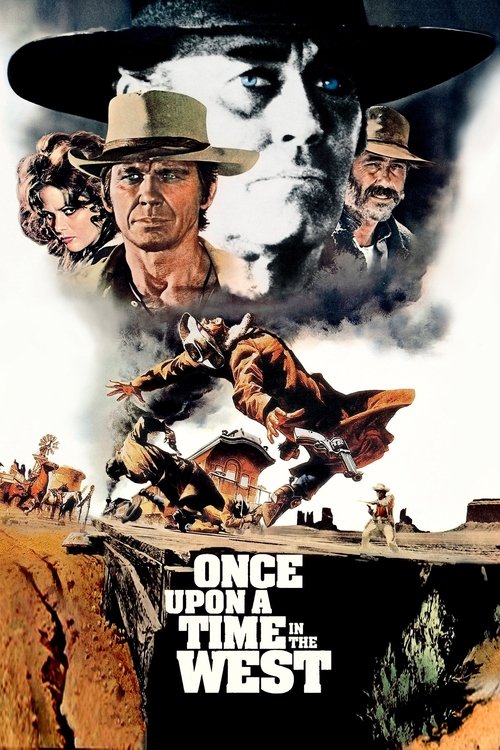
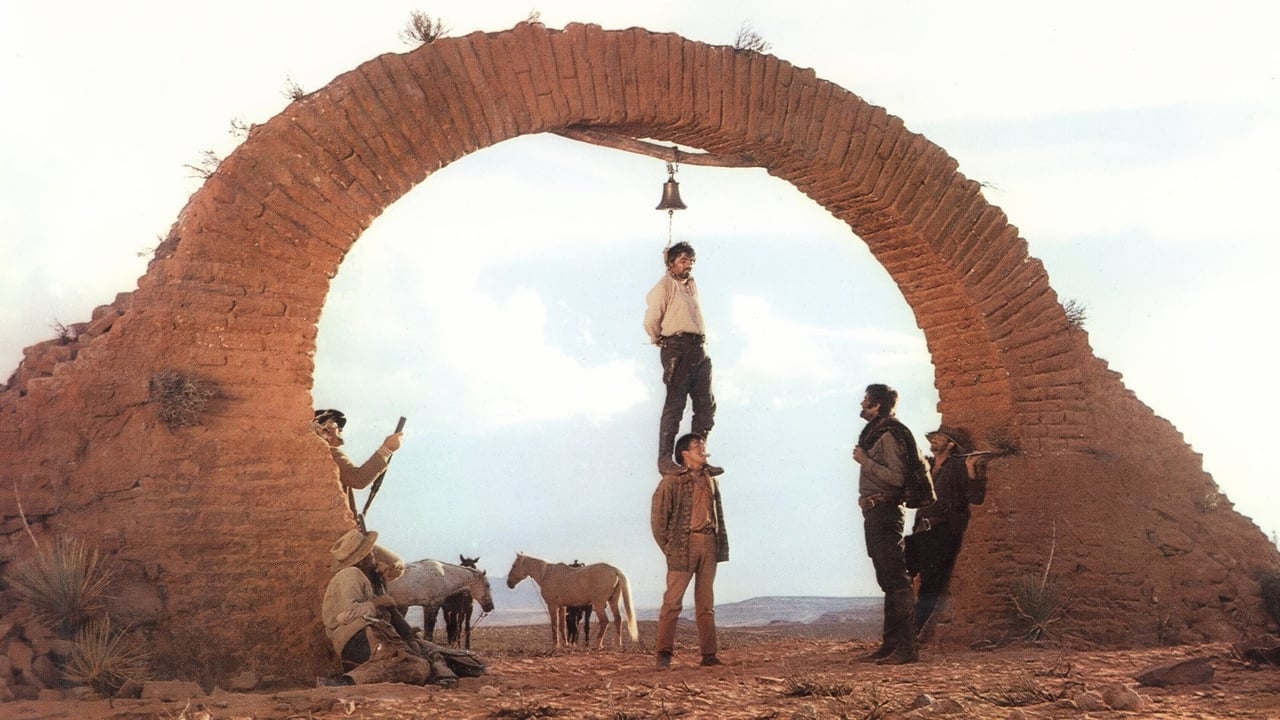
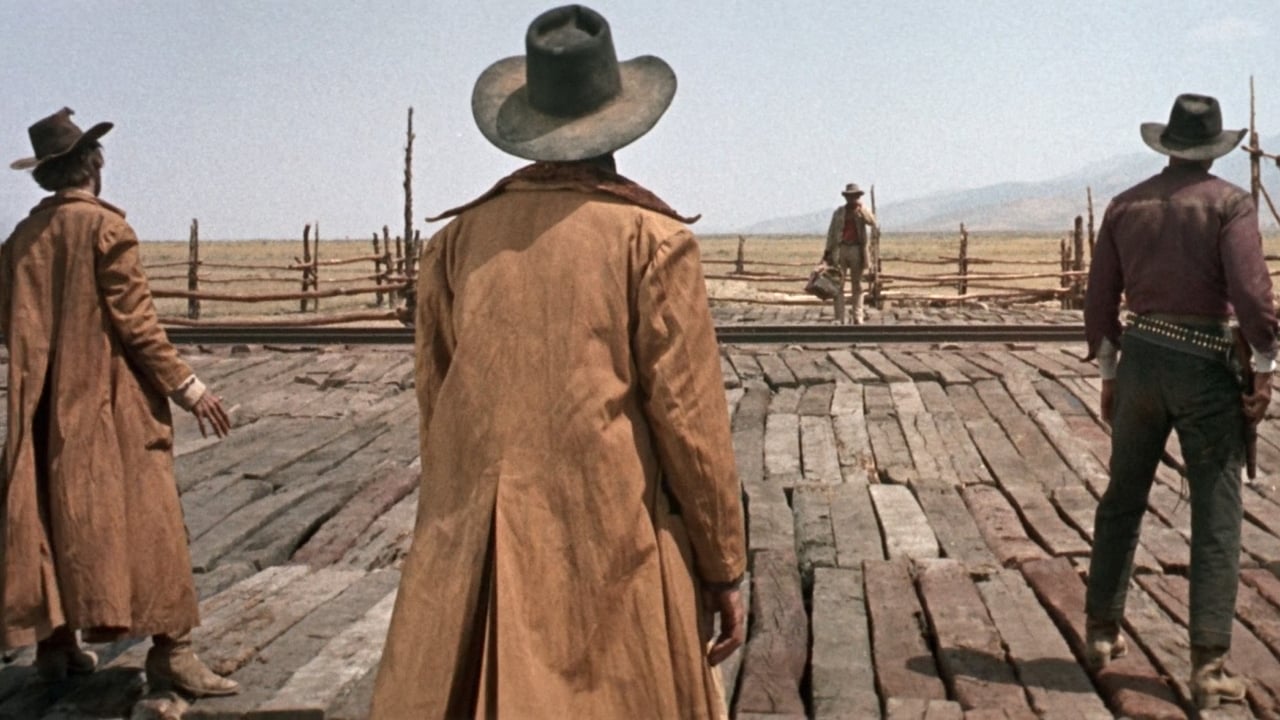
There is a fly crawling across Jack Elam’s weathered face, and for several agonizing, brilliant minutes, it is the most important thing in the world. Most directors would have swatted it away or cut to the chase, but Sergio Leone lets us sit there in the heat, listening to the creak of a rusty windmill and the rhythmic clack-clack of a telegraph. It’s a bold way to open a movie—fifteen minutes of almost zero dialogue—but it tells you exactly what you’re in for. This isn't just a Western; it's a 166-minute operatic funeral for the Old West.
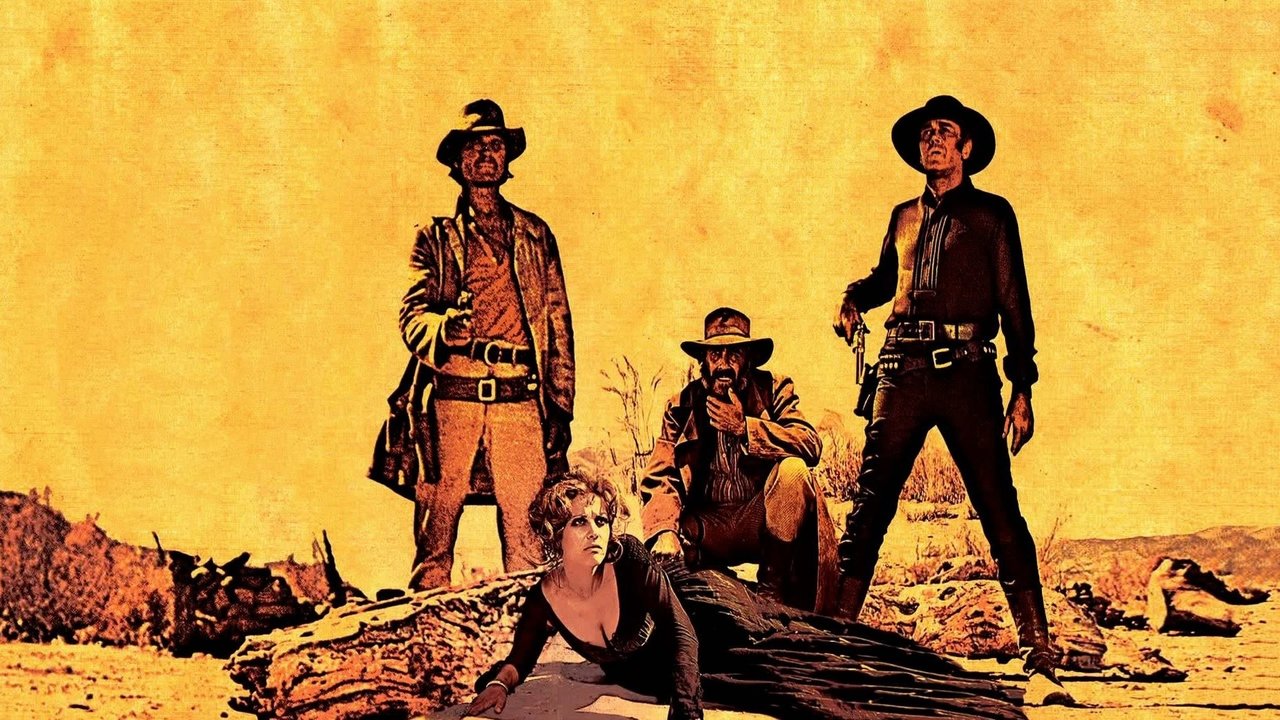
I first sat down with this behemoth on a rainy Tuesday afternoon, armed with a bowl of dangerously salty popcorn and a cat that insisted on sitting directly in my line of sight. By the time the harmonica started wailing, I’d forgotten the cat even existed. There’s a specific, heavy gravity to this film that pulls you in. It doesn't ask for your attention; it demands your submission to its pace.
The Death of a Myth
By 1968, the traditional Hollywood Western was gasping its last breath. The white hats were stained, and the frontier was being fenced in. Leone, fresh off his "Dollars" trilogy with Clint Eastwood, decided to move away from the cynical playfulness of those films toward something far more philosophical and mournful. The plot is ostensibly about a piece of land called Sweetwater—the only spot with water for miles—and the railroad barons who want it. But really, it’s about the collision between the "ancient" men of the gun and the modern men of the ledger.
Claudia Cardinale is the heart of the film as Jill McBain, a former prostitute who arrives from New Orleans to find her new family slaughtered. In an era where women in Westerns were often relegated to "the schoolmarm" or "the victim," Cardinale brings a grit and pragmatism that makes her the most "modern" person in the frame. She isn't waiting to be saved; she’s waiting to build something. Watching her face off against the dusty, dying world around her is one of the film’s greatest quiet pleasures.
Blue Eyes, Black Heart
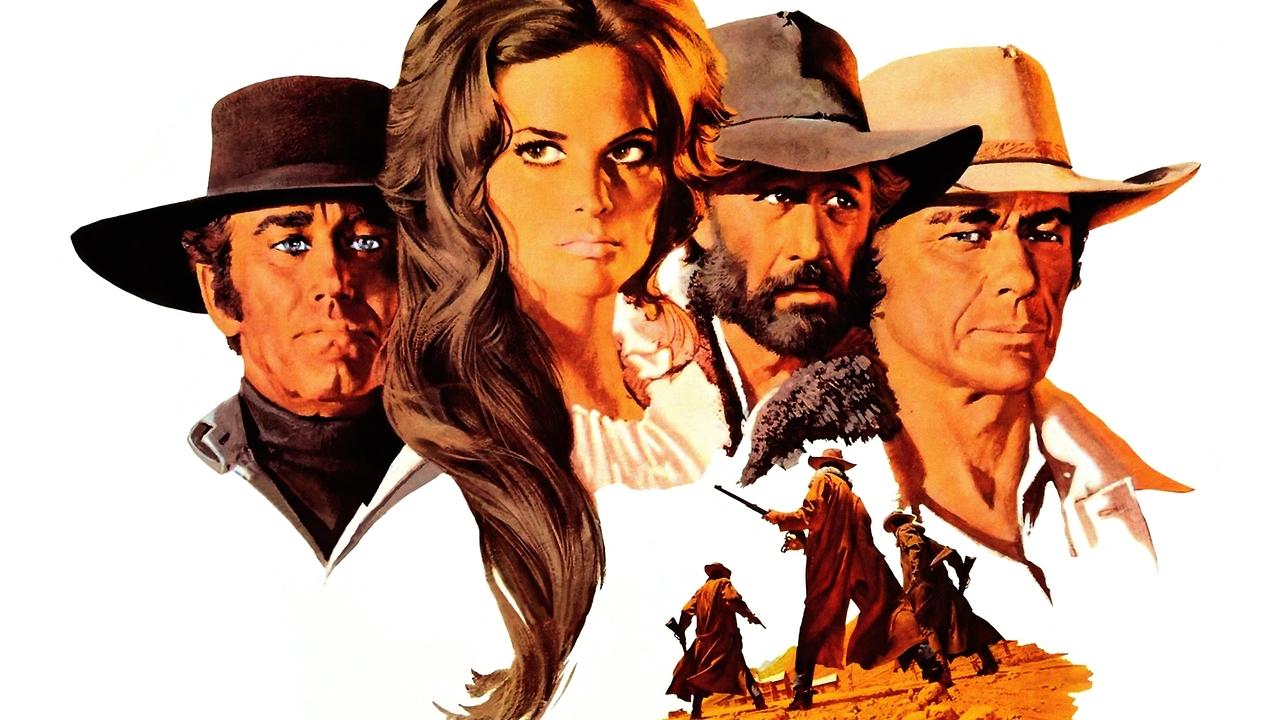
Then there’s the casting of Henry Fonda. To 1968 audiences, Fonda was the ultimate moral compass—the hero of 12 Angry Men and The Grapes of Wrath. When he makes his first appearance, stepping out of the brush after murdering a child, the camera zooms into those famous, icy blue eyes. It was a genuine shock to the system. Henry Fonda’s entrance is the cinematic equivalent of finding out Santa Claus runs a sweatshop. He plays Frank with a cold, corporate-adjacent cruelty that makes him one of the most terrifying villains in cinema history. He isn't just a killer; he’s an employee of progress who has realized he’s becoming obsolete.
Opposite him is Charles Bronson as 'Harmonica.' While Bronson would later become the face of 70s and 80s urban vigilante cinema in Death Wish, here he is a silent, vengeful specter. He barely speaks, letting his instrument and his squint do the heavy lifting. Jason Robards rounds out the trio as Cheyenne, providing a rugged, soulful humor that balances the film’s more self-serious moments. The chemistry between these three men—who represent different facets of a fading era—is captured in extreme close-ups that make their pores look like mountain ranges.
The Symphony of the West
You cannot talk about this film without talking about Ennio Morricone. Most soundtracks are added in post-production, but Leone actually had Morricone write the score before filming began. Leone played the music on set to help the actors find their rhythm. It shows. Every character has a "leitmotif"—a specific musical theme that announces their presence. Harmonica’s theme is a piercing, dissonant wail; Frank’s is a menacing guitar riff; Jill’s is a soaring, beautiful orchestral swell.
The score acts as the film's narrator. It’s incredibly cerebral—the music tells you what the characters are thinking when they refuse to speak. If you watch this movie on a phone with tinny speakers, you deserve a federal prison sentence. The audio landscape, crafted by Tonino Delli Colli’s cinematography and Morricone’s batshit-crazy genius, requires a proper sound system (or at least a decent pair of headphones) to truly feel the vibration of the desert.
A Masterpiece of Patience
For the trivia buffs: the film’s story was actually a collaboration between Leone and two future titans of Italian cinema, Bernardo Bertolucci (The Last Emperor) and Dario Argento (Suspiria). They spent days watching classic American Westerns, stitching together a script that served as a "greatest hits" of the genre's tropes while simultaneously deconstructing them.
The film was a massive hit in Europe but famously flopped in the States, where Paramount hacked it down to a shorter, more "digestible" runtime. It wasn't until the home video revolution that American audiences could finally see the full, 166-minute version. I remember seeing the two-tape VHS set in the 80s; it looked like a brick. Watching it on a flickering CRT TV actually added to the grit, but seeing it now in high definition reveals just how much detail went into the production design. The town of Flagstone was built entirely for the film, and it feels lived-in, sweaty, and doomed.
Once Upon a Time in the West is a slow-burn masterpiece that proves "action" isn't about how many bullets are fired, but about the tension before the trigger is pulled. It’s a beautiful, cynical, and deeply moving look at how the world moves on, whether we’re ready for it or not. It’s the kind of movie that makes you want to buy a duster coat and stare intensely at the horizon for three hours. Just make sure you have some good snacks and a very comfortable chair.

Keep Exploring...
-
A Fistful of Dollars
1964
-
For a Few Dollars More
1965
-
The Good, the Bad and the Ugly
1966
-
Duck, You Sucker
1971
-

Once Upon a Time in America
1984
-
Cinema Paradiso
1988
-
The Leopard
1963
-
Raging Bull
1980
-
The Elephant Man
1980
-
Amadeus
1984
-
Kiki's Delivery Service
1989
-
Butch Cassidy and the Sundance Kid
1969
-
High Plains Drifter
1973
-
8½
1963
-

The Sound of Music
1965
-
Who's Afraid of Virginia Woolf?
1966
-
Planet of the Apes
1968
-
The Wild Bunch
1969
-
Amarcord
1973
-
Dances with Wolves
1990