Planet of the Apes
"Man is the beast in a world gone ape."
The first thing that hits you isn't the sight of a chimpanzee on horseback; it’s the sound. Jerry Goldsmith (who later gave us the haunting tones of Alien) composed a score here that sounds less like a movie soundtrack and more like a fever dream occurring inside a sheet-metal factory. It’s abrasive, using stainless steel mixing bowls and ram’s horns to create a sonic landscape that tells you, long before you see a single primate, that George Taylor is no longer in Kansas. I watched this again recently while nursing a mild head cold, and the sheer percussive clang of the "The Hunt" sequence made my sinuses vibrate in a way that felt oddly appropriate for a film about the collapse of civilization.

Sweat, Fur, and Social Satire
Charlton Heston is the ultimate vessel for 1960s cinematic cynicism. As George Taylor, he isn’t a wide-eyed explorer; he’s a misanthrope who volunteered for a one-way trip into the cosmos just to get away from his own species. When he finally encounters the dominant culture of this "distant" planet, his iconic bark of "Take your stinking paws off me, you damn dirty ape!" carries a weight of exhausted irony. He escaped a world of humans he hated only to become the "missing link" in a society that mirrors all our worst impulses.
What makes this work so well—and why it didn't just become a forgotten piece of B-movie schlock—is the script by Rod Serling (The Twilight Zone) and Michael Wilson. They took Pierre Boulle’s novel and turned it into a stinging reversal of the Scopes Monkey Trial. Watching the "Trial of Taylor" is a masterclass in intellectual dread. We see Maurice Evans as Dr. Zaius, a character who is simultaneously a man of faith and a man of science, suppressing the truth for the "protection" of his society. He’s a villain you can actually understand, which is far more terrifying than a monster who just wants to eat you.
The Gospel According to Zaius
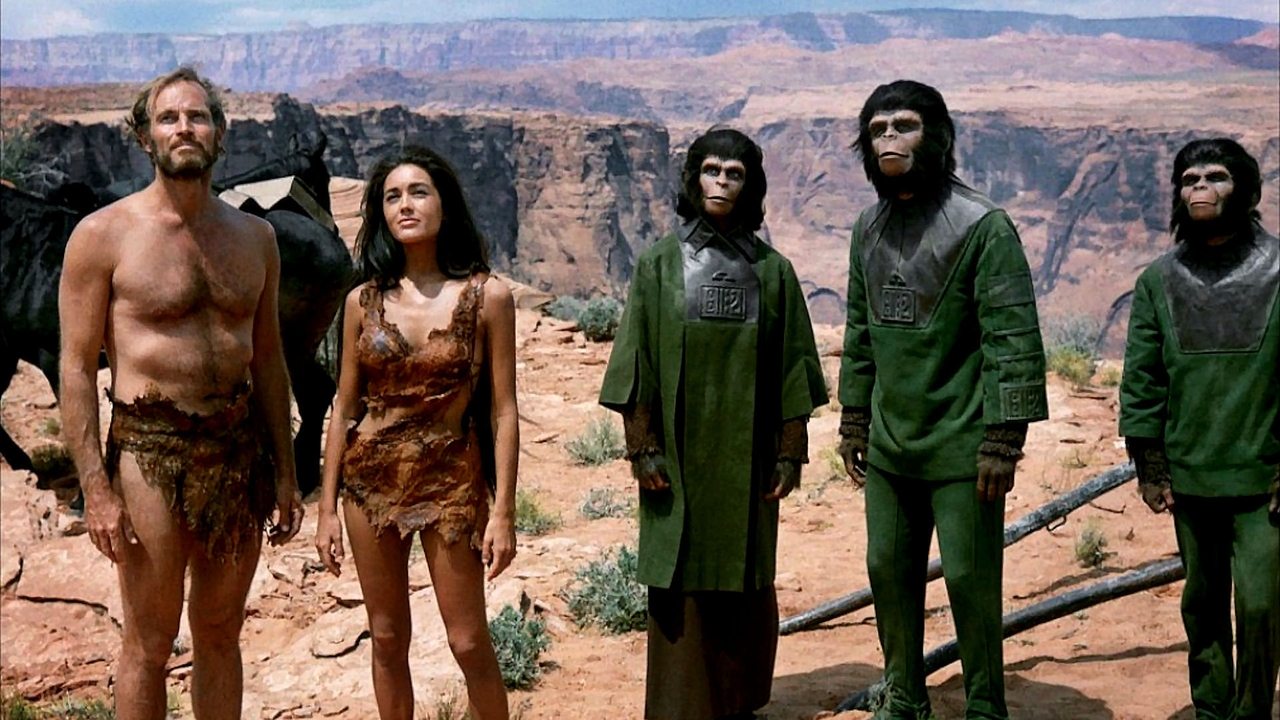
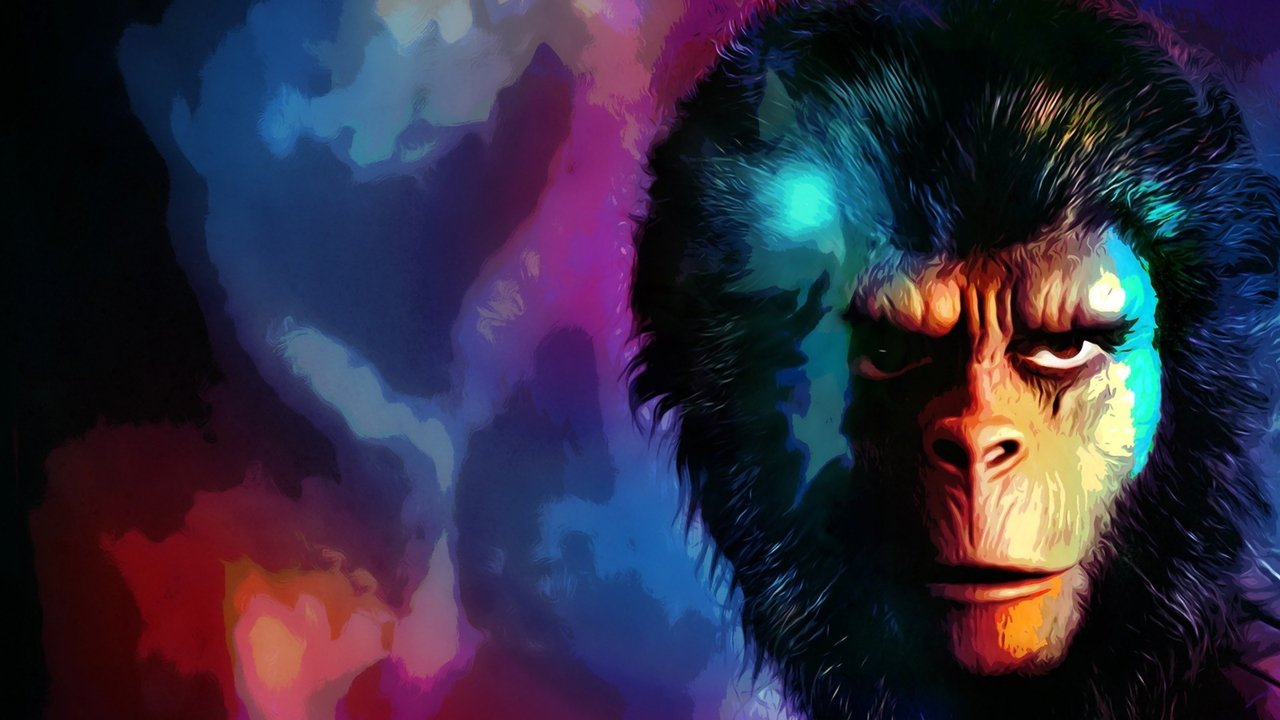
The practical effects here are nothing short of a miracle for 1968. John Chambers—who was later involved in the real-life CIA "Argo" mission—created makeup appliances that allowed for actual acting. You don’t just see masks; you see the inquisitive twitch of Kim Hunter’s Zira or the subtle, academic arrogance in Roddy McDowall’s Cornelius. The actors were reportedly so committed to their "species" that they segregated themselves by rank (gorillas, chimps, and orangutans) during lunch breaks, which is exactly the kind of eccentric method acting I live for.
There’s a tactile grit to Franklin J. Schaffner’s direction. He uses the brutalist architecture of the California coastline and the desolate beauty of Glen Canyon to make the "Forbidden Zone" feel truly ancient. The action isn’t the hyper-edited chaos of modern blockbusters; it’s physical and desperate. When the gorillas first charge through the tall grass, capturing the "human" herd, it feels like a nature documentary filmed in a nightmare. The apes look better in 1968 than most CGI creatures did in 2005, purely because they have the weight of actual bodies behind them.
The Serling Touch and the Home Video Legacy
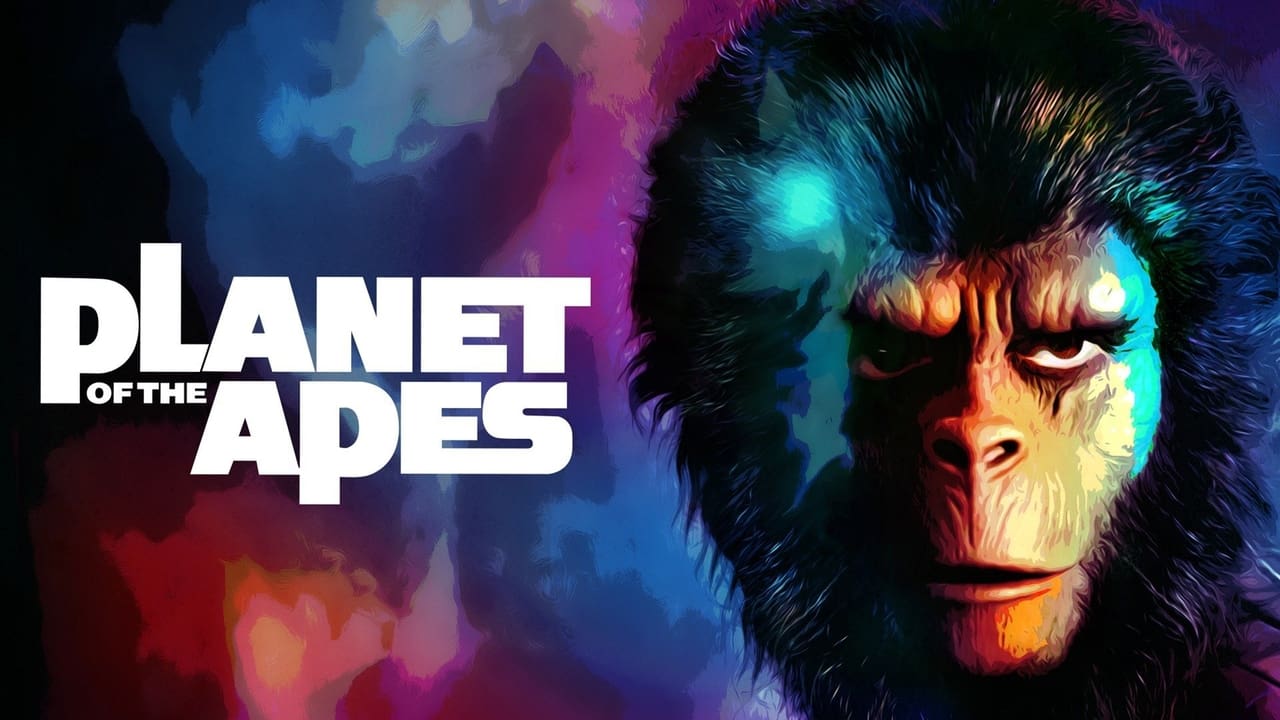
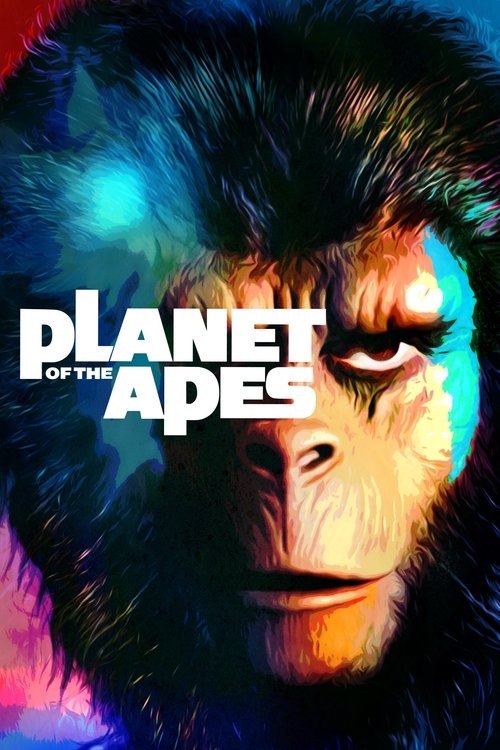
While Planet of the Apes was a theatrical smash, it became a foundational myth for those of us who grew up with the VHS revolution. I remember the 20th Century Fox "Five-Star Collection" tapes that sat on rental shelves like a forbidden library. The cover art for the 1968 original often dared to hint at that legendary ending, but even if you knew it was coming, the reveal never loses its punch. It’s the ultimate "Twilight Zone" twist, one that recontextualizes every single frame that came before it. It’s also one of the few films where the sequels actually managed to get weirder and more nihilistic, creating a circular timeline that kept fans arguing at comic shops for decades.
It’s easy to poke fun at some of the era's quirks—the orange jumpsuits are very "NASA by way of a disco," and Taylor’s ability to survive multiple gunshot wounds and a throat injury just long enough to deliver a monologue is pure Hollywood magic. But beneath the fur and the 60s machismo, there is a profound, aching sadness to this movie. It’s a film that asks if we are fundamentally capable of not destroying ourselves. In an era of high-concept spectacles, Planet of the Apes remains the gold standard for how to hide a philosophical gut-punch inside a summer popcorn flick.
Planet of the Apes is a rare specimen: a blockbuster that treats its audience like adults while providing enough "Ape-o-mania" spectacle to satisfy the kid in all of us. It’s a cynical, beautifully shot, and perfectly paced piece of speculative fiction that still feels uncomfortably relevant. If you can ignore the slightly dated "primitive human" wigs, you’re left with a story that hits just as hard today as it did during the height of the Cold War. It’s the kind of movie that makes you want to go for a long walk on the beach—just to make sure everything is still where it’s supposed to be.
Keep Exploring...
-
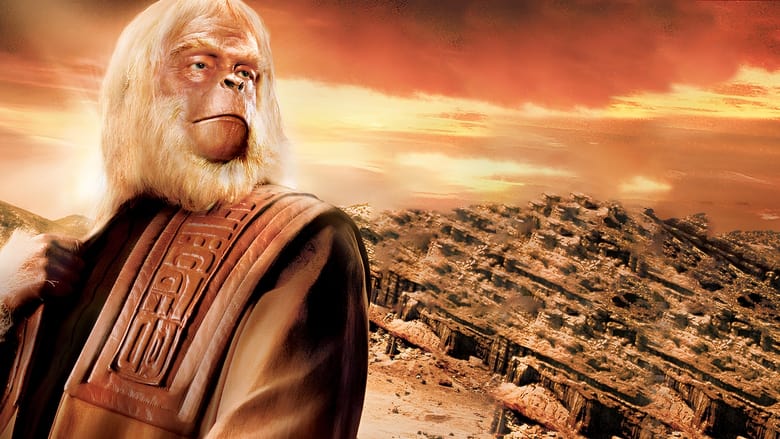
Beneath the Planet of the Apes
1970
-
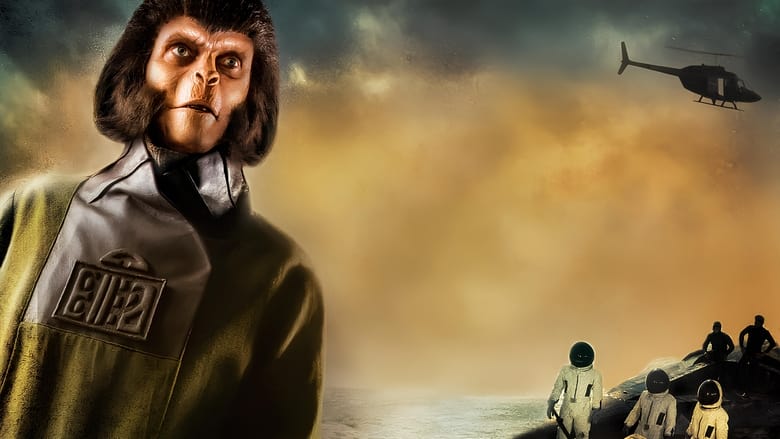
Escape from the Planet of the Apes
1971
-
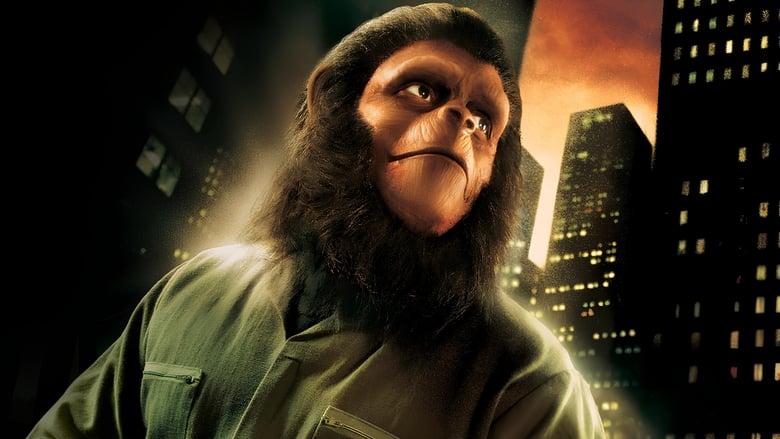
Conquest of the Planet of the Apes
1972
-

Papillon
1973
-

Battle for the Planet of the Apes
1973
-

Star Trek II: The Wrath of Khan
1982
-

Predator
1987
-

Akira
1988
-
Patton
1970
-

Star Wars
1977
-

The Empire Strikes Back
1980
-
Return of the Jedi
1983
-

The Karate Kid
1984
-

Gran Turismo
2023
-
2001: A Space Odyssey
1968
-
Tron
1982
-

Solaris
1972
-
The Poseidon Adventure
1972
-

Superman
1978
-

Superman II
1980