Rosemary's Baby
"Your neighbors have plans for your nursery."
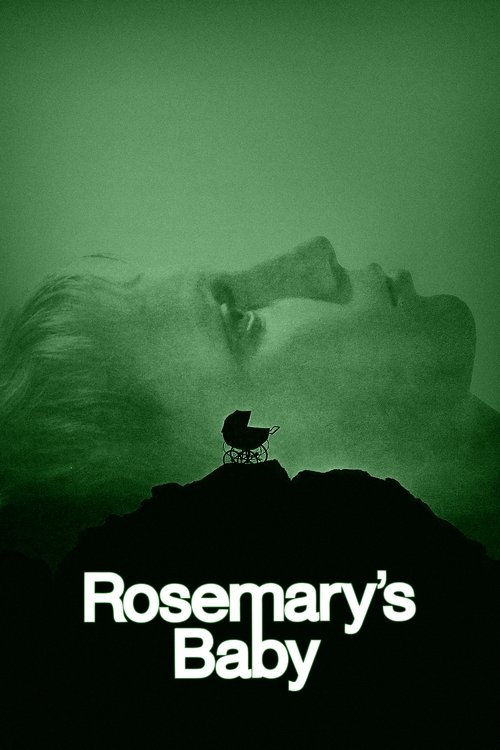
The haunting, childlike la-la-la of Mia Farrow’s voice over the opening credits is a deceptive invitation. It sounds like a lullaby, but it feels like a warning. By the time the camera pans across the Manhattan skyline to settle on the gothic, brooding facade of the Bramford, you realize you aren't watching a typical ghost story. You’re watching the slow-motion dismantling of a woman’s soul. I watched this most recent time while nursing a lukewarm cup of peppermint tea that had gone bitter, and that sharp, herbal aftertaste felt oddly appropriate for a film that weaponizes domesticity against its own protagonist.
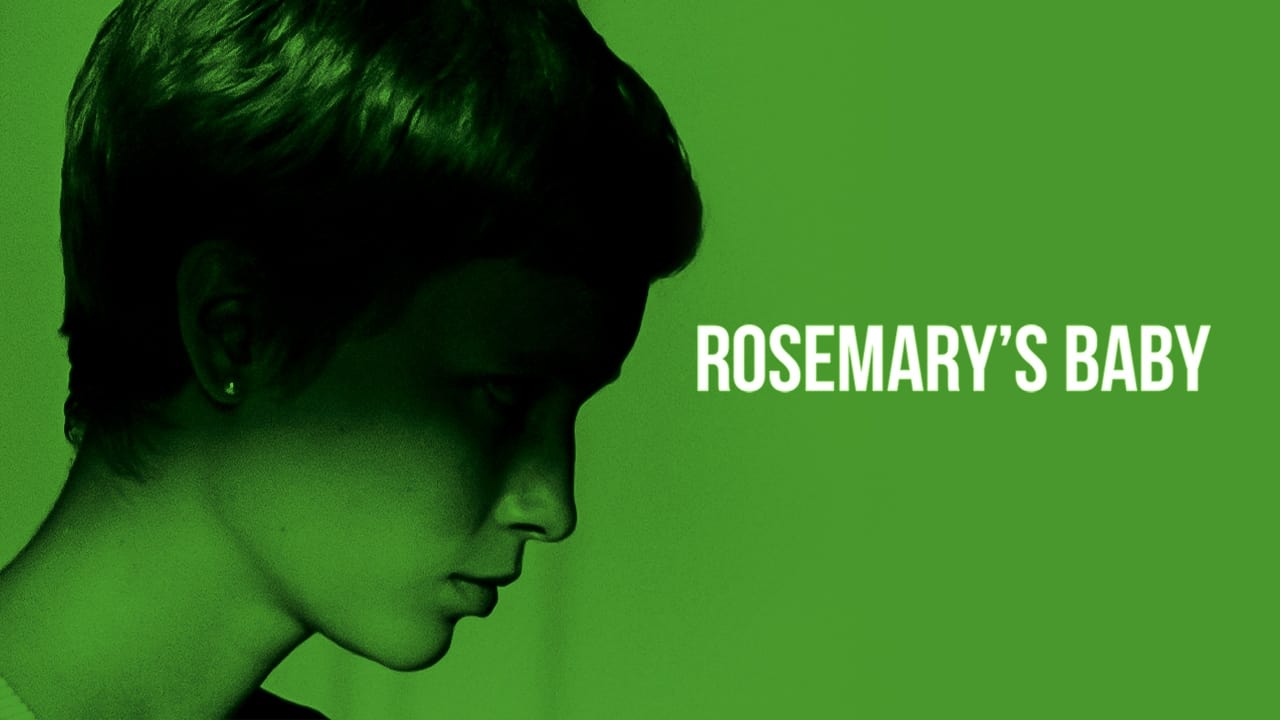
Rosemary’s Baby arrived in 1968 like a brick through the window of old-school Hollywood. While the genre was still largely obsessed with crumbling European castles and rubber-suited monsters, Roman Polanski brought the devil into a luxury New York apartment. It’s a film that thrives on the "polite" horror of intrusive neighbors, patronizing doctors, and a husband who trades his wife’s body for a career boost. It’s the ultimate New Hollywood masterpiece of paranoia, proving that the most terrifying things aren't under the bed—they’re in the apartment next door, offering you a cup of chocolate mousse with a "chalky" undertone.
The Architecture of Gaslighting
What strikes me every time I revisit this is how bright and airy the nightmare is. William A. Fraker’s cinematography doesn't rely on shadows to hide the bogeyman; instead, he uses doorways and narrow hallways to make us feel like peeping toms in Rosemary’s private hell. There’s a specific shot where Rosemary is on the phone in the bedroom, and the camera is positioned in the living room, partially blocked by a doorframe. You find yourself leaning to the side in your own chair, trying to see around the wood, desperate to catch a glimpse of her face. It’s a brilliant bit of spatial manipulation that forces the viewer into the same state of frantic uncertainty that Rosemary inhabits.
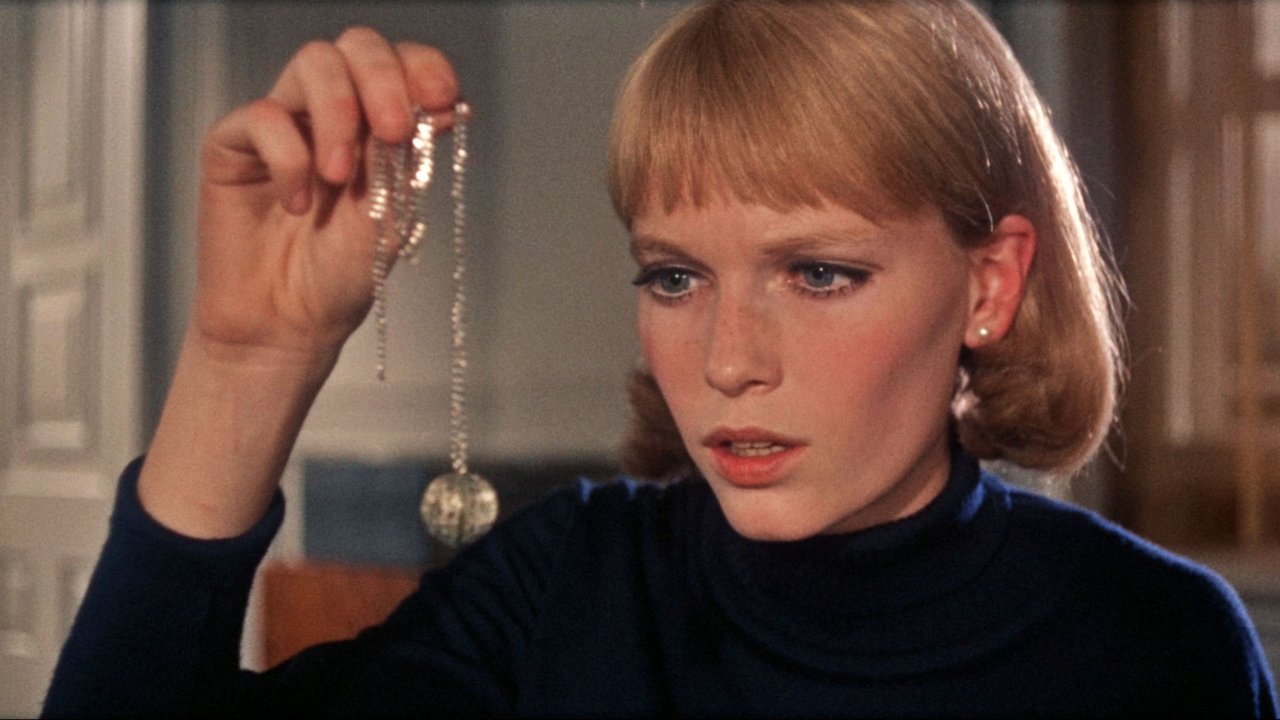
Mia Farrow is nothing short of miraculous here. She starts the film as a radiant, slightly naive young wife and slowly transforms into a skeletal, hollow-eyed ghost of herself. The haircut—that famous Vidal Sassoon pixie cut—wasn't just a fashion statement; it was a shedding of her old identity. Opposite her, John Cassavetes plays Guy Woodhouse with a greasy, desperate ambition that makes my skin crawl. Guy is arguably the most loathsome "villain" in horror history because his evil isn't supernatural; it’s just garden-variety narcissism. He doesn't need a pitchfork when he has a SAG card and a lack of a conscience.
A Masterclass in Suburban Rot
The true "monsters" are, of course, the Castevets. Ruth Gordon, who rightfully took home an Oscar for this role, turns Minnie Castevet into a weaponized version of every overbearing aunt you’ve ever wanted to avoid. She’s loud, she’s colorful, and she’s constantly pushing herbal "charms" and Tannis root on Rosemary. Her husband, Roman, played with a chilling, faux-intellectual grace by Sidney Blackmer, provides the intellectual weight to their cult.
The horror here is psychological and sustained. Polanski refuses to give the audience the release of a jump scare. Instead, he builds a suffocating atmosphere of isolation. We watch as Rosemary’s support system is systematically pruned away. Her friend Hutch (Maurice Evans) is sidelined by a mysterious coma; her doctor is replaced by the prestigious Ralph Bellamy (Dr. Sapirstein), who dismisses her excruciating pregnancy pains as "natural." The film captures that specific, gendered terror of not being believed about your own body—a theme that feels just as sharp and jagged today as it did in the late sixties.
Prestige, Pedigree, and Production Lore
As a prestige production, Rosemary's Baby was a massive gamble for William Castle, the legendary "gimmick" producer known for buzzing seats and skeleton puppets. Paramount’s Robert Evans insisted that the edgy European auteur Roman Polanski write and direct to ensure it didn't look like a B-movie. The result was a film that critics like Pauline Kael praised for its craft, even if they were unsettled by its darkness.
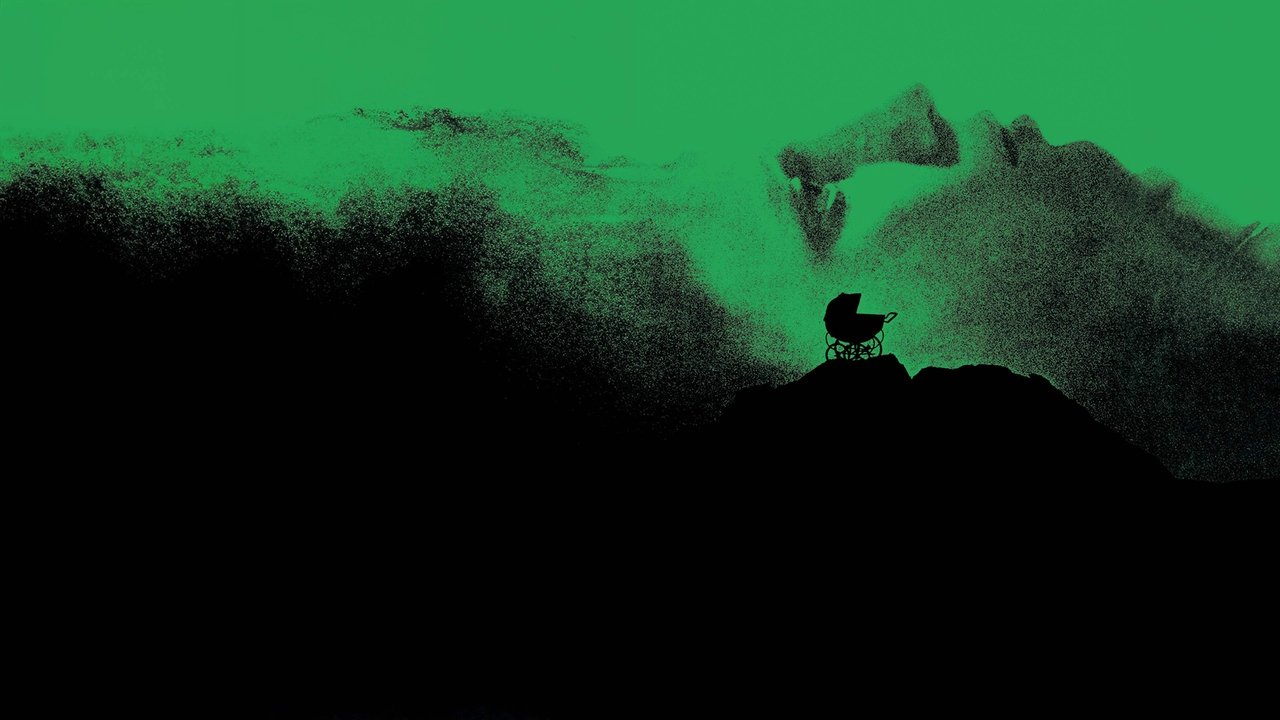
The production is littered with the kind of trivia that feels cursed in retrospect. It was filmed at The Dakota (the "Bramford" in the movie), which would later become the site of John Lennon’s assassination. Mia Farrow, a staunch vegetarian at the time, actually ate raw chicken liver for the scene where Rosemary’s cravings take over—doing it for take after take until Polanski was satisfied. The film also marked the final score for composer Krzysztof Komeda, who died shortly after the film's release following a tragic accident; his haunting, melodic score remains one of the most effective in the genre, balancing beauty with a deep, subsonic dread.
Rosemary’s Baby is a rare specimen: a horror film that loses none of its power once you know the ending. In fact, knowing the destination makes the journey even more agonizing. It’s a meticulously paced descent into a very specific kind of urban hell, where the devil wears a silk robe and your husband is his biggest fan. It’s a film that demands your full attention and rewards it with a lingering sense of unease that no amount of peppermint tea can wash away. If you’ve only ever seen it on a grainy TV broadcast, do yourself a favor and find a high-quality print; the devil, as they say, is in the details.

Keep Exploring...
-

Repulsion
1965
-
Chinatown
1974
-
The Tenant
1976
-
What Ever Happened to Baby Jane?
1962
-
Peeping Tom
1960
-
Dog Day Afternoon
1975
-
An Officer and a Spy
2019
-
The Birds
1963
-
In the Heat of the Night
1967
-
Night of the Living Dead
1968
-
Deliverance
1972
-

Blade Runner
1982
-
Don't Look Now
1973
-
Blow-Up
1966
-
Straw Dogs
1971
-

Fist of Fury
1972
-
Frenzy
1972
-
The Poseidon Adventure
1972
-
Psycho
1960
-
Carrie
1976